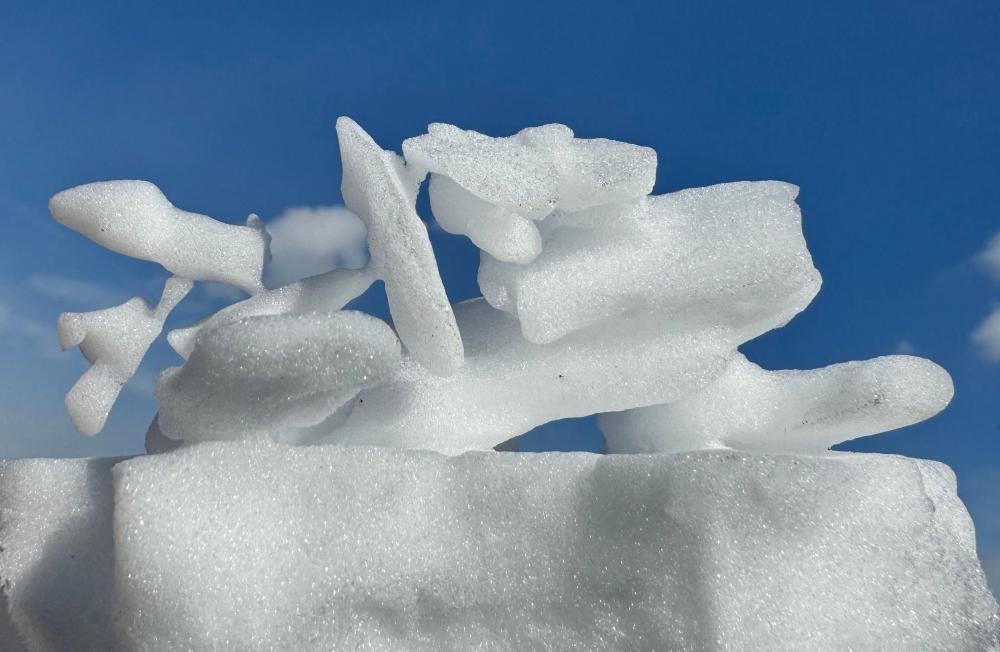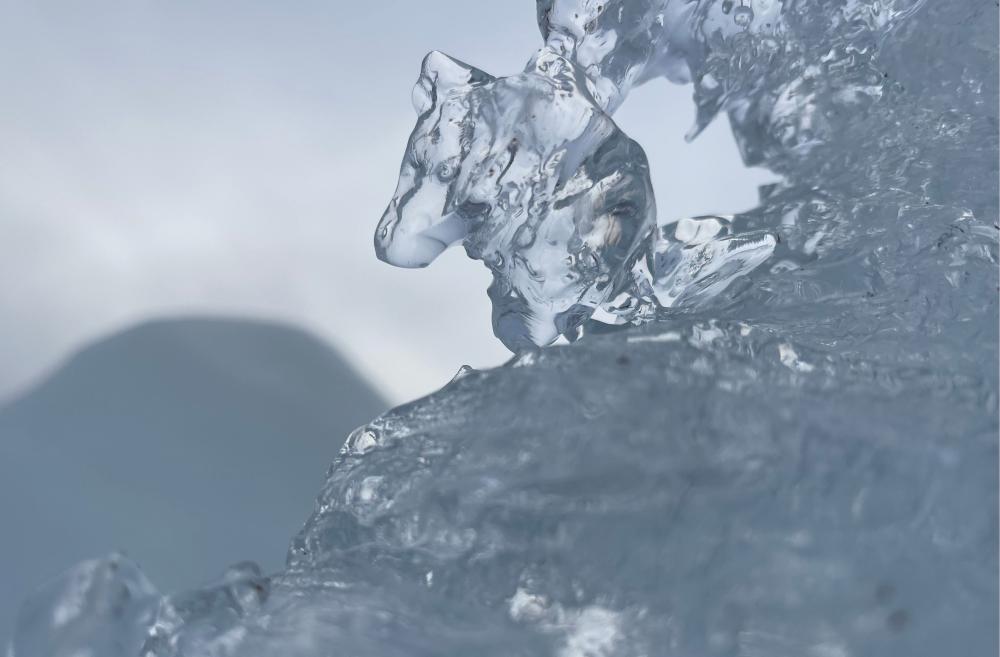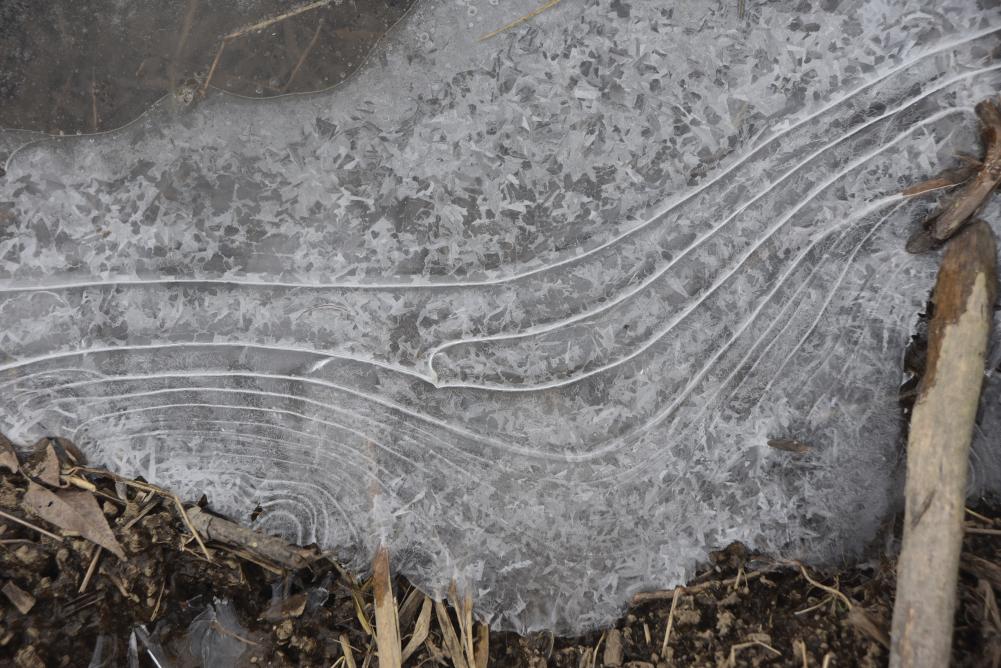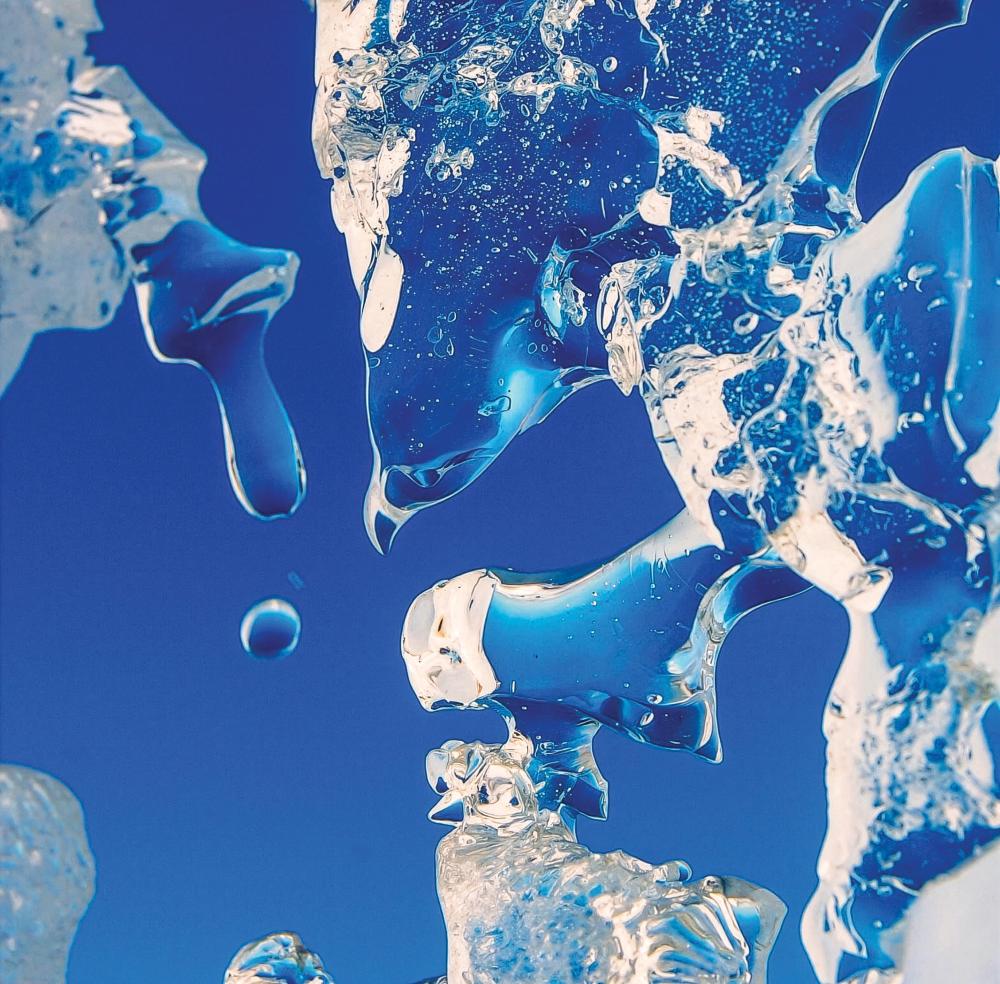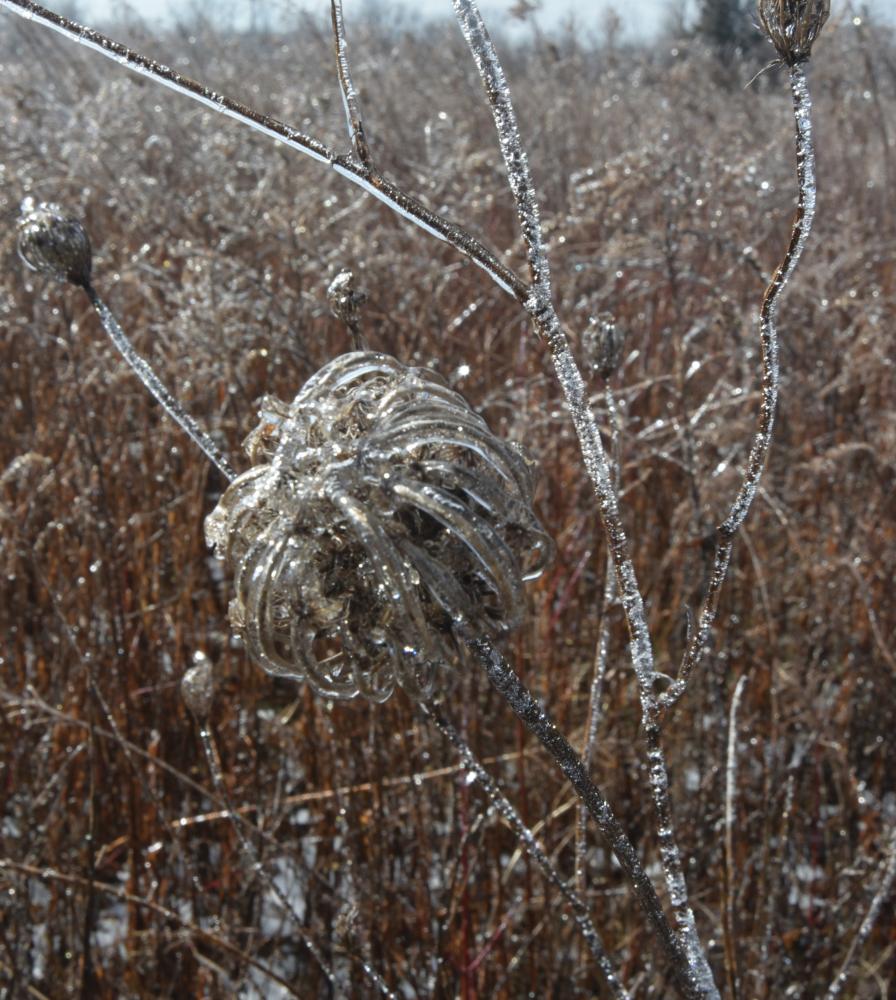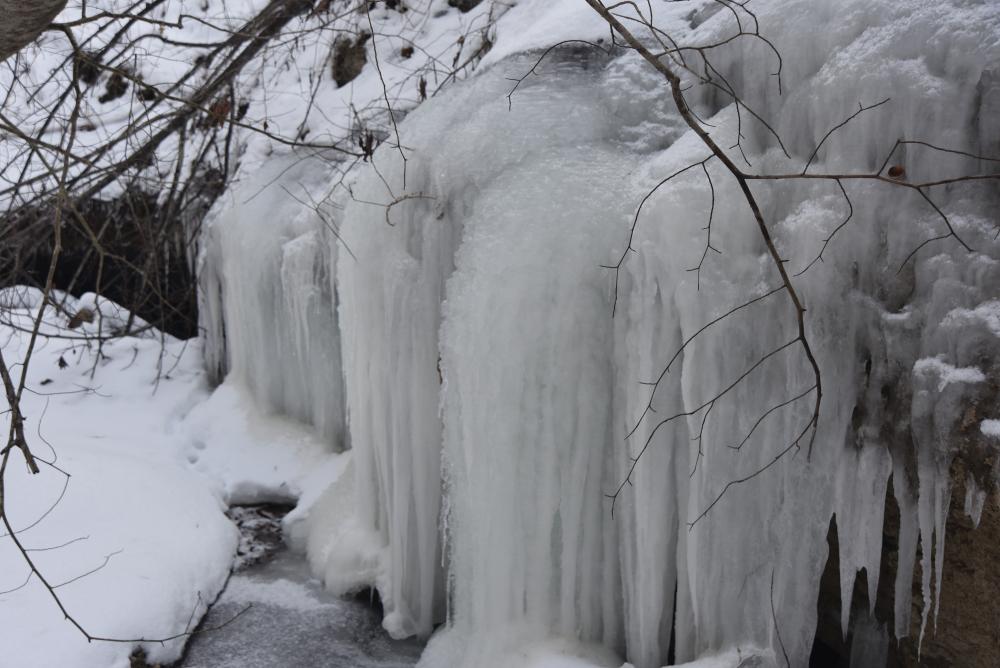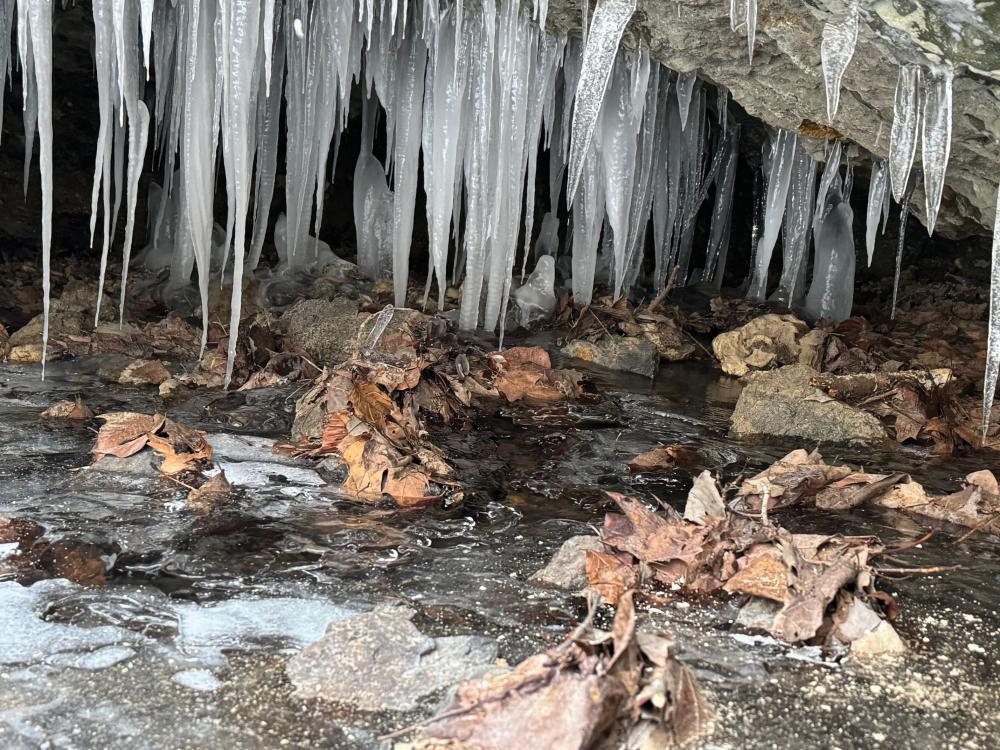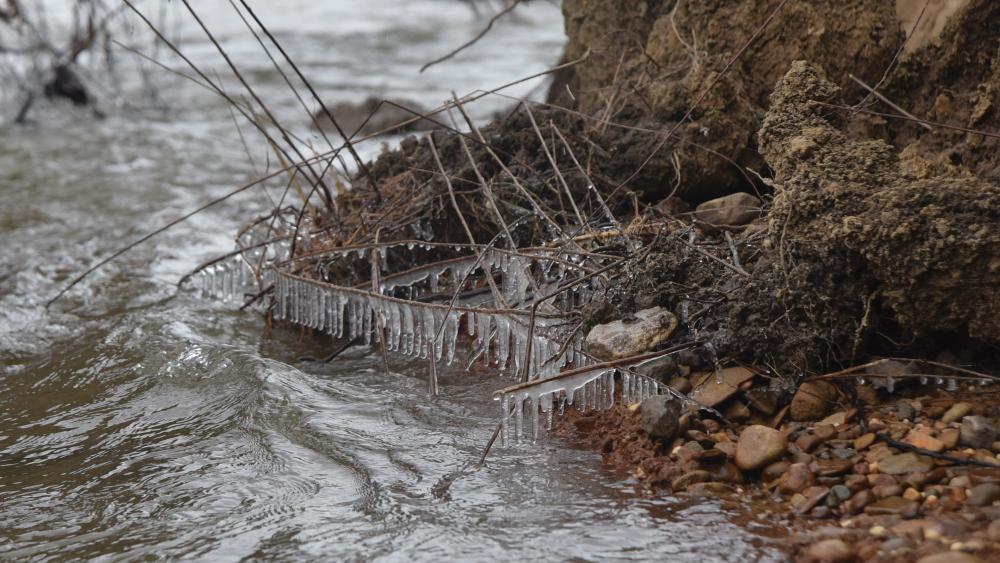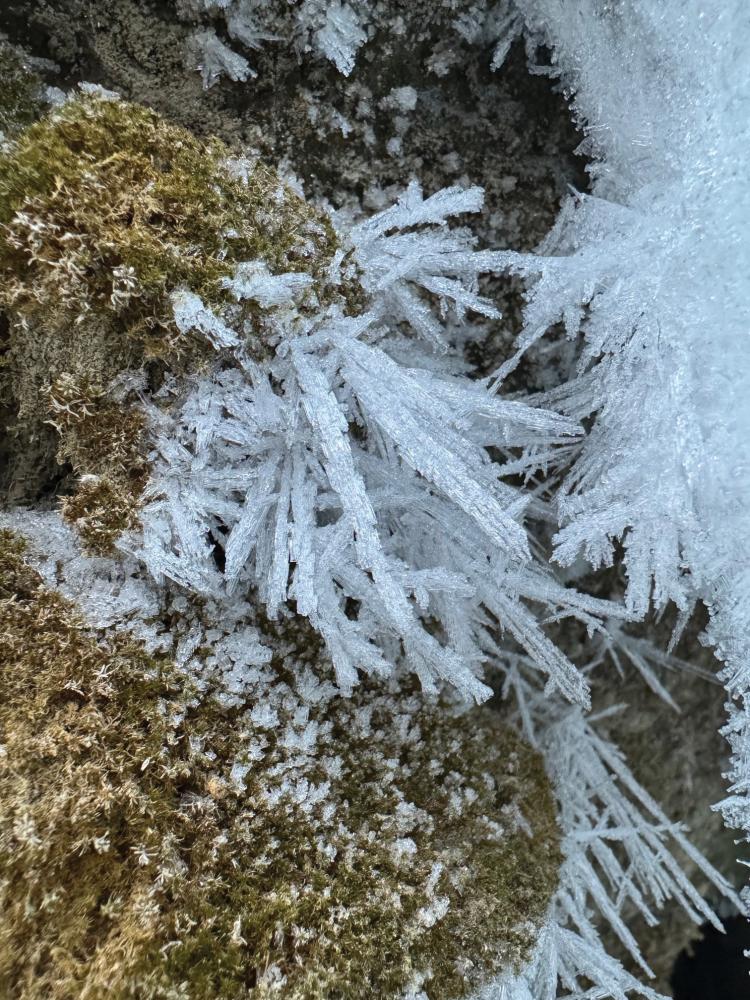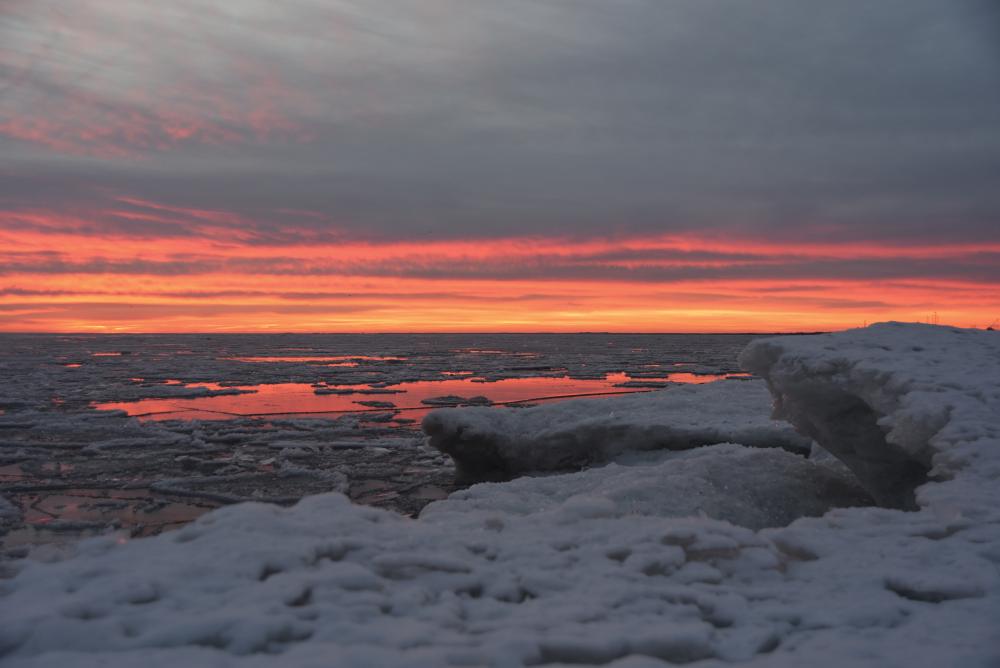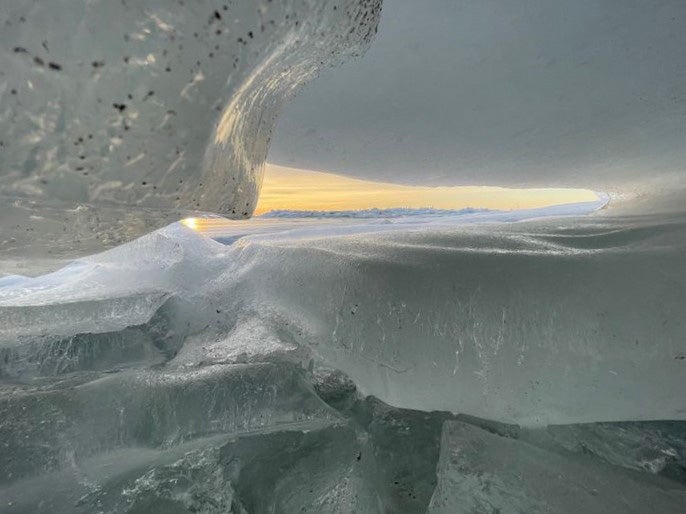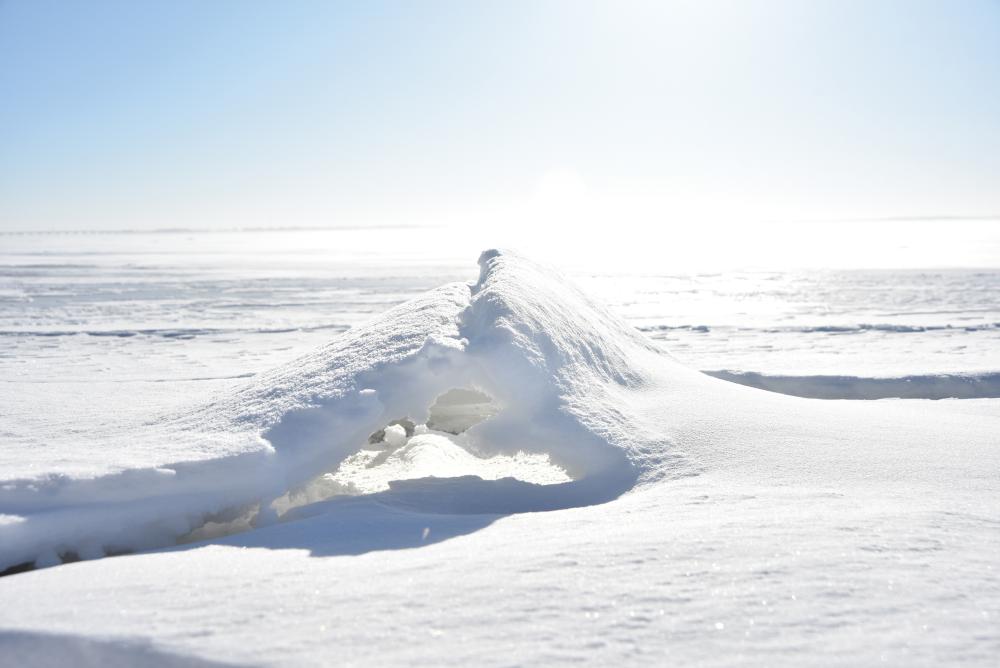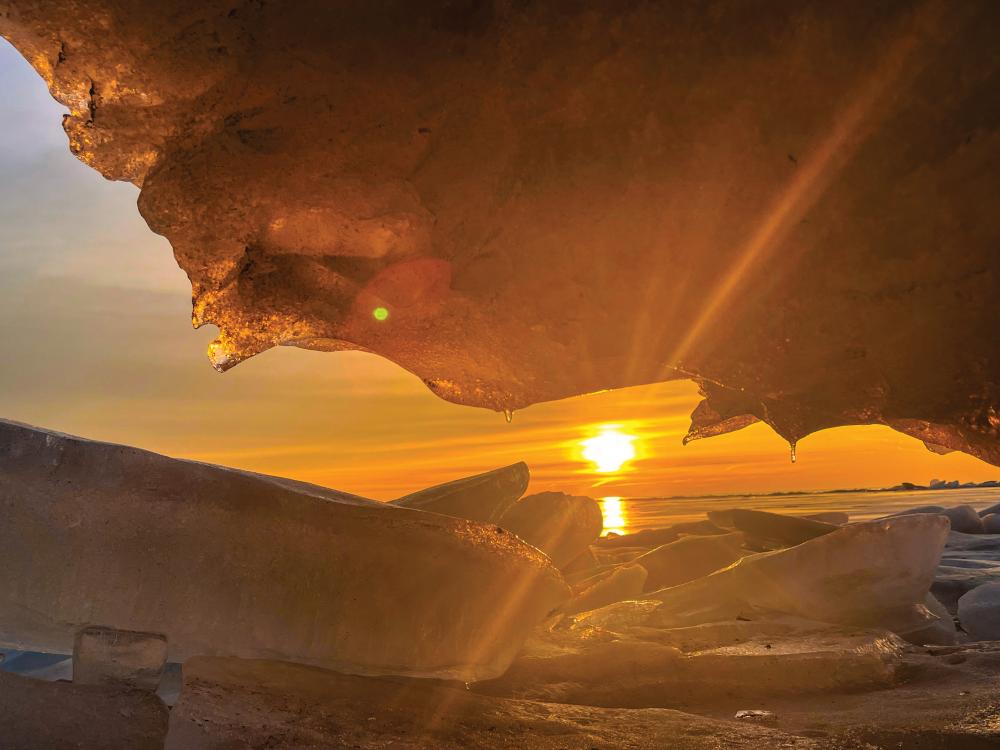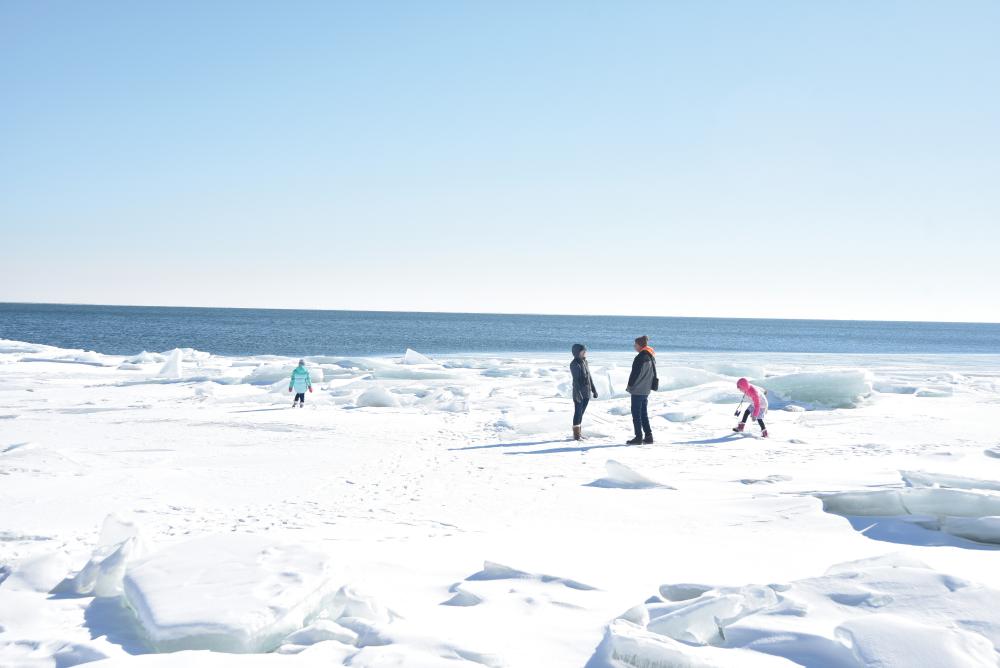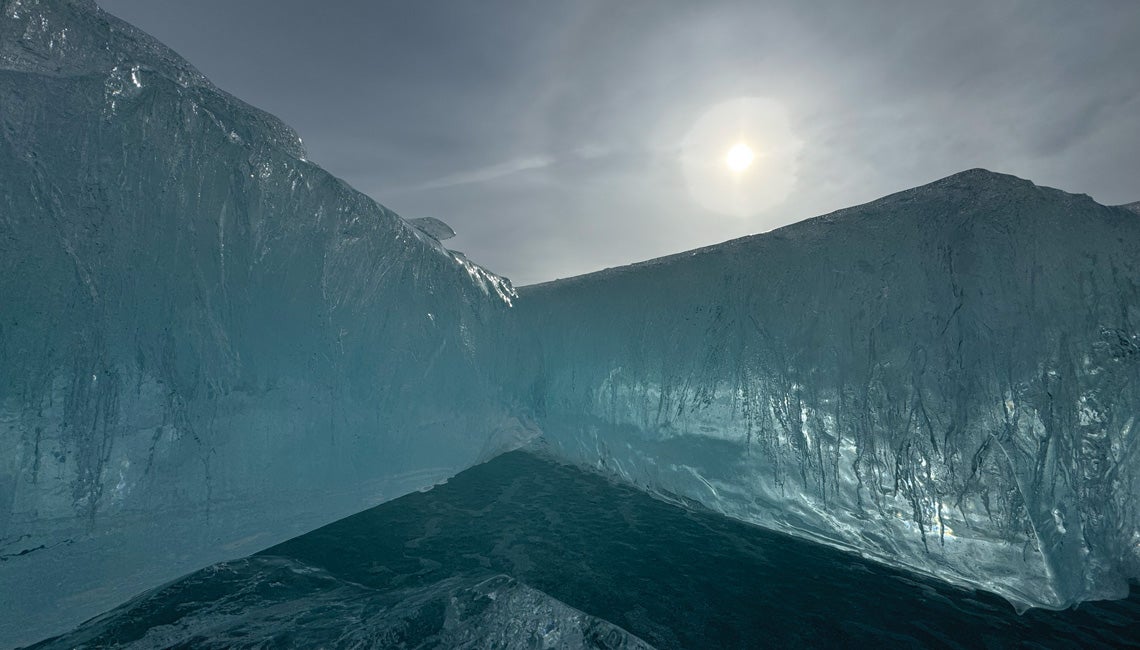
If it's January in Ohio, we can count on ice — lots of it, everywhere. From the treacherous and violent to the tiny and delicate, our intrepid ice-chaser set out to capture these scenes of wintry wonder
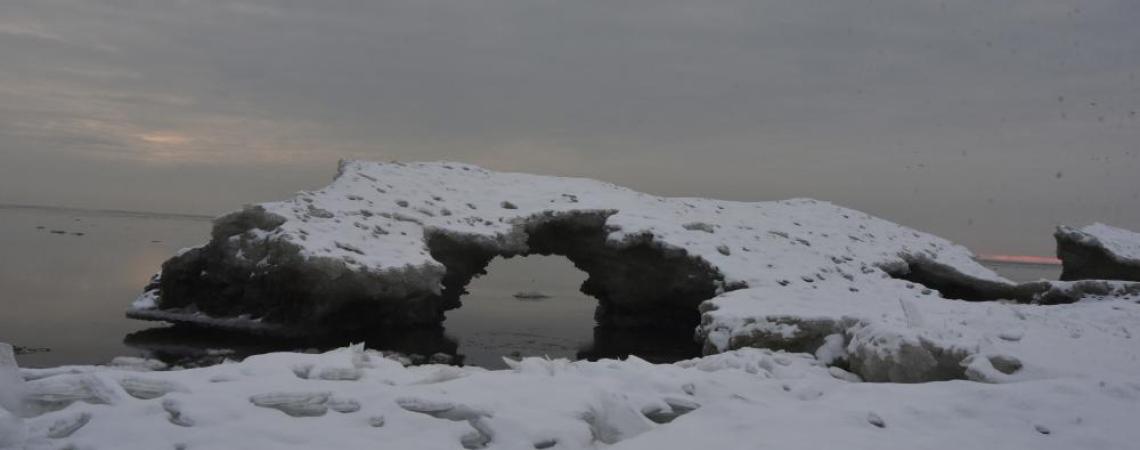
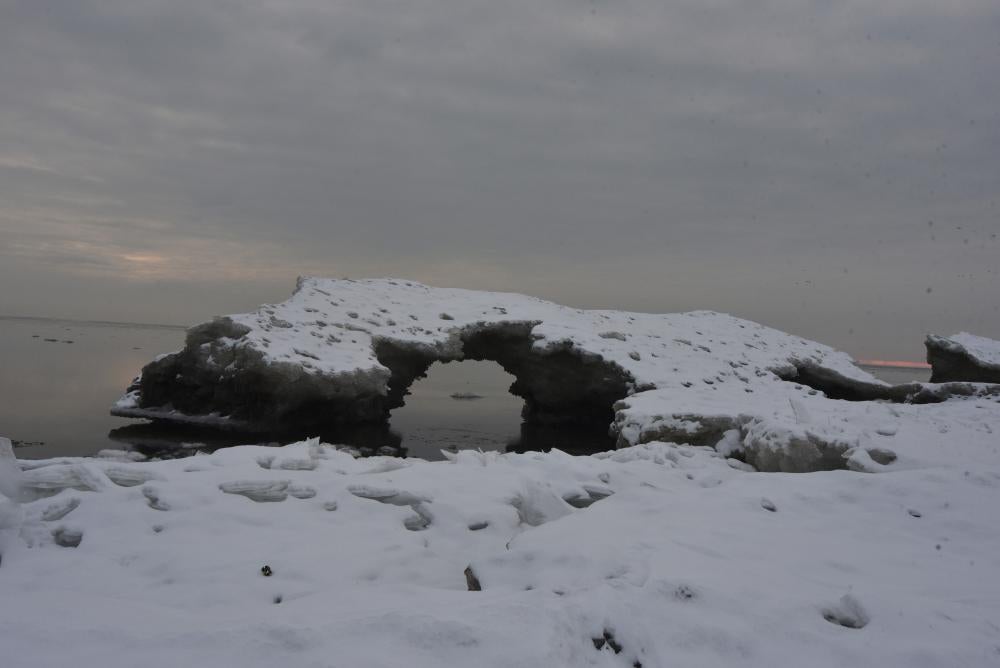
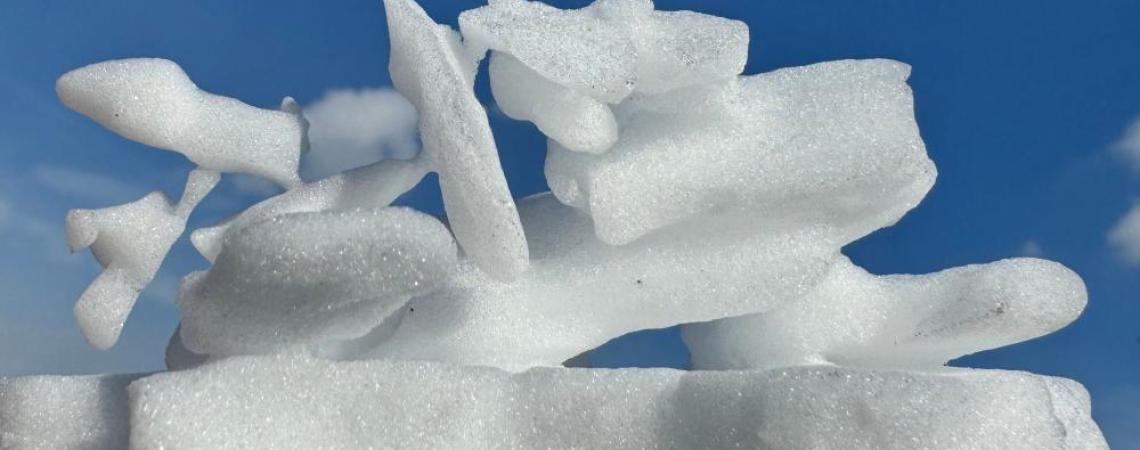
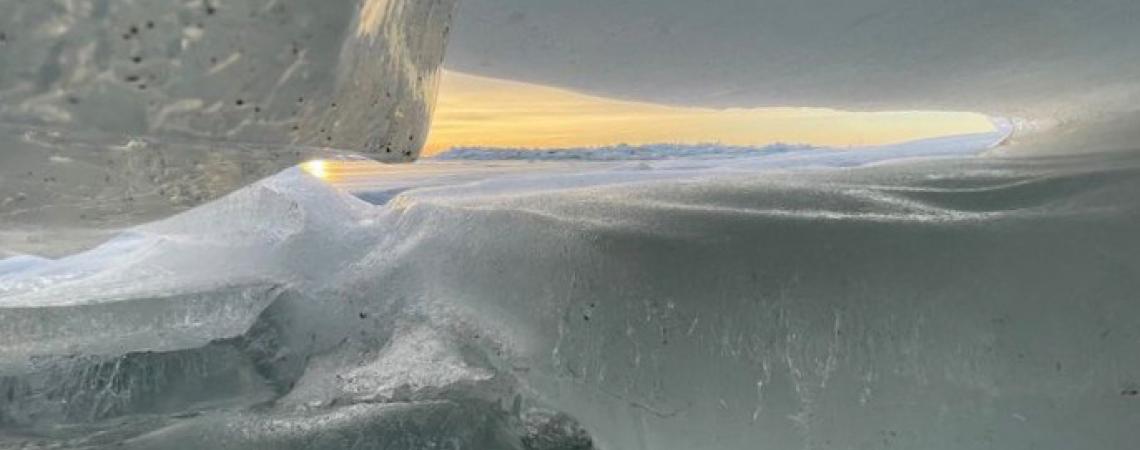
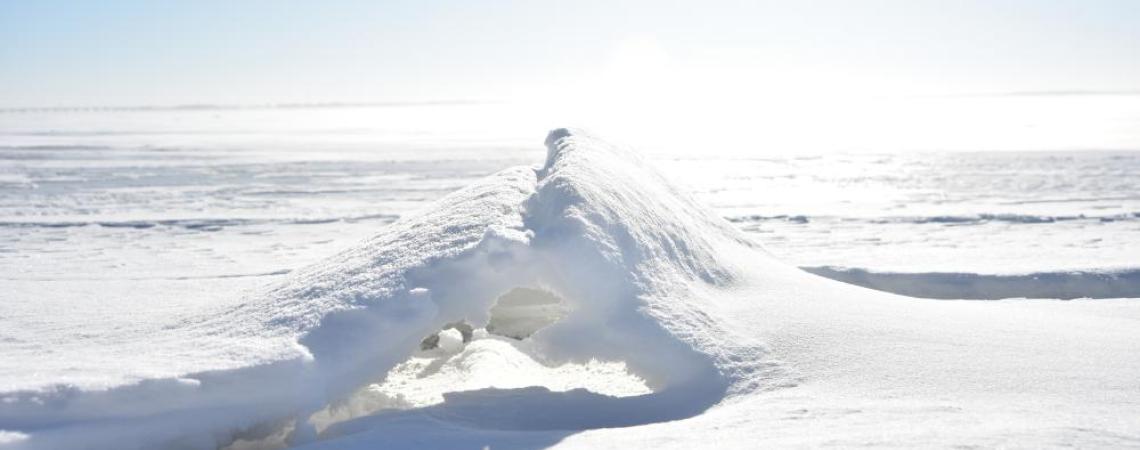
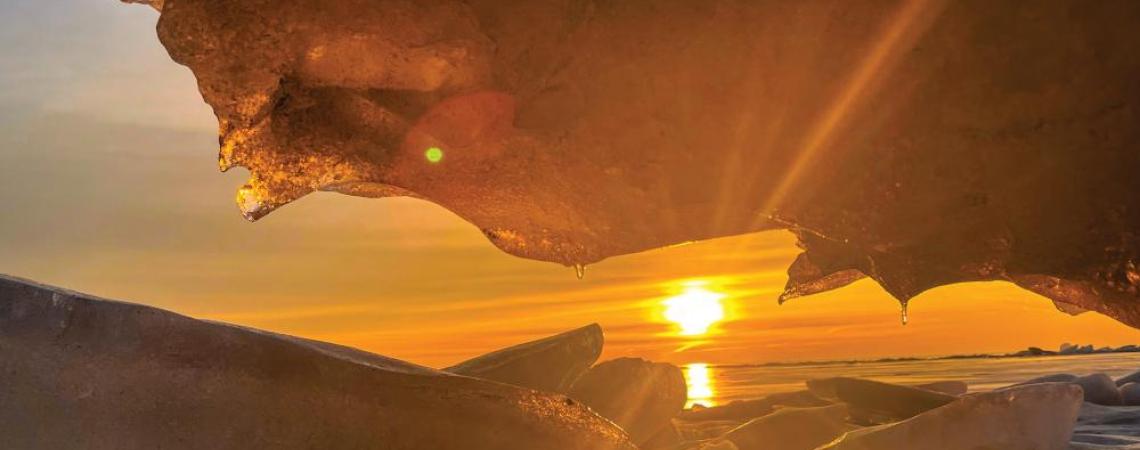
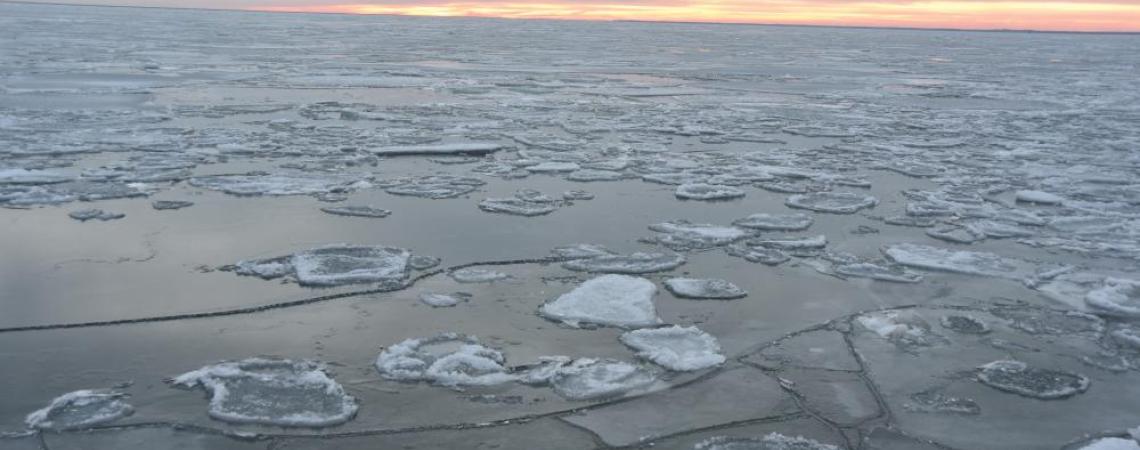
Remnants of Lake Erie’s ice hang on as late as March, with wind, waves, and warming water developing arches and caves along the shoreline.

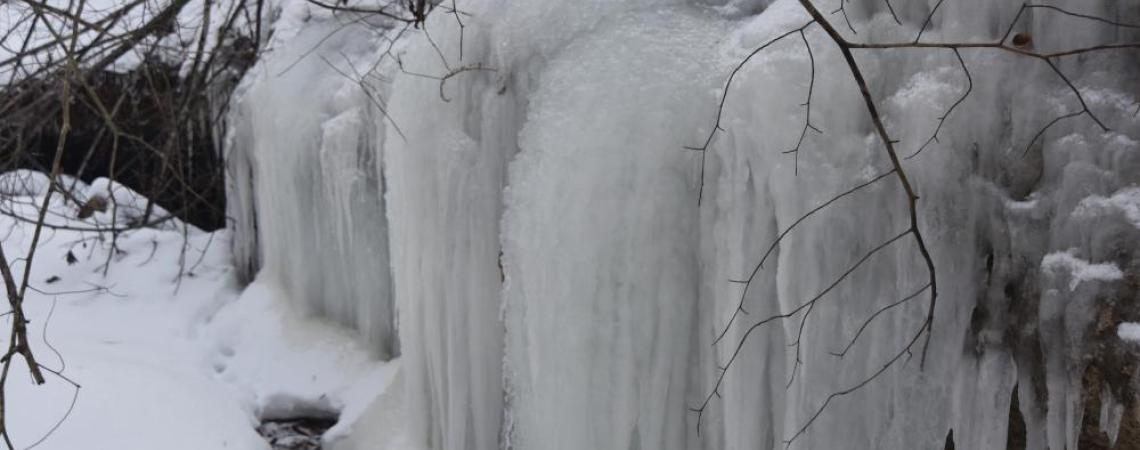
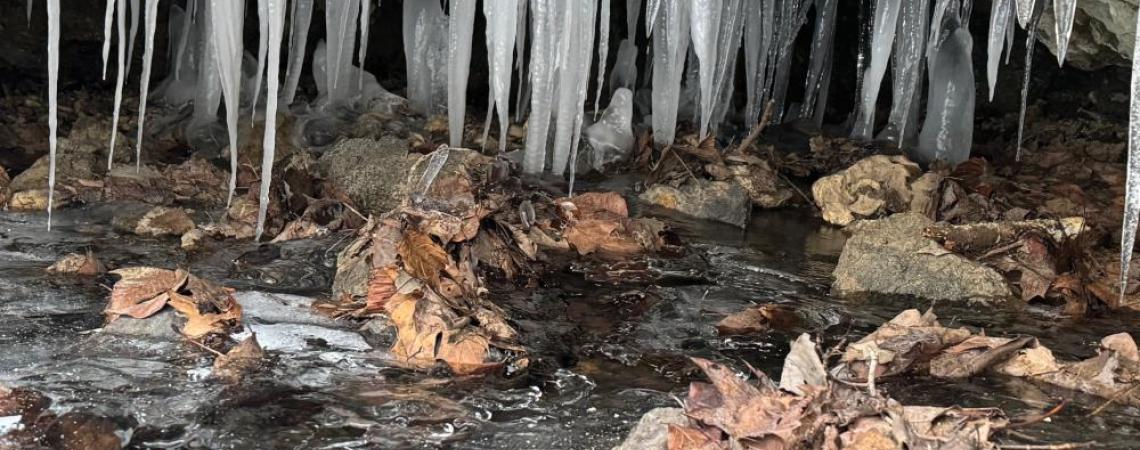
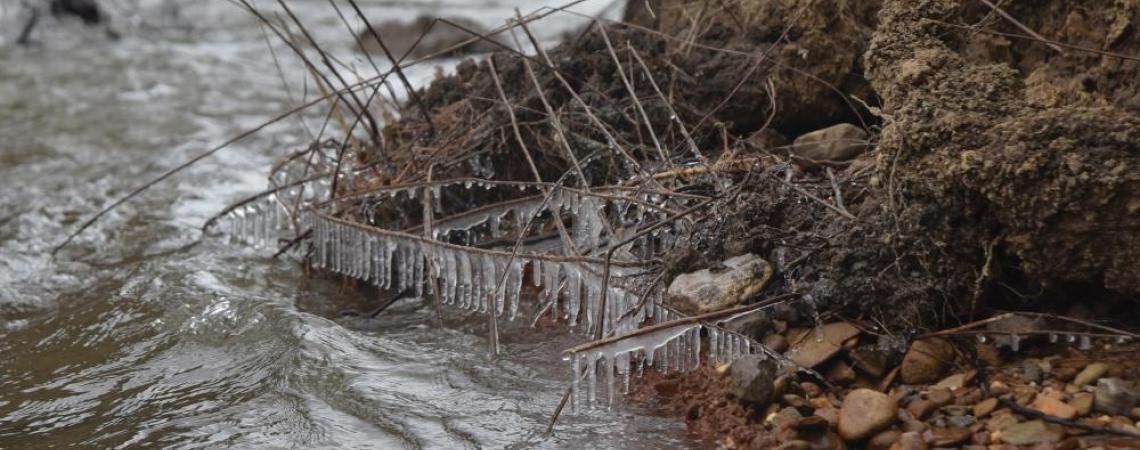
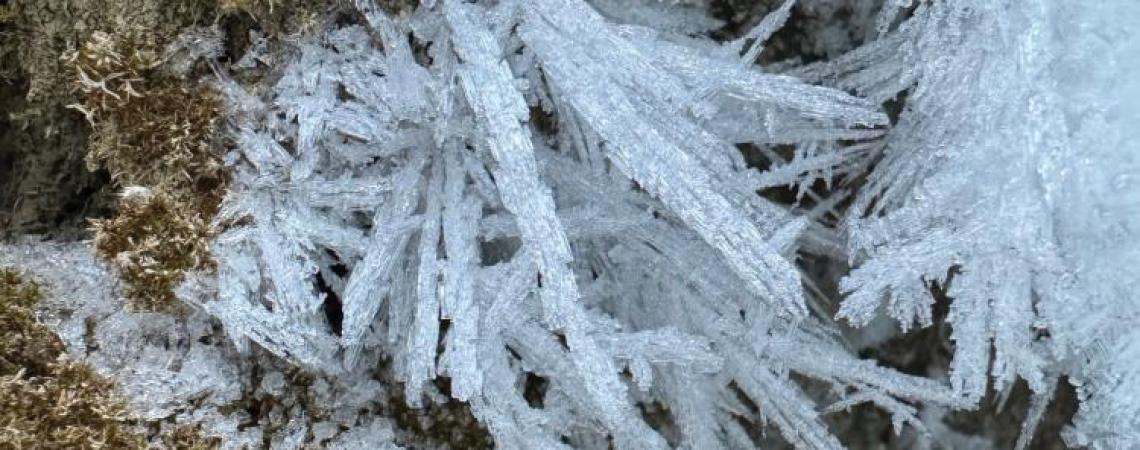

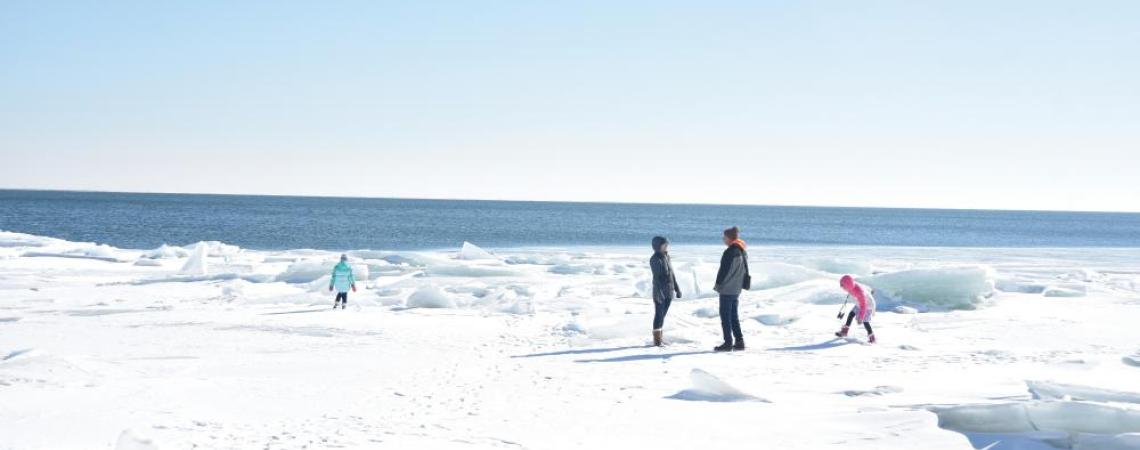
Photographer James Proffitt warns that some of the images that went into this essay were taken in what he describes as NSFW conditions — Not Safe for Wading. Following are some of the musings from his vast wanderings in 2024 and 25 while collecting his images.
We love it and we hate it. It cools food and drinks, we skate on it, fish on it. We slip and fall on it, crash our cars on it and it destroys roads and sometimes things around the house. It can be treacherous, unforgiving, and beautiful: Ice.

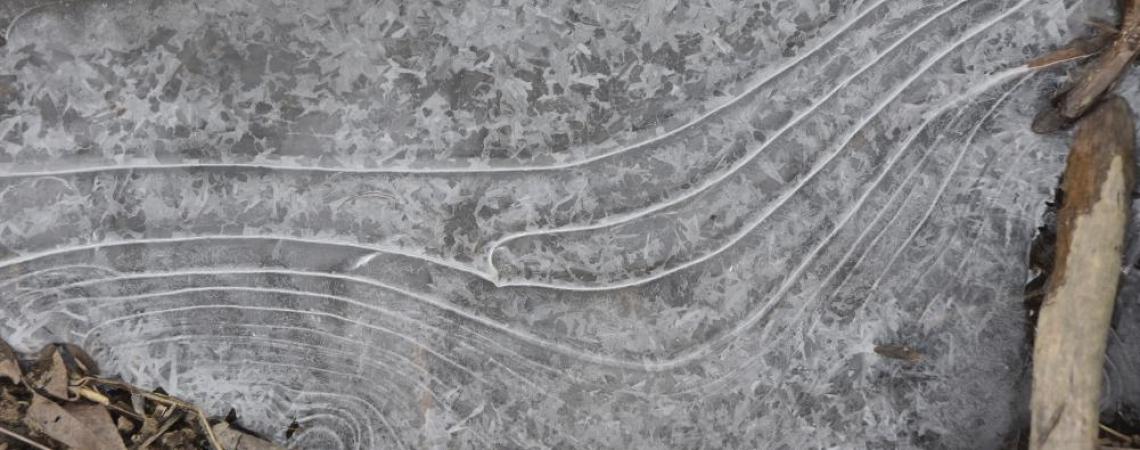
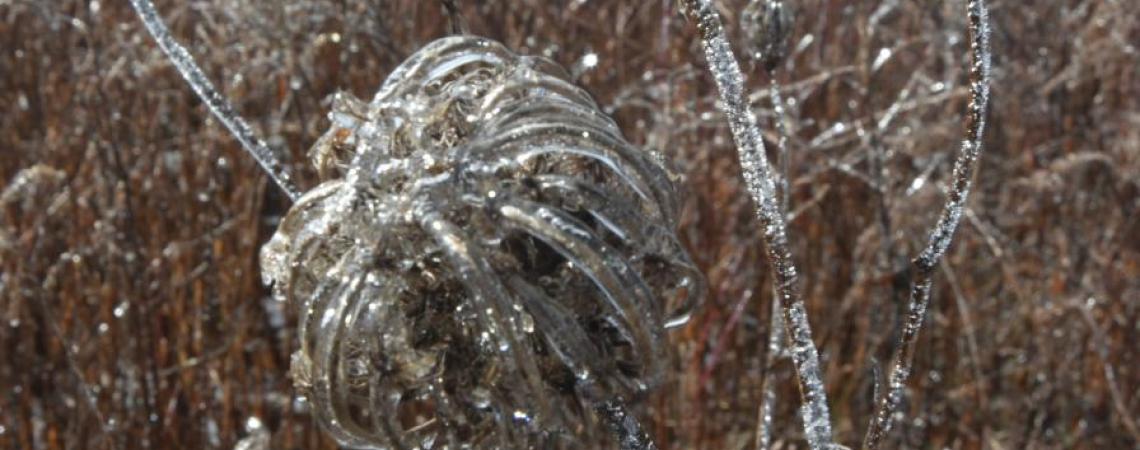
Jonathan Edwards-Opperman, a scientist with the U.S. National Ice Center outside Washington, D.C., lent his knowledge for this piece — just the cold, hard facts. And of course I put on some miles and hours searching out the biggest, baddest ice and also the tiniest, most delicate frozen crystals to be found. What ended up here came from seven Ohio counties.
Occasionally on Lake Erie, after I dropped off an ice shelf into water, drivers stopped to watch to see if I was in trouble or just goofy.

In taking photos on a high and fast Cuyahoga River one gray day, I had misgivings about descending a straight-drop bank to get to some interesting ice dangling just inches above the water. So much so that before I descended (fell), I returned to my vehicle and left a note on my dashboard that read “If you read this after 4 pm, I am stuck on the river.” It was a rough haul back up the bank, relying on tree roots and luck, but I made it back to my vehicle at 3:55.
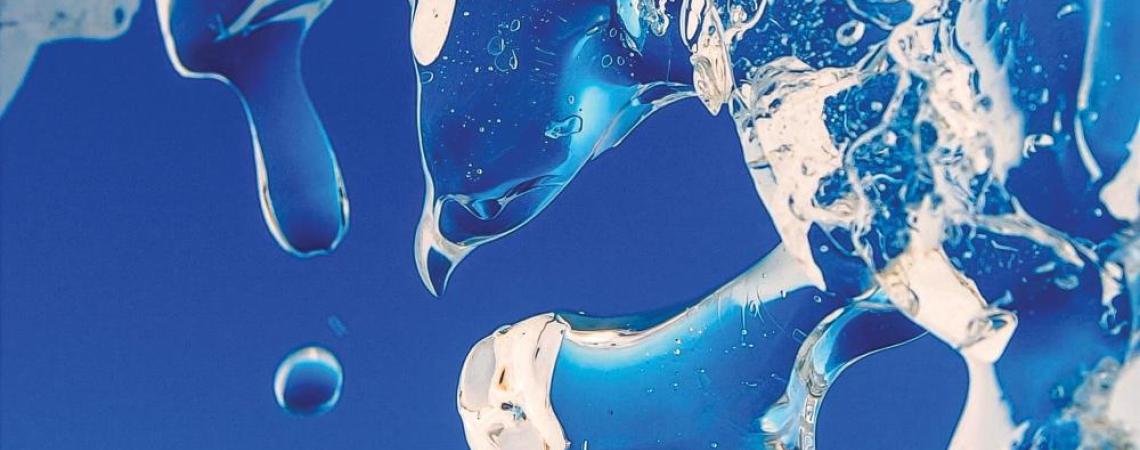
Poet Robert Frost said he’d rather the world end in fire, though ice for destruction would suffice. And in the South Carolina Review some years ago, I pondered ice that was melting despite the fact that the air temperature was well below freezing. Here it is, in its original glory:

Thaw: Sun Melting Ice at 12 F
In fields there are stalks, husks and cobs
still here from autumn, early winter.
Becoming out of ice these past few days it’s been warm
— ten, twelve degrees and sun’s cracked open like an egg
her deep gold-struck yellowness, hotness
bearing down on winter’s bright ice so hard
it makes me want to cry this melting, this devouring.
All that December, January have worked so hard for, so long.
Sixty bitter days of winds cracking out of the north
stiff and brutal, driving ice and snow so hard
somehow it makes its way through the window, the wood
into the little cabin. I’d expected crows and deer to show
make use of this reprieve, but they’re still steeped in cold,
all the glory of ice murmuring, strangely undoing.
(Originally published in South Carolina Review, Clemson University)