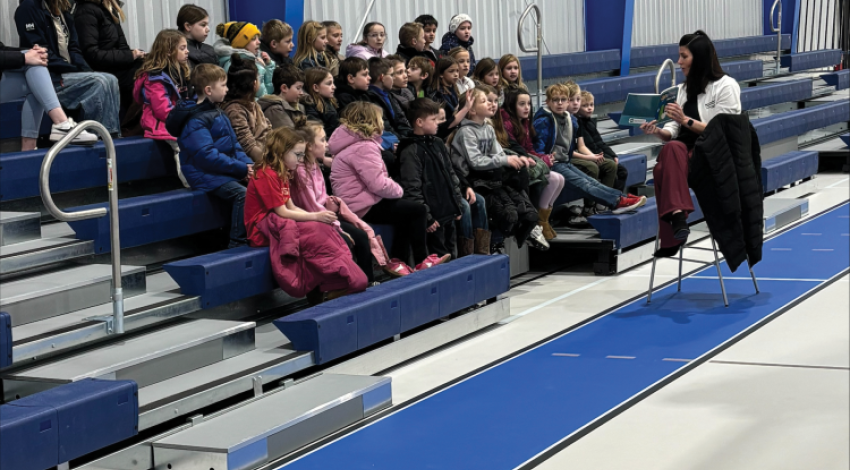
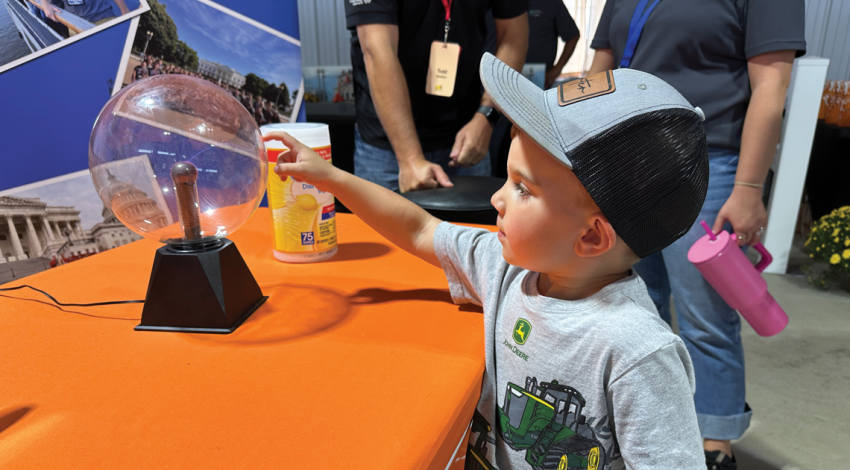
They may not pay electric bills or vote in trustee elections, but even the youngest members are important to electric cooperatives.
Greenville-based Darke Rural Electric Cooperative, for example, has an outreach program for first- through third-graders in local schools. “Safety around electricity is so important,” says Jen Davenport, director of communications and member relations at Darke Electric. “How do we reach everyone with that message? One way is to start early, with the kids, because they’ll always remember those lessons.”
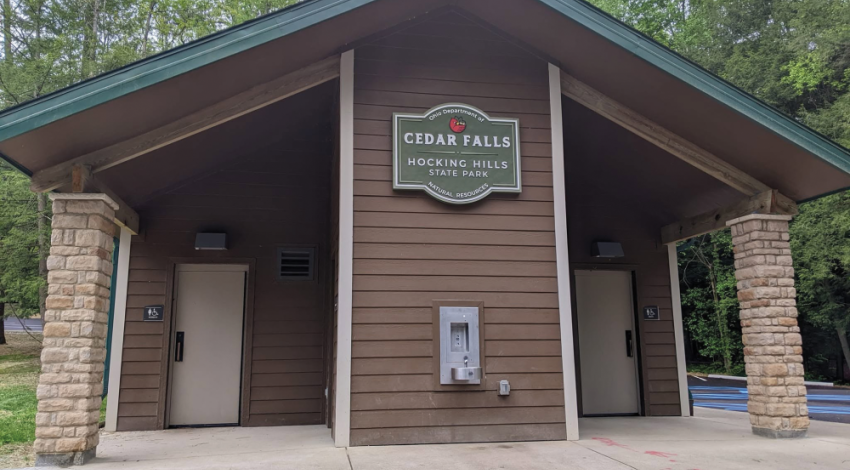
On any given day, Mary Mertz, director of the Ohio Department of Natural Resources, may be called upon to consider issues involving wildlife, campground capacity, hiking trails, or the health of Ohio’s forests.
Ohio State Parks earned the National Gold Medal Award for Excellence in Park and Recreation Management in 2025 — essentially the top honor a park system can earn — but Mertz knows there’s always room for improvement, and she says restroom facilities are low-hanging fruit.
“We want people to want to be in the outdoors,” Mertz says. “Fifty years ago [when many of the facilities were built], people’s expectations were different. Today, people have come to expect a higher level of accommodation.”
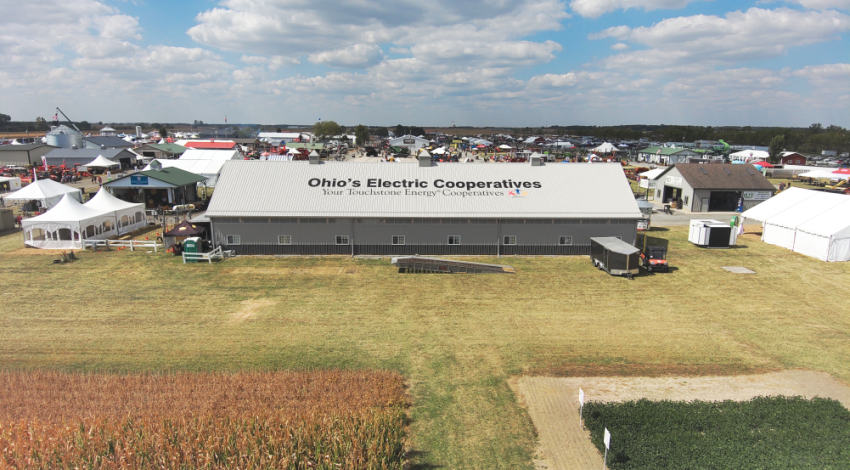
Farm Science Review isn’t just for farmers. Sure, the annual event offers hundreds of demonstration plots, millions of dollars of new farming equipment, and emerging tools and technology geared to professionals.
Farmers are the backbone of many electric cooperatives, and Ohio’s electric cooperatives are proud to play a role each year at Farm Science Review. Looming large on Wheat Street, the co-ops’ building showcases energy efficiency, cooperative information, youth programs, and fan-favorite free popcorn. Inside the building, cooperative energy advisors are available to answer questions about saving energy, and visitors can test their knowledge to win prizes. Outside, lineworkers perform periodic live-line safety demonstrations, conveying potentially life-saving tips.
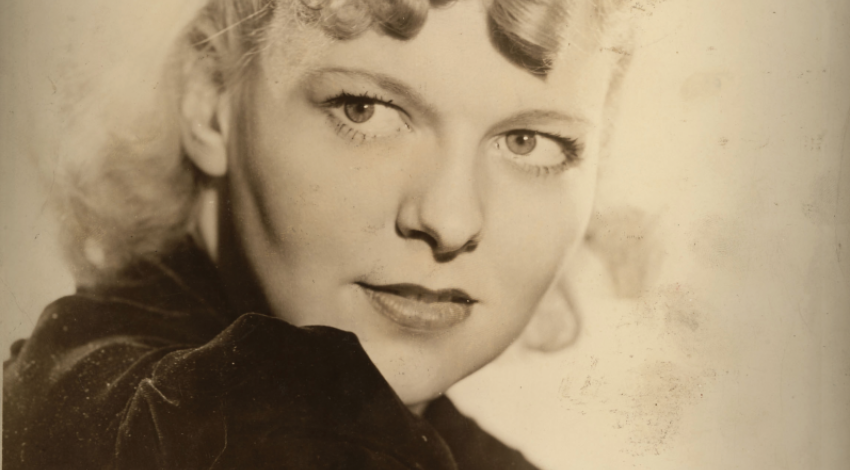
Baaa-DUM, ba-DUM, ba-DUM, ba-dum-dum-dum! Native Ohioans — college football fans and non-fans alike — grow up with that rousing snare-and-brass intro on autumn Saturdays and automatically know what’s coming.
So — now that you’ve got the song ringing in your head — read on for the story of Dorothy Sloop.
Dorothy (known as “Dottie”) was born into a musical family in Steubenville in 1913. “Her grandfather owned a music store, and her father played the pump organ and was the theater organist for silent movies,” says her nephew, Fred Ruland of Marietta.
The turn toward fall is a welcome reminder that, even in times of uncertainty, life keeps moving in familiar and welcome ways. School is beginning again, football season is getting underway, farmers are planning for the fall harvest, and those of us who golf keep trying to squeeze in that one more round before the weather freezes us out.
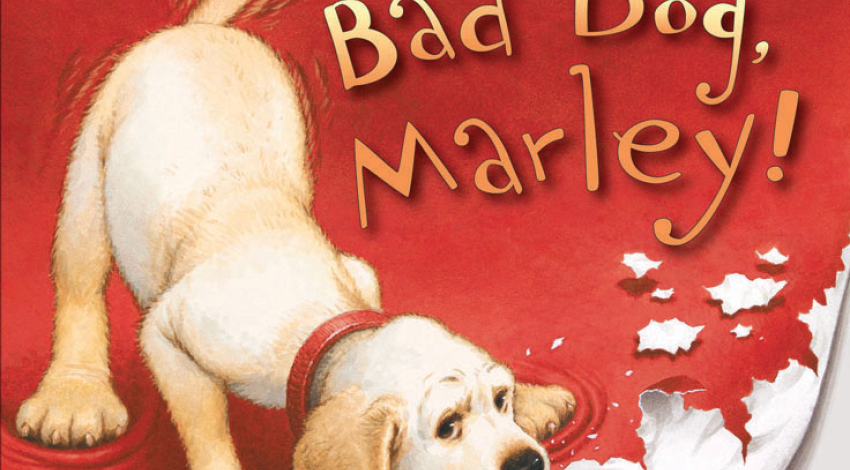

“A lot of the kids say, ‘I can’t draw that well.’ So I make sure to tell them, ‘An artist designed your shoes, your clothes, your chair. There’s an artist behind everything,’” Cowdrey says. “I love those lightbulb moments, when you see them get it.”
Cowdrey has lived in the Knox County village of Gambier for 30 years, where he’s a member of Newark-based The Energy Cooperative — though he tells people he’s been drawing “as far back as I can remember.”
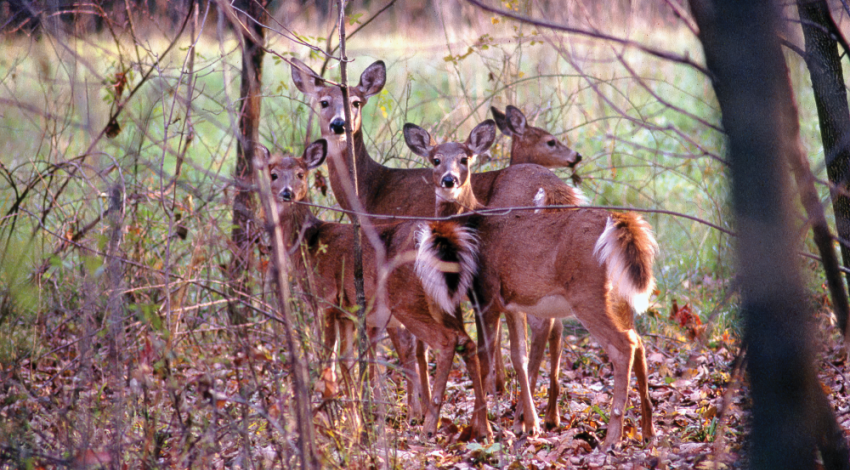
White-tailed deer add an intrinsic value to the landscape — almost everybody likes to watch them.
But as forests once again began growing in Ohio during the early part of the 20th century, deer gradually returned along with them, only this time with strict hunting regulations in place to protect the herd. Fast forward to today, and whitetails are so numerous that they are common not only in rural areas but also in suburbs and even large cities.
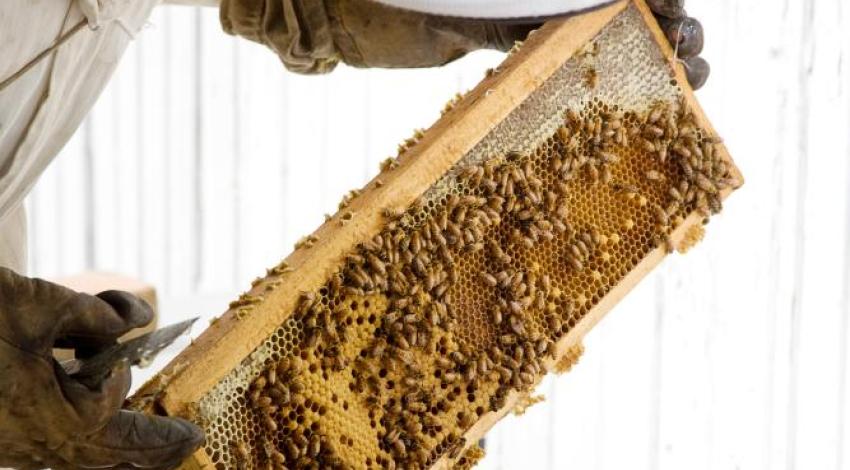
They might be easy to take for granted, but honeybees make a significant contribution to your daily diet. Honeybees pollinate at least 70 crops produced in Ohio each year, including apples, pumpkins, cucumbers, strawberries, and sunflowers.
Heilman manages nearly 800 hives, which he hires out to farmers. Half of his hives travel out of state, but he estimates his bees alone help Ohio growers produce
$10 million to $15 million worth of crops each year.
Oh, and by the way, those busy workers also make one of the more luscious food products on the planet. Heilman’s bees produce more than 35,000 pounds of honey annually.
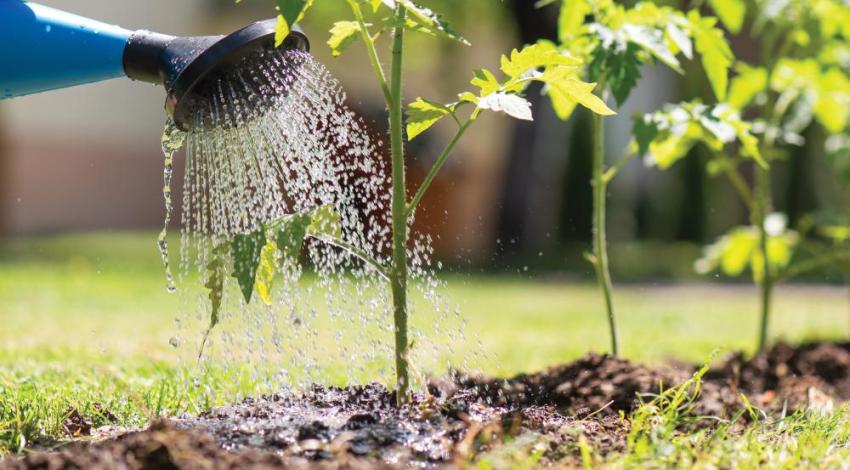
When summer heat settles in, gardens can quickly go from thriving to stressed. With the right timing and techniques, you can strategize your watering so your plants are properly hydrated, water usage is reduced, and demand on electricity is lowered as well.
Here are some tips:
Timing is everything
The time of day when you water affects how much water gets to the plant. “Morning watering is best, as the soil is cool and allows the plant to take up water through its roots,” McDermott says. “Morning watering also minimizes evaporative loss.”
