Every law, regulation, and policy choice that touches the electric industry has the potential to affect the cost and reliability of the power that electric cooperative members depend on every day. For co-ops, political engagement is not about partisanship; it’s about making sure the people who make decisions understand the people who live with those decisions.
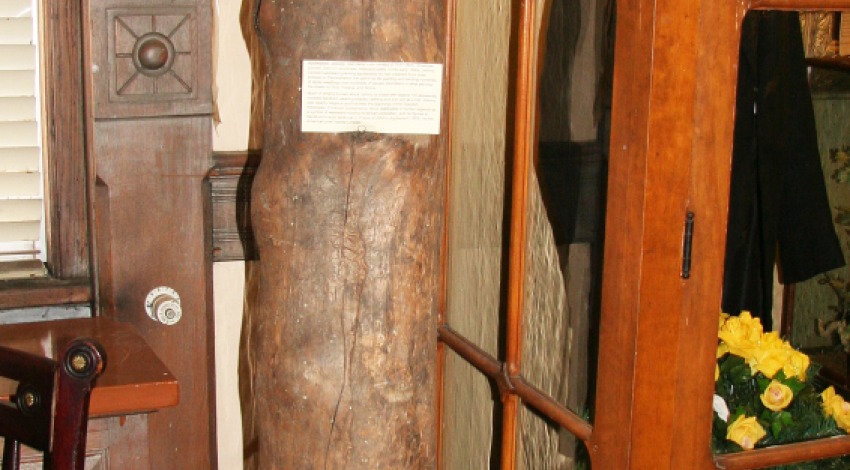
Standing in a dusty corner of the eclectic Memorial Museum in Mansfield is part of a tree trunk, dark with age, measuring about 8 feet long and a foot wide.
Chapman had always been drawn to the woods and wilderness, intrigued by Native people, wildlife, and the many medicinal plants the vast forests provided. A kind, gentle, religious man, he was also a born storyteller. And he respected all animals, both domestic and wild — he was never known to have carried a weapon. Historian Henry Howe, who traveled Ohio during the early 19th century, while Johnny was still alive, even related this story:
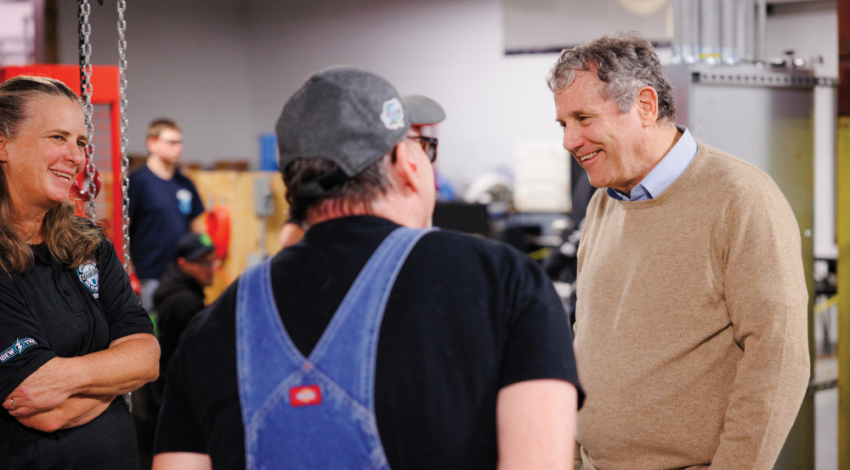
Ohio’s rural communities are shaped by wide open spaces and deep local ties, by multi-generational farms and innovative small businesses. They’re connected both by a common desire to succeed and by the services and infrastructure that keep daily life moving.
Governor
Two candidates who have never held elected office face off for governor, as Republican Vivek Ramaswamy takes on Democrat Amy Acton.
OHIO COOPERATIVE LIVING: What will be the issues of highest priority for your administration?
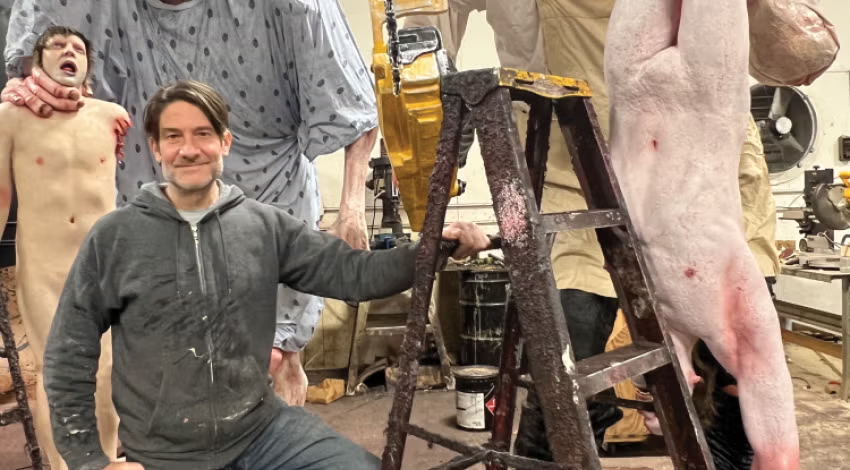
At an otherwise nondescript warehouse on Columbus’ east side, monsters gather. A trio of skeletal pirates shares a bottle of rum. A cluster of men in lab coats, the flesh melting off their faces, conspire in a corner. Frankenstein’s monster stalks amid gutted corpses.
Bruns traces his fascination with the fantastical back to his 1970s childhood in front of the television, watching Leonard Nimoy host In Search Of..., the classic mystery documentary series that explored everything from UFOs to sea monsters. When he saw the original Star Wars — particularly the cantina scene, packed with alien faces unlike anything he’d ever seen — he was hooked.
“That ignited a fire in me,” Bruns says. “I’ve always had an interest in cryptids, UFOs, any kind of unexplained things. I guess it lends itself to this art form.”

The chill in the air every fall signals the end of harvest season, but enjoying your homegrown bounty doesn’t have to stop when the weather changes. There are lots of different ways to preserve all that produce so you can enjoy your garden goodies all the way through the end of the year and turn your cornucopia of crops into delightful dishes for the holidays.
Dry storage
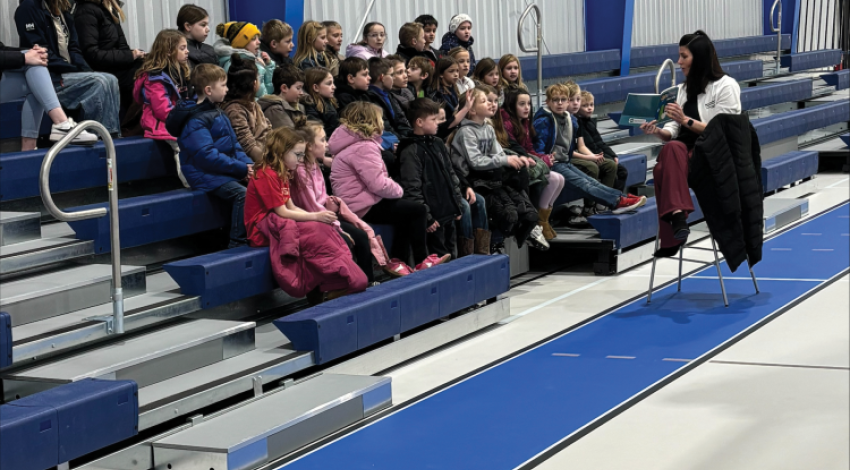
They may not pay electric bills or vote in trustee elections, but even the youngest members are important to electric cooperatives.
Greenville-based Darke Rural Electric Cooperative, for example, has an outreach program for first- through third-graders in local schools. “Safety around electricity is so important,” says Jen Davenport, director of communications and member relations at Darke Electric. “How do we reach everyone with that message? One way is to start early, with the kids, because they’ll always remember those lessons.”
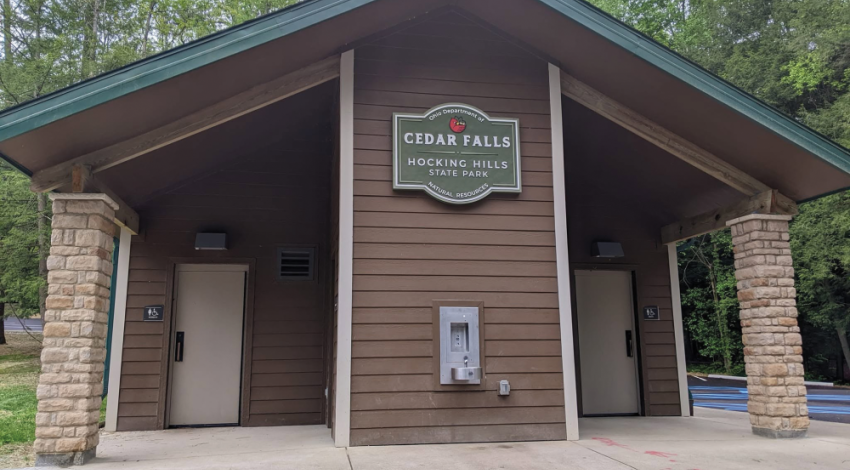
On any given day, Mary Mertz, director of the Ohio Department of Natural Resources, may be called upon to consider issues involving wildlife, campground capacity, hiking trails, or the health of Ohio’s forests.
Ohio State Parks earned the National Gold Medal Award for Excellence in Park and Recreation Management in 2025 — essentially the top honor a park system can earn — but Mertz knows there’s always room for improvement, and she says restroom facilities are low-hanging fruit.
“We want people to want to be in the outdoors,” Mertz says. “Fifty years ago [when many of the facilities were built], people’s expectations were different. Today, people have come to expect a higher level of accommodation.”

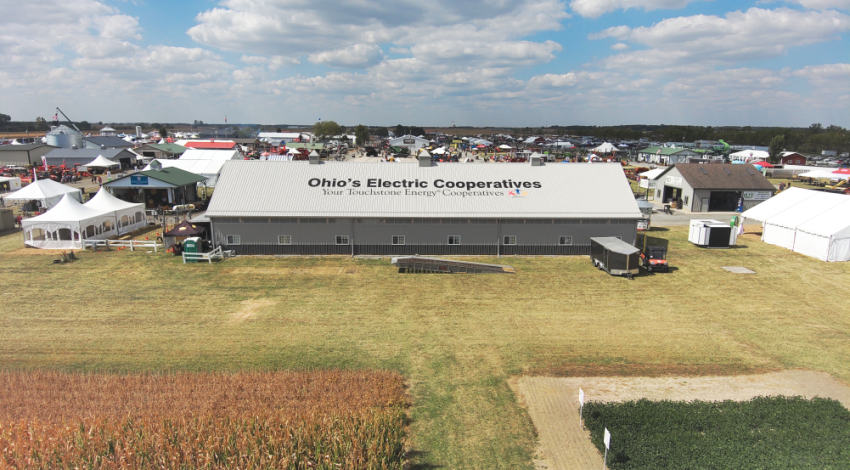
Farm Science Review isn’t just for farmers. Sure, the annual event offers hundreds of demonstration plots, millions of dollars of new farming equipment, and emerging tools and technology geared to professionals.
Farmers are the backbone of many electric cooperatives, and Ohio’s electric cooperatives are proud to play a role each year at Farm Science Review. Looming large on Wheat Street, the co-ops’ building showcases energy efficiency, cooperative information, youth programs, and fan-favorite free popcorn. Inside the building, cooperative energy advisors are available to answer questions about saving energy, and visitors can test their knowledge to win prizes. Outside, lineworkers perform periodic live-line safety demonstrations, conveying potentially life-saving tips.