Even with more than 11 million people living within its borders — some 282 folks per square mile — our state is still known nationally for its excellent sport hunting and fishing opportunities, particularly for wild turkeys, Lake Erie walleyes, and white-tailed deer.
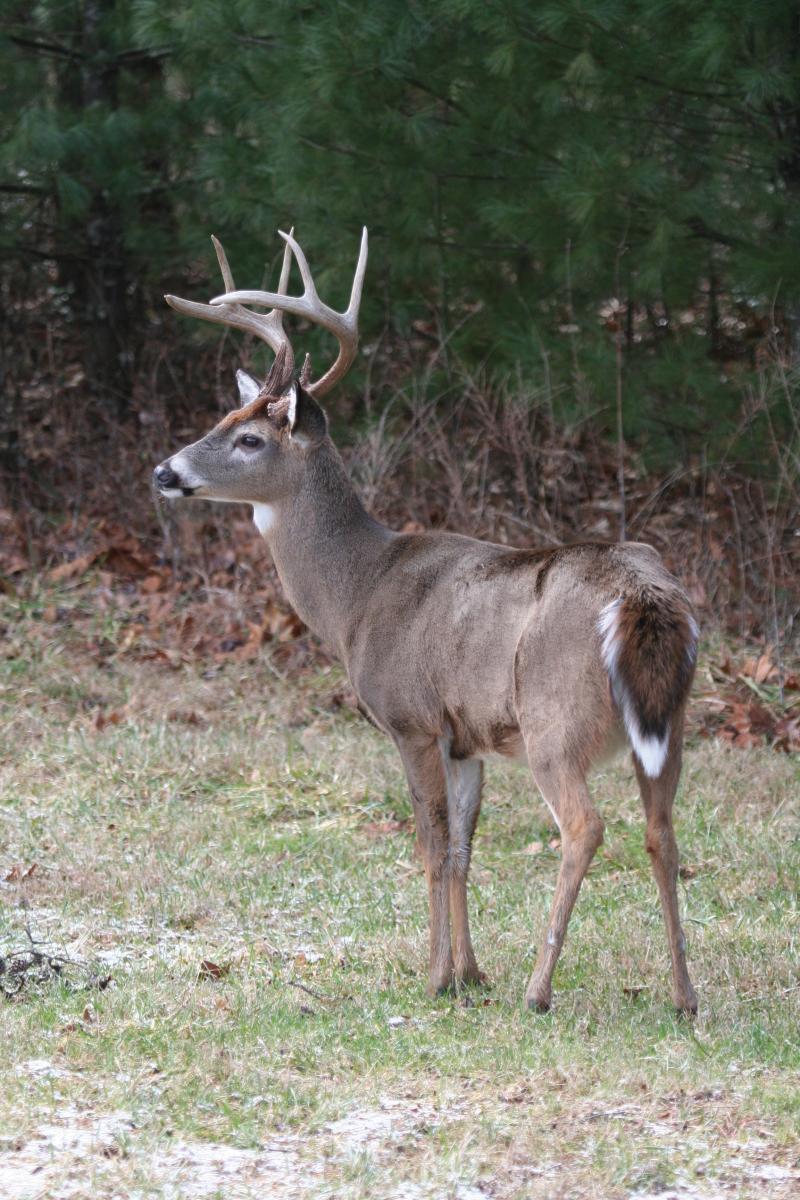
What makes that more impressive is that both turkeys and deer were once extirpated from the Buckeye State; both were completely gone by 1904. Today, however, those two species are back. Huge kudos are due the Ohio Department of Natural Resources, Division of Wildlife, for restoring healthy, huntable populations of those two game animals during the 20th century.
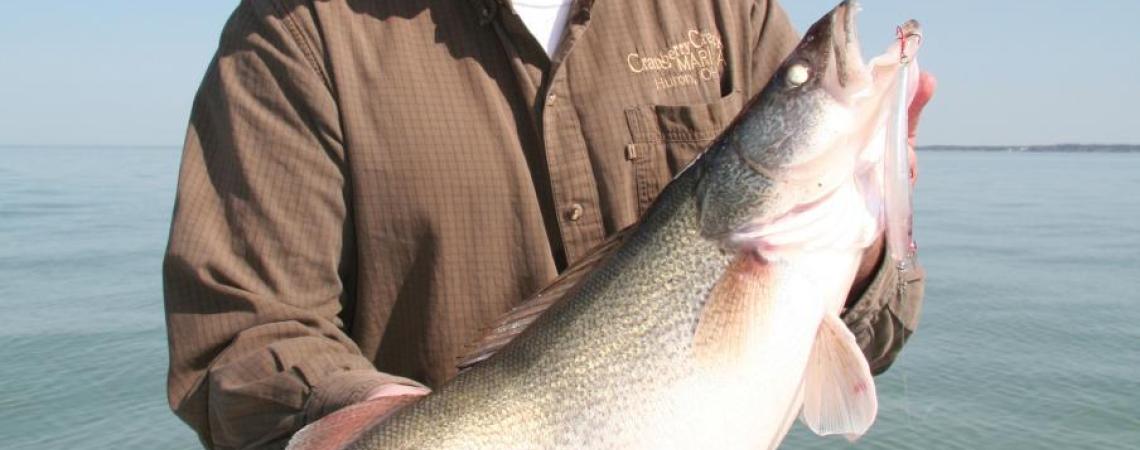
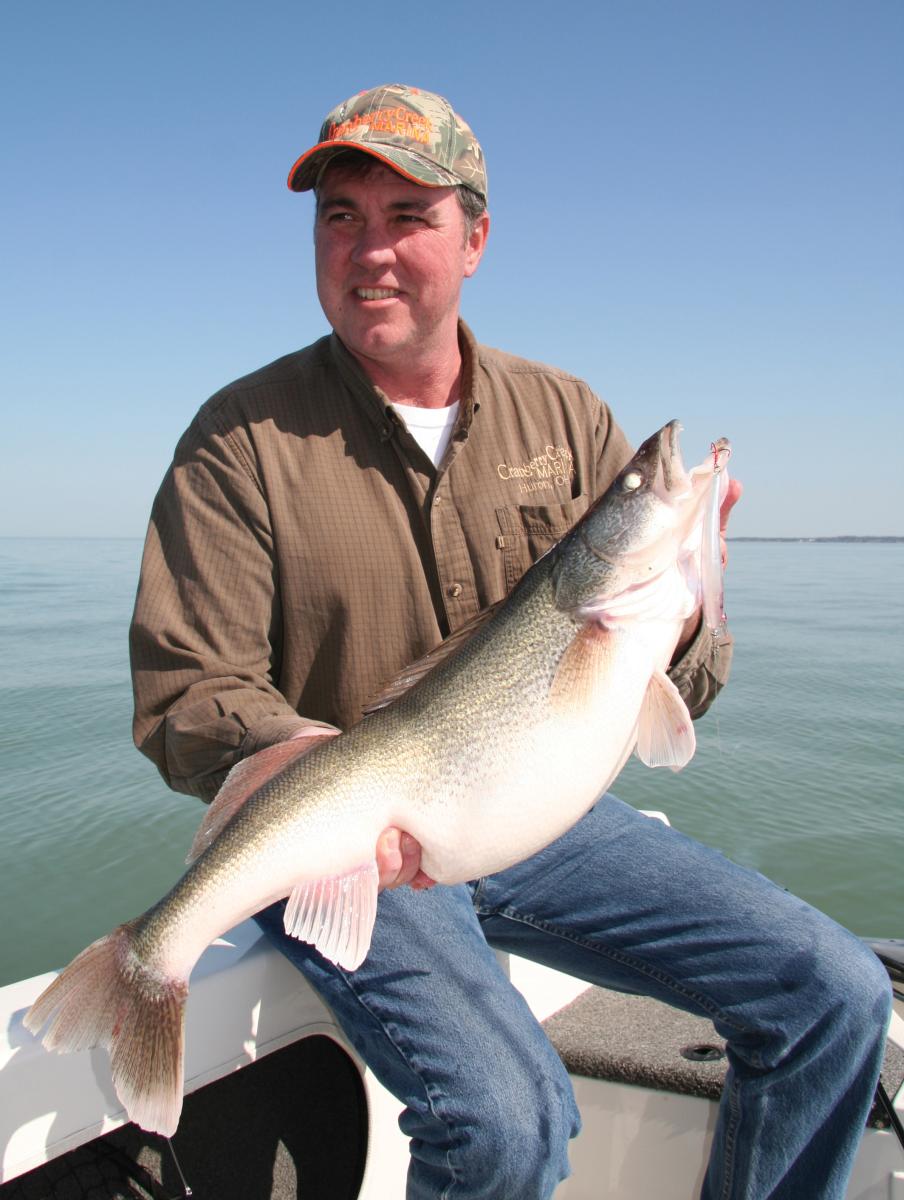
A female walleye will lay 50,000 to 60,000 eggs each spring for every 2.2 pounds of her body weight. Anywhere from 5% to 20% will hatch, and only about one of every 10,000 fry will survive long enough to reach adulthood.
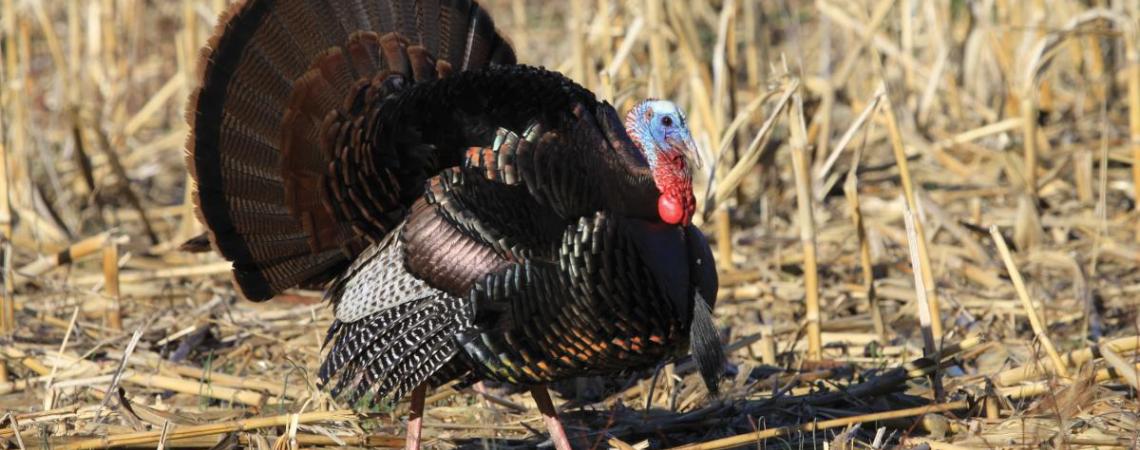
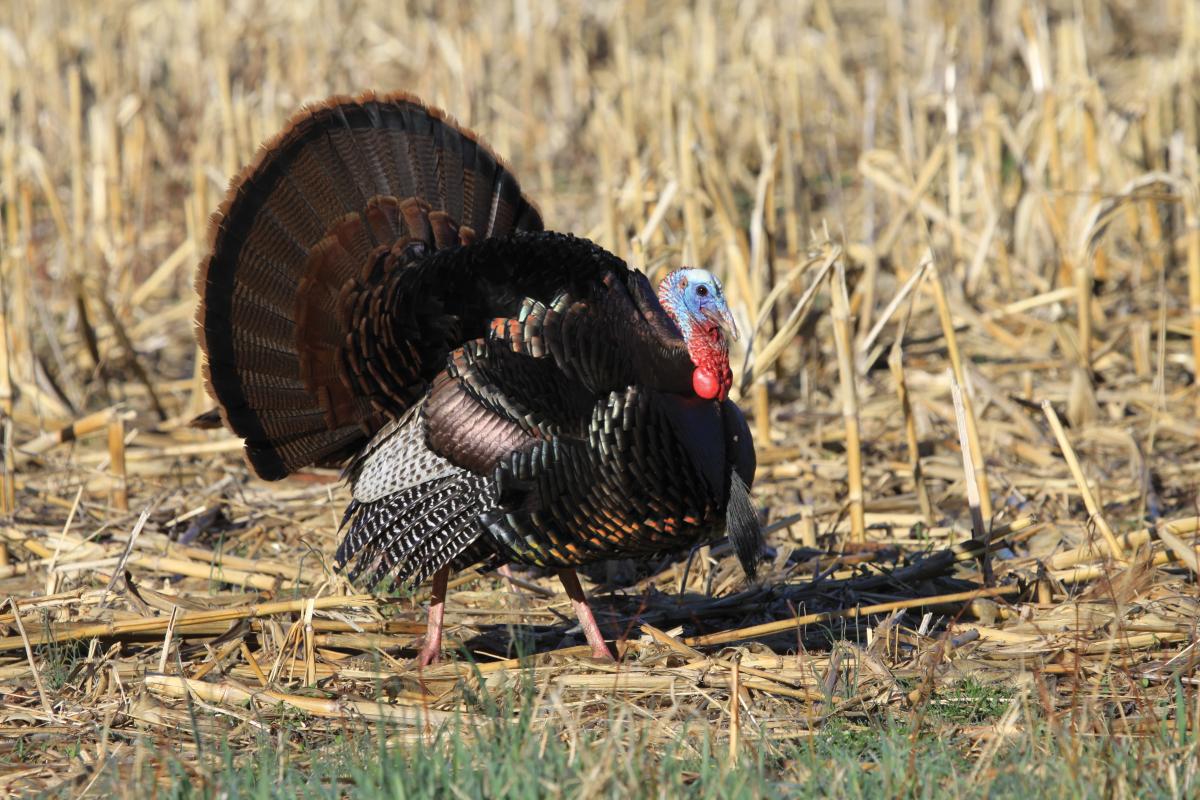
Just as amazing, however, are the staggering odds that individual wild animals face to survive to adulthood in our modern environment. Take the wild turkey, for example. Joe Hutto, author of the 1995 book Illumination in the Flatwoods (which was made into a PBS TV special, My Life as a Turkey), put it this way:
“The odds of a wild turkey reaching maturity are small. Approximately 50 percent of all nests are destroyed or abandoned. Among the surviving nests, some eggs will be infertile. Of the young turkeys who hatch, 70% will not last two weeks. The attrition rate of wild turkeys who have survived into maturity can be 70% per year. When I see an adult wild turkey now in his natural habitat, I have a new appreciation for the sheer phenomenon of his existence. It is very difficult to become a wild turkey.”
As long as those odds may be, however, walleyes have it worse. In general, a female will lay 50,000 to 60,000 eggs each spring for every 2.2 pounds of her body weight. Anywhere from 5% to 20% will hatch, and only about one of every 10,000 fry will survive long enough to reach adulthood.
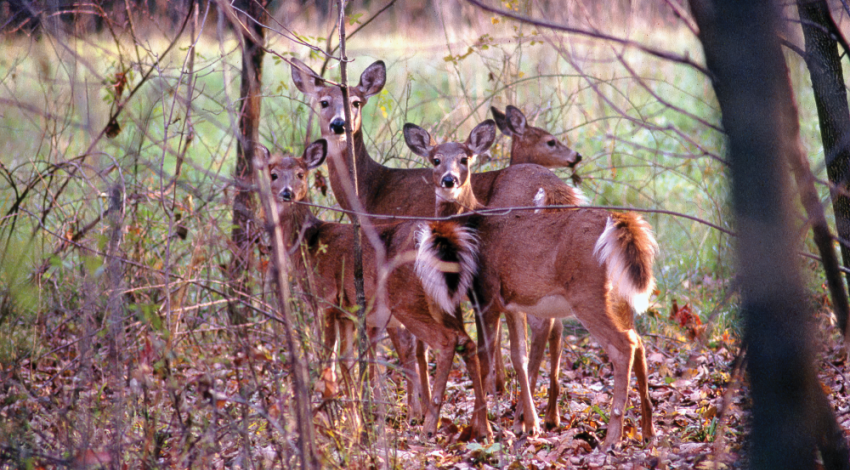
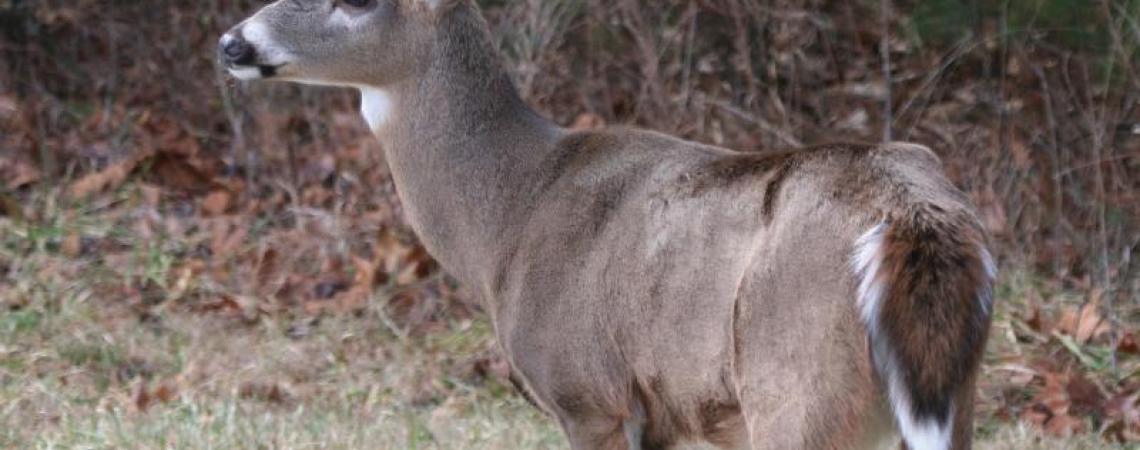
Though still certainly not a given, you have a much better chance to reach adulthood if you’re born a white-tailed deer. According to Clint McCoy, a white-tailed deer biologist with the Ohio Division of Wildlife, the last time that agency conducted a deer fawn survival study was in the early 2000s in the southeast section of the Buckeye State.
“Over a period of three years, 2001 to 2004, we captured, radio-collared, released, and monitored 81 fawns,” he says. “As you might imagine, the most vulnerable time for fawns was soon after birth, as about 20% to 25% died within the first 30 days of life. After that, the fawns were relatively safe through summer. About 65% to 75% of fawns survived until the various deer hunting seasons began opening in the fall.”
The annual fawn survival rate — those deer living to 1 year of age — varied during the three years of the study, with an average estimate of 58 percent survival in 2001 and 45 percent in 2002 and 2003. McCoy says those Ohio rates are similar to what studies in other Midwestern states have found. The survey counted deaths from natural causes (starvation, abandonment, disease), coyote and dog predation, vehicle collisions, legal hunting harvest, unretrieved hunter kills, and unknown mortality.
So, if you’re a licensed Ohio hunter or angler — we know there are about 1.2 million of you out there — what does all of this mean? If you’re fortunate enough to take a turkey this spring, waylay a walleye this summer, or down a deer this fall, make sure to appreciate the fact that you possess a true trophy, regardless of its size, in more ways than one.
W.H. “Chip” Gross is Ohio Cooperative Living’s outdoors editor. Email him with your outdoors questions at whchipgross@gmail.com. Be sure to include “Ask Chip” in the subject of the email. Your question may be answered on www.ohiocoopliving.com!