On a beautiful spring morning a few years ago, Randy Evans, director of Three Valley Conservation Trust in Oxford, was walking through a wooded area with the owner of the property, admiring the stunning array of wildflowers in bloom.
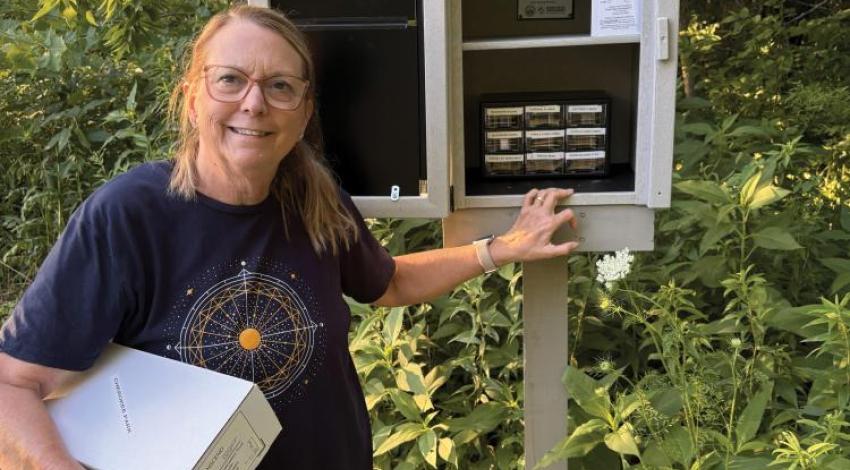
Evans thought of all the Little Free Libraries that were springing up at the time, offering books for anyone to take, and thought that maybe a similar program might encourage more people to plant wildflowers. It was a project, he figured, that would fit right in with 3VCT’s mission.
Three Valley Conservation Trust is a nonprofit group that promotes conservation measures in Butler, Preble, and Montgomery Counties. Its 250 members mainly work to secure land conservation easements and raise awareness of the importance of protecting natural habitats and resources.

When severe winter weather recently swept across Ohio and much of the eastern United States, it put significant strain on the electric grid. As temperatures dropped, electricity demand surged and fuel systems tightened. It was a challenging period that once again showed what truly matters during extreme cold: a reliable, diverse power supply that performs under pressure.
With the exception of humans, likely no other species on earth can control its environment like the beaver. They do so, of course, by building dams — creating habitat not only for themselves but for other wetland wildlife species as well.
The rodents are so large (weighing up to 60 pounds) and unrelentingly industrious (“busy as a beaver,” of course), sometimes it may seem their secret motto is “Dam the Humans!”
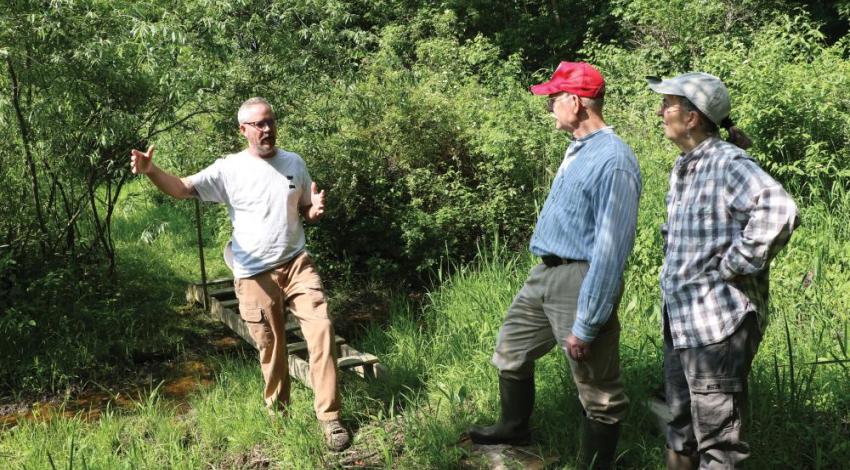
Until recently, the main solution to beaver issues has been to do away with the beaver; eliminate the beaver and you eliminate the problem, or so goes the theory. But that kind of thinking is slowly beginning to change. Many rural landowners enjoy having beavers on their property, along with other wildlife their ponds attract — as long as the beavers and their dams can be kept under control.
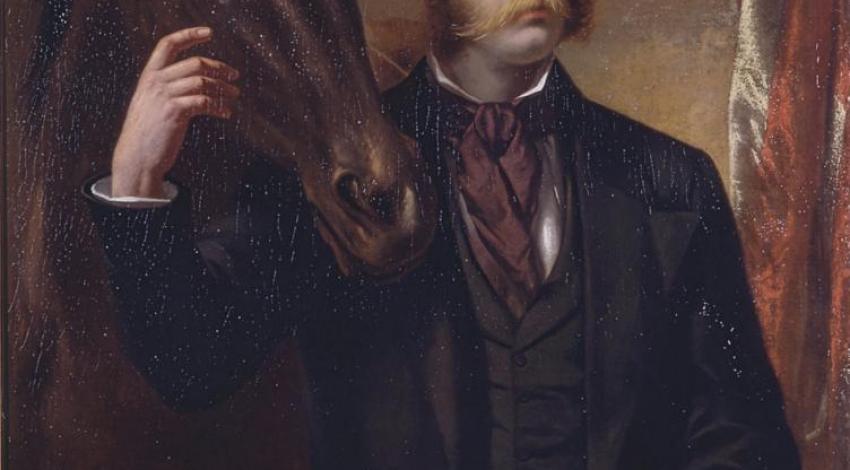
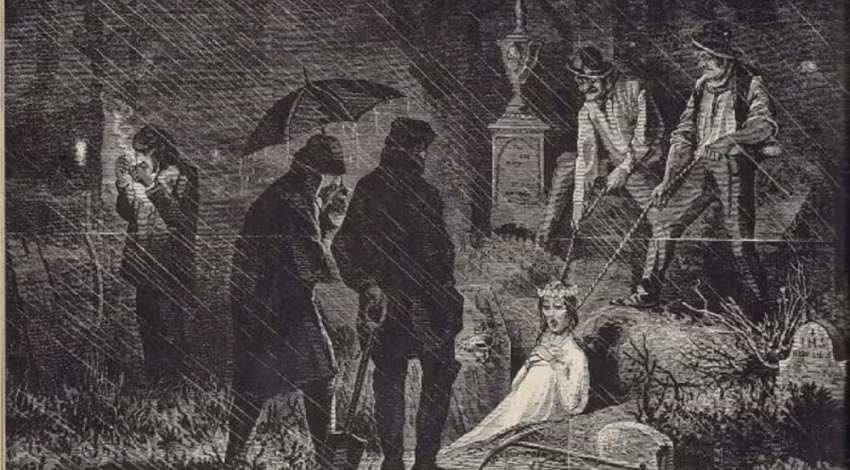
The name of John Solomon Rarey is known to most folks in the small Franklin County town of Groveport; there’s a statue of him at the community’s recreation center, after all, and his brother William was one of the original founders of the village (which at the time was called Rarey’s Port).
Rarey cemented his international reputation as one of the greatest horse trainers the world has ever known when he won a bet with England’s Earl of Dorchester in 1852. The earl, it so happened, owned a horse named Cruiser, reported to be the fastest in England. But Cruiser also was vicious — a living fury who kicked two grooms to death, and who, as if in a rage, snapped an inch-thick iron bar with his teeth as numerous witnesses watched. He was considered too dangerous to race.

When people consider renewable energy sources, many people tend to look up. Solar power, after all, is a common choice for someone looking to go green or potentially save money on electricity.
“People choose geothermal for the environmental benefits and to save money,” says Tim Litton, director of marketing for WaterFurnace, an Indiana-based geothermal system manufacturer. “Geothermal is twice as efficient as any traditional heat pump, which means people can save more money on heating and cooling.
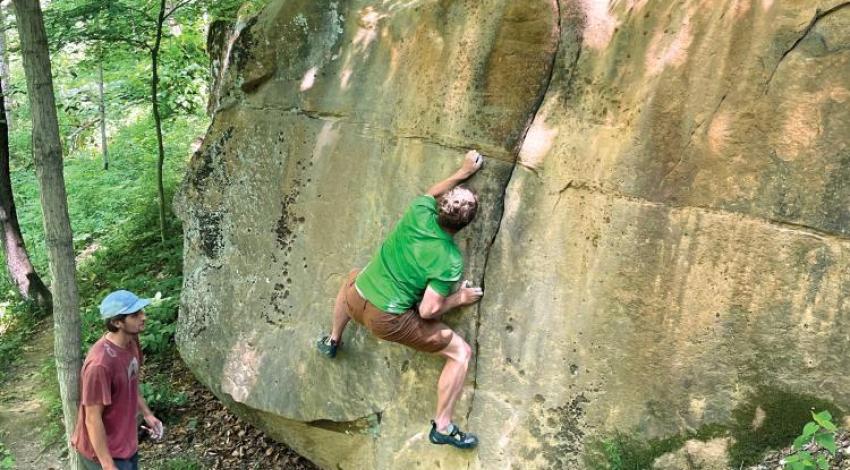
Ted Welser, a professor in the Department of Sociology and Anthropology at Ohio University, focuses his academic research on “the intersection of digital social systems, organizations, and social change.”
“Climbing combines physical activity — a sportlike activity — with a meaningful cultural experience,” he says. “It’s a reason to travel and experience new places. I’ve spent hundreds of days climbing in Ohio, Kentucky, West Virginia, and Alabama, traveling to places that are remote. I’ve enjoyed meeting people there who are climbers and not climbers.”
Shortly after he earned his PhD in sociology from the University of Washington, he and his wife, Laura Black, moved to Athens with their two kids to be professors at OU.

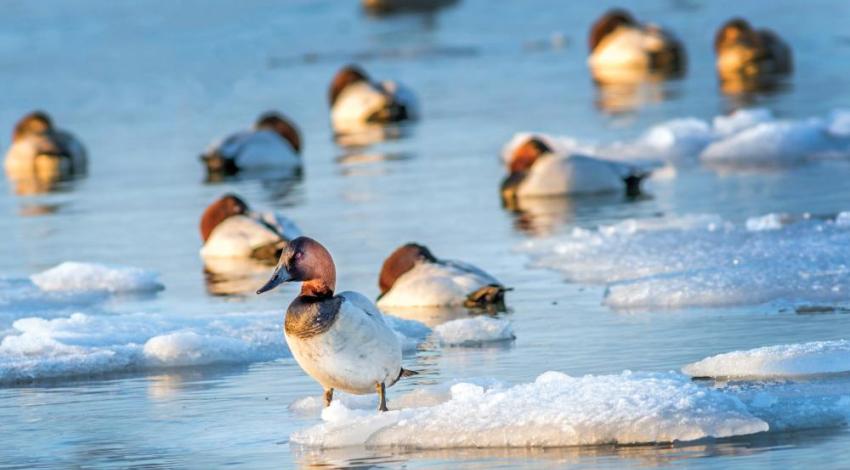
Decades ago, when I was a much younger man, I was a serious waterfowl hunter.
Large, handsome, fast-flying birds, canvasbacks were not exactly numerous during those years, but they were plentiful enough to be considered fair game. No matter how hard we hunted, however, we never bagged a single one.
I retired from duck hunting and sold the boat decades ago, but in truth, I never totally lost the desire to bag a “bull can,” as hunters call the male (or drake) canvasback. Recently, I realized that I’m not getting any younger, and I decided that if I’m ever going to do it, I should probably do it soon. And I knew exactly where to begin my “hunt.”