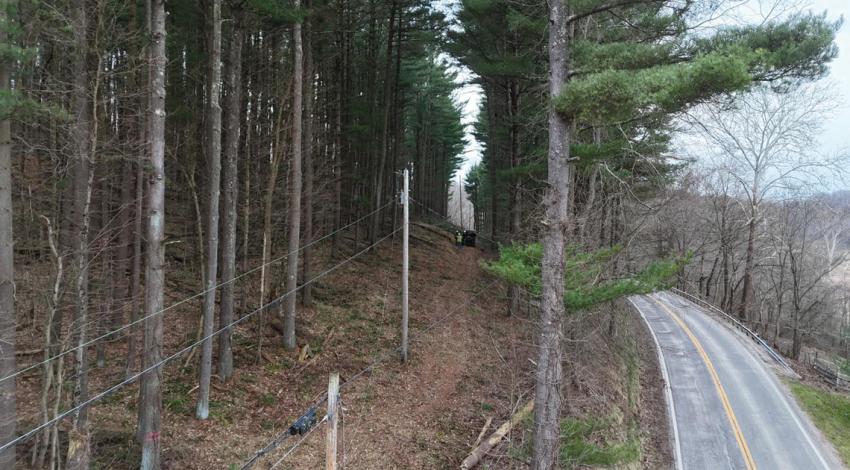
The violent windstorm that swept across Ohio and much of the rest of the Midwest on March 13 was a powerful reminder about how quickly the weather can change — and how much we all depend on electricity in our daily lives.
Gusts were strong enough to bring down trees, snap utility poles, peel shingles, and unceremoniously toss around just about anything that wasn’t tied down. In other words, it was the kind of weather that makes folks worry about whether or not their lights will stay on.

Steve Pollick, the former outdoors editor for The (Toledo) Blade, even after decades of international adventures and more awards than he can count, remains one of the most humble, unassuming, approachable, and genuinely friendly people anyone could ever meet.
Born in Cleveland and raised in Fremont, Pollick displayed early interests in both the outdoors and writing. He soon discovered, through his high school English teachers, that he had an innate ability to break down complex concepts and make them easy for people to understand.
He graduated from the University of Toledo and earned a master’s from Ohio State, then went to work as a general assignment reporter for The Blade. His editors noticed his well-researched, accurate stories, and offered him the coveted position of outdoors editor. He jumped at it.

When hikers on a specific path in Ohio — whether tackling miles on a through-hike or heading out for a shorter day trip — enter town, there’s a chance they’ll spot a simple sign: Buckeye Trail Town.
The Trail Town program, launched by the Buckeye Trail Association in 2012, has grown steadily to include communities across the state that can be accessed from the trail. The program is designed to support hikers, but the benefits run both ways. As interest in the Buckeye Trail continues to grow, with thousands of followers tracking and sharing their journeys, these towns are becoming destinations in their own right, drawing visitors who might not have otherwise found their way there.
Appropriately, spring’s swift, early arrival in Ohio this year came on a Friday the 13th. A fast‑moving low‑pressure system tore across the state this past March, unleashing widespread damaging winds.
11:52 a.m., March 13: Trouble begins
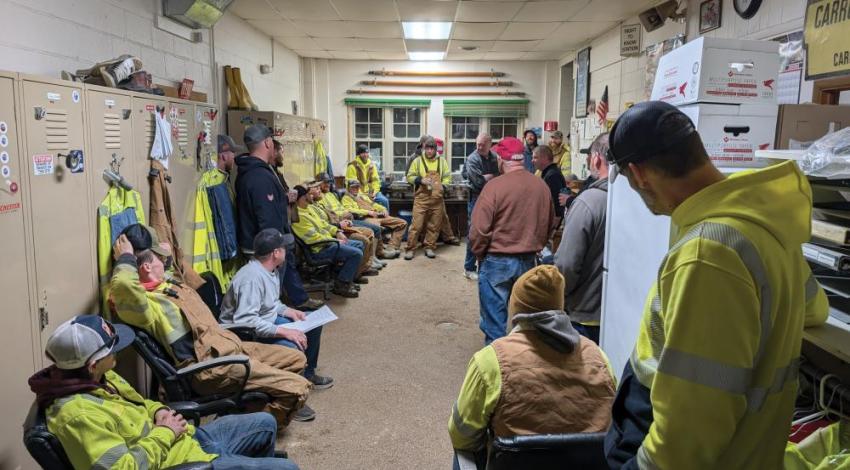
In Millersburg, in eastern Ohio, reports of outages started coming in to Holmes‑Wayne Electric Cooperative around noon. “The numbers escalated quickly through the afternoon,” says Robyn Tate, the co-op’s vice president and chief administrative officer, noting that the hardest-hit areas were also the most rural. Large trees came down and numerous poles snapped under their weight.
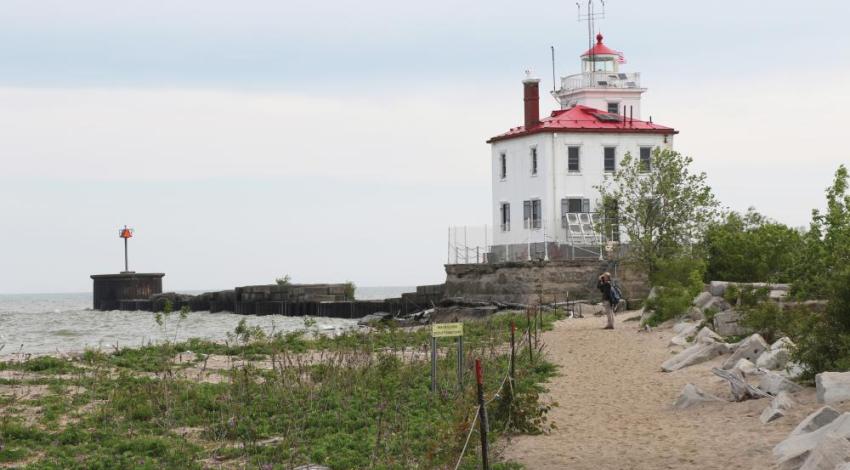
In the small Lake Erie waterfront town of Fairport Harbor, east of Cleveland, Sheila Consaul is a celebrity of sorts.
Consaul, a communications consultant, has painstakingly turned the lighthouse into her summer dream home in those 15 years since she ponied up $71,010 for it at a U.S. General Services Administration federal auction. She lives and works there from May to October, then returns to her winter home in Virginia for the remainder of the year. The following photos are a peek inside the historic light, which celebrated its 100th anniversary in 2025.

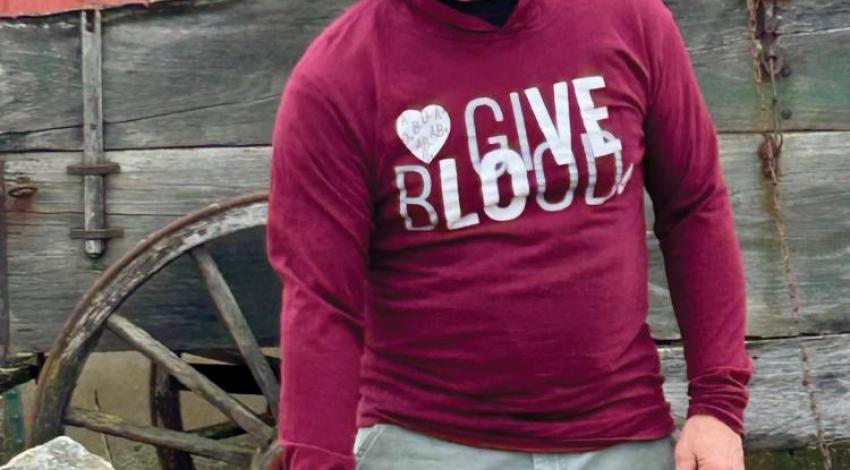
Roger Bender doesn’t think much about the number. From his farm outside Fort Loramie, where he’s a member of Piqua-based Pioneer Electric Cooperative, he’s been showing up to blood drives for more than 50 years. A pint here.
Bender keeps his favorites; they’re a regular part of his wardrobe. But he also gives them away: to neighbors who can’t donate anymore, to friends, to anyone who might wear one out into the world and make someone else think twice about passing by the next blood drive.
He doesn’t give blood for the shirts. He does it for what happens inside St. Michael Hall, the recurring home to Fort Loramie’s drives.