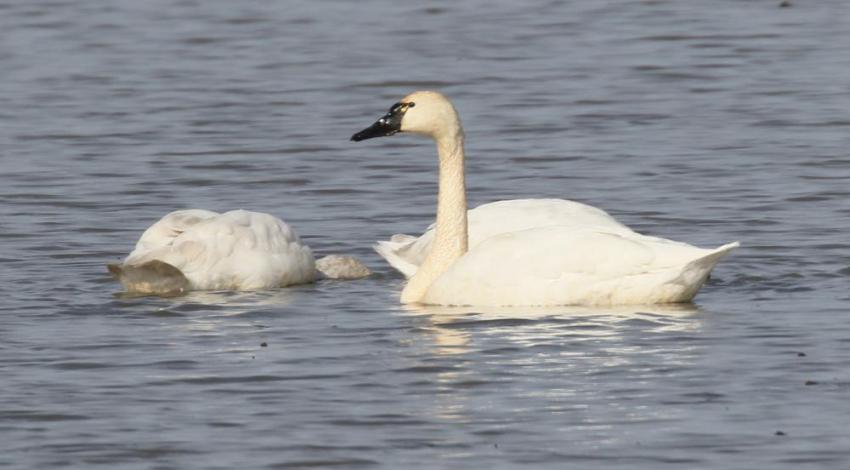
There are three categories of waterfowl that frequent the Buckeye State: ducks, geese, and swans. Swans are by far the largest of them — weighing 20 pounds or more, with wingspans measuring nearly 8 feet.
Tundra swan (the good)
The tundra swan is Ohio’s only native swan. Large flocks of them migrate through the state late in February and March on their way north to nest in the High Arctic, then come back with their young cygnets the following November and December, especially along the shores of Lake Erie. If you have an older bird ID book, the tundra swan may be identified as a “whistling swan.”

Happy New Year! It’s hard to believe that a full year has passed since I began writing these messages as CEO of our statewide association of electric cooperatives. 2025 was a fulfilling year, filled with both highlights and challenges, and I’ve been grateful for the opportunity to share my thoughts and to reflect on our progress.
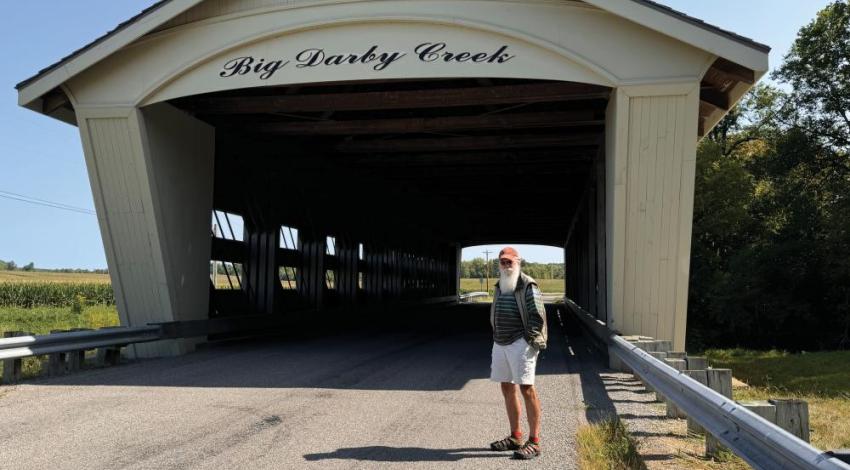
Steve Stolte was a civil engineering student at Ohio State University when the Silver Bridge, which connected Gallipolis to Point Pleasant, West Virgina, on busy U.S. Route 35, collapsed into the Ohio River.
After the collapse, Ohio began to require that all bridges in the state be inspected once each year. Seeing an opportunity to both make some money and potentially save some lives, Stolte and some of his college friends started up a new business.
They attended classes during the week, but on weekends they traveled into rural counties throughout the state to perform those mandated bridge inspections.
“We learned quickly to drive across each bridge prior to doing our inspection, because we often didn’t want to drive across after seeing the condition they were in,” he says.
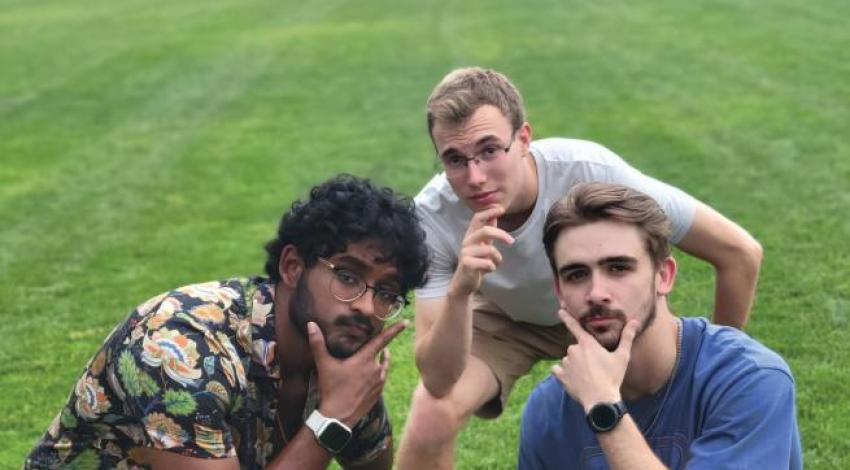
Kyle Hicks, the new senior government affairs analyst at Ohio State University’s College of Food, Agricultural, and Environmental Sciences, hadn’t always planned to pursue a career in public policy — he wanted to be a teacher.
Hicks decided to apply to take the trip after hearing about the experiences his mom and sister had when they went on Youth Tour in 1994 and 2017, respectively. South Central Power selected him as one of its delegates as he was finishing his junior year at Amanda-Clearcreek High School, and that summer, he boarded a D.C.-bound bus with 30 other Ohio students who had been sponsored by their own co-ops.
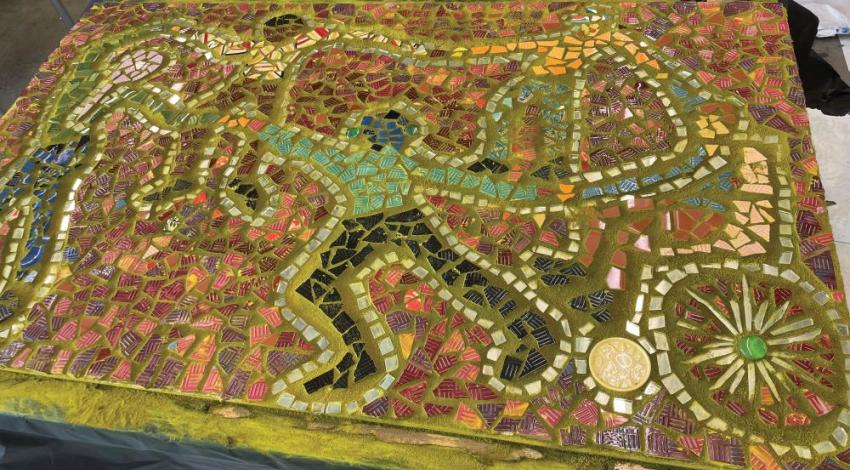
What do a church, a brewery, and an elementary school have in common? Each is home to art installations created by the Artifactory, a partnership between two Delaware County artists who work with those groups to create intricate mosaic pieces from recycled materials.
Now she and Corwin teach groups in central Ohio and beyond to create those free-form mosaics that are then installed as permanent works of art.
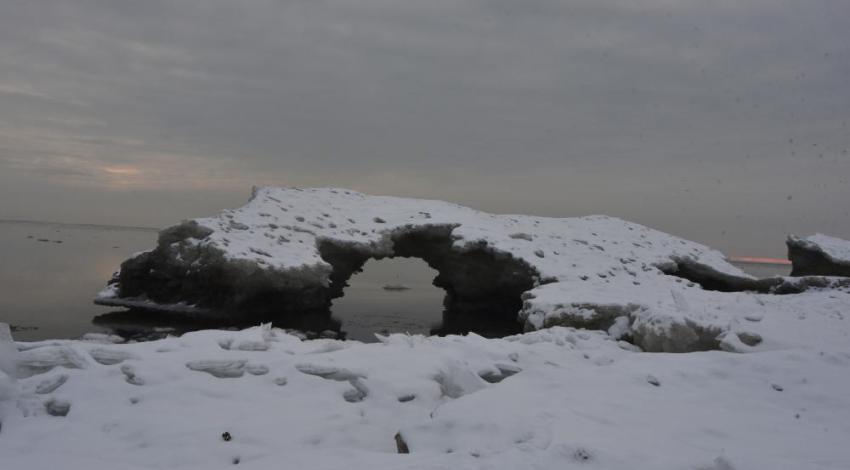
If it's January in Ohio, we can count on ice — lots of it, everywhere. From the treacherous and violent to the tiny and delicate, our intrepid ice-chaser set out to capture these scenes of wintry wonder
Photographer James Proffitt warns that some of the images that went into this essay were taken in what he describes as NSFW conditions — Not Safe for Wading. Following are some of the musings from his vast wanderings in 2024 and 25 while collecting his images.
We love it and we hate it. It cools food and drinks, we skate on it, fish on it. We slip and fall on it, crash our cars on it and it destroys roads and sometimes things around the house. It can be treacherous, unforgiving, and beautiful: Ice.
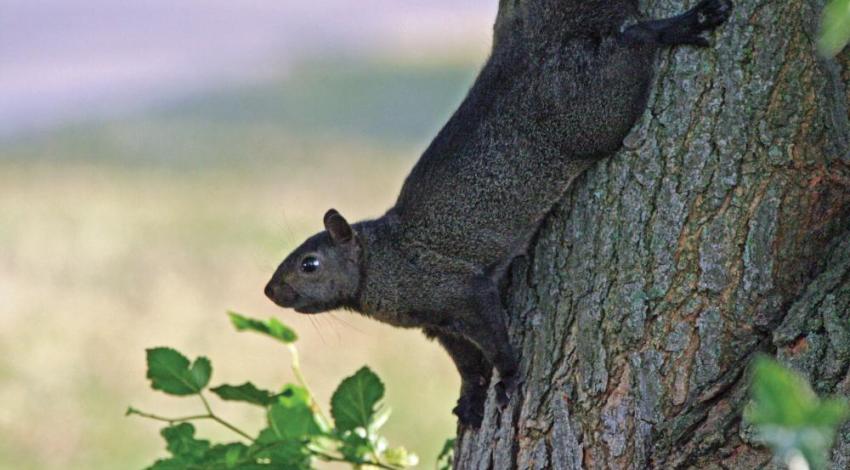
Gray squirrels are the bane of those of us who attempt to keep backyard bird feeders filled with birdseed. In large cities, small towns, and even rural areas across the Buckeye State, these arboreal aerialists seem to defy gravity in getting to places we don’t want them to be.
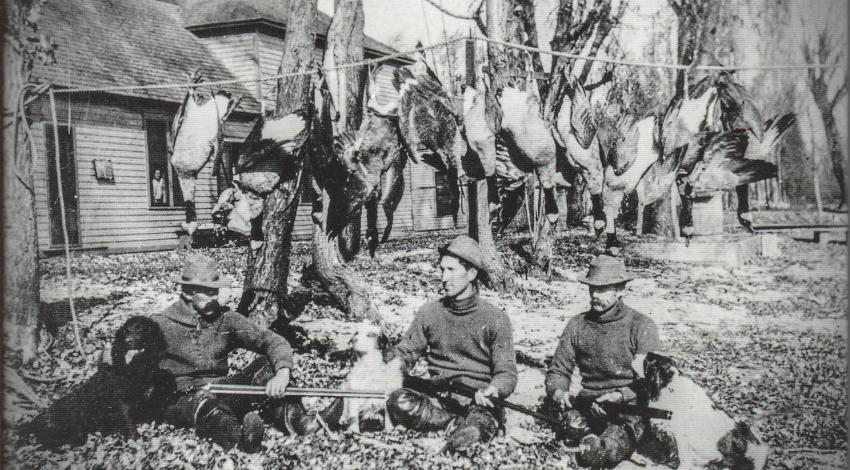
For instance, a very early Columbus resident and hunter shot 67 gray squirrels in one day from just one tree in the middle of a cornfield on what today is the Statehouse lawn.


If you know someone who’s really ready to raise their birding game in 2026 (even if that someone is you), a spotting scope might be just the thing.
“We began as a small gift shop and watch-repair business in 1976,” says Hershberger, who owns the shop. “So next year will be our 50th year in business. We always had a few pairs of binoculars for sale, and I began birding when I was a teenager, so the optics side of the business grew out of that hobby. Today, we carry 18 brands of optics, with 200 to 300 pairs of binoculars on display, and 20 to 30 spotting scopes, as well as telescopes for stargazing.”