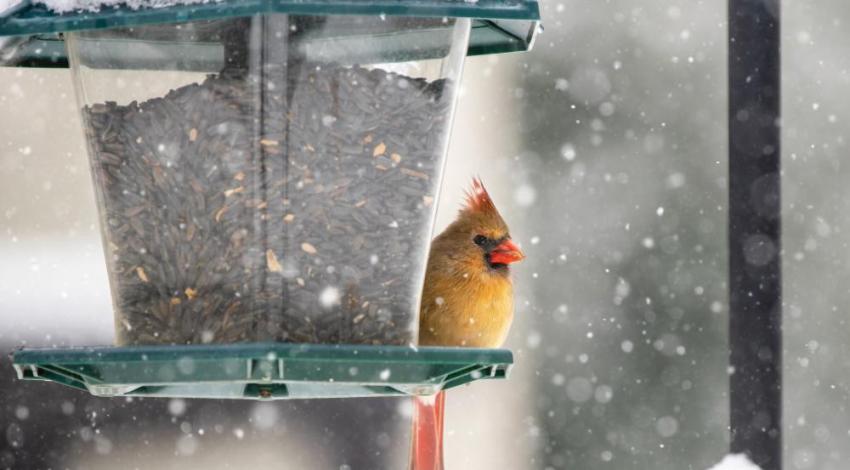
With its pointed crest and for its striking cardinal-red color alone, the northern cardinal is not only easy to notice, but also to remember and to appreciate. Lucky for us, it never leaves the home place.
The colorful northern cardinal lives over the entirety of Ohio, and that alone is reason enough for the state legislative assembly to name it the official state bird. There are other meritorious reasons that call forth warm approval and high regard.
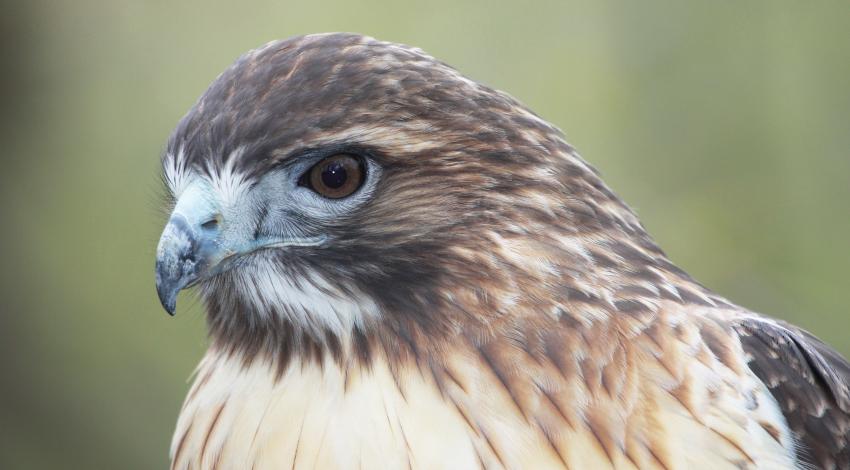
Late one September many years ago, I was visiting Pointe Mouillee State Game Area at the mouth of the Detroit River along the western shoreline of Lake Erie in late September when I looked skyward and saw the most stunning example of fall bird migration I have ever witnesse
The vivid image of that annual autumnal spectacle of migration remains in my mind’s eye yet today. But it has always made me stop and wonder: Why do some raptors migrate, while others don’t?

Got someone on your list who’s seemingly impossible to buy for?
Make shopping simple this season with our tally of treasures sure to be a treat for even the trickiest members of your tribe.
For those who need a getaway
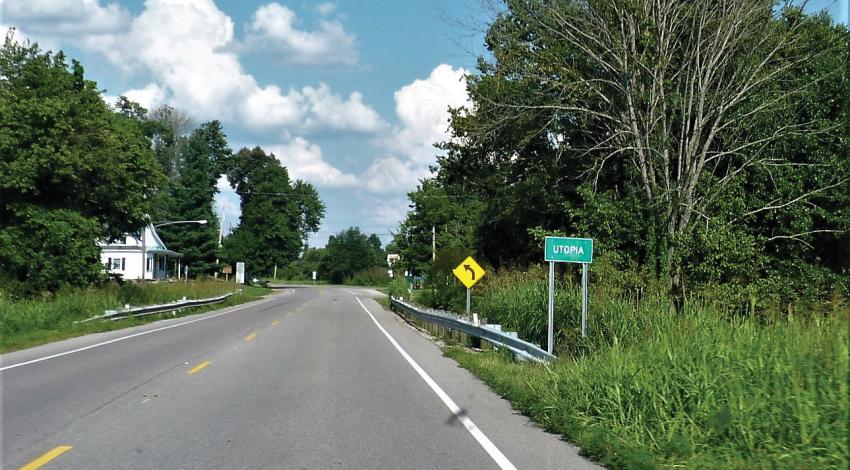
A stay in Utopia
An Airbnb gift card could translate into a stay in the luxurious Utopia cabin at Paradise Lake, a private lake near New Philadelphia in Amish country. Utopia promises a relaxing haven for nature lovers, with peaceful water views as well as opportunities for kayaking, fishing, or simply relaxing by the shore. Utopia boasts two bedrooms, a full kitchen, and a hot tub. Other Paradise Lake cabins sleep as many as 14 or as few as two. All are available year-round.

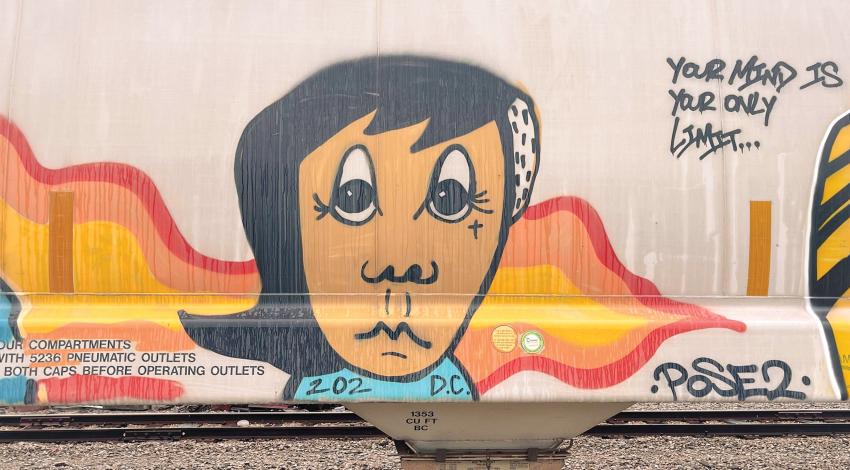
Editor’s note: Port Clinton-based photographer and writer James Proffitt traveled hundreds of miles between countless railroad crossings on Ohio’s highways and back ro
To be certain, spray-painting railcars is illegal and dangerous. Most graffiti is born near rail yards in larger cities, like the Queensgate yard in Cincinnati, where the cars are plentiful and often don’t move for long periods of time.

In an increasingly digital world, cybersecurity has become second nature to most of us. We lock our phones, use strong passwords, and enable two-factor authentication to protect our personal data. We’re alert for phishing attempts and digital scams that seek to exploit our trust or steal sensitive information. They’re practices that reflect a broader principle: securing what matters.
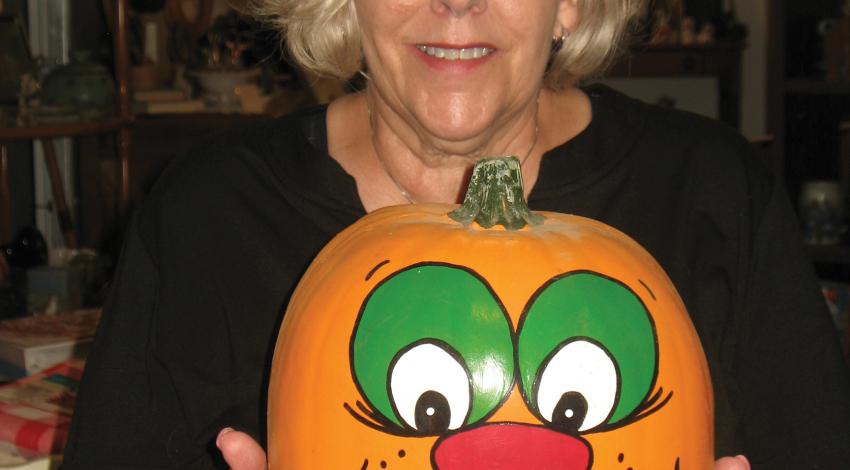
Along busy U.S. 33 in Mercer County, traffic often slows or even stops when drivers catch a glimpse of Karen Elshoff’s roadside stand.
After she read that story, she rounded up all the gourds and pumpkins she could get her hands on and painted them, just for fun. One year, she decided to take a load to a craft show in nearby Fort Recovery and, to her surprise and delight, she sold every single one.
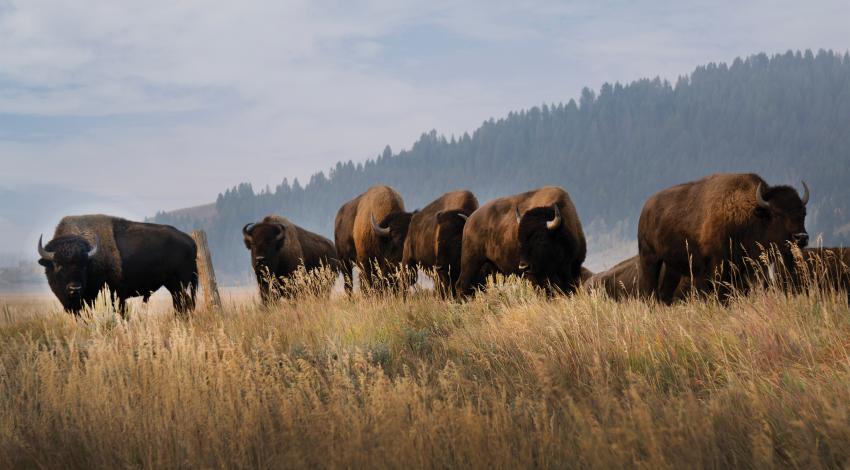
Before the 19th century, wild buffalo (bison) dominated the North American continent — with individual herds covering 400 square miles or more and taking days to ride through on horseback. It’s estimated the bison population was more than 60 million at its peak.
“Buffalo herds in the East were never huge, never teeming, never rivaling the truly vast herds that thundered across the Great Plains until the latter half of the 19th century,” Belue says. “Eastern buffalo herds often numbered 100 head or less, and droves of fewer than 20 were common.”
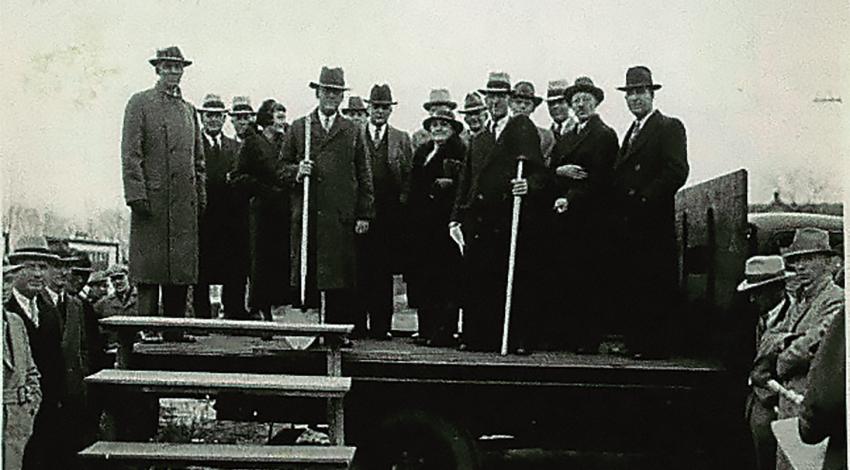
On November 14, 1935, nearly 500 people, including local, state, and national dignitaries, gathered in the shadow of the municipal light plant on the west bank of the Great Miami River in Piqua to watch as a wooden pole was set into the ground.
Joslin grew up in Sidney, and moved to Wyoming after high school to be a sheep rancher. After six years, he returned to Ohio to farm, and in 1917, he helped found the Shelby County Farm Bureau, laying the foundation for cooperative action. Reserved but determined, Joslin became known for his ability to earn trust and get results — he was well known for his mantra, “Let’s get it done” — and in 1935 he was the county farm bureau’s president.
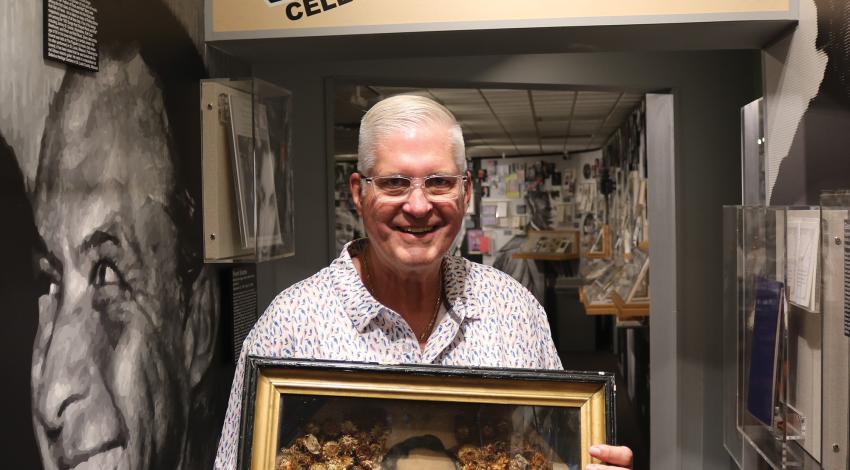
John Herzig was quite pleased with the latest addition to his ever-so-slightly notorious collection.
Higgins later gained fame as the movie mutt, “Benji,” and to Herzig, Inn’s story of a lifetime of rescuing dogs from euthanasia and boarding them until he could find them homes is one that deserves to be remembered. “He supported at least 2,000 animals,” Herzig says. When Higgins eventually died after a long and fulfilling life, Inn gave her funeral, and Herzig has the program.