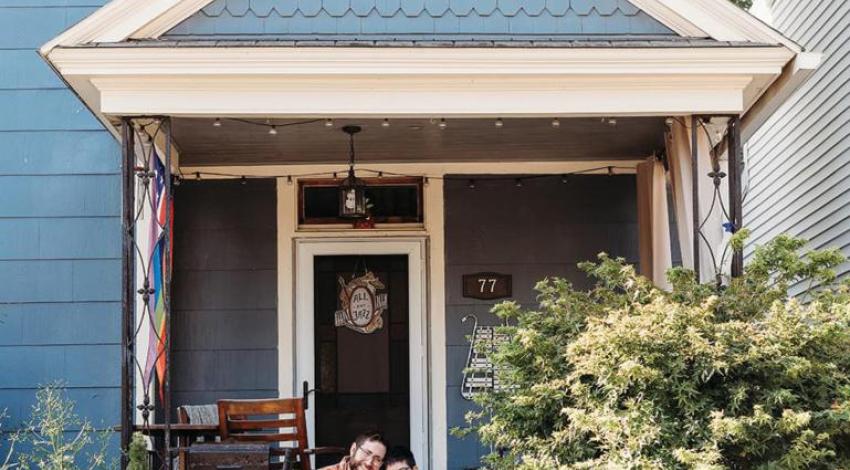
They start showing up on West Lincoln Avenue in Delaware — folding chairs, blankets, and snacks in tow — around dinnertime on Fridays during the summer, setting up on both sides of the street near No.
“I was so frustrated that I couldn’t play,” he says. So he started calling up a few musician friends and they did some socially distanced sets in his backyard for a few neighbors who would “sit and be kind,” he says. Soon enough, the neighbors encouraged them to move the show to the front yard.
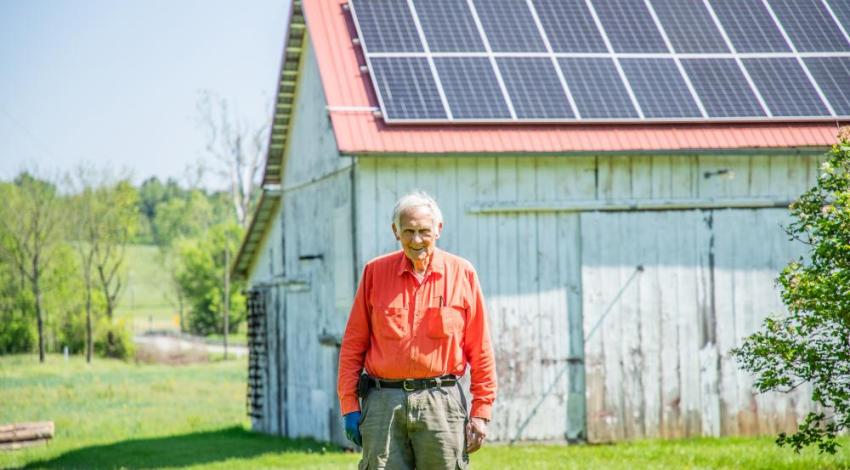
“Sunshine is free.” Solar panel sales companies hammer the point over and over; they know it’s an idea that resonates with potential customers.
“The first company made it sound like we would have instant savings, that we would have no electric bill at all,” Kathryn says. “It sounded good to start with, but when we really started digging in, we realized maybe it wasn’t right for us.”
Before they pulled the trigger, the Reeds reached out to Kyle Hurles, an energy advisor at South Central Power. Hurles met with them to review their goals and go over the results they could realistically expect.
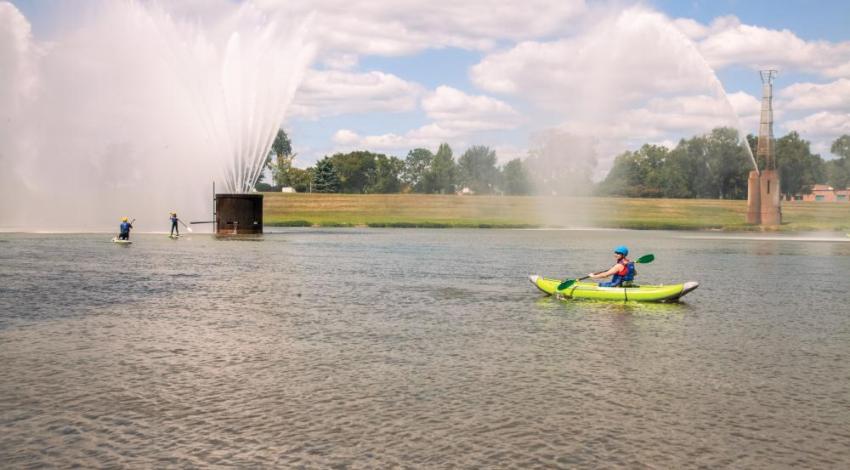
When we were young boys, my brother and I sometimes paddled a battered aluminum canoe on the Mohican River in north-central Ohio.
One of those streams is the Mohican, and today’s paddlers can view the Mohican River Water Trail at the ODNR website or download a brochure to find information about access points (including Greer Landing), picnic areas, and points of interest, as well as low-head dams and other hazards along the way.

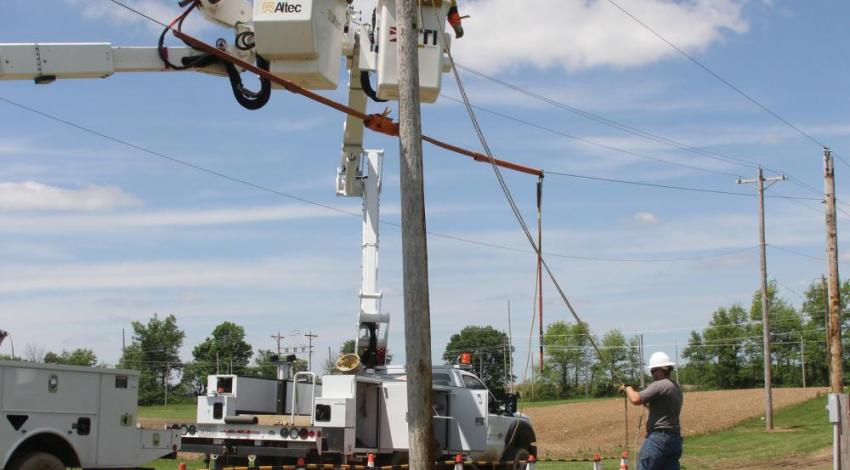
Nearly four decades ago, Dwight Miller climbed an electric utility pole to rescue a fellow lineman who had accidentally made contact with an energized line. The injuries were bad, and although the lineman survived, the scene haunted Miller’s sleep for weeks.
Miller’s laser focus on safety — whether in an official capacity or “just speaking up when nobody else would speak up” — altered his career path.
Culture of safety
Today, Miller’s nine-member safety team works in Ohio and West Virginia to coach, train, and support not only the 375 lineworkers employed by the co-ops, but all 1,500 cooperative employees in the state, with an aim to keep everyone safe.
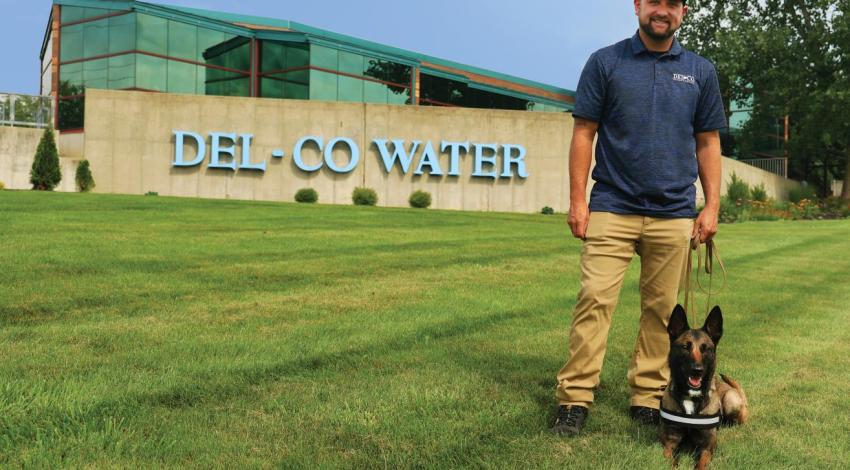
A dog’s sense of smell is thousands of times more sensitive than that of a human being. So-called cadaver dogs, for example (working dogs trained to detect human remains), can even locate a drowned victim whose body is still underwater.
“The first water-detection dog in the U.S. began working in Arkansas several years ago,” said Lohr. “That K-9 program proved so successful, and now there are a dozen or more such dogs scattered throughout the country.”

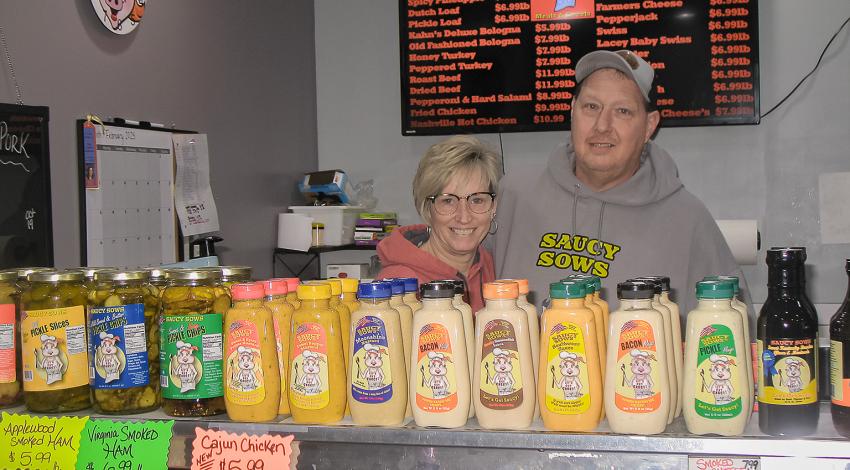
Scott and Denise Scherer know the look — folks seeking a little pizzazz for their mundane mealtimes often find themselves wandering into their market, Saucy Sows Sweets and Meats, with a distinct look of hungry anticipation.
The Scherers have spent years perfecting their products and growing the business. Scott left a job in the beverage industry in 2012 in order to pursue his culinary interest. He initially thought about producing a new kind of mustard but quickly realized the market was flooded. After considerable experimentation, he developed sweet pepper mustard using fresh red and green peppers. Numerous taste tests yielded only positive results, but he still needed a name.
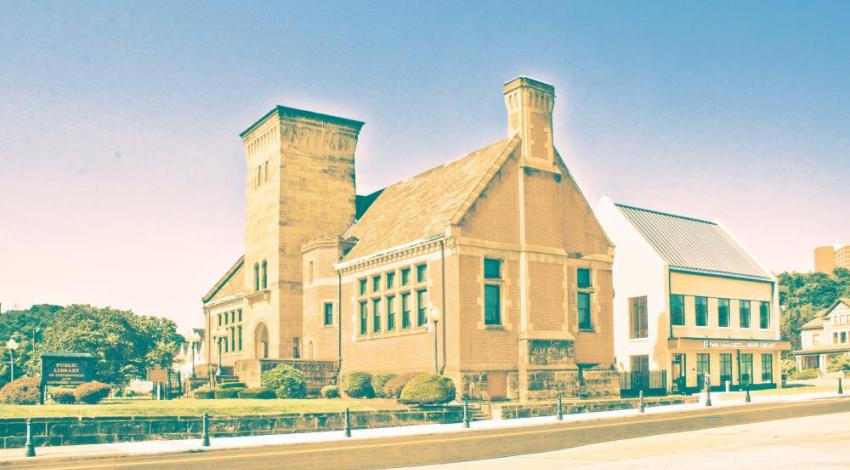
Among the many documents stored in the Archives Research Center at the Sandusky Library is a copy of a letter dated Oct. 7, 1899, and signed by Andrew Carnegie.
Carnegie, in fact, eventually became the wealthiest person in the world in his time, thanks to early successful investments in the railroad industry and building what eventually became U.S. Steel. And he followed through on his musing. Carnegie — and later his philanthropic foundation, the Carnegie Corporation of New York — gave away most of his fortune in his later years, spending much of it on free-to-the-people libraries.
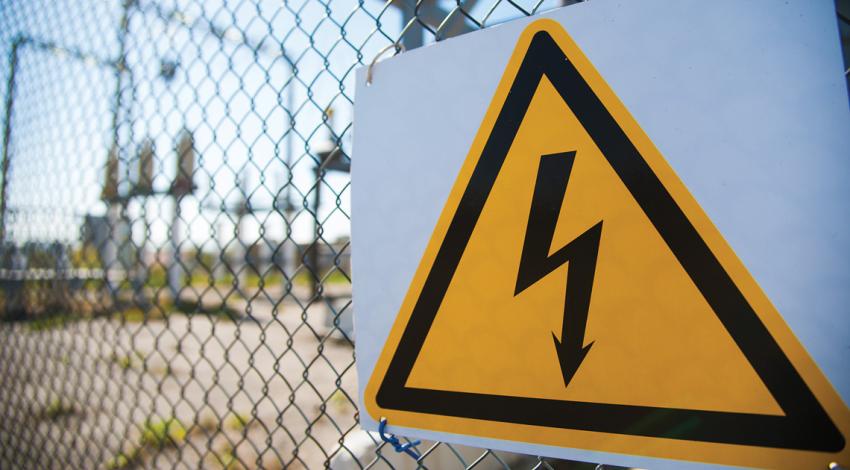
Electricity is truly remarkable. It’s everywhere — lighting up our homes, powering TVs and refrigerators, charging phones we rely on daily, and generally changing our lives in ways we almost take for granted. It feels like it’s always been here.
That’s not the case, of course. It’s worth remembering that, though electricity now runs almost every part of our routines, most homes and businesses in rural parts of the United States didn’t have electricity available to them until the mid-1930s.