The 900 or so electric cooperatives in this country deliver electricity to 42 million Americans in 48 states across 56 percent of the nation’s landmass. In Ohio, the state’s co-ops serve more than 1 million people in 77 of the state’s 88 counties.
According to a report commissioned by the national co-op organization, local electric cooperatives supported about 623,000 American jobs and contributed $111 billion annually to gross domestic product from 2018 through 2022. Their activities have far-reaching impacts across the country — even in areas where co-ops do not serve consumers directly.

“People call here thinking that we have the answer to every question,” Hunter says. “WVNU was the internet before the internet; for some around here, it still is the internet.” He reaches for a stack of papers, finds the report, and gives the caller the information.
It’s from here that WVNU, a tiny 2,300-watt radio station known as Lite 97.5, has been broadcasting adult contemporary hits from the second floor of a downtown office building for the last 30 years.

Affordable and reliable electricity strengthens cooperative communities and enhances the lives of members wherever they are — on farms, in homes or schools, at their small businesses or large retail establishments, or even in industrial and manufacturing facilities. While it’s essential to meet our obligations to current cooperative members, we must also work to support economic development activities that help attract new people and enterprises to cooperative territories, with the aim of further benefiting these communities.
Along the eastern edge of Alum Creek State Park in central Ohio runs a thoroughfare called Africa Road. I’ve lived in the general vicinity for years, and the road’s name always seemed a bit odd to me.
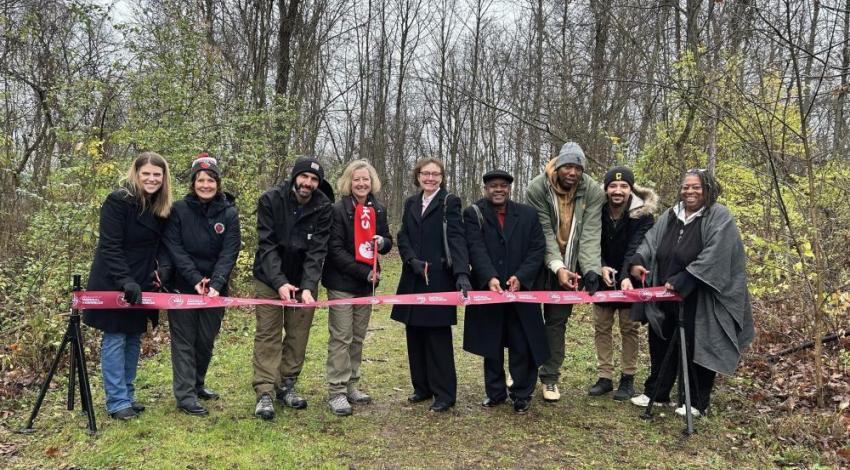
Late last fall, just off Africa Road in Alum Creek State Park, the ODNR unveiled the first of four planned “Heritage of Freedom” trails in the state commemorating Ohio’s contribution to the Underground Railroad. “The Underground Railroad is a key part of Ohio’s history,” says Mary Mertz, director of ODNR. “This Heritage of Freedom Trail serves as a visual history lesson and provides an immersive way to see what freedom-seekers faced in Ohio’s natural environment during this time in history.”
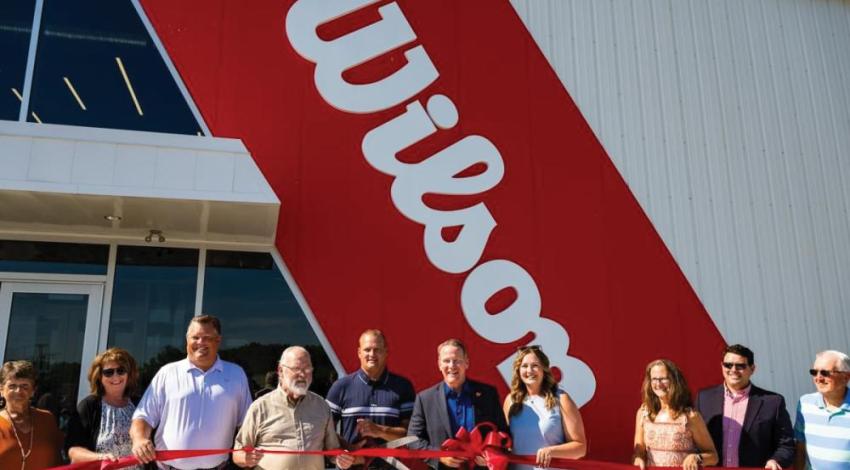
In the small Hardin County village of Ada, the play clock begins ticking about two weeks before the first snap of America’s most-watched sporting event.
“As soon as they know who wins, they are making these balls and they are shipping them out,” says Lindsay Hollar, director of the Ada Area Chamber of Commerce. “The guys just want to get their hands on them.” Hollar doesn’t work for Wilson, but like lots of people in and around town, she speaks with a sort of proprietary pride about the local treasure that is the Wilson football.
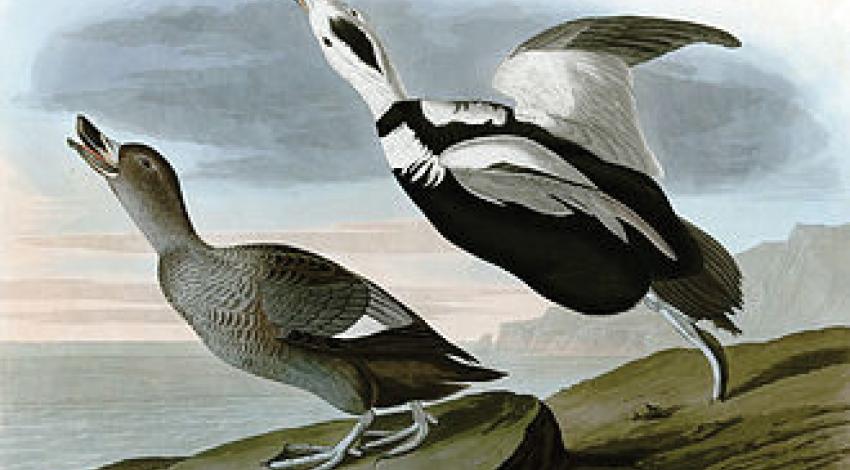
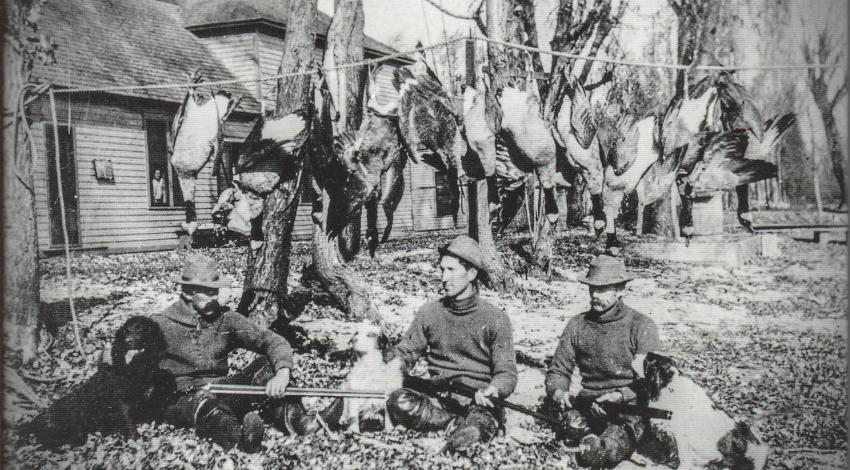
Professional ornithologist Glen Chilton made quite the interesting offer in 2009: “I will pay a reward of $10,000 to the first person who can direct me to a genuine stuffed Labrador duck that I have not seen and described in my book, The Curse of the Labrador Duck.
Chilton made the offer because he had just completed a nearly 10-year study to personally examine all 55 known remaining taxidermic mounts and study skins of the bird, and he wanted to make sure he had located them all.
His quixotic quest took him to museums throughout North America and Europe. He logged 72,018 miles on airplanes; 5,461 miles on trains; 3,408 miles in cars; 158 miles in taxis; 43 miles on ferries; and 1,169 miles on buses. That total of 82,257 miles is longer than three times around the earth at the equator!
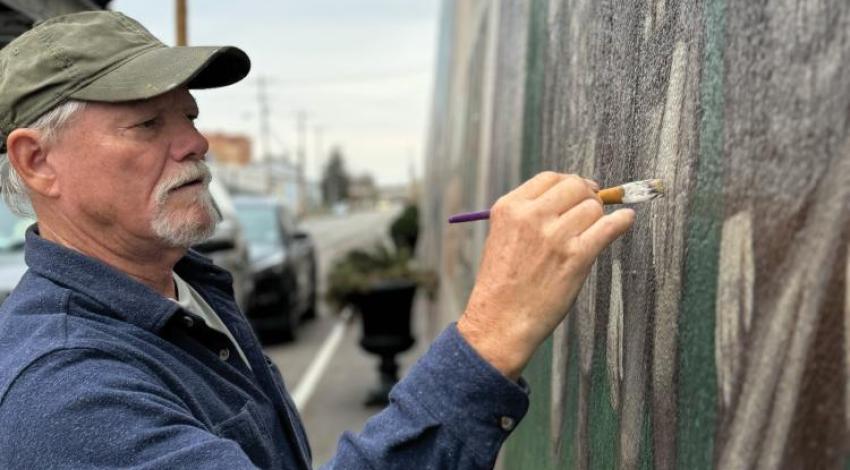
Along the banks at the confluence of the Ohio and Scioto rivers in southern Ohio, murals seamlessly blend into their surroundings, their muted colors echoing the tones of the buildings and landscape
around them.
The murals are more than just public art; they’re a symbol of resilience. Once a bustling center for steel and shoe manufacturing, Portsmouth saw its fortunes plummet with the collapse of those industries. The floodwall, built after a 1937 flood that devastated the city, stood for decades as a bleak reminder of what was lost.
I am deeply grateful for the opportunity to lead two remarkable organizations, Ohio Rural Electric Cooperatives, Inc., and Buckeye Power, Inc. (together known as Ohio’s Electric Cooperatives). Our primary goals — providing affordable, reliable power and partnering with electric cooperatives across Ohio to enhance the lives of their members and communities — have never been more important, and I don’t take that responsibility lightly.
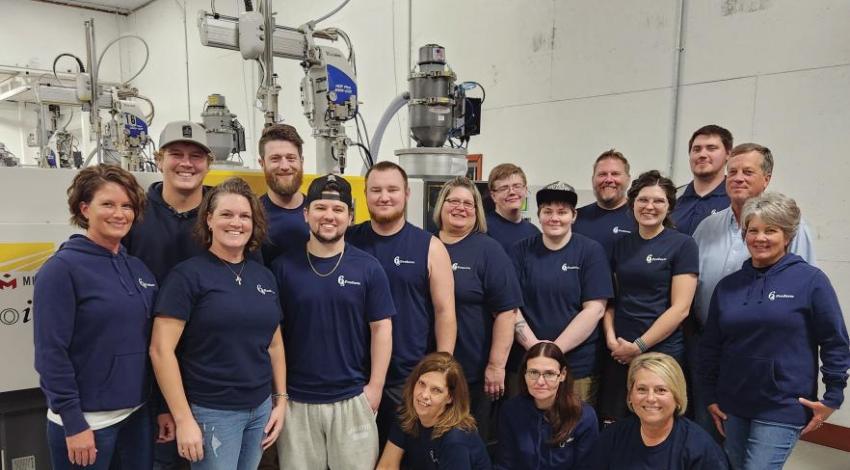
6S Products in Anna started with five family members, one injection molding press, and a mission to find a niche while building a foundation of trust, dependability, and value.
When Neil sold his share of that outfit in 1999, the family members went in different directions professionally — ranging from the U.S. Postal Service to real estate and accounting. But they recognized the need for their expertise and the niche market they could provide in plastics manufacturing.
“We stayed out of plastics for a few years and then finally realized there was a role that we could fill,” Neil says. “With our combined experience, we thought we could add value to the industry overall.”