Our nation’s workforce has experienced significant shifts these past few years as a new generation of workers and leaders has started taking the place of aging baby boomers like myself. Now, as I prepare for my upcoming retirement in early January, I’m in the process of turning over the leadership of Ohio’s Electric Cooperatives and Buckeye Power to our next president and CEO.
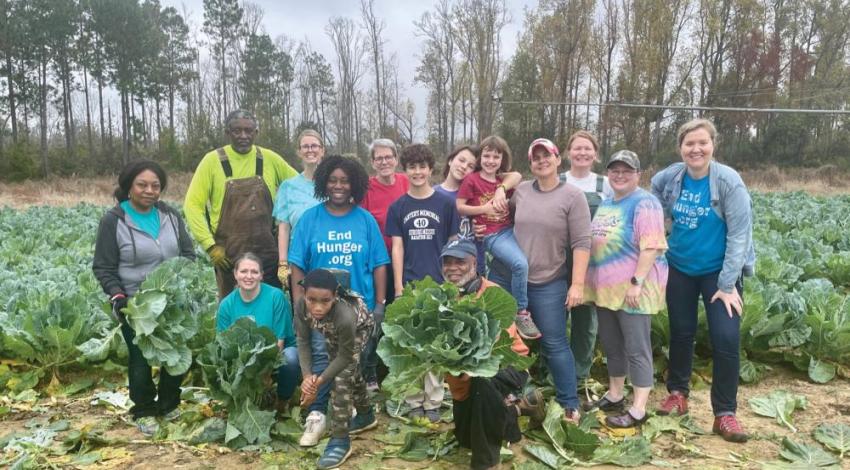
It’s a good kind of problem for farmers to have: After an unexpectedly seasonable winter and growing season, the Champaign Berry Farm in Urbana produced an unexpected bumper crop of one of its mainstays this year.
“We saved a certain section of the orchard for the gleaners,” she says. “I told the [professional] pickers not to pick those peaches. We like to give back to the community and to those in need. That’s one of our purposes in life.”
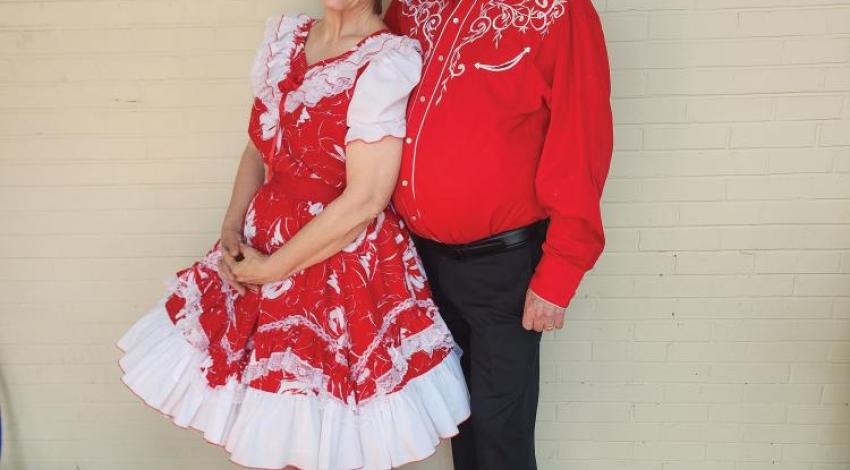
On just about any night of the week, though certainly on almost every Friday and Saturday, there’s bound to be a square dance happening somewhere in Ohio.
The Crows got into square dancing by chance. They went to dinner late one summer evening to a restaurant where many of the other patrons were wearing what they later learned to be traditional square-dancing attire: the women in ruffled skirts worn over fluffy crinolines, and men in western-style shirts that matched or complemented their partners’ outfits.
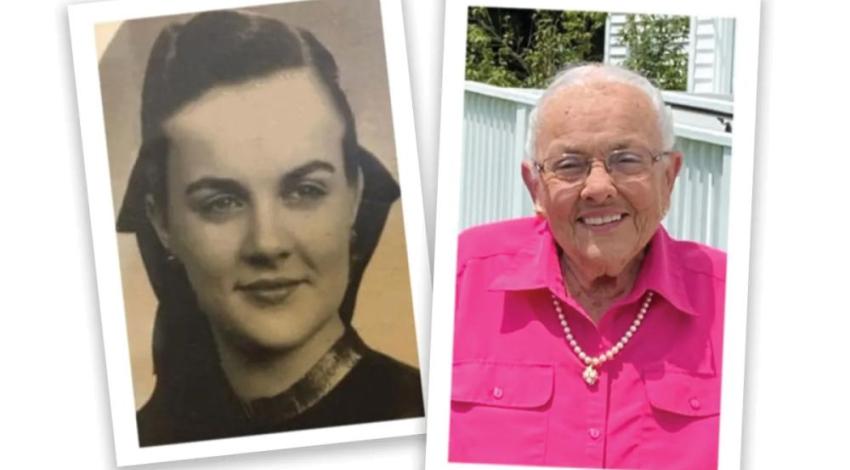
Dorothy Montgomery is old enough to remember when the men from “the REA” (in this case, Guernsey-Muskingum Electric Cooperative) started digging holes, by hand, to set electric poles along her country road after the creation of the Ru
Montgomery recalls the excitement that spread among her family and neighbors as more and more signed up to join the co-op to bring electricity to their homes and farms — which had previously been lit by oil lamps or “Aladdin lamps.”
There’s one detail in particular, however, that is still fresh in her mind to this day. “I remember the shock if you stuck your finger in the socket,” she says. She’d been told doing that would hurt — “and it did,” she confirms. “Oil lamps never shocked you.”
In the 19th century, Ohio held a crucial place in the national transportation system as Americans gradually gained access to wider and wider areas of the country.
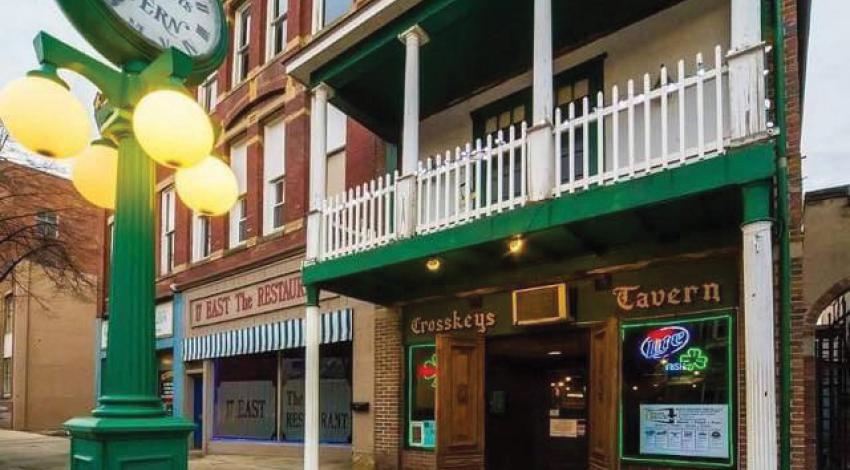
As a result, busy inns and taverns sprouted all over, and quite a few of them are still in business today. These centuries-old establishments are rich in history — and in some cases, ghosts. Below, we have listed some of the more notable haunted watering holes in the state for anyone interested in dinner with the departed, or an overnight stay with the spirits.
The Crosskeys Tavern
19 E. Main St., Chillicothe

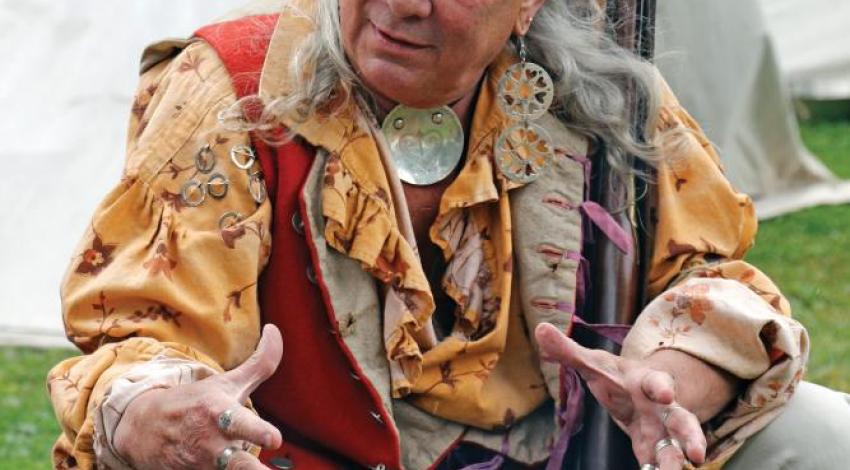
Sitting beside a small campfire, its woodsmoke scenting the cool air of a perfect autumn afternoon, I could almost see the scene as vividly as the man seated across from me described it.
The “my people” he speaks of — and traces his lineage to through one of his grandfathers, a full-blooded Native American — were a mixed-race group (modern-day anthropologists term it a “tri-racial isolate”) known as the Carmel Indians. They lived in Ohio’s Highland and Meigs counties until as recently as the early 1900s.
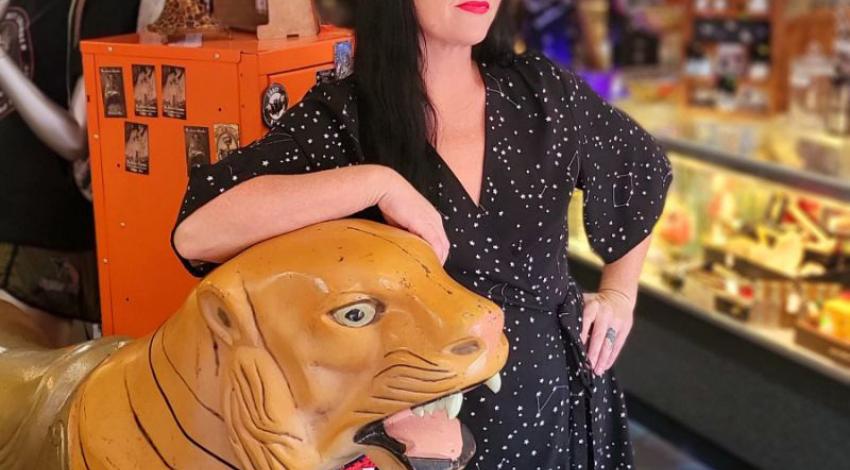
Cherish Harrell first started collecting oddities (and later selling them) when she attended huge conventions like Cincinnati’s HorrorHound or one of the giant regional Days of the Dead events.
The Secret Chamber is not just a store; it’s a hub of creativity and community.
“We host art shows based on themes like Friday the 13th or cryptids,” says Harrell. “We also host themed classes that include making spell kits, crystals, or spooky terrariums.”
Among the events that draw the biggest crowds are the photo shoots with Krampus, a half-goat, half-demon monster from central European folklore that punishes misbehaving children at Christmastime; and the evil bunny during Easter.
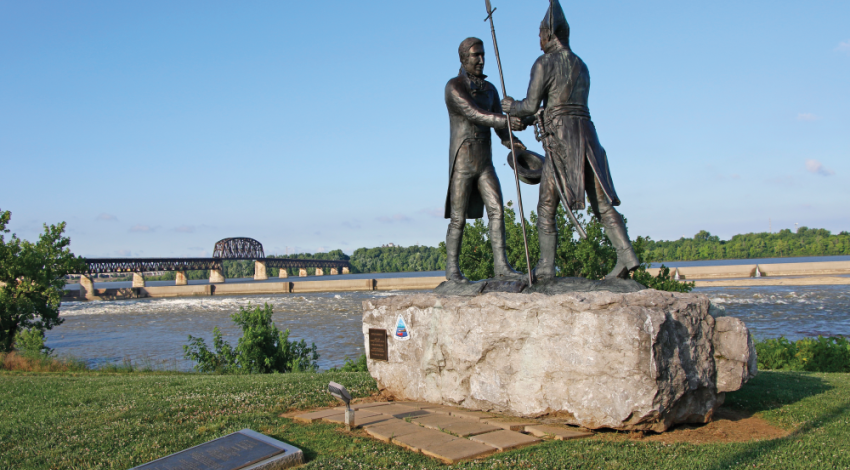
The Shawnees called it Spaylaywitheepi. When French traders and trappers arrived during the 18th century, they described it as the Iroquois had: La Belle Rivière — the beautiful river.
Seeing the Ohio today, it’s difficult to believe that, in its original state, the river was a naturally shallow stream, varying in depth from only about 3 to 20 feet. And during annual periods of low water, such as late summer and early fall, a person could literally walk across the Ohio River on the stream’s bottom at many spots. You’d certainly get wet, possibly up to your waist or so, but the feat could be accomplished.
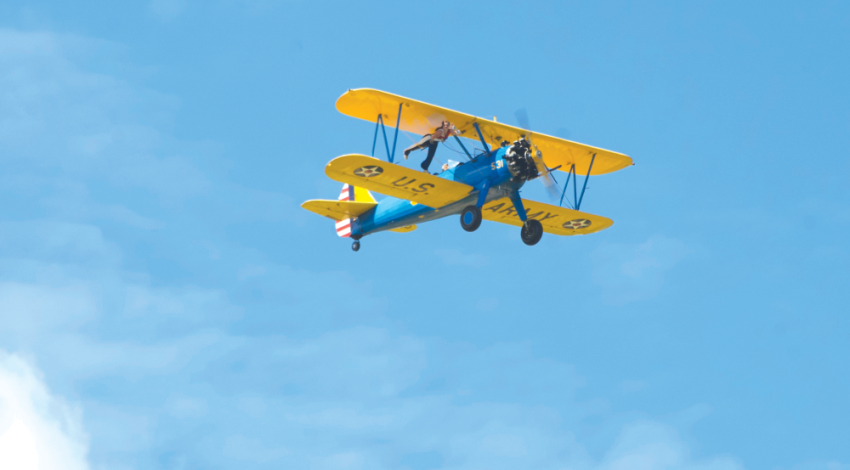
Technically, the Vinton County Air Show has been around longer than the Vinton County Airport has been open. The first was in 1969, the year after the runway was built near McArthur as part of Gov.
The group of locals with a passion for aviation has managed and maintained the airport and its 3,750-long runway since 1992. The air show — now one of the longest-running non-military, free air shows in Ohio — is its largest source of funding (the air show itself is free; boosters raise money by asking for parking donations and serving one of the best chicken dinners around).
The third Sunday each September, the Vinton County Air Show draws spectators by the thousands in search of family fun, highlighted by daredevil stunts, high-flying aerobatics, and a skydiving Santa Claus.