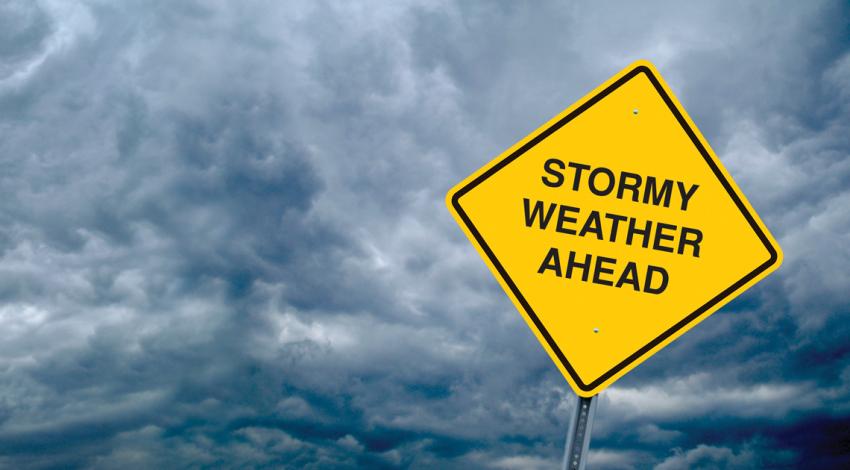
Every year as winter fades, spring brings the promise of a refresh to our landscape. This year, spring also has brought several deadly tornadoes and strong storms, and Ohio’s electric cooperatives continue to assist in the rebuilding of devastated communities and pray for those who have suffered great loss.
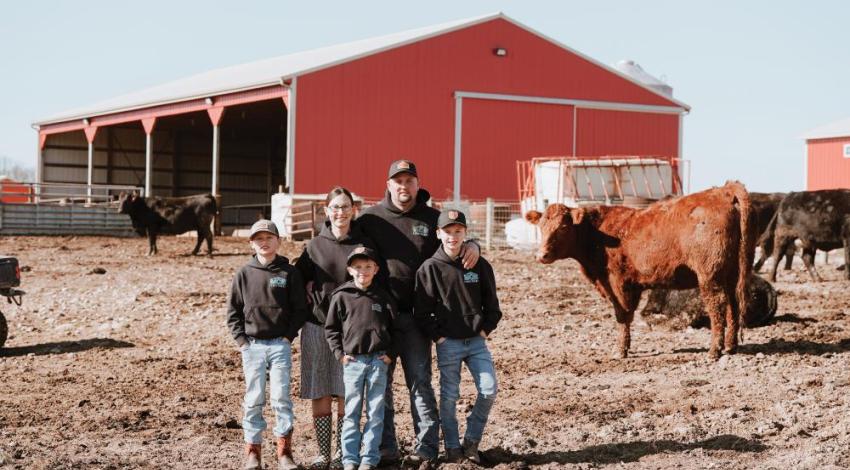
The pole barn — as familiar a fixture on modern farms as a pickup truck — is an architectural innovation born in the 1930s, the result of a marriage of necessity and opportunity.
For decades, the pole barn has reigned supreme on American farms. But the pole-frame structures of today have come a long way from the simple pole barns of the Depression, says Caleb Miller, owner and president of MQS Structures in Lancaster. Pole framing remains a popular design for farm outbuildings, but these days, Miller’s company, a member of Lancaster-based South Central Power Company, may just as likely be using pole-frame construction to build the shell for a far more complex structure.

Tired of losing tomatoes to unwanted garden pests? Worried you’ll need to sacrifice excellent taste for improved yield? Take a deep breath and relax: This year, you can have your tomato and eat it, too.
If you want to grow delicious, homegrown tomatoes this year, simply focus your attention on these three stages of gardening: planning, preparing, and protecting.
Stage 1: Plan
Planning for a successful tomato harvest starts with choosing the right varieties to grow in your garden.
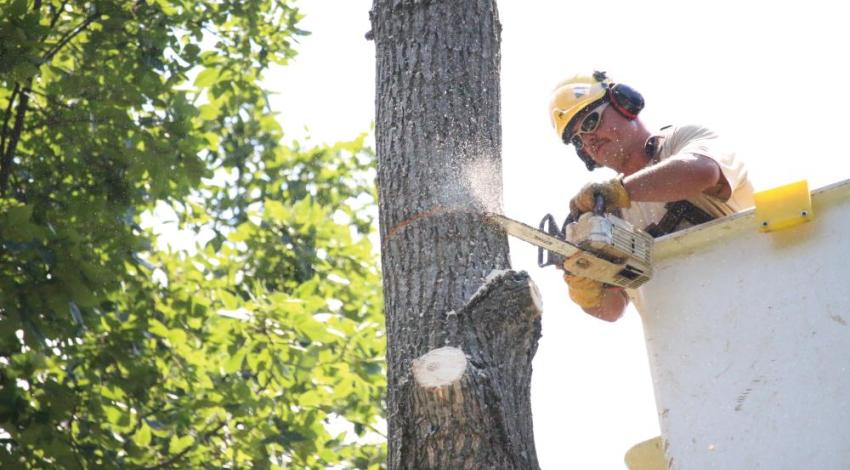
In early March, a spring storm ravaged much of the region served by Logan County Electric Cooperative in Bellefontaine.
“System reliability and safety are extremely important,” says Scott Roach, director of engineering services at LCEC. “With every new project, every work plan, it’s always with that in mind.”
Foliage foibles
One of the most significant factors affecting that reliability is the presence of trees. Of course, properly placed trees not only are beautiful to look at, but they also provide tangible benefits: increasing property values, reducing the cost to heat and cool a home, providing privacy, and even cutting stormwater runoff.
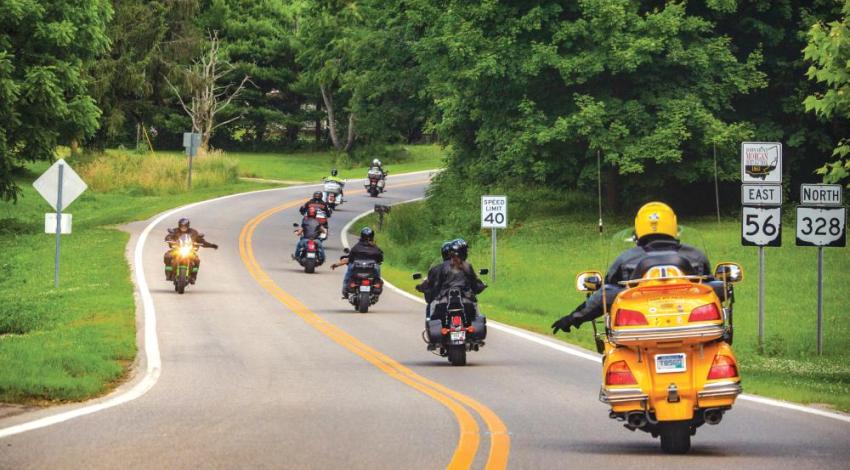
Clevelander and motorcycle aficionado Dan Davis and his biker buddies tackled a 7,000-mile round-trip ride to the West Coast and back in 2022.
Ohio’s Windy 9, promoted by the Athens County Convention and Visitors Bureau, is a motorcycling destination that encompasses nine routes — nearly 800 miles of winding roads that twist through southeastern Ohio’s hilly Appalachian region. The abundance of curves and the elevation change along the roads make it a hugely popular draw for motorcyclists.

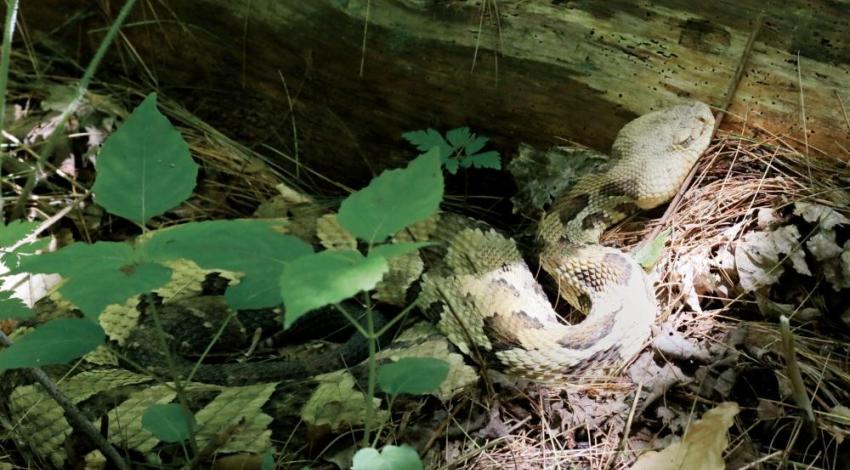
I am not what anyone might call a “snake guy.” But the reptiles do hold a certain fascination for me, especially the three venomous species inhabiting the Buckeye State: timber rattlesnake, copperhead, and eastern massasauga.
Another state (and federally) endangered species is the smallest of Ohio’s three venomous snakes, the eastern massasauga rattlesnake, a name derived from the Chippewa Indian language. It’s also known as the swamp rattler or black snapper — the latter moniker giving some idea of the snake’s dark coloration as well as its aggressive striking behavior upon becoming agitated. Massasaugas measure up to 30 inches in length.
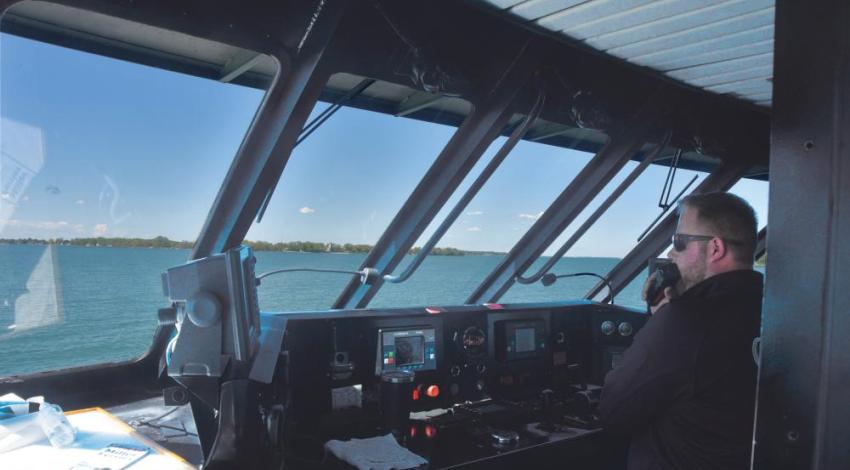
Nearly a million people visit the tiny cluster of islands at the western end of Lake Erie each year, and most of them arrive by boat — specifically, on one of three ferry services that tote folks across the water from Port Clinton, Catawba, Sandusky, and Marblehead.
Ehrbar is one of a half-dozen full-time Kelleys captains, who, along with nine part-timers, keep the service’s five boats running from Marblehead to Kelleys Island nearly year-round. “In season, we’re running a boat every 30 minutes — we just raise the ramp and go,” Ehrbar says. “But in the off-season, we’ll give a couple minutes leeway here or there.”
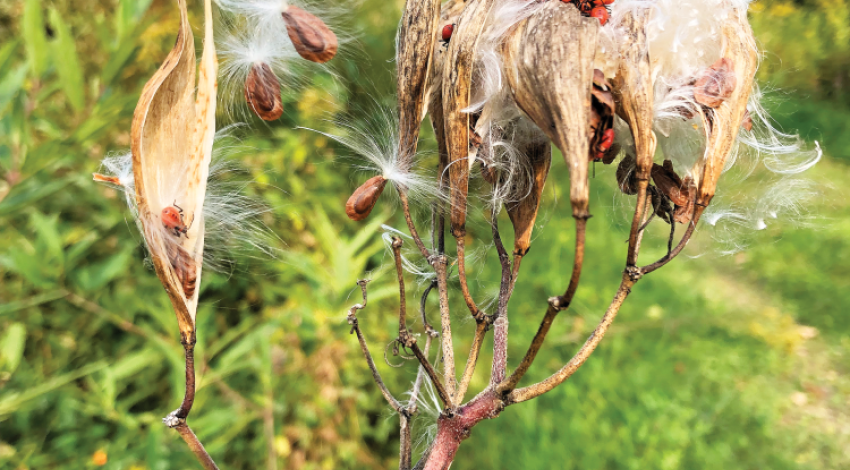
For years, I’ve been using two Canon digital single-lens reflex (DSLR) cameras to take photos for “Woods, Waters, and Wildlife.” The twin bodies and assorted lenses produce exceptional photos, but they have a drawback: The equipment is heavy.
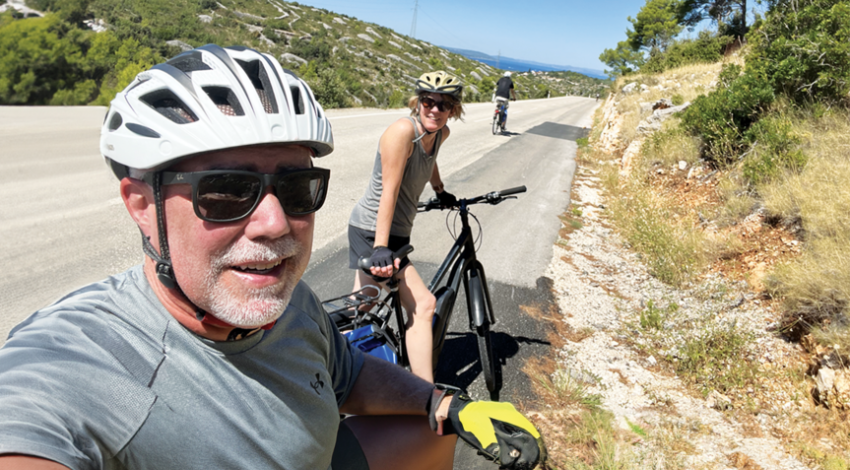
Anyone who recalls the thrill of getting a good push while learning to ride a bicycle can appreciate the growing popularity of electric bikes — bicycles outfitted with electric motors that lend extra oomph to your pedaling.