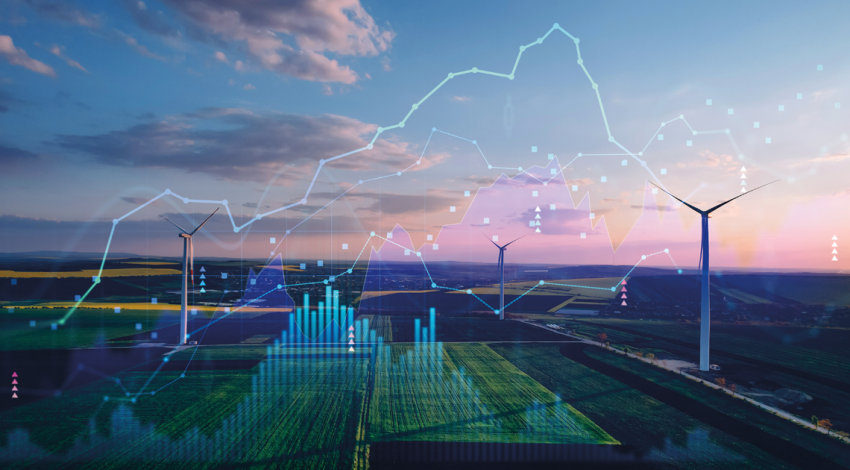
Often in life, we need to balance the practical with the possible. This is especially so as we navigate the social and political demands to rapidly reduce the amount of carbon emitted from the energy we use.
EPRI has been at the forefront of research to determine pathways that may someday lead to achieving dramatically lower carbon emissions that could meet the stated goals of many nations, organizations, and businesses around the world.
In my time on the board at EPRI, I’ve gotten a behind-the-scenes look at how our industry has been grappling with the many issues and concerns of rapid carbon emission reductions and identifying pathways that would allow us to meet those social and political demands. Among those concerns:
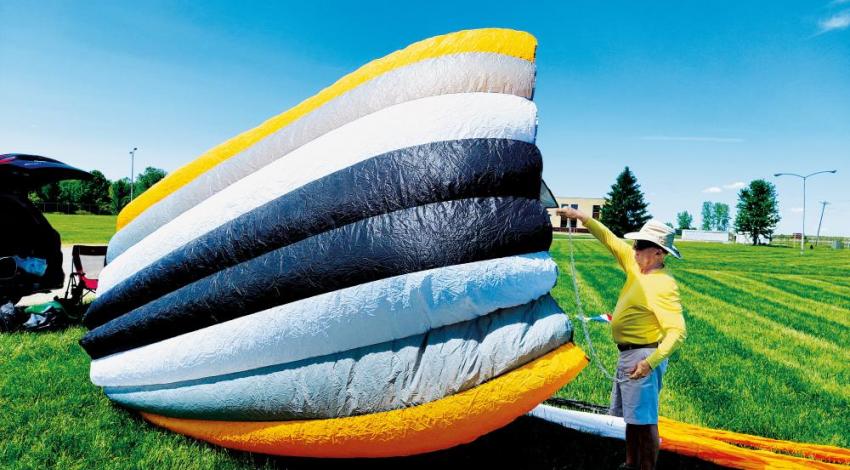
When spring’s first warm breezes blow over Ohio’s landscapes, there are plenty of folks — children and adults alike — who think, “It’s a great day to fly a kite!”
The group’s name is a clever allusion to Cincinnati’s history as well as the group’s reason for existence. “Cincinnati used to be the pork-processing capital of the U.S.,” says longtime member John Graves of Fairfield, a retired registered nurse, who also explains that “P.I.G.S. Aloft” stands for “People Interested in Getting Stuff Aloft.”
“We don’t collect dues or elect officers,” Graves says. “We just get together to fly our kites and have fun. Anyone is welcome to join us.”

The U.S. electricity system is poised to change more in the next 30 years than it did over the past century. The main reason for such a rapid transformation: goals set by industry and government to lower carbon dioxide (CO2) by mid-century.
Leaders within and beyond the sector are focused on developing the right mix of resources to enable a low-carbon future. While specific CO2 targets and the resources available to achieve them can vary by region, the early steps of the carbon reduction journey have shown that:
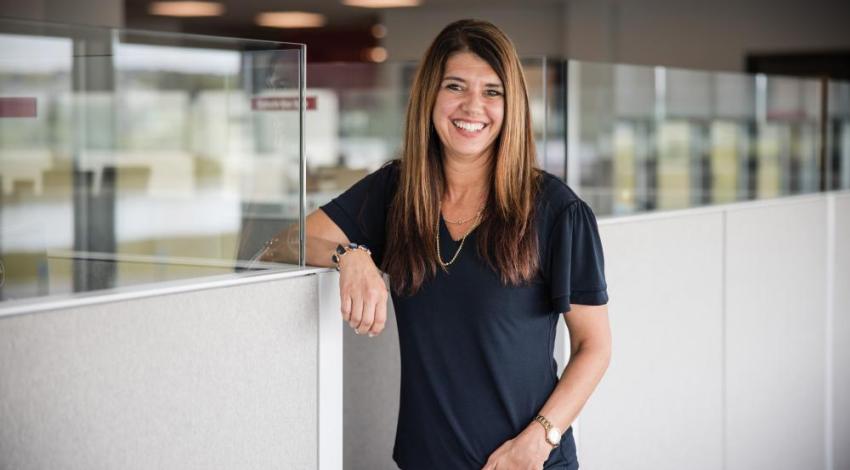
The jobs most people likely think of when they consider working at the local electric cooperative either require advanced electrical engineering degrees or involve climbing poles and working in potentially hazardous conditions — which might make working for the co-op seem e
Along with the aforementioned lineworkers and engineers, most co-ops employ:
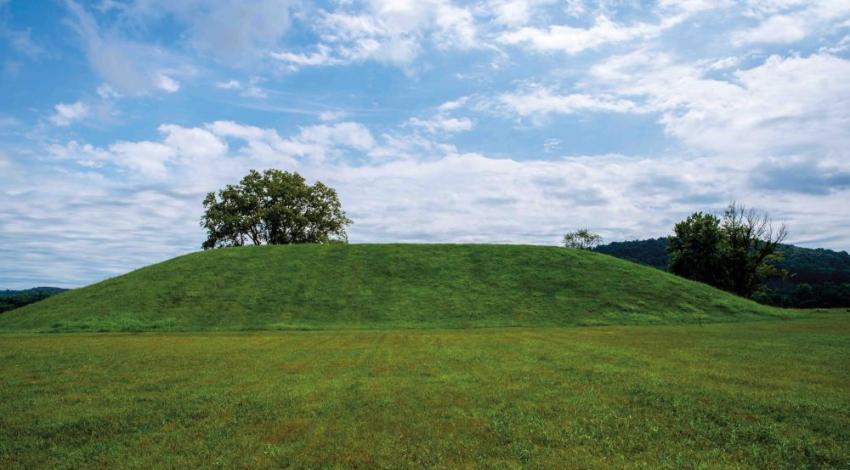
Jennifer Aultman speaks with reverence when she talks about Ohio’s earthworks — eight of which, linked together as the Hopewell Ceremonial Earthworks, have been inscribed as a World Heritage Site by the United Nations Educational, Scienti
About 1,100 landmarks around the globe have been added to the list since the program began in 1972, with 25 of them in the U.S. This is the first in Ohio.
Why are they special?
There are 10 criteria, any one of which qualifies a site for the World Heritage list. The OHC/NPS team cited two of those as they made the case for the Hopewell Ceremonial Earthworks.
The last organized departure of Shawnee people from Ohio began in September 1832.
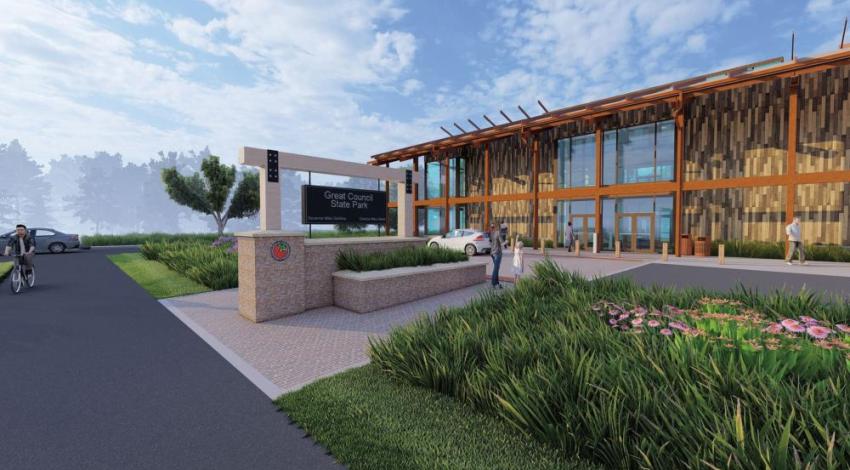
Telling the story of the Shawnee — and their relationship with Ohio settlers — is the motivation behind the creation of Great Council State Park, scheduled to open early this year on State Route 68 between Xenia and Yellow Springs.
Wallace, who has tangled with state officials on other issues, praises ODNR and the Ohio History Connection for the efforts to accurately present the Shawnee story in the new park. “I’ve always told them, ‘Don’t talk about us, talk with us,’ and that has happened from day one with this project,” she says.

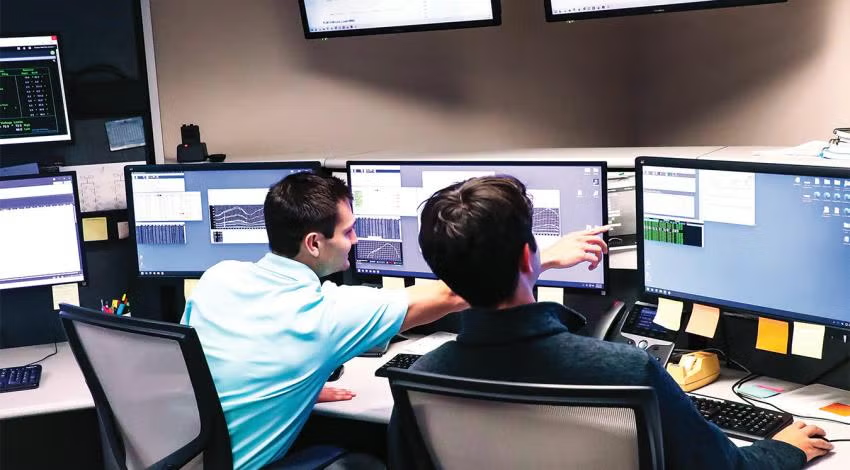
The integrated electric network that brings power to your home or business is a technical marvel. That network manages the flow of electrons, traveling at the speed of light, from the massive generation stations that produce them to towns and cities, to homes and businesses across the country.
Much of what makes this system work goes unnoticed. Of course, everyone sees the poles, wires, and transformers that connect every neighborhood up and down nearly every roadway, or the few large generating stations that produce the power we distribute.