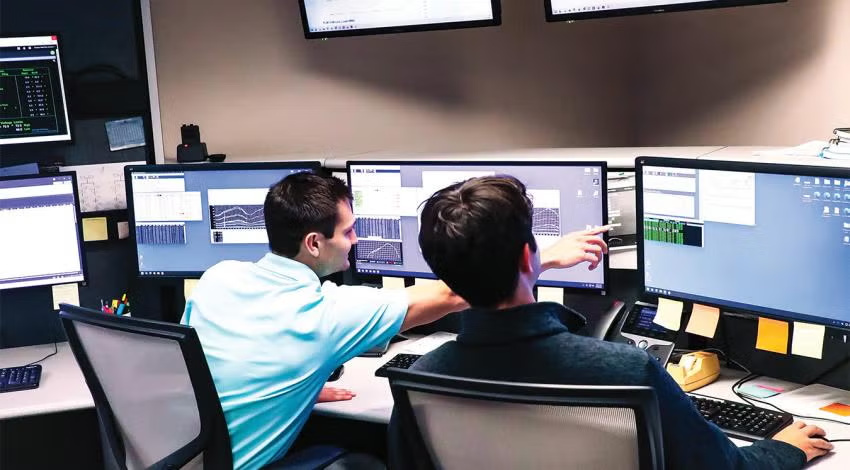
In the middle of one night this past July, Pioneer Electric Cooperative experienced an outage affecting 1,041 members.
Leading the way
Electric cooperatives are not strangers to overcoming challenges. Co-ops were born because bringing power to rural America was (and remains) a difficult task that for-profit utilities wanted no part of.
That explains why, from their beginnings, electric cooperatives have been at the forefront of developing, adopting, and using cutting-edge technology — not because it’s fun and fancy, but because it’s a necessity.
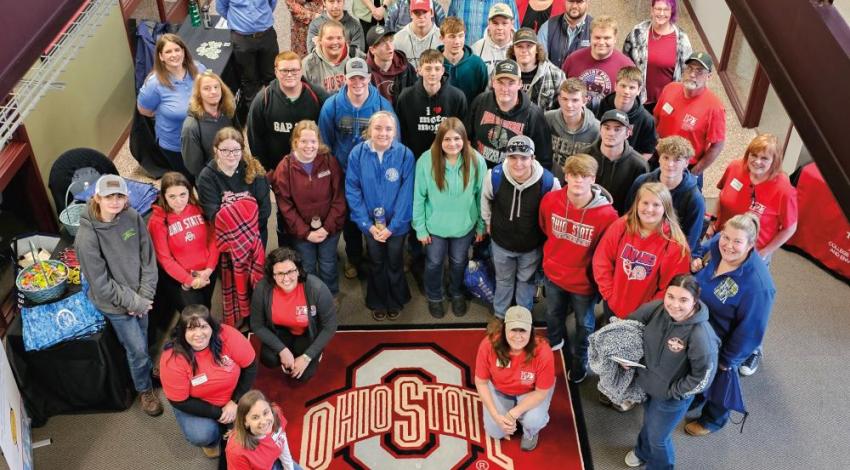
When you think about cooperative businesses, what comes to mind? For most reading this, it’s probably the local electric cooperative.
The Center for Cooperatives opened in 2017 at OSU’s South Centers in Piketon. Faculty and staff work with businesses throughout the state with a focus on cooperative education, applied research, and support.
Program director Hannah Scott grew up in an agricultural community and says she appreciates the unique approach of how co-ops conduct business: The members own it, benefit from it, and make decisions about it.
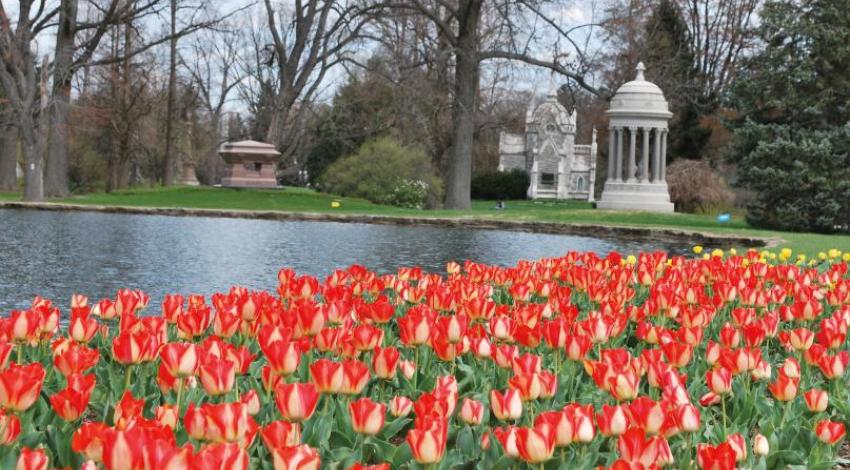
In the early 19th century, public city parks were virtually nonexistent. That doesn’t mean, however, that there was no green space in urban areas.
Ohio’s urban garden cemeteries are some of the country’s most distinctive memorial parks, and stunning examples can be found in nearly every population center. Here are three that are particularly outstanding and accessible.
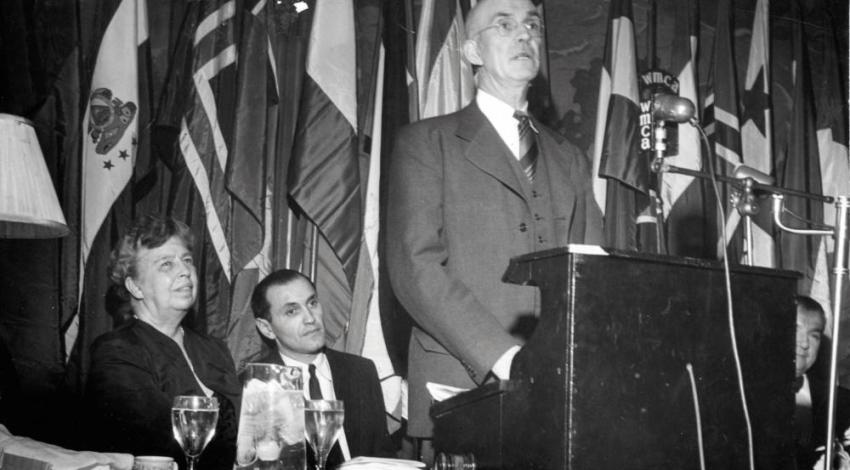
In the fall of 1935, in the depths of the Great Depression and the dawning of the New Deal, a young executive from the Ohio Farm Bureau Federation traveled to Washington, D.C., to meet Morris L.
The initial meeting didn’t go so well, as Lincoln remembers in his autobiography, Vice President in Charge of Revolution.
Shown into his office, I told him that we of the Farm Bureau wanted to avail ourselves of the benefits of this legislation and set up our own utility plants.
“What do you know about the utility business?” Mr. Cooke asked.
“Nothing,” I admitted cheerfully. “I was trained in dairying and animal husbandry.”
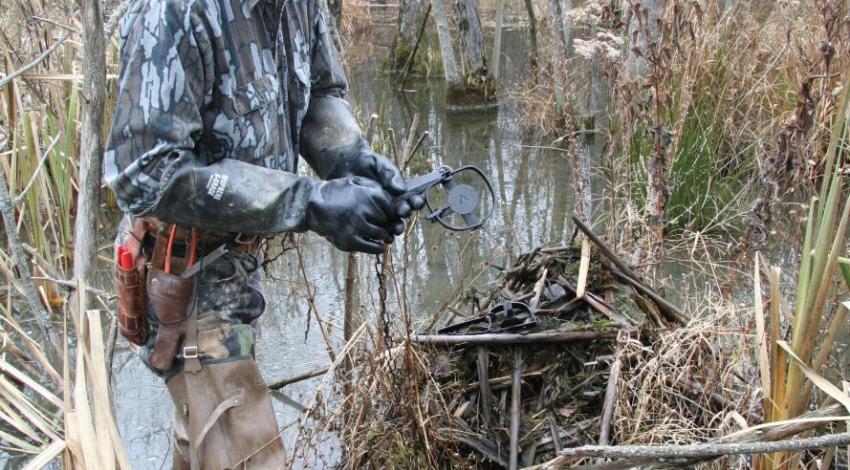
There is a pair of serial killers on the loose in the hinterlands of Ohio. The male, with his weasel-like face and small, black, beady eyes, looks menacing; his girlfriend, similar in appearance but only about half his size, is just as bloodthirsty.
In general, the weasel family has a dubious reputation, particularly its scientific subfamily Mustelinae, which in Ohio includes not only mink but also ermines, least weasels, and long-tailed weasels. Adding to this foursome’s loathsomeness is the fact that they smell bad, emitting a strong, musky odor from anal scent glands, which they use for marking territory or attracting a mate.
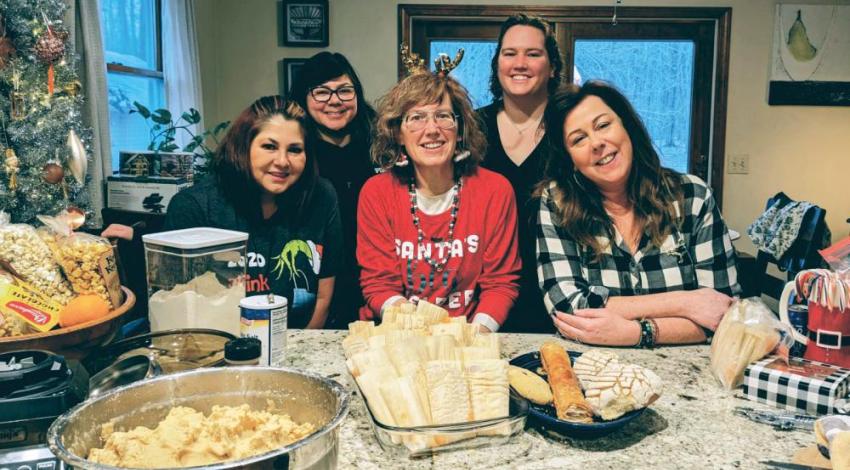
Never let it be said that Rae Hruby let a holiday pass without cooking something specific to the occasion.
“I’ve just always done my themed foods,” says Hruby, who lives in Grafton, where she and her husband, Paul, are members of Wellington-based Lorain-Medina Rural Electric Cooperative. “I took four years of foods classes in high school, and I’ve always enjoyed doing creative things with food.”

For more than 80 years, electric cooperatives — and our business model — have proven to be resilient. In fact, most electric cooperatives are as vibrant and healthy today as at any point in our history. Much of this success can be attributed to the founding principles that electric cooperatives have adhered to through generations of members and cooperative leaders.
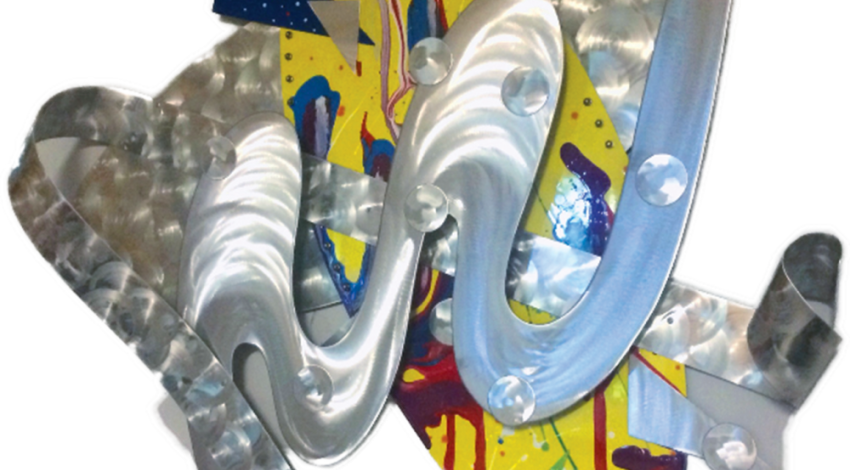
A Mac Worthington piece of art is almost instantly recognizable. Worthington’s work (he’s best known for his metal sculpture) can be found in public, private, and corporate collections across the country and around the world.
Worthington was born in Canton, the son of artists. His father, Jack, made many of the bronze busts in the Pro Football Hall of Fame. His mother, Marion, worked with enamel and silver.
Before turning to art, Worthington built washing machines, served in Vietnam, and worked for a finance company — all good experiences that proved useful when he opened his own galleries.