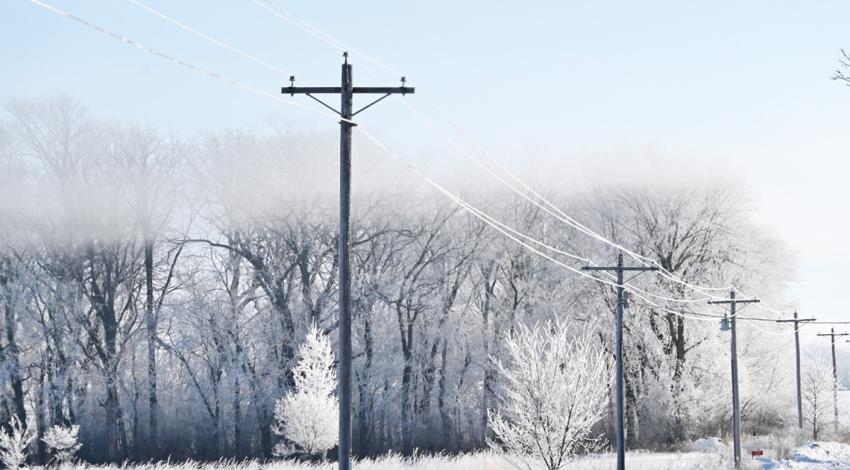
Winter poses a particular set of challenges to your electric cooperative’s commitment to provide members with an uninterrupted supply of power every hour of every day of the year. Winter storms in particular can wreak havoc on electric lines, and often result in longer outage times because icy roads and fallen trees and limbs make it even more difficult to mobilize people and equipment to the areas that are hardest hit. Access to downed lines is slow and tedious, and working conditions that lineworkers face when they arrive to make repairs are often difficult and even dangerous.

What happens when you receive a troll doll at the impressionable young age of 5? If you’re Sherry Grooms, you end up with a museum.
One room has the Troll Bowl, a dollhouse version of a football stadium, where trolls are dressed as football players and fans sport NFL attire. There’s also the Rock ’n’ Troll Hall of Fame featuring troll versions of Rod Stewart, Justin Timberlake, KISS, and more.
Troll collecting has made Grooms an expert on troll doll history. The original is from Denmark, where Thomas Dam carved wooden dolls for his daughter, inspired by trolls of Scandinavian folklore. Dam’s designs became mass-produced in the U.S. in the 1960s.

Every June, electric cooperatives from around Ohio and across the nation sponsor high school sophomores and juniors on a trip to Washington, D.C., where the students learn about the cooperative business model, visit Capitol Hill to meet with legislative leaders, and explore the rich history of th
OLIVIA VELASQUEZ, 2013
The Youth Tour was a pivotal experience during my transition from high school to college. Growing up in a tiny Ohio village, attending even tinier Pandora-Gilboa High School, I attended Youth Tour in 2013. After high school, I pursued my education at Harvard University, and I am currently studying at the University of Vermont Larner College of Medicine.
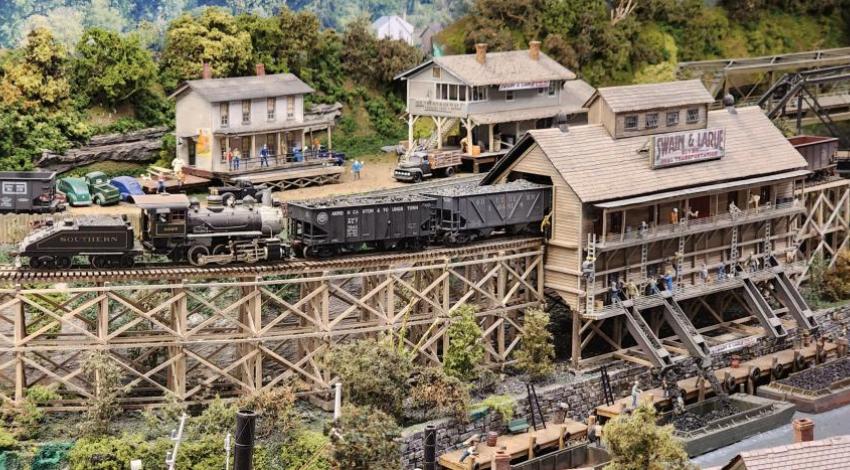
Jody Davis got his first electric train for Christmas when he was 8 years old. But his love affair with trains started even earlier.
Davis joined Associated Model Railroad Engineers of Coshocton when he was 14, and currently, at 55, serves as president.
An early start
It’s a familiar story with model railroaders: A childhood fascination with trains leads to a Christmas or birthday gift of a model train set. Retired music educator Bruce Knapp, 81, of North Bend, is still an active participant and member of the National Model Railroad Association’s Cincinnati chapter.
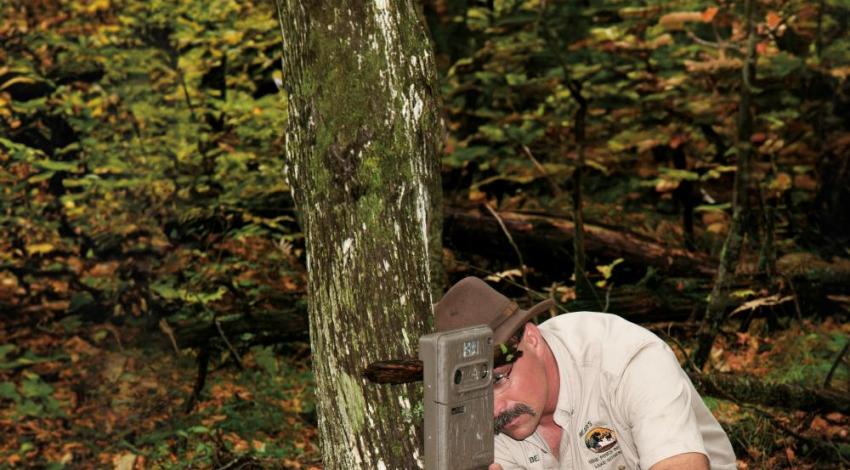
For years, hunters have been using trail cameras to scout for game, which, in the Buckeye State, usually means white-tailed deer. But, interestingly, a growing segment of the trail-camera market now has nonhunters purchasing the relatively inexpensive cameras to capture wildlife images 24/7.
Trail cameras take both still photos and video clips of wildlife and provide endlessly entertaining images. If there’s someone on your Christmas list who would like to try this fun and fascinating outdoor hobby — or if you’d like to try it yourself — here are a few suggestions to help get you started, based on my own experience:
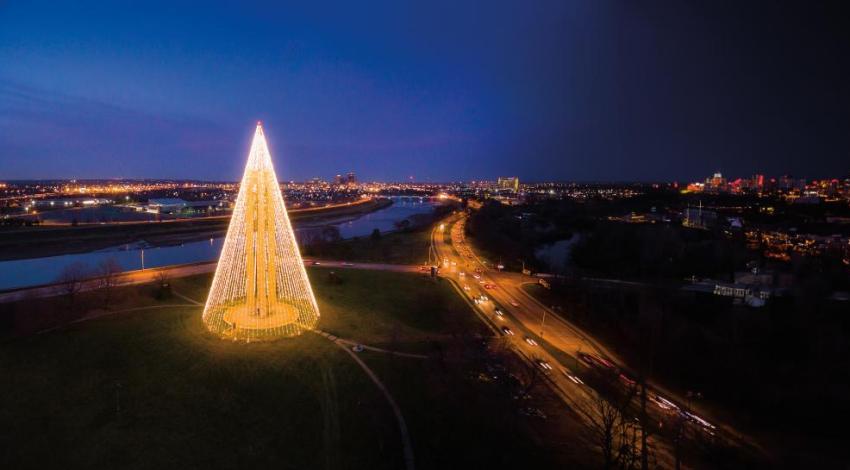
This time of year, you can find dozens of events that feature chestnuts roasting on open fires and Yuletide carols being sung by choirs, but there’s only one holiday celebration that features Ohio’s grandest musical Christmas tree.
Located on 65 acres bordering the Great Miami River, Carillon Historical Park is an open-air museum founded in the 1940s by industrialist Edward Deeds and his wife, Edith. Because his passion was history and hers was music, they made Deeds Carillon the focal point of a collection of buildings and artifacts that highlight both Dayton’s heritage and its many contributions to industry and transportation.
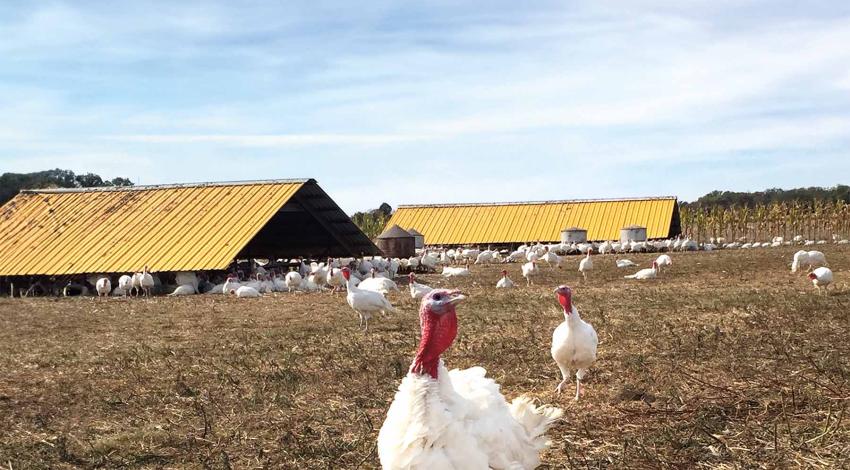
Plump hens and toms are living on borrowed time these days at Bowman and Landes Turkeys near New Carlisle in Miami County.
Baby turkeys, known as poults, arrive at the farm the day they hatch, each weighing one-fourth to one-third of a pound. The poults initially spend time in climate-controlled barns but quickly move, at 6 to 8 weeks of age, to outdoor ranges equipped with feeders, water, and shade shelters. Fencing keeps them in and predators out.
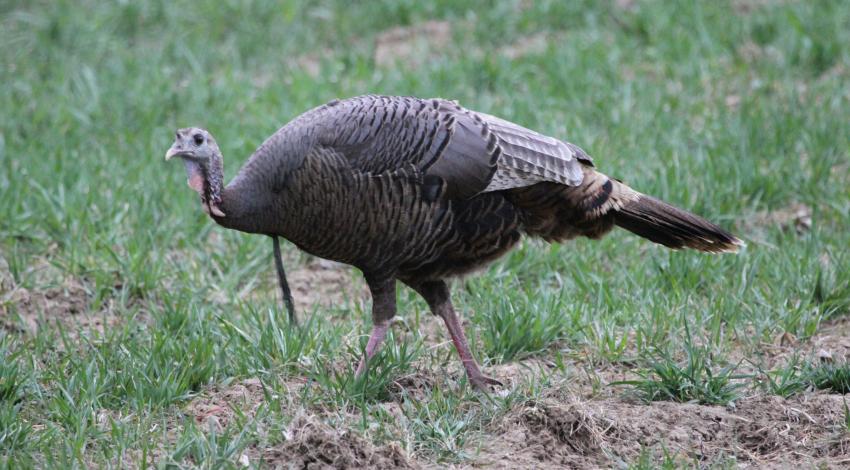
I’ve been chasing wild turkeys, both with a shotgun and a camera, for more than 40 years, but April 2022 was my most satisfying spring hunt ever.
The history of the wild turkey in Ohio is one of boom and bust. A bird of mature woodlands, turkeys thrived in pre-settlement times when our state was 95% forested. In 1915, a researcher by the name of Wright, after reviewing records from the 18th and early 19th centuries, wrote, “In all the United States, no state had more turkeys than Ohio and her neighbors.” Just how many wild turkeys existed in the Ohio country hundreds of years ago is anyone’s guess — a million, perhaps?