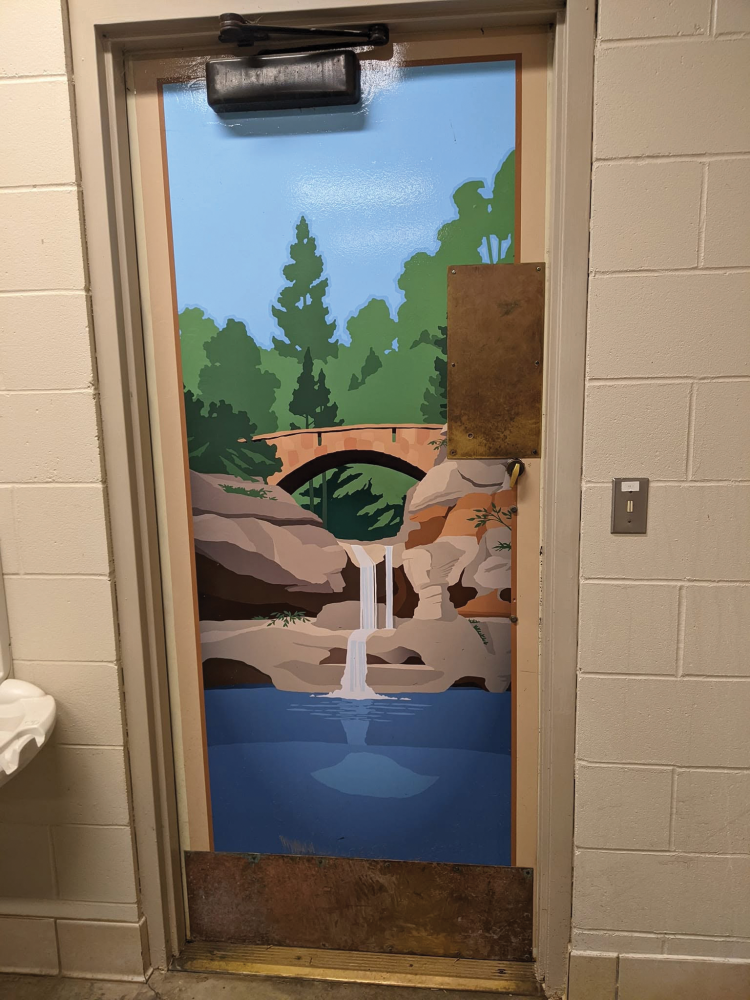
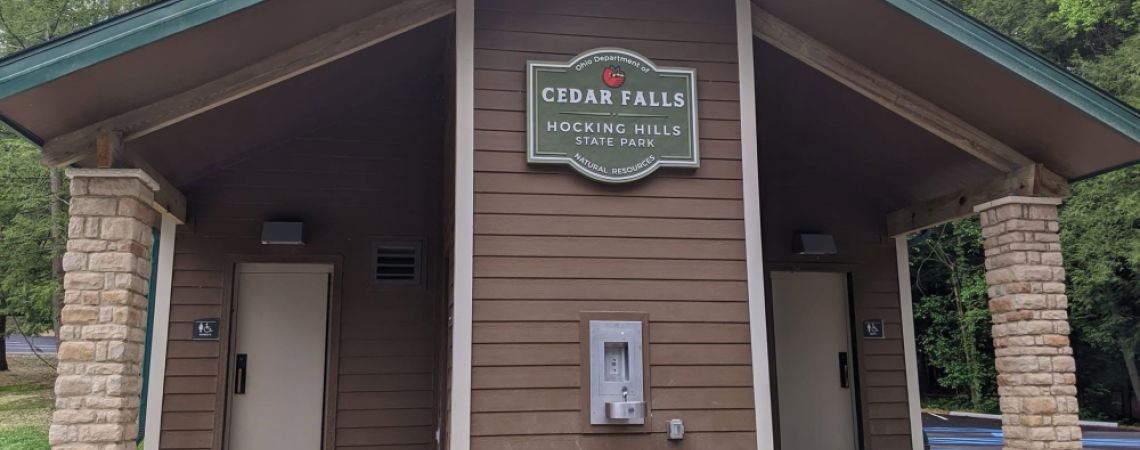
On any given day, Mary Mertz, director of the Ohio Department of Natural Resources, may be called upon to consider issues involving wildlife, campground capacity, hiking trails, or the health of Ohio’s forests. Rest assured, though: ODNR’s 1,400 public toilets are never far from her mind.
For the woman whose job it is to oversee the nation’s No. 1 state park system, she never thought she’d have to think so much about No. 2.
Speaking at a conference recently, Mertz quipped that she knows exactly how many public toilets Ohio State Parks has because she’s received an email about nearly every one of them. Sometimes visitors are disappointed there isn’t a restroom where they expected one. Others wish a remote vault toilet were a modern flush facility. Campers have opinions about shower houses, water pressure, and wet floors. They’re quick to point out broken fixtures — and just as quick to praise spotless facilities.
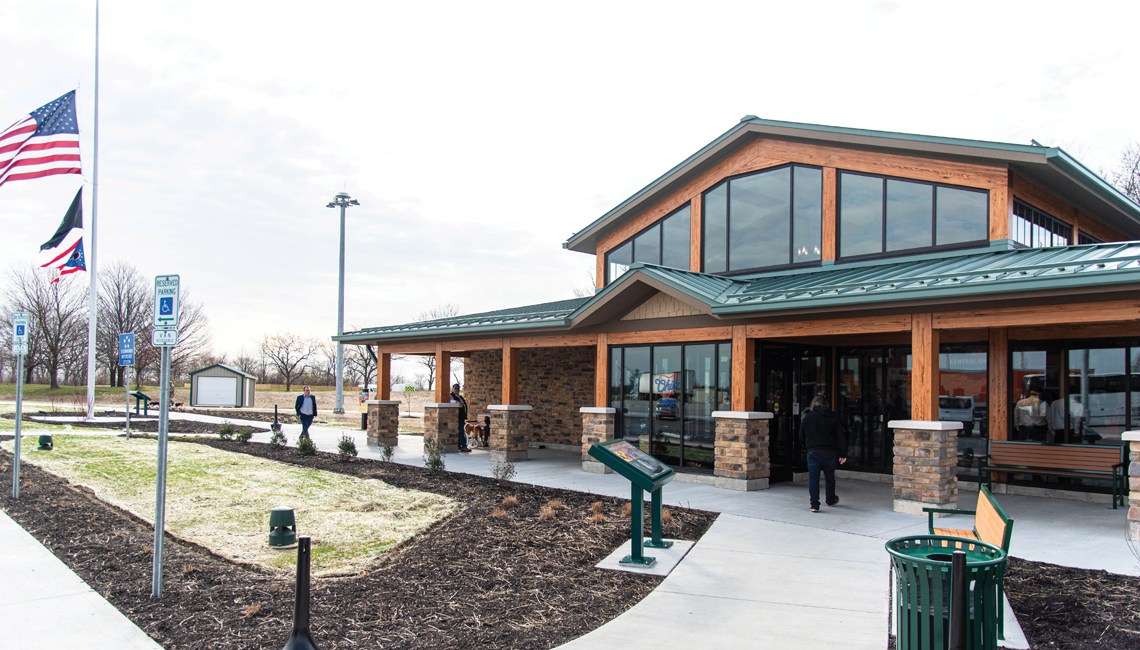
Agencies and their leadership in the state of Ohio are rethinking their approach to the public restrooms they maintain. Gov. Mike DeWine has spearheaded a program to revitalize the state’s highway welcome centers, rebuilding many from the ground up.
Ohio State Parks earned the National Gold Medal Award for Excellence in Park and Recreation Management in 2025 — essentially the top honor a park system can earn — but Mertz knows there’s always room for improvement, and she says restroom facilities are low-hanging fruit.
“We want people to want to be in the outdoors,” Mertz says. “Fifty years ago [when many of the facilities were built], people’s expectations were different. Today, people have come to expect a higher level of accommodation.”
Mertz says she can relate to many of the comments that land in her inbox, because she uses parks the same way many visitors do. “When you pull in, the first thing you want to do before you go on a 7-mile hike, you want to hit the restroom,” she says. “I get it. I’m a hiker.”
As an avid park user, she pays close attention to details many people overlook: Are there enough hooks for towels and backpacks? Is there somewhere to sit while getting dressed? Are the fixtures at a comfortable height? During park visits, she often inspects restrooms herself, looking for ways they could be better.
“When I come into a shower, I want to hang my towel on a hook, or my backpack on a hook,” she says. “I’m very hands-on.”
Some lessons come only through experience.
Shelves installed so hikers could set down their backpacks instead became places to wash muddy feet. Vandalism is an ongoing challenge, with sinks and fixtures damaged or even stolen. And while touring South Bass Island, a visitor told Mertz the toilet in one of the restrooms there had literally just pulled away from the wall beneath her.
“It’s not something you want to happen when you go to the bathroom,” Mertz says.
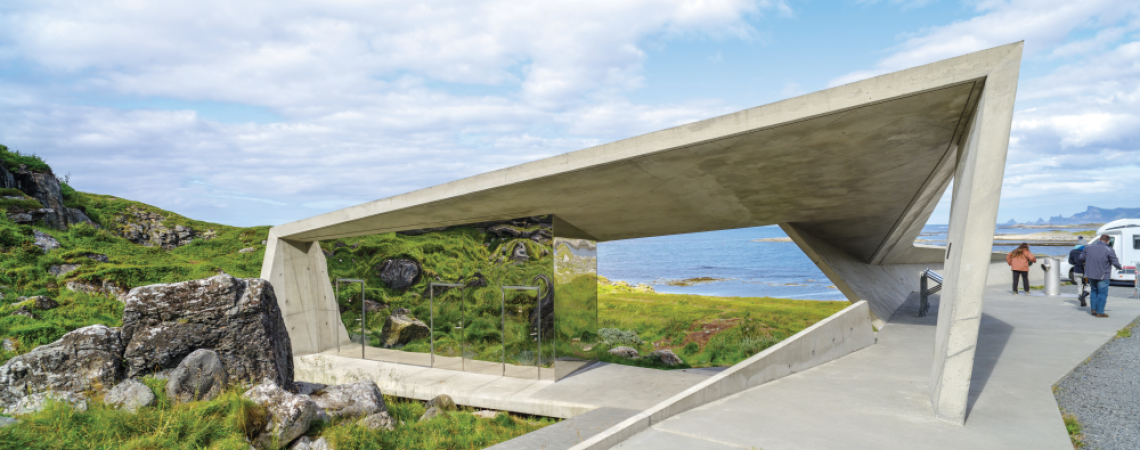
Mertz admits she’s the kind of person who plans vacations around parks — and, increasingly, around bathrooms. She recently sought out Norway’s famous roadside and park restrooms, where striking architecture has turned simple public facilities into attractions. One overlooks a stream. Another features a glass floor above a waterfall. The experience reinforced an idea she’s bringing back to Ohio.
“Let’s be creative,” she says. “Not every restroom needs to be a cinder block building.”
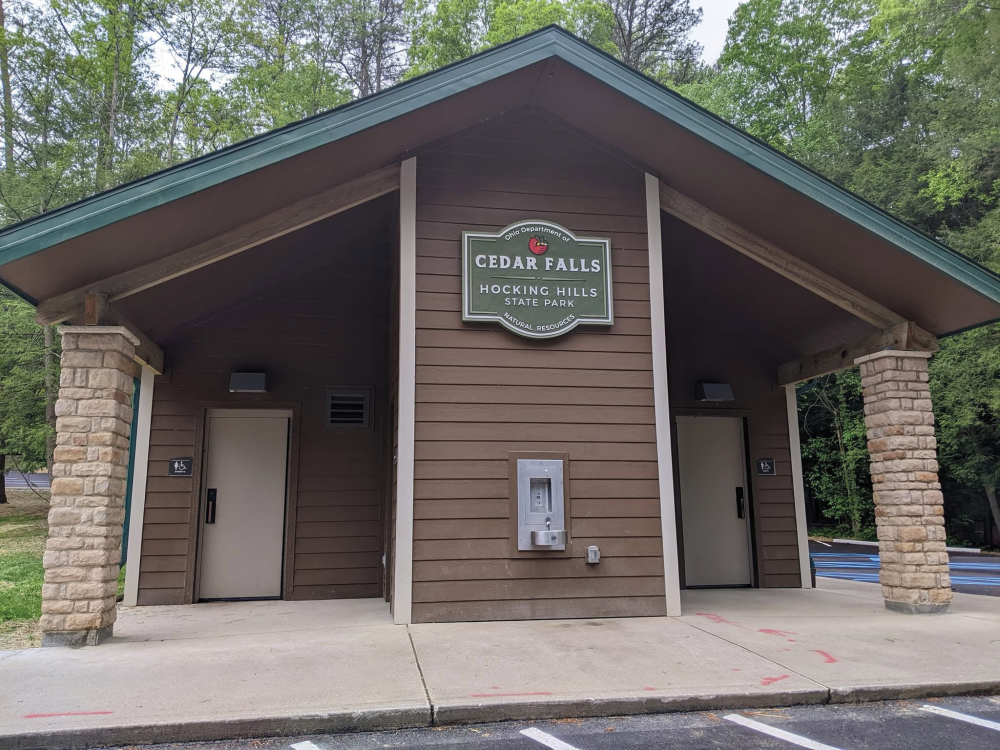
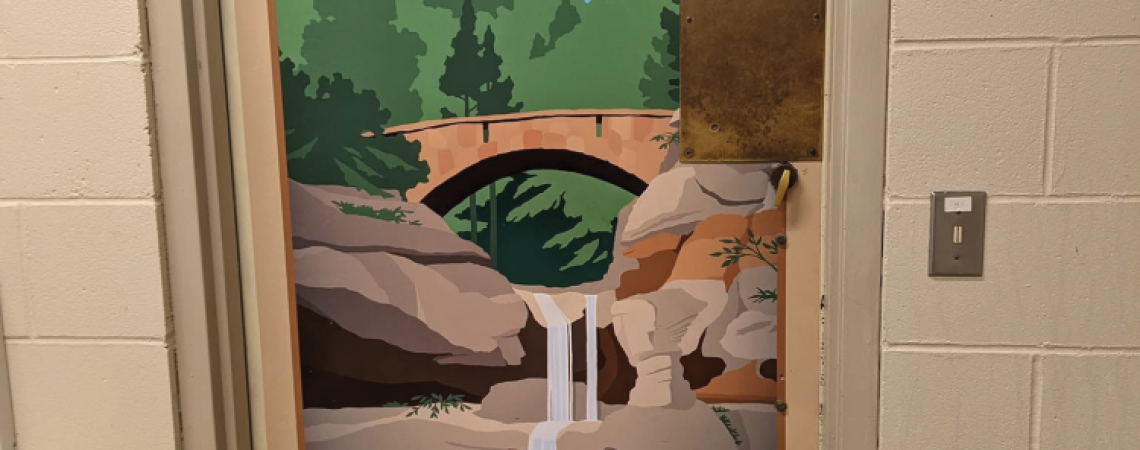
The philosophy is beginning to show up in Ohio’s parks. At Jesse Owens State Park’s Miner’s Memorial Park, a new restroom is being designed to blend into the park’s coal-mining history. At the Aquatic Visitors Center in Put-In-Bay, the architecture — including the restrooms — reflects the site’s connection to water. And at Marblehead Lighthouse State Park, one restroom has become an attraction in its own right.
Thinking about the throne isn’t limited to Ohio’s parks. It’s shaping the state’s highways, too.
Since 2019, Gov. Mike DeWine has championed an effort to transform Ohio’s interstate rest areas into welcoming gateways rather than simple roadside stops. By the end of this year, 36 of the state’s 83 rest areas will have been rebuilt from the ground up, while more than 30 others will have received major renovations.
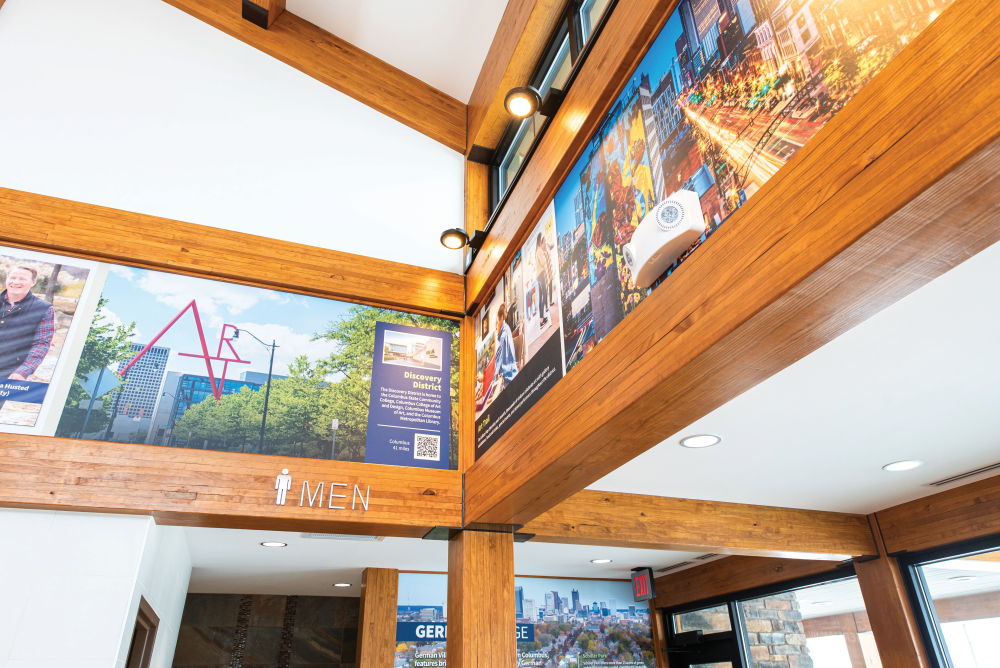
Visitors will find Storybook Trails inspired by First Lady Fran DeWine’s literacy initiative, native landscaping, rocking chairs, exhibits highlighting nearby museums and attractions, and giant maps that orient travelers to where they are in Ohio.
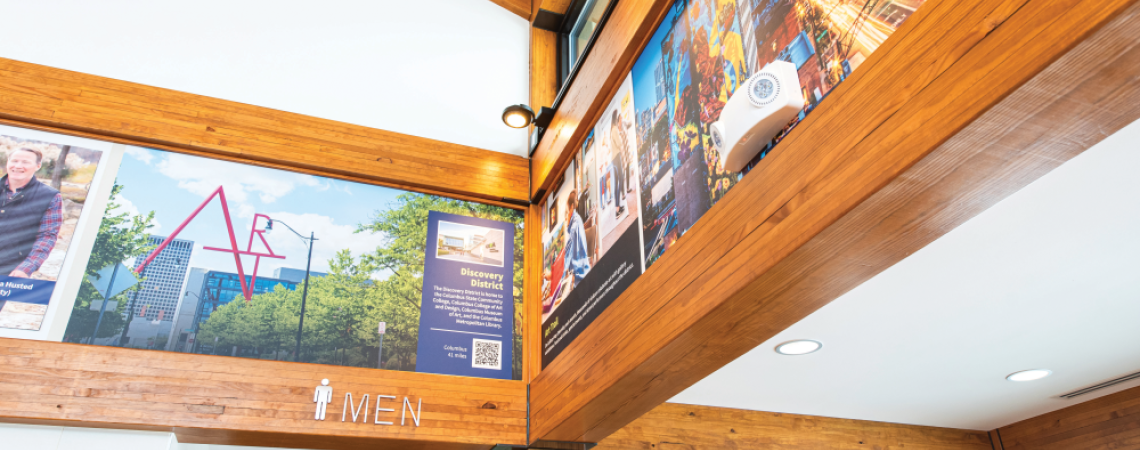
Working with the Ohio Department of Development, ODNR helped fill the spaces with images of Ohio’s state parks and outdoor destinations, each paired with QR codes that encourage travelers to explore farther. “Almost all of them feature Ohio State Parks,” Mertz says. “When you go in there and see all the images on the wall, you will almost always see a state park.”
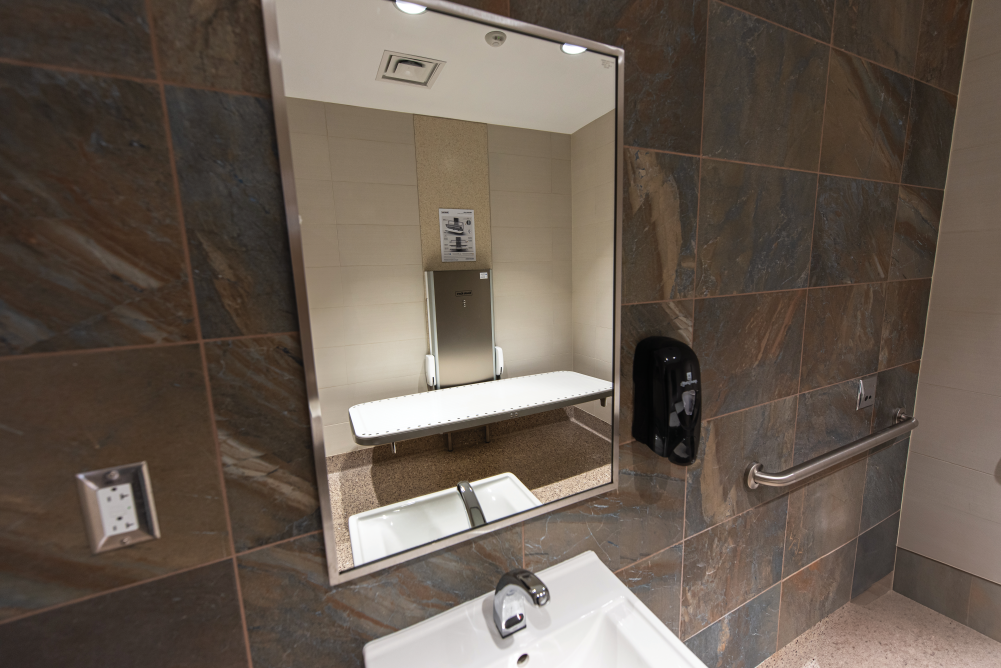
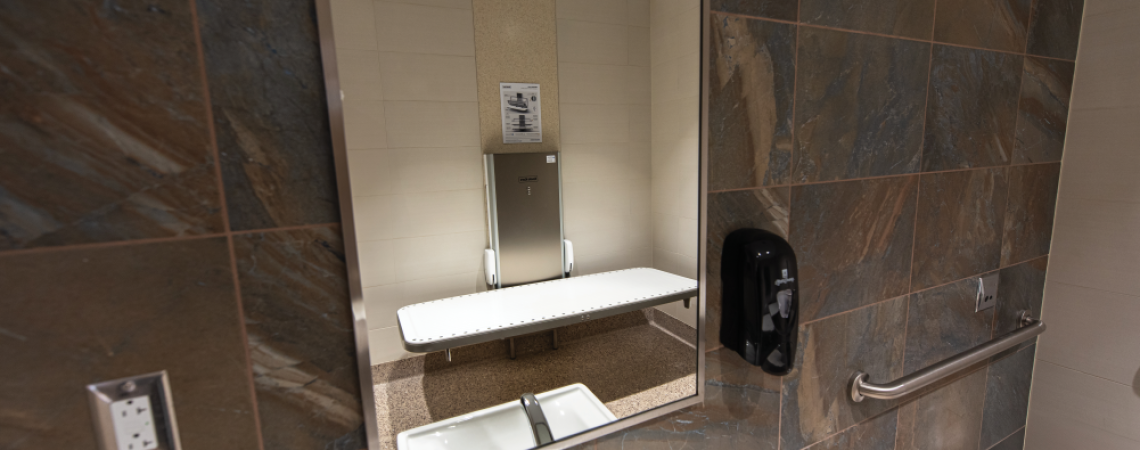
Some additions are designed to make people more comfortable. Others are life changing. Select rest areas include universal changing stations for older children and adults with disabilities.
“It’s changed people’s lives,” says David Rose, chief communications officer for the Ohio Department of Development. Families who once had to care for loved ones in the back of a van can now travel knowing they’ll find a safe, dignified place to stop.
“[The project] has as much to do with the image of the state as the convenience of the restroom,” says Mertz. “They want people to think, ‘This state has it together.’”
(Rest)rooms with a view
Ohio’s state parks welcome nearly 70 million visits each year, and ODNR has made a concerted effort to improve the overall visitor experience by improving the loos:
- Built 43 new restroom buildings
- Installed 12 new on-site sanitary treatment systems
- Installed 182 new toilets and fixtures
- Improved facilities at 33 state park locations
- Added more than 3,000 feet of water service and nearly 6,000 feet of sewer line, and extended 5,300 feet of electrical lines