Baaa-DUM, ba-DUM, ba-DUM, ba-dum-dum-dum! Native Ohioans — college football fans and non-fans alike — grow up with that rousing snare-and-brass intro on autumn Saturdays and automatically know what’s coming.
Most in the Buckeye State know every word of “Hang On Sloopy” by an early age, and belt it out at every opportunity; it is Ohio’s official rock song, after all.
Not many, however, know where the song came from, or how it got adopted by The Best Damn Band in the Land to become one of the most iconic traditions in all of college football.
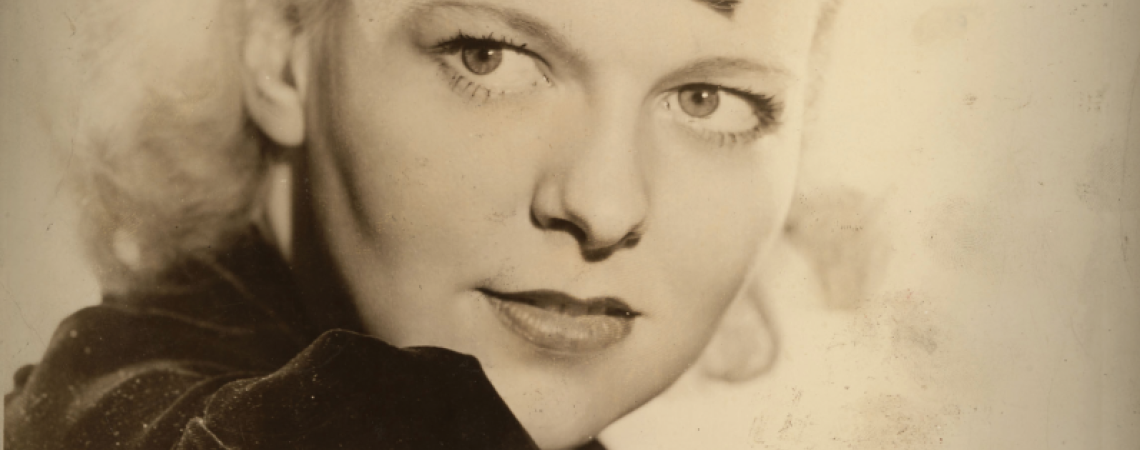
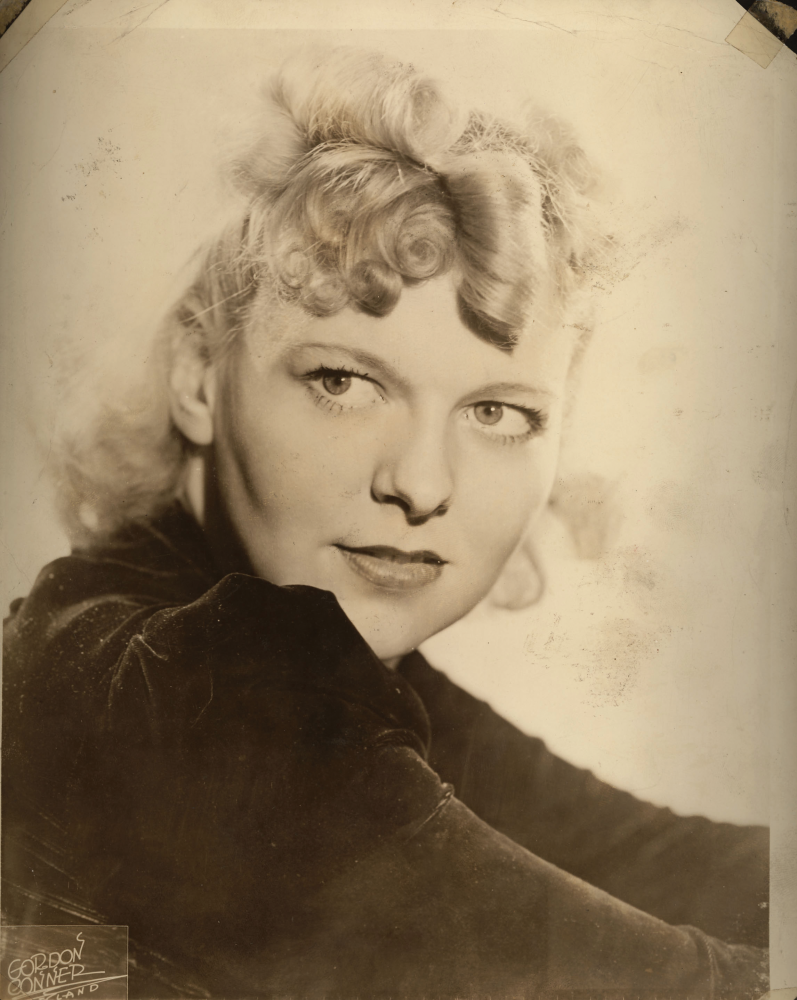
Not many Ohio State fans know where the song "Hang On Sloopy" came from. It came from the woman in this picture, Dorothy "Dottie" Sloop.
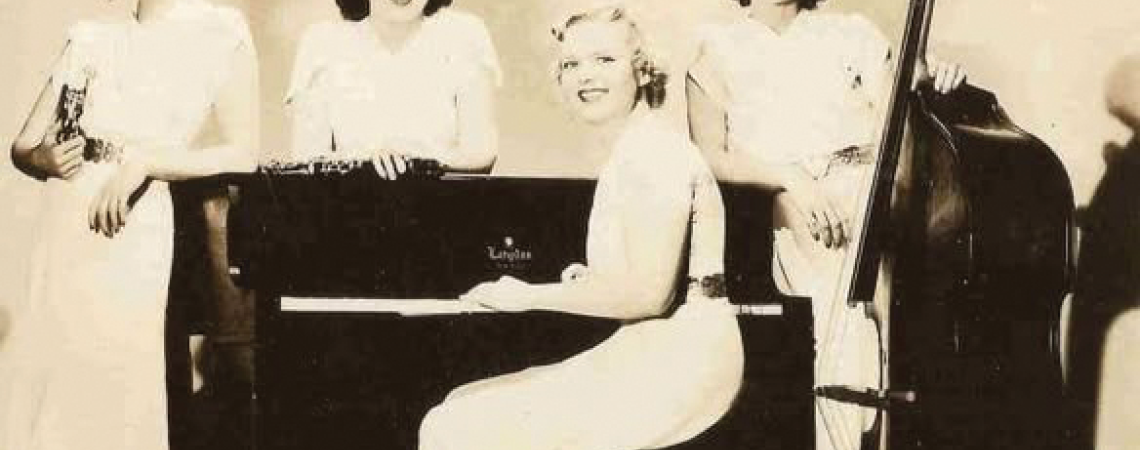
So — now that you’ve got the song ringing in your head — read on for the story of Dorothy Sloop.
Dorothy (known as “Dottie”) was born into a musical family in Steubenville in 1913. “Her grandfather owned a music store, and her father played the pump organ and was the theater organist for silent movies,” says her nephew, Fred Ruland of Marietta.
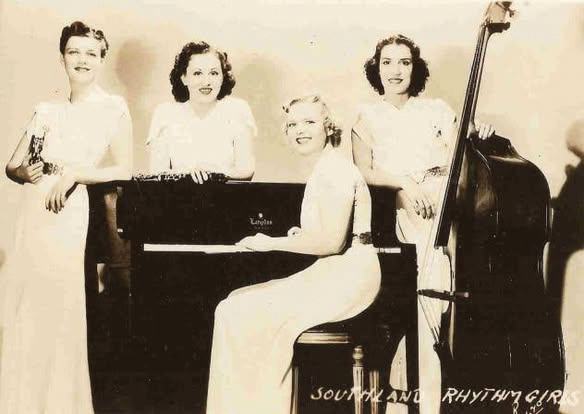
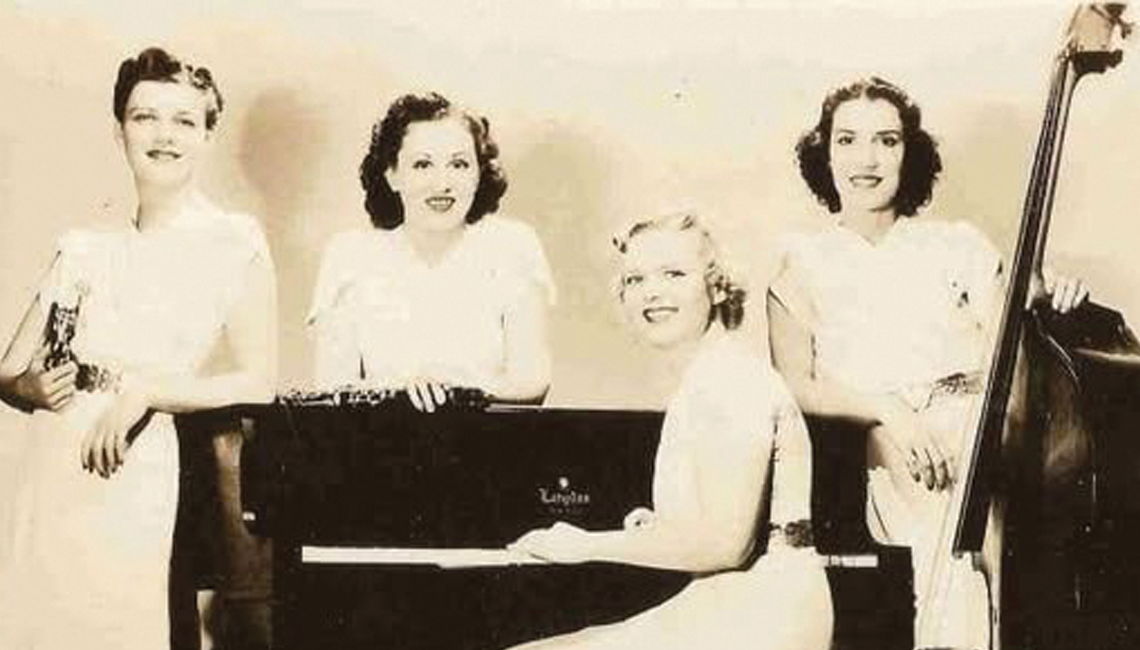
Not surprisingly, young Dottie learned to play piano at an early age, and she both played and taught piano throughout high school. She attended Ohio University, but soon learned about an opening for a pianist with a band in New York City, and she left Athens after her freshman year to join the Southland Rhythm Girls, a jazz band led by clarinetist Yvonne “Dixie” Fasnacht, and they quickly became friends.
Eventually, they moved to New Orleans, Dixie’s hometown, and established a club called Dixie’s Bar of Music, where they performed regularly with many popular musicians of the time. They recorded an album in 1957 called Dixie and Sloopy, referring to both performers’ nicknames.
They caught the attention of producer/songwriter Bert Russell Berns, who had made a name for himself by writing “Twist and Shout,” which became a hit for both the Isley Brothers and the Beatles. After seeing Dottie perform, Berns was inspired, and, with songwriter Wes Farrell, wrote a song about a young woman who faced challenges but always found the strength to make it through the difficult times in life.
The song, “My Girl Sloopy,” found its way to the Vibrations, a well-known rhythm and blues group from Los Angeles, whose recording reached No. 26 on the pop charts in early 1964.
A year later, a rock ’n’ roll band from Dayton, The McCoys, released their own version, retitled “Hang On Sloopy,” and it immediately began climbing the Billboard Hot 100 list.
The song was played everywhere, including at the 1965 Ohio State Fair, where an Ohio State University music student from East Liverpool heard it. John Tatgenhorst had already arranged several songs for the OSU marching band, and he told then-first-year director Charles Spohn he wanted to arrange “Hang On Sloopy” for TBDBITL. Spohn initially rejected the offer, but later that fall, looking to add some energy to the band’s performances, gave Tatgenhorst the green light — with one catch: Spohn needed it the next day. Tatgenhorst accepted the challenge and completed the new arrangement in four hours.
“Hang On Sloopy” debuted in Ohio Stadium on October 9, 1965, one week after The McCoys’ version hit No. 1, and it’s been played at the end of the third quarter of every home game for more than 60 years now. In 1985, the Ohio General Assembly passed a resolution making “Hang On Sloopy” the state’s official rock song. Ohio is the only state in the union to have one.
Dottie eventually returned to Ohio to finish her schooling, earning a master’s degree in education. She taught special education classes in St. Petersburg, Florida, for 30 years before moving to Mississippi.
Her desire to perform remained strong and she continued to sing and play the piano well into her 70s — and even performed in concert with Dean Martin, who was also from Steubenville.
“I think she was excited about having a song written about her and knowing that the song has become so beloved,” Ruland says.
Dorothy Sloop died in 1998 at the age of 84.