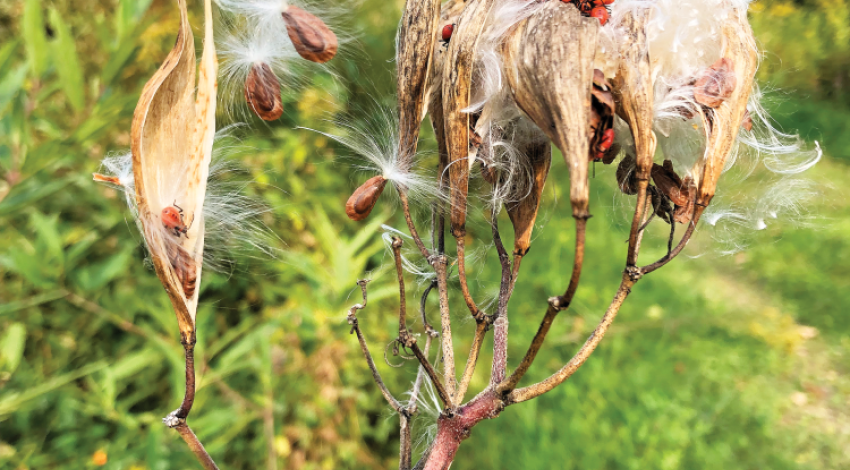
For years, I’ve been using two Canon digital single-lens reflex (DSLR) cameras to take photos for “Woods, Waters, and Wildlife.” The twin bodies and assorted lenses produce exceptional photos, but they have a drawback: The equipment is heavy.
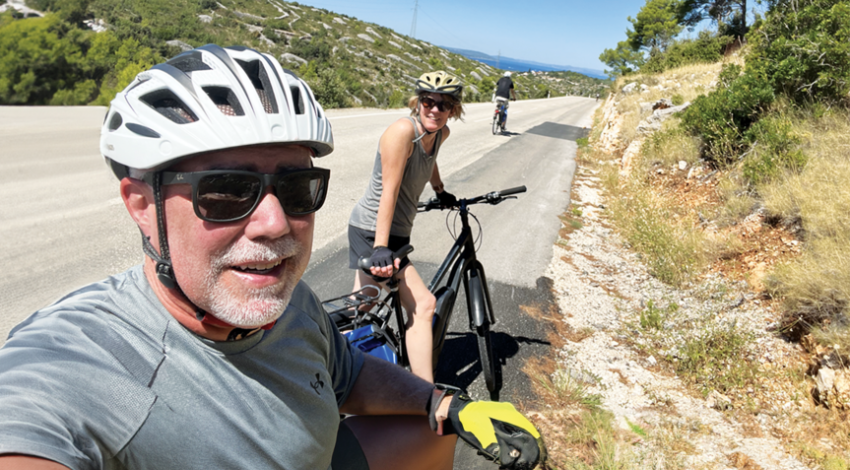
Anyone who recalls the thrill of getting a good push while learning to ride a bicycle can appreciate the growing popularity of electric bikes — bicycles outfitted with electric motors that lend extra oomph to your pedaling.
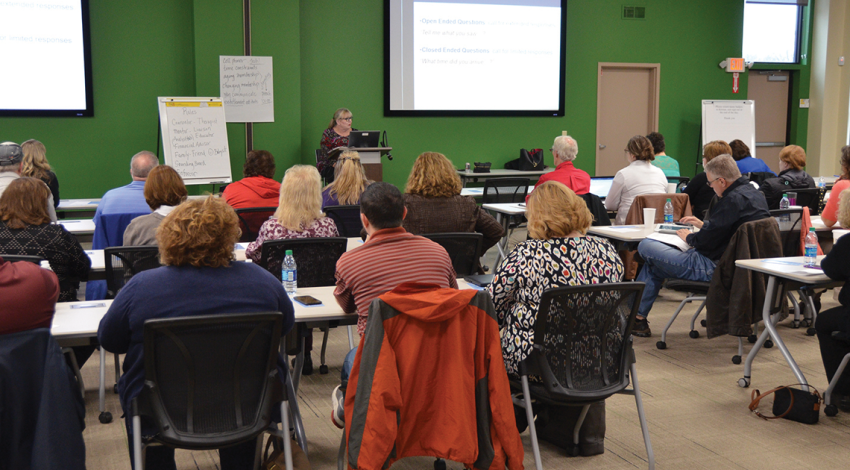
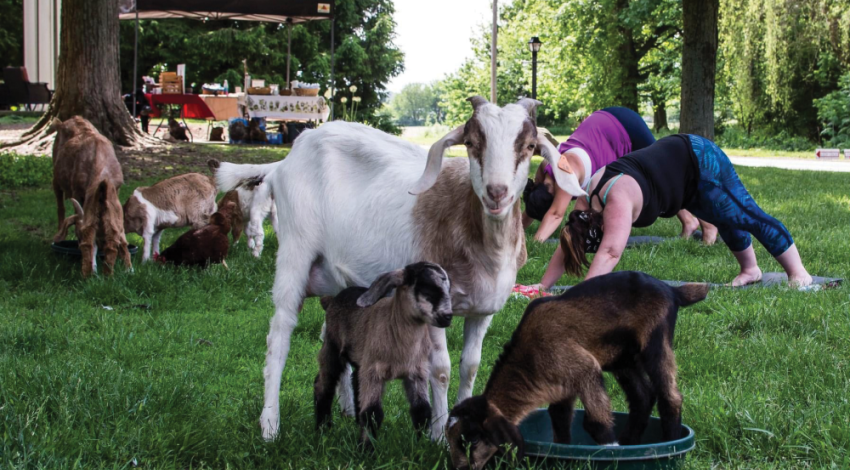
On Katherine Harrison’s farm in Groveport, every animal has a job. The chickens offer eggs. The cats provide comfort. And the goats help teach yoga.
The idea for the program arose organically, says Harrison, owner and operator of Harrison Farm. (Her secondary title, she says, is “chief minion” to the goats.) She met yoga instructor Dana Bernstein in 2016 while she was planning Bernstein’s wedding, and the two hit it off.

Ohio is known as the “Mother of Presidents” because eight of the nation’s 46 chief executives called it home. The first of them, Ulysses S. Grant, now has a state holiday in his honor.
The idea for Grant Day came from State Sen. Terry Johnson (R-Scioto County), whose 14th District covers Clermont, Brown, Adams, and Scioto counties. “I was attending Grant’s 200th birthday celebration in Georgetown and got to thinking it would be nice to make his birthday a state holiday,” Johnson says. Adam Bird, who represents House District 63 in southern Ohio, wholeheartedly agreed, and in May 2022, the two legislators introduced companion bills proposing Grant Day. They worked together as their bills moved through the legislative process, and Gov.

Often in life, we need to balance the practical with the possible. This is especially so as we navigate the social and political demands to rapidly reduce the amount of carbon emitted from the energy we use.
EPRI has been at the forefront of research to determine pathways that may someday lead to achieving dramatically lower carbon emissions that could meet the stated goals of many nations, organizations, and businesses around the world.
In my time on the board at EPRI, I’ve gotten a behind-the-scenes look at how our industry has been grappling with the many issues and concerns of rapid carbon emission reductions and identifying pathways that would allow us to meet those social and political demands. Among those concerns:
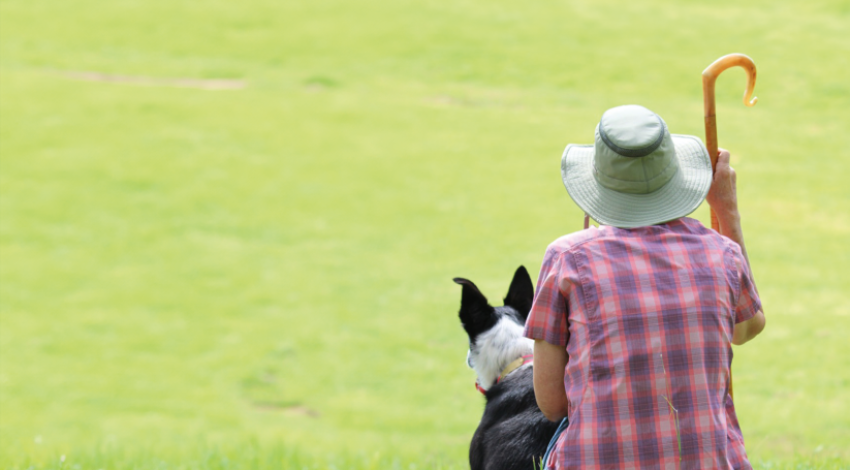
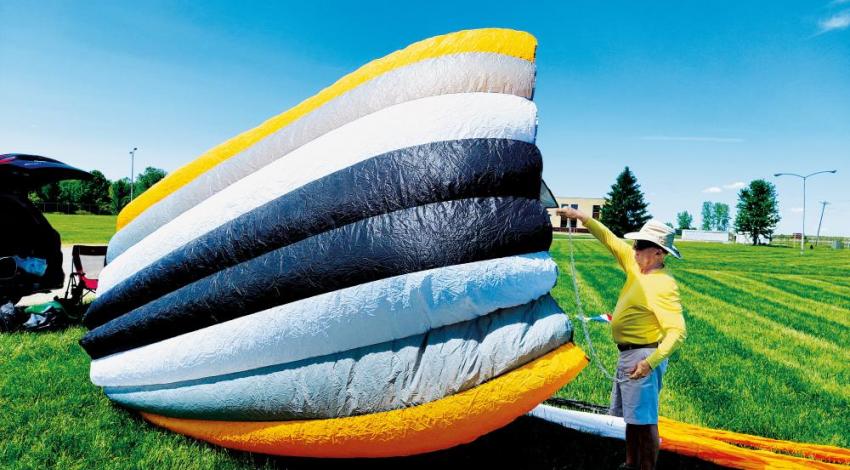
When spring’s first warm breezes blow over Ohio’s landscapes, there are plenty of folks — children and adults alike — who think, “It’s a great day to fly a kite!”
The group’s name is a clever allusion to Cincinnati’s history as well as the group’s reason for existence. “Cincinnati used to be the pork-processing capital of the U.S.,” says longtime member John Graves of Fairfield, a retired registered nurse, who also explains that “P.I.G.S. Aloft” stands for “People Interested in Getting Stuff Aloft.”
“We don’t collect dues or elect officers,” Graves says. “We just get together to fly our kites and have fun. Anyone is welcome to join us.”

The U.S. electricity system is poised to change more in the next 30 years than it did over the past century. The main reason for such a rapid transformation: goals set by industry and government to lower carbon dioxide (CO2) by mid-century.
Leaders within and beyond the sector are focused on developing the right mix of resources to enable a low-carbon future. While specific CO2 targets and the resources available to achieve them can vary by region, the early steps of the carbon reduction journey have shown that: