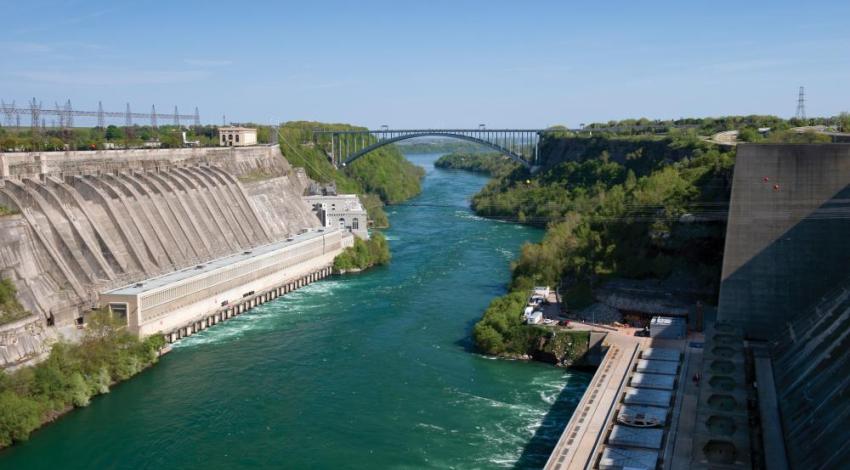
There’s an important debate going on currently about the best way to generate electricity to power America’s homes and businesses, framed something like this: Low- or zero-carbon-emission sources that are both generally expensive and only intermittently available on the one
“While coal and natural gas provide the bulk of our electricity supply in a reliable and cost-competitive manner, we continue to seek opportunities to develop renewable energy projects that make sense for our members,” says Pat O’Loughlin, president and CEO of Ohio’s Electric Cooperatives, the trade association that provides services to the 24 electric distribution cooperatives in the state. “Our hydropower, bio-gas, and solar resources are an important part of the mix. We’re always looking to grow and expand our supply resources in economical, practical, and beneficial ways.”
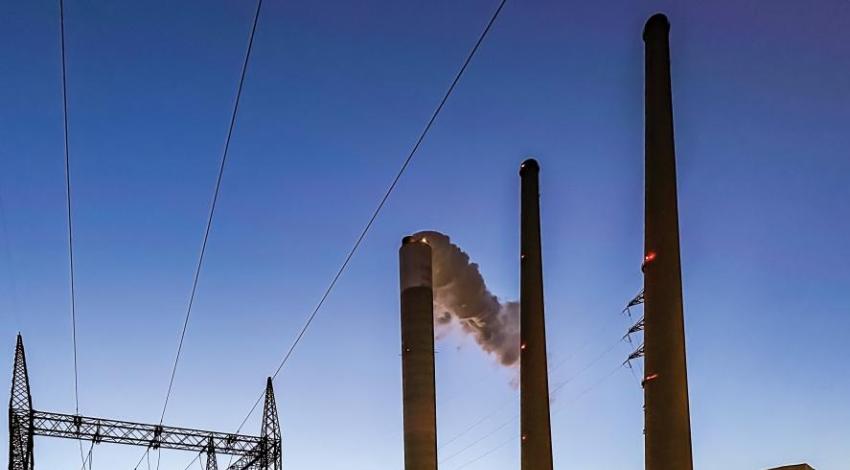
Electric-industry leaders nationwide are pushing back against the U.S. Environmental Protection Agency’s recently announced regulations that those leaders say are a threat to the reliability and affordability of electricity in the U.S.
One of the new rules would require Cardinal and other coal-fired plants to be 90% carbon-emission free by 2032 and points to carbon capture and sequestration — technology that does not and is not likely to exist at a scale that would be necessary — as a means to achieve it. Generating facilities unable to meet the demands would be forced to close.
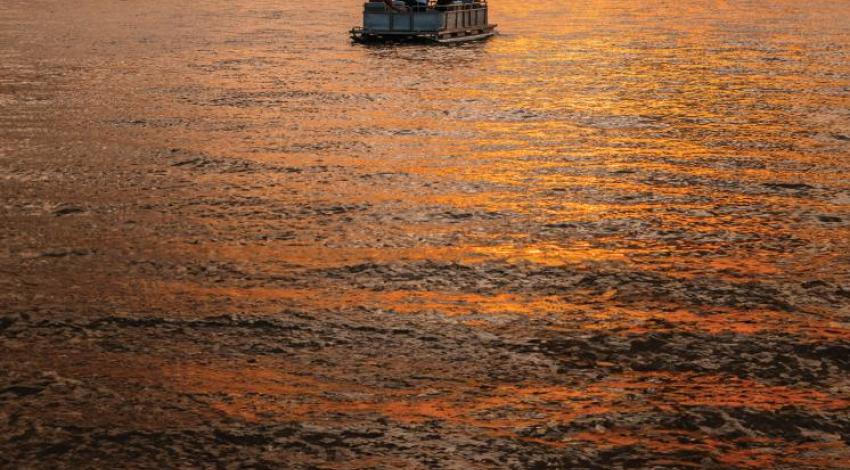
Nestled in the heart of Ohio, Buckeye Lake and Grand Lake St. Marys each faced near-devastating challenges over the last decade or two that brought their once-thriving “lake life” — and all the recreational and economic benefits that come with it — to a standstill.
Throughout the first half of the 1900s, Buckeye Lake reigned as the premier destination for leisurely outdoor activities in central Ohio. Its amusement park, complete with Ferris wheel and roller coasters, enticed younger visitors, while others boated, sunbathed, or just lounged around the lake. By the 1940s, as many as 50,000 people per day came calling, and show business superstars like Glenn Miller, Louis Armstrong, and Frank Sinatra played shows in its huge dance halls. Buckeye Lake became the first of Ohio’s canal lakes to be named a state park in 1949.

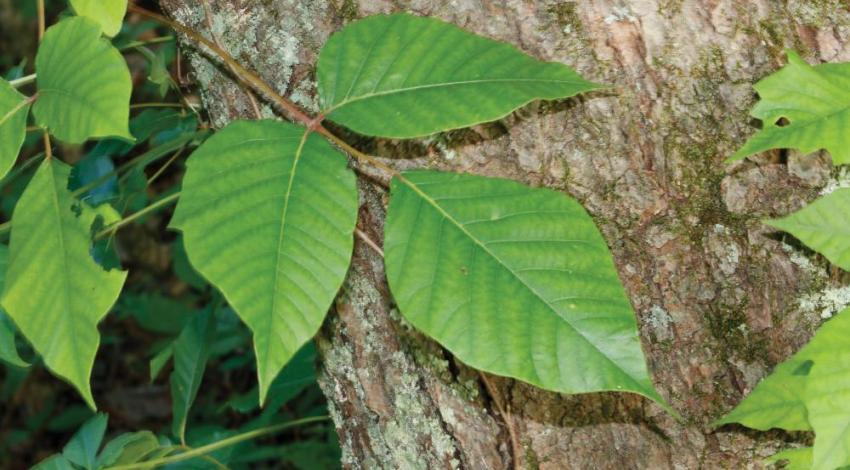
If you consider yourself an outdoors person, you do know what poison ivy looks like, right?
Are you sure?
Poison ivy wears many disguises. It can appear as a single plant, a group of plants, a shrub, a ground vine, or even a climbing vine. And its infamous “leaves of three” can be as small as a 50-cent piece or as large as your hand. In addition, different-shaped leaves (actually leaflets) —their margins smooth, lobed, or toothed — can appear on the same plant.
[Editor’s note: Ohio Cooperative Living honors the tradition in Alcoholics Anonymous in which members are
granted a level of anonymity in the press.]
Launched in Akron in 1935, AA is a fellowship dedicated to overcoming alcohol addiction, extensively documented in its publications such as Alcoholics Anonymous (known as “The Big Book”), Dr. Bob and the Good Oldtimers, and AA Grapevine.
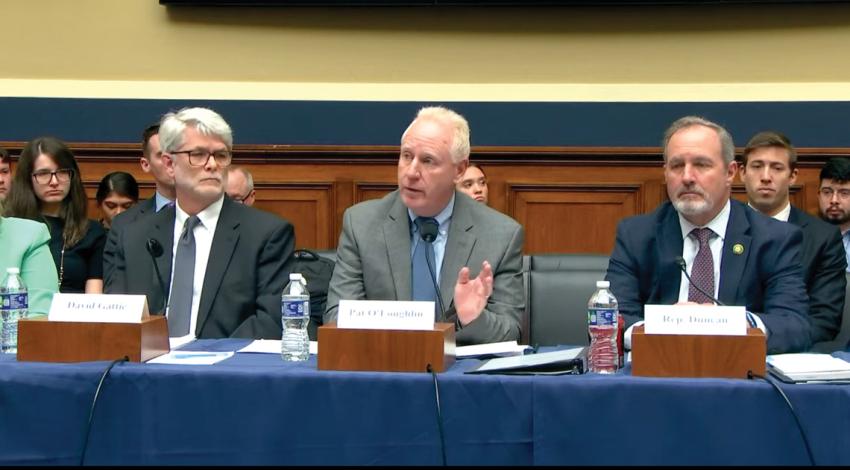
The United States Environmental Protection Agency’s new rule on greenhouse gas emissions from power plants will, if implemented, have severe negative consequences not only for Ohio but for our entire nation.
The rule requires existing coal-fired power plants to nearly eliminate the carbon dioxide they emit by first capturing the carbon that’s produced when coal burns and then pumping it deep underground. The rule requires compliance by Jan. 1, 2032.
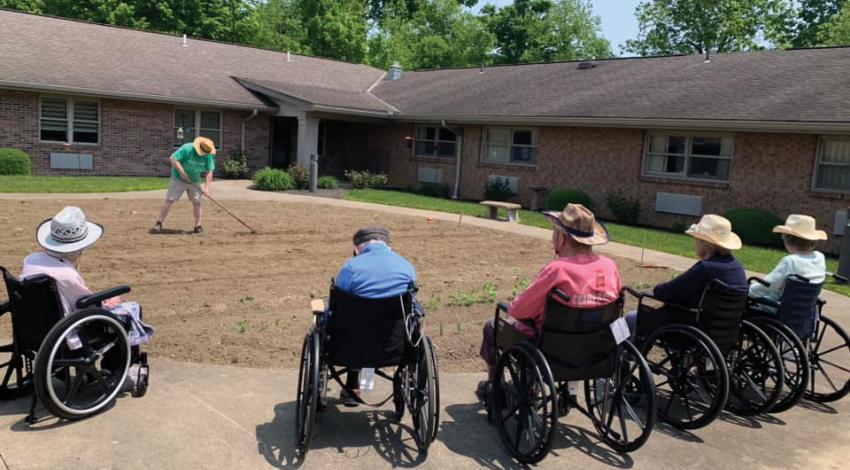
Jerry Banks has a green thumb — something to which his family could always attest. Now, so can the residents and staff at Woodland Country Manor in Somerville.
Banks and his wife, Kathy, residents of Somerville and members of Oxford-based Butler Rural Electric Cooperative, always had a home garden but expanded their gardening activities when her parents (Homer and Phoebe Polser) moved to the retirement community not far from the “homeplace.”
“They used to tend a 1½- to 2-acre garden,” Banks says. “He was not one to sit around without getting some dirt on his hands, so Kathy and I thought a garden would help with the transition.”
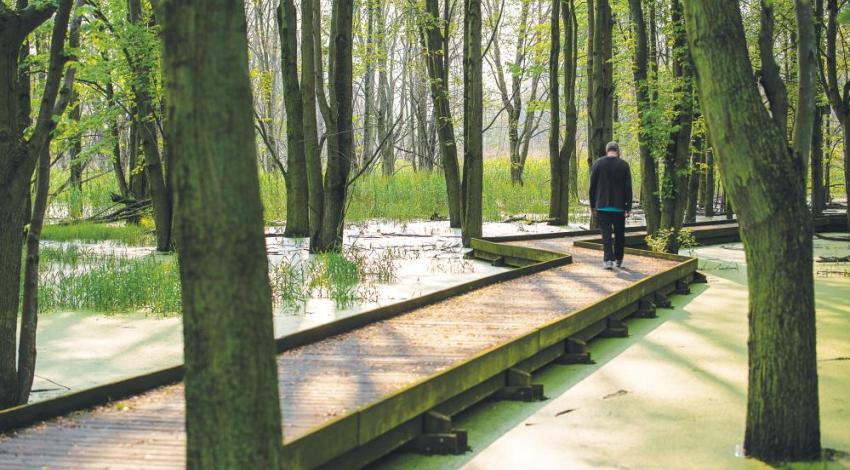
Nature weaves a tapestry of tranquil landscapes and vibrant ecosystems in Ohio, in several spots presented thoughtfully through the winding allure of boardwalk trails.
Summer at Maumee Bay State Park
On the northern cusp of Ohio near the town of Oregon, Maumee Bay State Park is one of Lake Erie’s playful attractions. The park features a 2.3-mile boardwalk that winds through wetlands teeming with diverse wildlife and lush vegetation. I stumbled upon this path a few years ago during a family stay at Maumee Bay Lodge.