As the United States celebrates its 250th anniversary this year, Americans are paying particular attention to the history of the nation: the “shot heard ’round the world,” the Declaration of Independence, the Revolutionary War, and all of the history from just before and after the birth of the nation.
Colonial America's western frontier — including the area that would become Ohio in 1803 — was a bit far removed from most of the battlefields and political intrigue of the Revolutionary War. But from a broader view, the Revolution was only part of a 60-year power struggle for control of the continent that began with the French and Indian War in 1754 and didn’t really end until the War of 1812, often called the "second war for independence.”
And Ohio was front and center the whole time. So, events and experiences marking the semiquincentennial are happening across all 88 counties during the course of the year — including a number of historical reenactments, during which visitors (and participants) can get a realistic look at life on the frontier during that time.
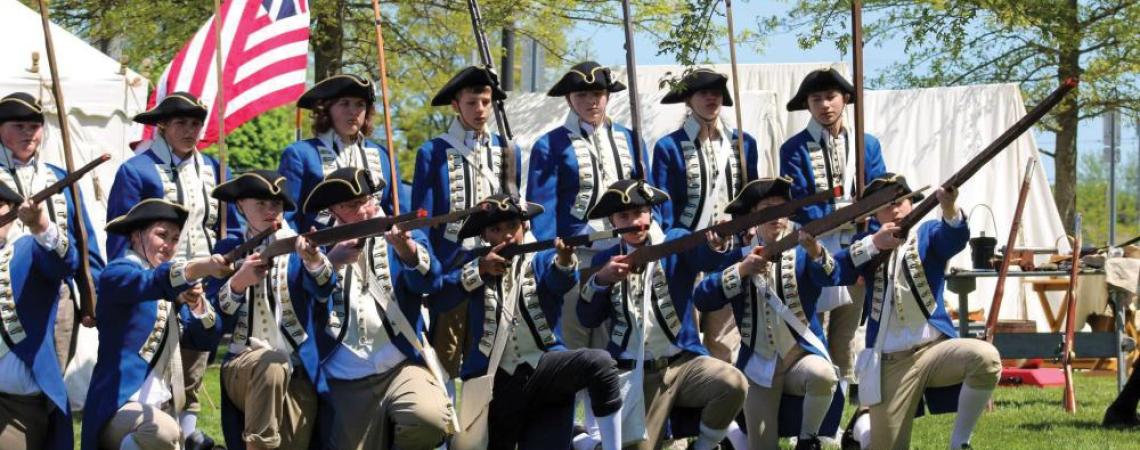
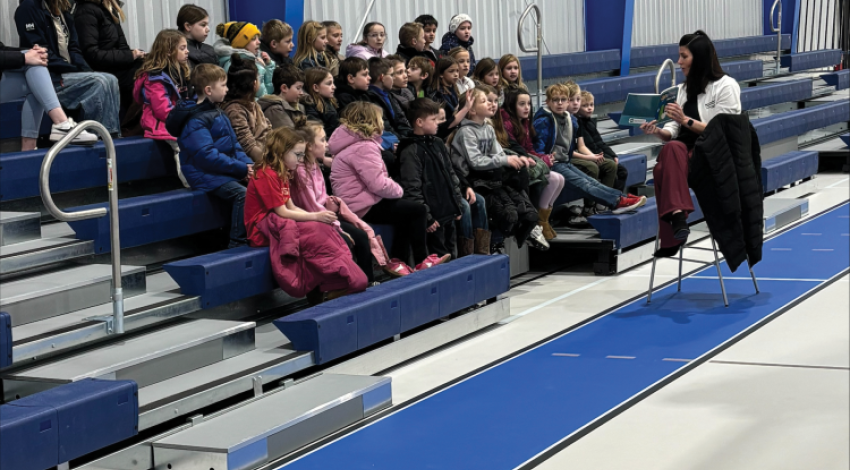
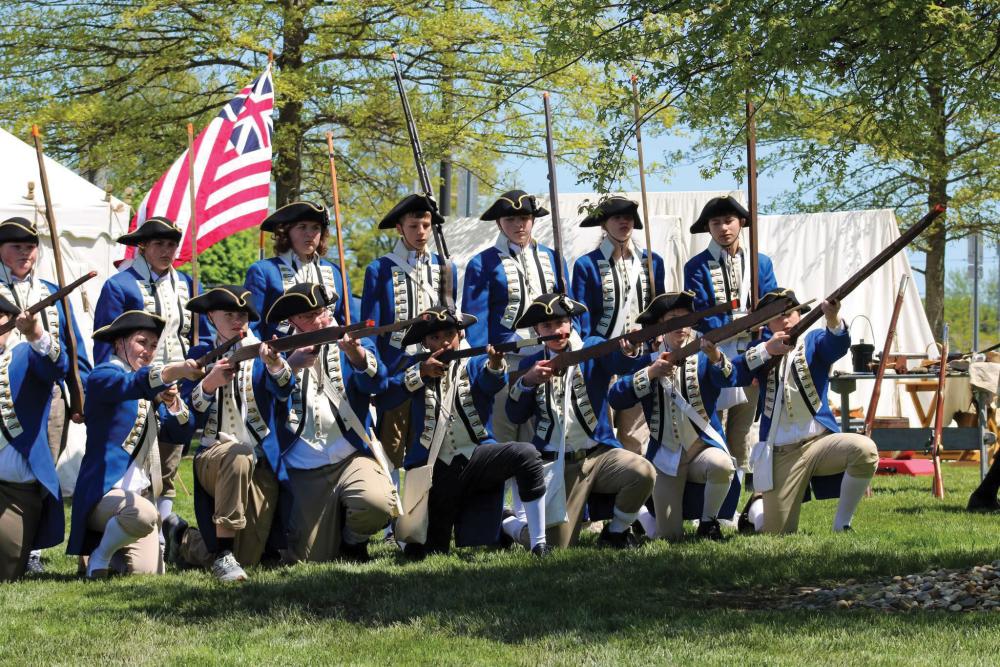
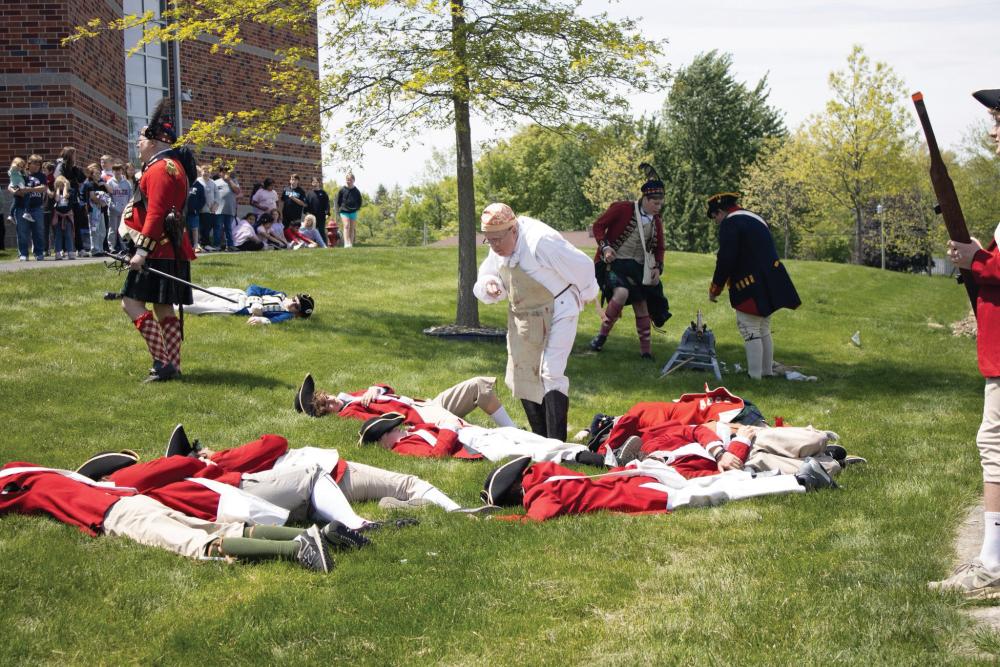
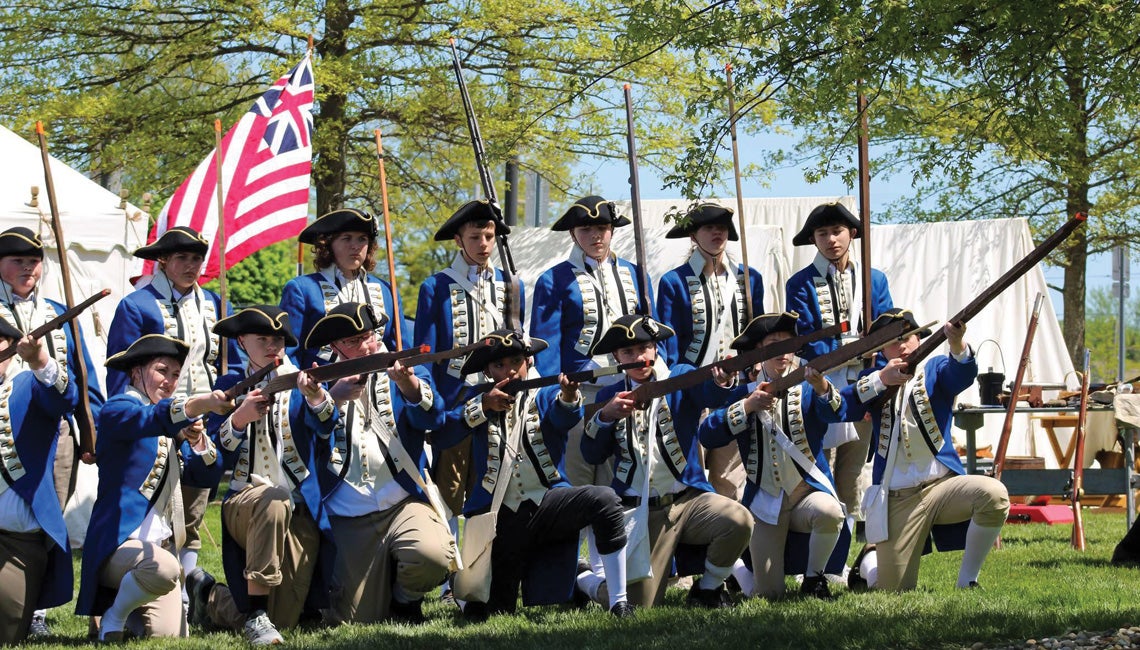
Middle-schoolers reenact some of the more well-known events of the Revolutionary War every May in Willard.
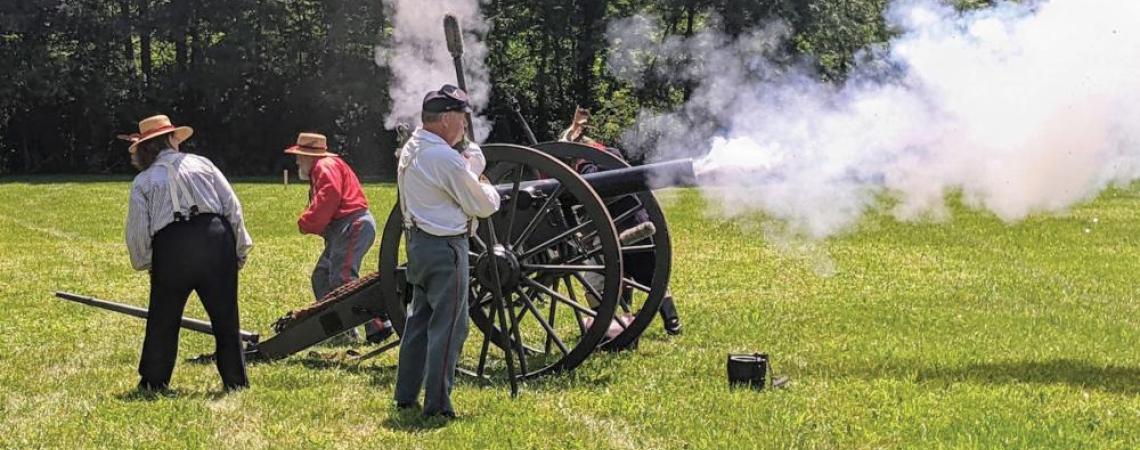
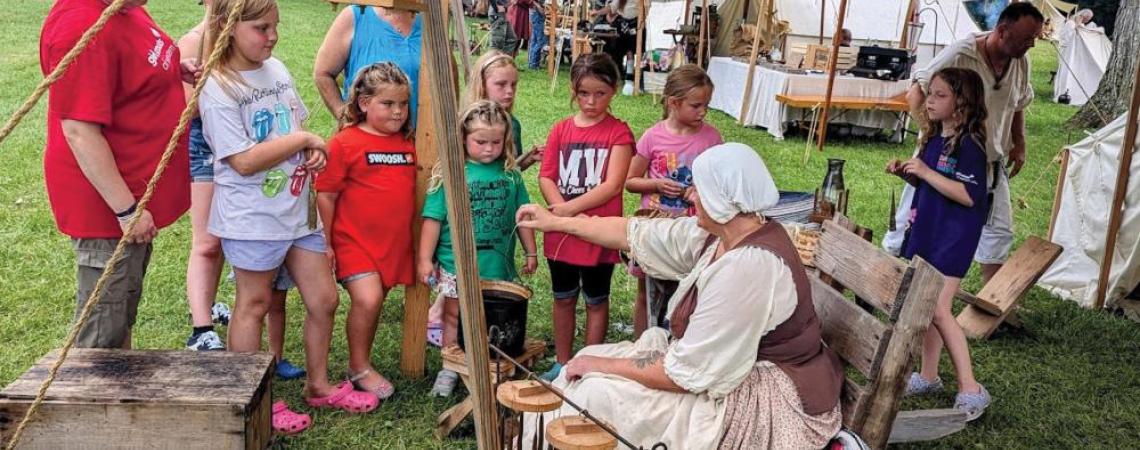
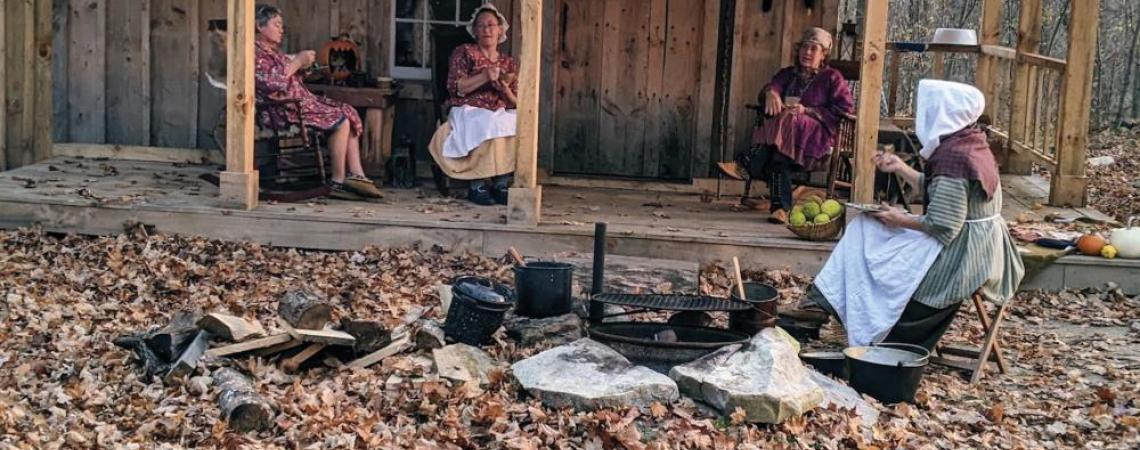
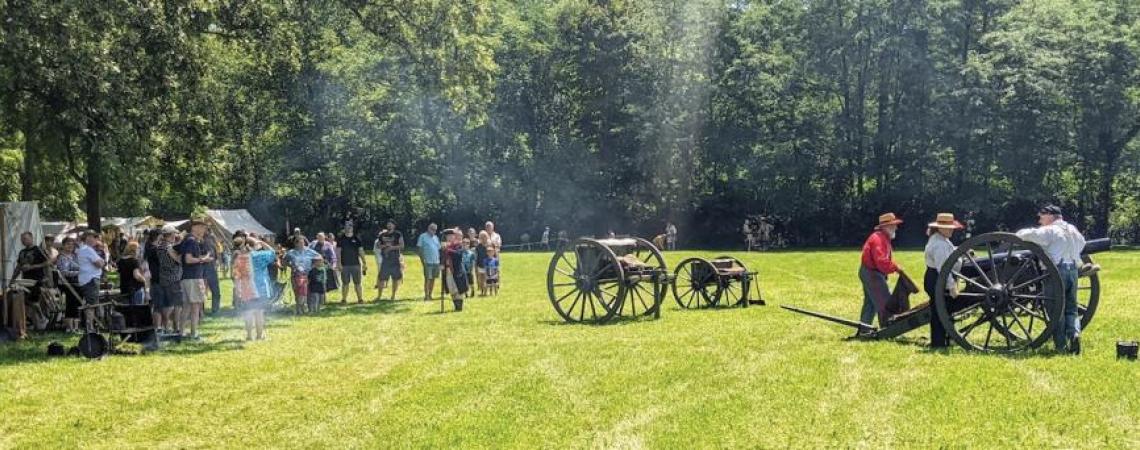
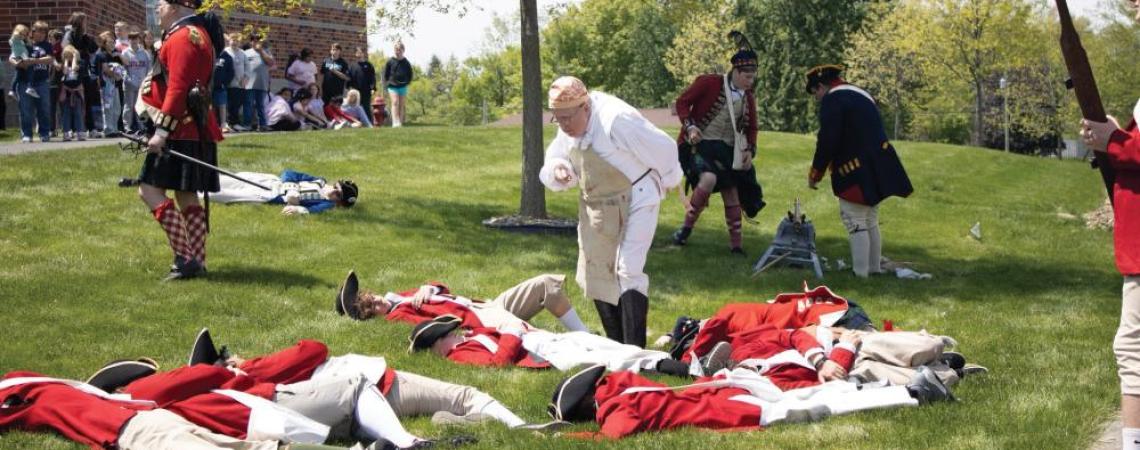
“Reading about history in a book is good, but it doesn't give you the same feel as attending a living history event,” says Cindy Jackson, a reenactor who is coordinator of the Fair at New Boston, an annual Labor Day event in Springfield that includes several reenactments during its run. “It helps us get in touch with history instead of it being a dry subject in a textbook — and when you see it happening right in front you, it isn't as pretty as in the movies.”
Encampment at the Confluence
June 27–28, Pontiac Park, Defiance
www.facebook.com/groups/488387566974170
The Confluence event reenacts the daily life of people in the 1770s through the early 1800s at the site where Fort Defiance was built in 1794 on orders from Gen. "Mad" Anthony Wayne at the confluence of the Auglaize and Maumee rivers.
“The Confluence is a really great event because it is literally on the banks of history,” says Taylor Moyer, historical programs manager for the Black Swamp Intertribal Foundation, who serves as coordinator of the event.
“You're literally standing on the spots where Fort Defiance was,” says Moyer, who is also a reenactor. “I think there's something profoundly important about being on the same sites as where the people before you walked. It’s right there at the site where all of those events happened.”
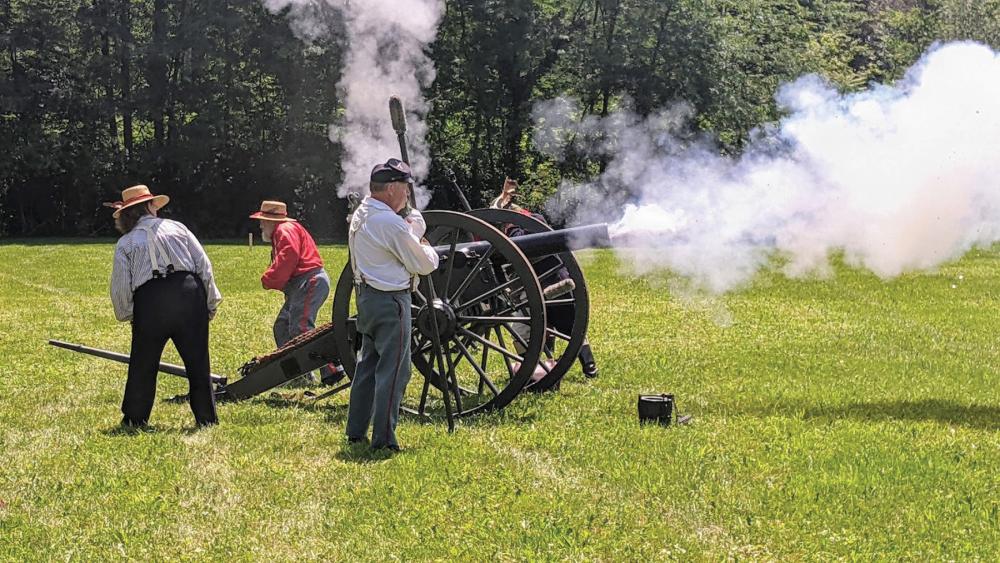
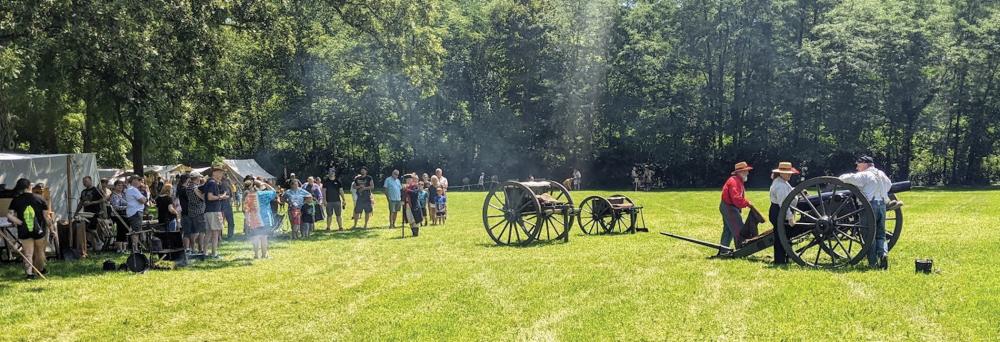
Visitors can experience live musket and cannon demonstrations on Saturday, see cooking demonstrations, enjoy hands-on activities, and much more throughout the weekend. On Saturday evening, there will be an America 250 commemoration featuring a wreath-laying ceremony, music, and guest speakers.
American Revolution: The 60 Years’ War for Ohio
and
Life in Early Ohio
Aug. 22–23 (Revolution) and Sept. 19–20 (Early Ohio), Fort Meigs, 29100 W. River Road, Perrysburg
www.fortmeigs.org
Fort Meigs, built on orders from then-Gen. William Henry Harrison as a reaction to British attacks on American forts in the Northwest Territory during the War of 1812, hosts a number of reenactments during the course of every year.
The Revolution event this year will feature military and battle demonstrations by hundreds of reenactors from across the U.S. and Canada. There will be an interactive ambush, hands-on activities for kids, fife and drum music, colonial farming, baking demonstrations, “coffee in the colonies,” textile production, and an 18th-century duel.
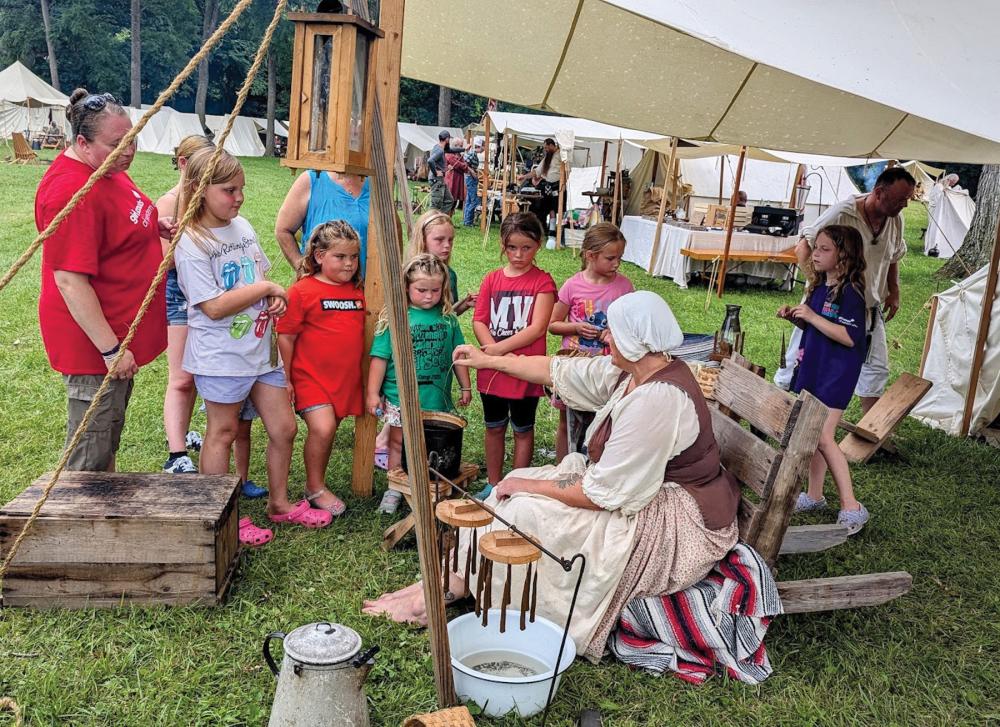
During the “Life in Early Ohio” event, the Old Northwest Military History Association and Fort Meigs staff focus on historic trades such as rope making, tomahawk throwing, box loom weaving, baking, gardening, blacksmithing, tea gardening, harness making, spinning, and cooking.
Hours are 9:30 a.m. to 5 p.m. Admissions range from $10 to $15.
The Fair at New Boston
Sept. 5–6, George Rogers Clark Park, 936 S. Tecumseh Road, Springfield
www.facebook.com/FairatNewBoston
Sponsored by the George Rogers Clark Heritage Association, the fair’s event reenacts the period between 1790 and 1812 and features vendors of period wares as well as entertainment such as puppets and music, food, a tavern, craftsmen, Woodland Indian Village, and a military encampment. Visitors can even learn dance steps from the period and watch battle reenactments each day.
Reenactors often slog through mud and step over ox manure, and those real-life situations are learning experiences for both reenactors and those watching them. “It gives you a better understanding of the struggles the early settlers had,” says coordinator Cindy Jackson. “We have not just vendors, but demonstrators. You’re not just buying a piece of pottery, you’re going to see the steps of that product being produced. You might observe a piece of wood being turned. You’re actually seeing these products how they were produced 200 years ago.”
Historic Trade Faire and Fall Festival
Oct. 17–18, Johnston Farm and Indian Agency, 9845 N. Hardin Road, Piqua
www.johnstonfarmohio.com
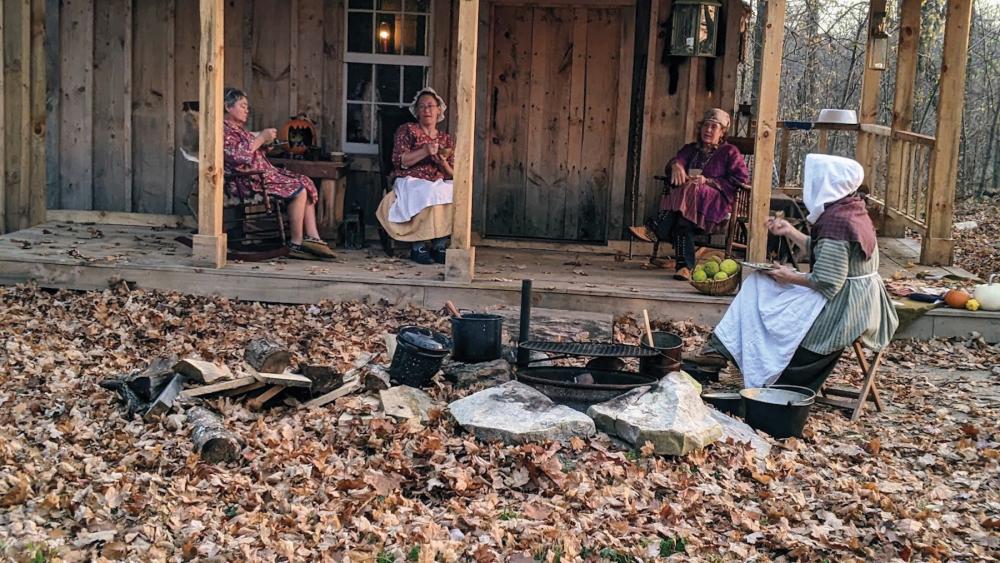
With reenactors showing scenes from the American frontier from the mid-1700s into the 1800s, visitors can see historical vendors, military camps, log cabin life, and craftsmen and artisans demonstrating skills such as blacksmithing, weaving, and hearth cooking.
And some events for next year…
Revolutionary War Encampment
May 2027, Willard Middle School, 23 Whisler Drive, Willard
www.facebook.com/WillardRevWar
Every May for the last 23 years, eighth-grade students at Willard Middle School have created a Revolutionary War Reenactment and Encampment as the culmination of a yearlong curriculum. It includes numerous stations depicting life in the 18th century, including everything from military reenactments and drills to frontier soap-making. Students bring history to life by reenacting famous events and battle scenes including Lexington and Concord, Bunker Hill, Valley Forge, and the surrender at Yorktown.
Revolution on the Tuscarawas
May 2027, Fort Laurens, 11067 Fort Laurens Road, Bolivar
www.fortlaurensmuseum.org
The Fort Laurens Museum in Bolivar stages an annual reenactment that takes place every May. Fort Laurens, Ohio’s only Revolutionary War fort, was built along the Tuscarawas River, finished in December 1778. It was constructed under the orders of Lachlan McIntosh, an American commander sent to the Ohio territory to defeat the Wyandot people, who were British allies, and to attack the British in Detroit. However, the British laid siege to the fort during the winter of 1779 and the fort was abandoned later that year.