power generation

A hand flips on a light switch.

Who among us, when we flip a light switch or turn on a fan, gives a second thought (or even a first thought) to where the electricity comes from to light the bulb or cool the room? Part of our job at Ohio’s electric cooperatives is to make it easy for you to take this miracle of science and engineering for granted. In this month’s issue, Ohio Cooperative Living pulls back the curtain and gives you a peek at how we make sure that power is literally at your fingertips anytime you want it.
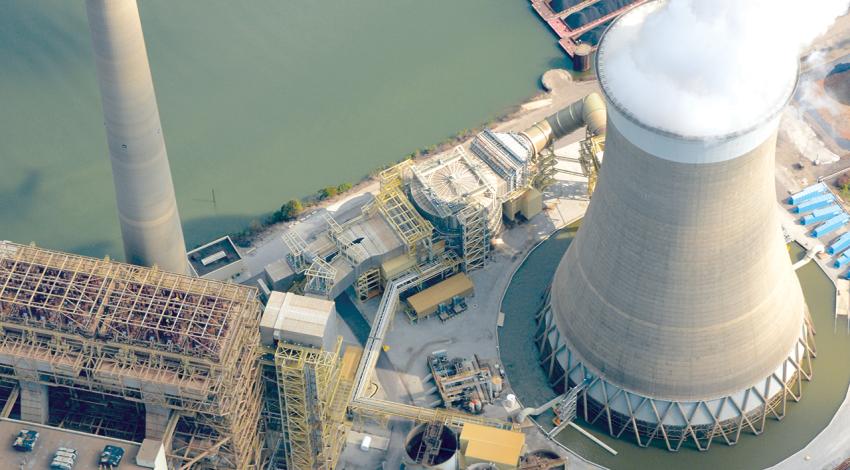

A shot of Cardinal Power Plant from above

Driving on Ohio Route 7 south of Steubenville near Brilliant, the first thing most people notice about the Cardinal Station power-generating facility is the snow-white plume emanating from the tall, thin dual stacks on the northern end of the station and from the shorter, stubbier tower to the south. The color of those plumes is significant. Long gone are the days when the stacks would send black smoke into the atmosphere. Thanks to more than $1 billion in investments in environmental equipment, that cloud is nearly all water vapor.

Rebecca and Ben Wever smile with their two sons.

Rebecca and Ben Wever, members of Marysville-based Union Rural Electric Cooperative (URE), attended their first co-op annual meeting this year, and they say it got them thinking more about the electricity they use.

Rebecca says she and Ben are keenly aware of events and factors that affect their energy bill, so the meeting was of particular interest. “My husband and I may be a little bit unusual there, but we want to protect our piece of paradise,” she says. “We always want to know why we pay what we do.”

Teresa Harshbarger, her daughter Alexa and their puppy, Ashley, smile for a photo.

When Teresa Harshbarger and her family built their home outside of New Concord several years ago, they bought their water heater from Guernsey-Muskingum Electric Cooperative (GMEC). It came equipped with a radio-controlled switch that allows the cooperative to remotely turn off the heater to curtail electricity use during times of heavy demand. Though she says she’s sure the switch has been activated from time to time, she has never noticed when it happens.

I began writing about industry issues in this magazine two years ago, shortly after I became president and CEO of Ohio’s Electric Cooperatives. I noted then that these are “interesting times.”

Actually, these times are more than simply “interesting.” Fact is, we’ve gone through a period of historic change: Older coal plants have been cleaned up or closed, while natural gas, wind, and solar power generation have increased, surpassing the role that coal once played as the leading source of power generation. The electric power that’s produced today is cleaner than it has ever been.

Local control is one of the defining characteristics of your electric cooperative. That control comes from a board that’s elected from the membership — member-consumers like yourself. Much of the success of the electric cooperative program is the result of effective governance by proactive, focused directors, whose primary role is to direct the CEO and the management team, assuring commitment to business success through maintenance of the highest standards of responsibility, service, and ethics.

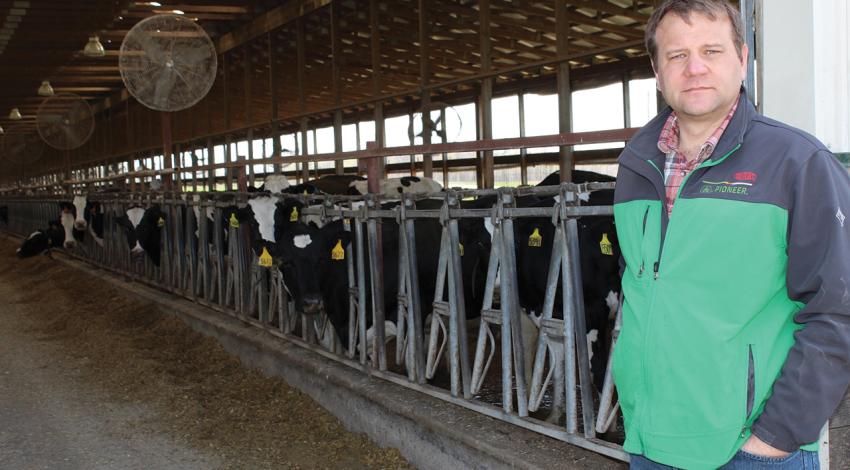
Chris Weaver, chief operating officer at Bridgewater Dairy in Montpelier, stands next to his cows.

Bridgewater Dairy, a family farm in Montpelier, Ohio, has 3,000 dairy cows that produce 30,000 gallons of milk daily. They also produce an estimated 15 million gallons of manure each year.

A decade ago, Chris Weaver, Bridgewater Dairy’s chief operating officer, started turning his farm’s animal waste into something valuable — electricity — by installing an anaerobic digester.

“I wanted to manage the animals’ manure with an eye to helping the environment,” Weaver says. “I also wanted to improve the comfort of my cows. An anaerobic digester lets me do both.”