Features

Willie Ludwig smiles inside the Ludwig Mill

Willie Ludwig usually can tell when the Isaac Ludwig Mill resonates with visitors. “People will walk into the mill, look around, take a big sniff, and smile,” he says. “Then they say it smells just like their grandfather’s old timber-frame barn smelled when they were kids.”

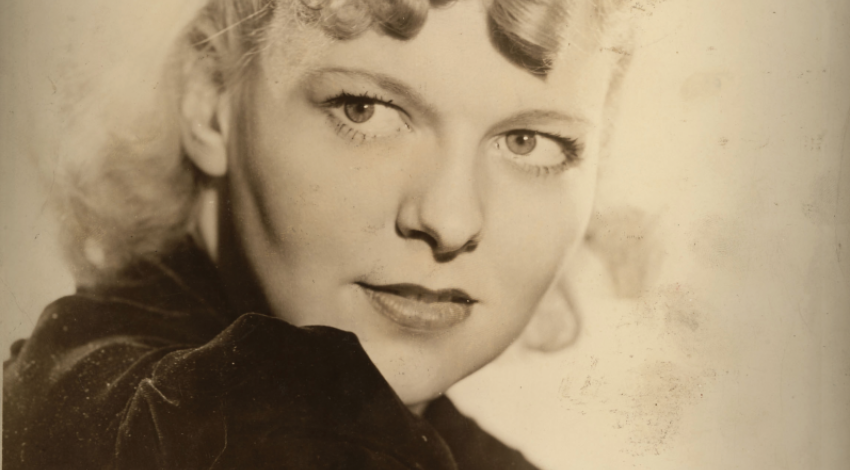
A black and white photo of Charles Young.

Charles Young was born into slavery in Mays Lick, Kentucky, in the time just after Abraham Lincoln delivered the Emancipation Proclamation and just before the ratification of the 13th Amendment, which abolished slavery.

His parents, technically still considered runaway slaves, carried him as an infant across the Ohio River to the freedom granted them when his father enlisted in the Union Army.

A series of computers are shown.

When it comes to adopting new technology, electric cooperatives are David beating Goliath.

“The smaller size of co-ops allows us to be more nimble because we have fewer consumers,” says Pat O’Loughlin, president and CEO of Ohio’s Electric Cooperatives, the wholesale power supplier and trade association for the 24 co-ops serving the state. “We can try new things and deploy them faster than some big utilities.”

Owner Howard Miller watches customers roam the floor of his hardware store in Hartville.

Large windows inside Howard Miller’s office give him a prime view of Hartville Hardware’s main floor; he often leaves his desk to watch folks navigating his store.

Down on the sales floor, shoppers might run across anything from a bright green John Deere Gator to a hot pink, Lil’ Pig Traeger grill. From time to time, someone looks up, spots Miller at the window, and waves. Miller always eagerly waves back. “I grew up with so many people that work and shop here,” he says.

A collection of three Country Living covers.

A look back

Country Living came into being at a time when the country was still getting used to the idea that farmers could get electricity from a centralized power plant, just like urban dwellers could.

A little more than 20 years had passed since Franklin D. Roosevelt had signed the Rural Electrification Act, which allowed for the creation of electric cooperatives to illuminate the mostly dark countryside. By October 1958, 28 electric cooperatives had formed and were successfully providing electricity to rural areas — mostly farms — in the Buckeye State.

A photo of Sen. John Glenn

No matter how big a hero he became, through his pioneering work as a test pilot and astronaut or his service to the state and country as a United States senator, John H. Glenn Jr. never forgot his rural roots — and that made him a friend to electric co-op members everywhere, says Darrel “Cubby” Cubbison, the retired longtime member services manager at Guernsey-Muskingum Electric Cooperative.