In The Garden

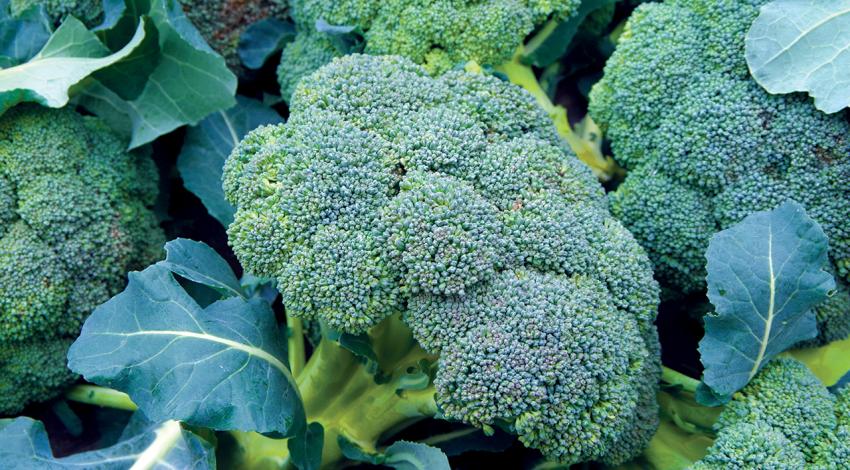
A picture of broccoli.

Many of us gardeners have our vegetable favorites, but truth be told, I’m a bit biased when it comes to broccoli. Not only do its flowers attract beneficial insects, but its culinary versatility and ease of growing make this cool-season favorite one of the most desirable vegetables to grow in the kitchen garden. When grown in the cool weather of spring or fall, the result is a sweeter-tasting head with gourmet flavor. Growing broccoli with sweet, tender, tasty heads is all about getting plants off to a good start, keeping them content, and heeding the signs.

A collection of eggplants in various stages of growth.

Years ago, I discovered that there is a lot to like about eggplant.

Aesthetically captivating, the plant’s gorgeous lavender flowers, followed by a glistening display of purple to purplish-black fruit, are a striking addition to the garden. Additional fruit color options include pearly white, soft orchid, and bright orange. Some varieties also produce fruits in various interesting shapes, from the classic oval to an elongated teardrop to long and slender or curved like a banana and even round balls that are the perfect size for shish kebabs.

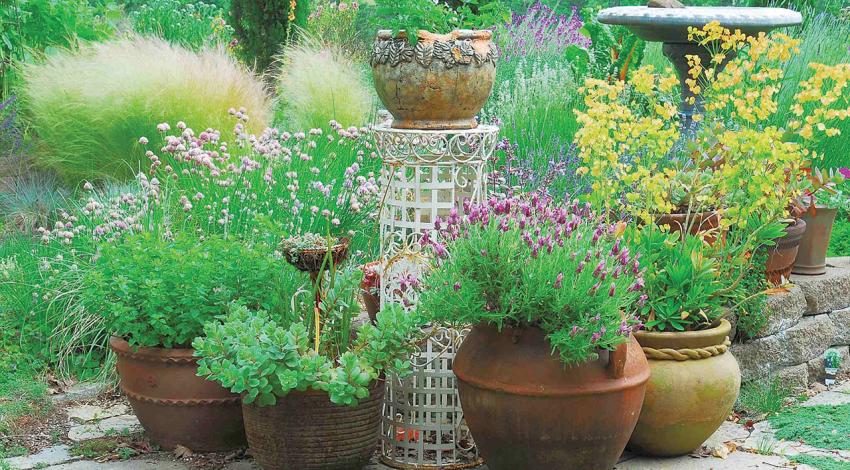
A collection of potted herbs.

You may have room to grow culinary herbs in your garden, but a group of potted herbs growing right outside your door offers both portability and easy access to your favorite herbal seasonings in the kitchen. Growing herbs in containers also solves many gardening problems: it allows easy improvement of poor soil; curbs invasive herbs such as mint; and even spares gardeners the agony of sore knees.

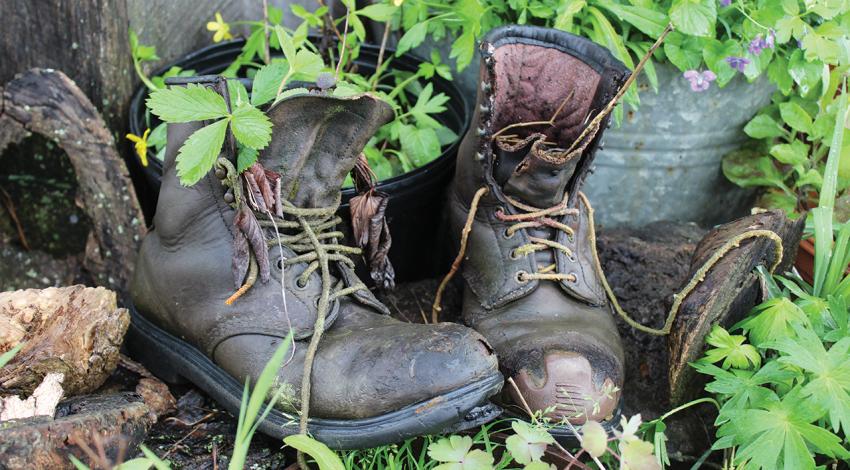
Two old boots contain plants.

The first containers Kathleen Killilea remembers planting were terra cotta window boxes with cherub embellishments. “My father lifted me over the wall of a client’s garden and handed them to me,” she recalls. Killilea’s job was to place those flower boxes she had helped to plant. She and her brothers played assistant to their dad, who started working at deMonye’s Greenhouse in Columbus when he was 13 years old and grew up to own it.

A monarch butterfly sits on a flower.

Smiles and giggles are everywhere as each child follows his or her butterfly. The adults stand ready with their cameras and their own smiles.

Every year, The Butterfly Migration Celebration is held at the The Children’s Garden in Lima. It’s the biggest project Allen County Master Gardeners puts together.

Master Gardeners are dedicated to promoting and teaching environmentally sound research-based gardening practices. This is done through many different projects held throughout the year.

A picture of a garden at Quailcrest Farm

Make your landscape lovelier with these eight great gardening tips from Ginna Phillips of Quailcrest Farm:

1. Everybody should have a little herb garden close to the kitchen door. The easier it is to get to your herbs, the more you’ll use them.

2. Mulching is key to less maintenance. Eliminate a lot of weeding by using a good hardwood mulch around plants.

3. Deadheading and pinching keep plants looking good. When herbs and flowers seem past their prime, cut them back so they’ll send out new foliage.

An overgrown front yard.

Gardening is like any endeavor. The more you know, the more success you’re likely to have. Every setback can serve as a learning experience and evidence for the saying that “Everything I learned about gardening can be found in my compost pile.” One way to speed up the learning process is by taking advantage of the knowledge of those who have killed their petunias and dogwood trees before you.

Here are seven of the most important woes that our “foregardeners” would warn you about:

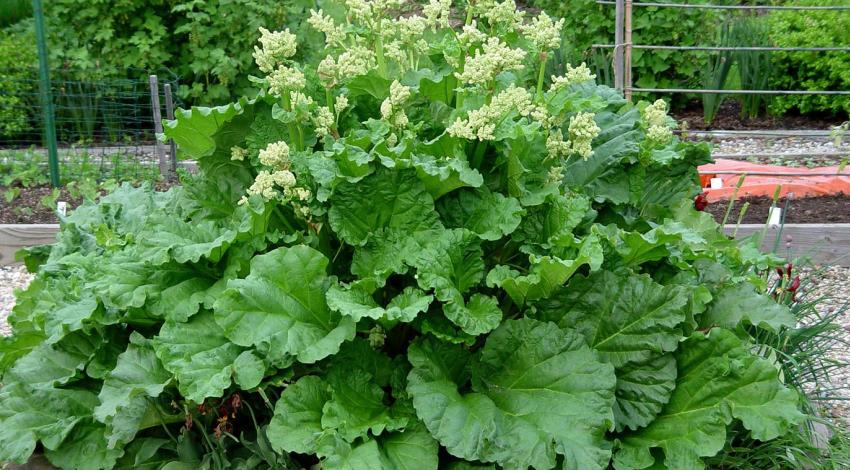
A rhubarb plant in flower.

If you’re going to take a shot at growing your own dinner this year, a good place to start is by picking the crops that offer the best return on your investment.

Experienced gardeners quickly learn that some types of home-grown vegetables work out better than others.

Choices such as onions and peppers, for example, perform reliably well with few setbacks throughout most of the country, while crops such as broccoli and spinach often run into bug threats and have fairly narrow planting-time windows.