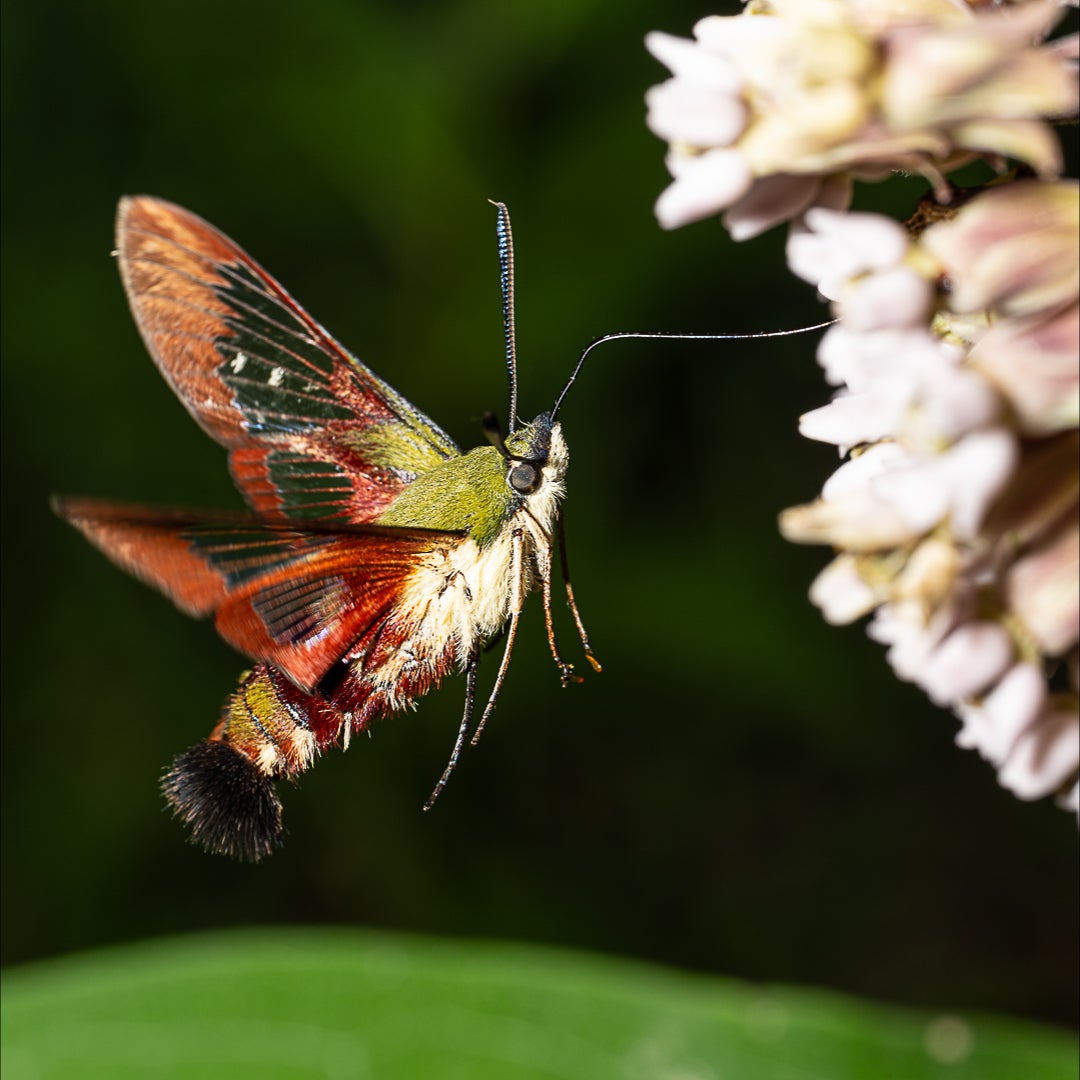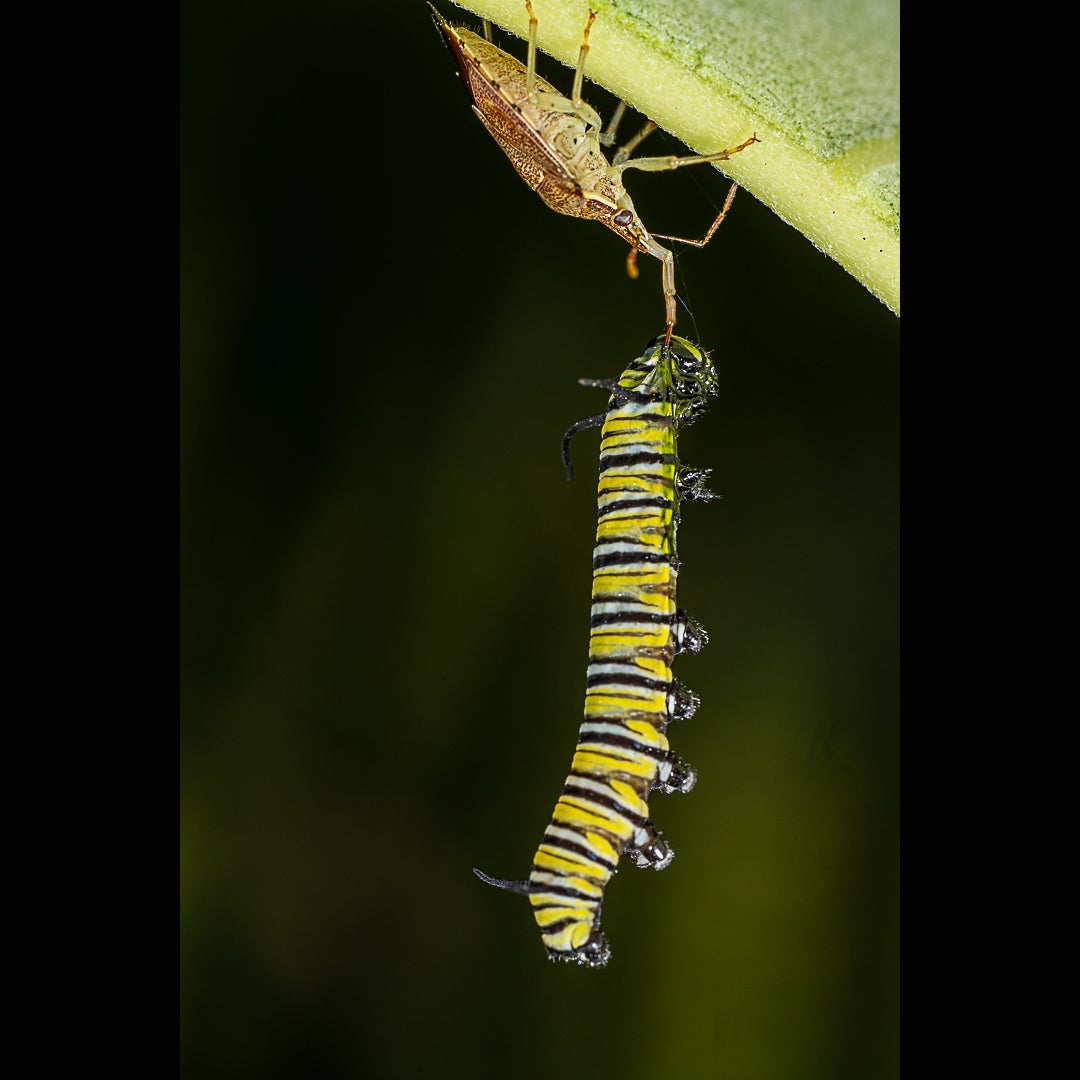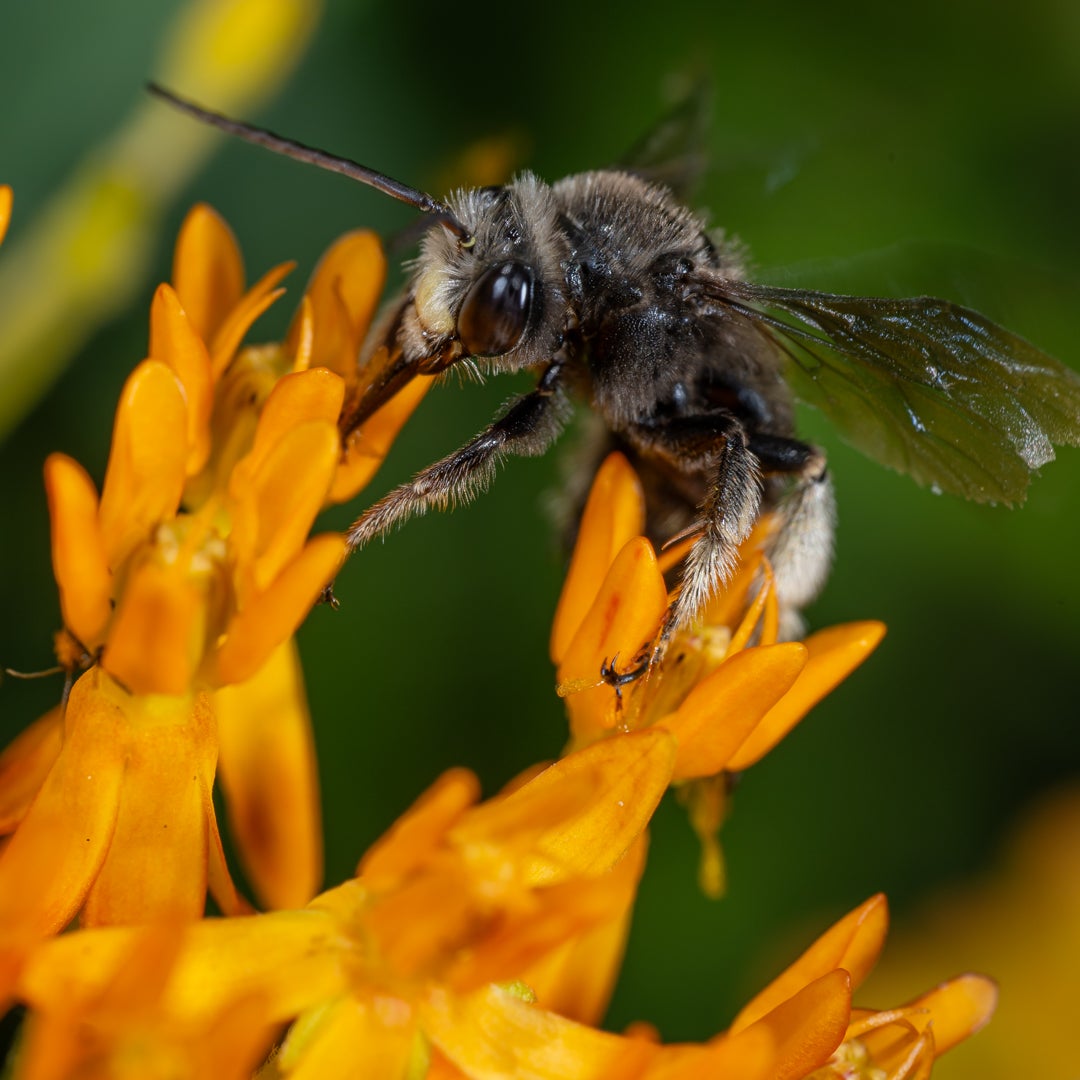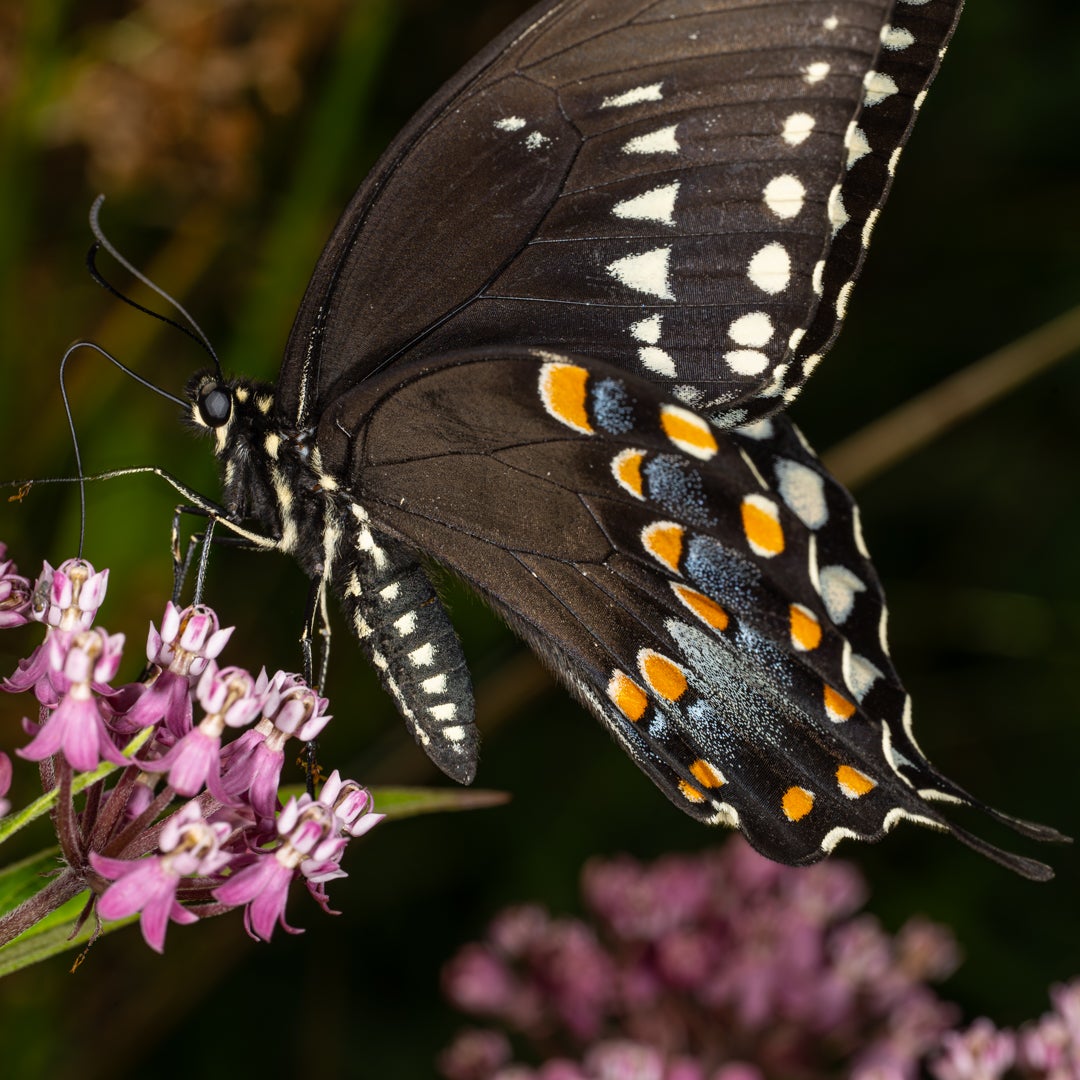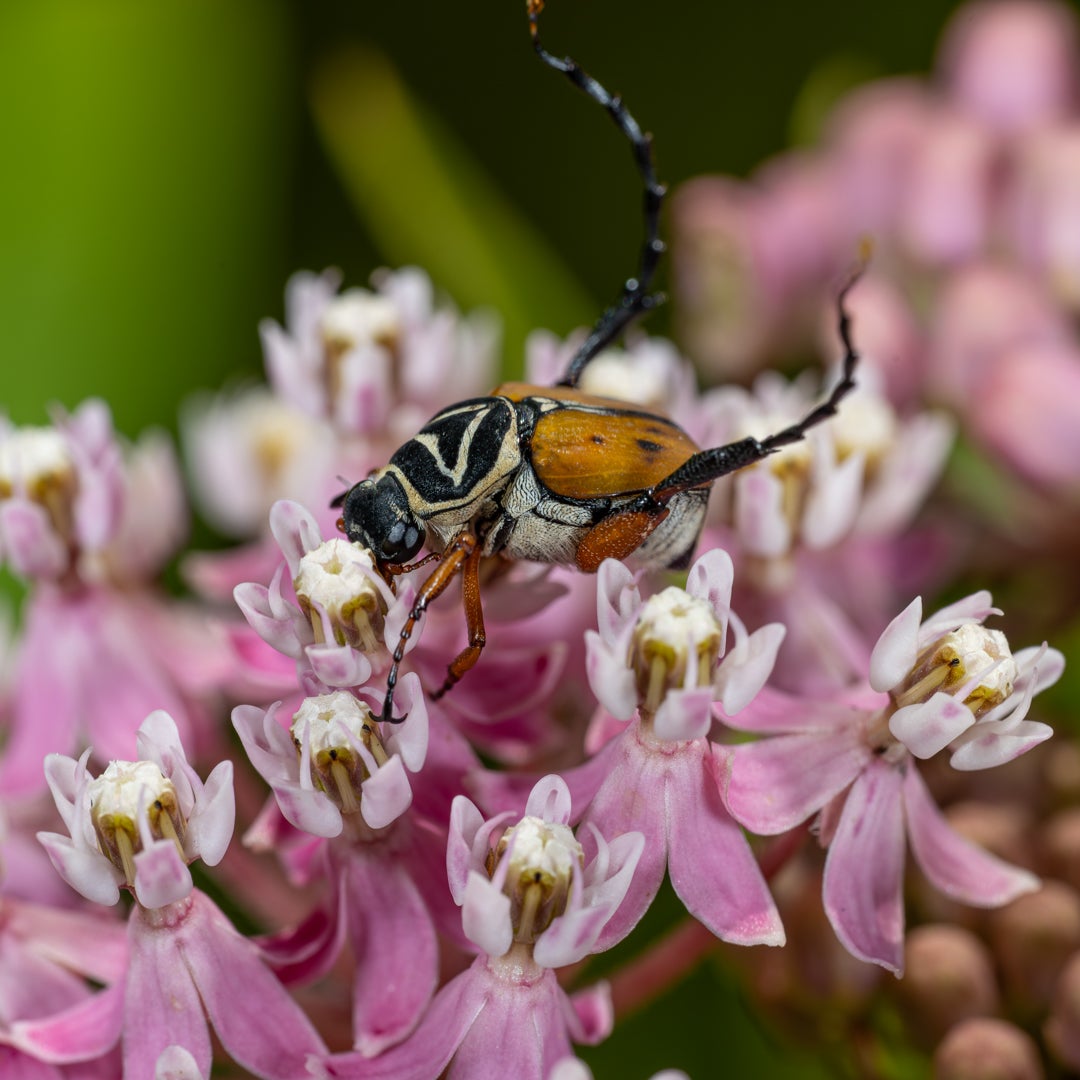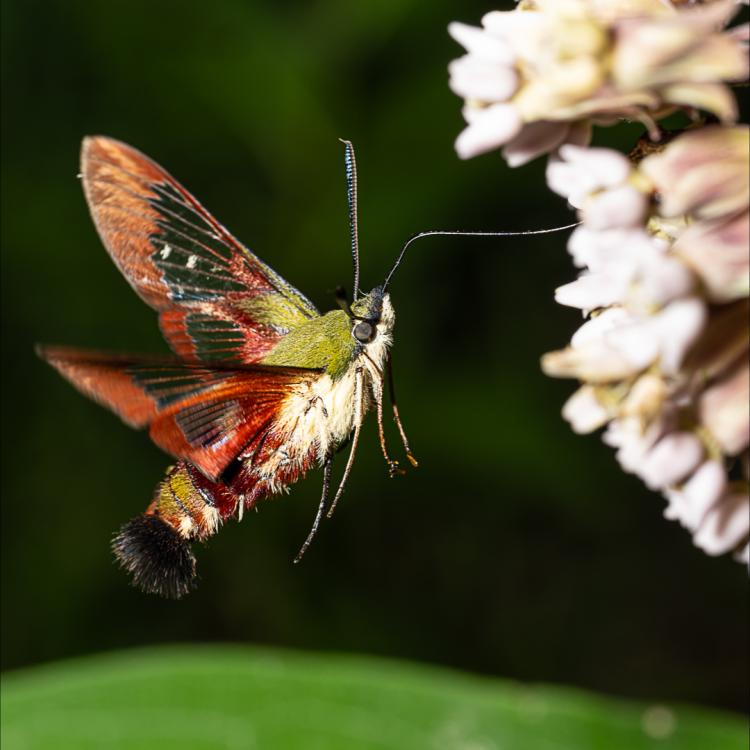
Hummingbird Clearwing (Hemaris thysbe) feeding on Common Milkweed (Asclepius syriaca). Hummingbird Clearwings are diurnal feeders of flower nectar. Field in Glade Farms, Preston County, WV 7/2024
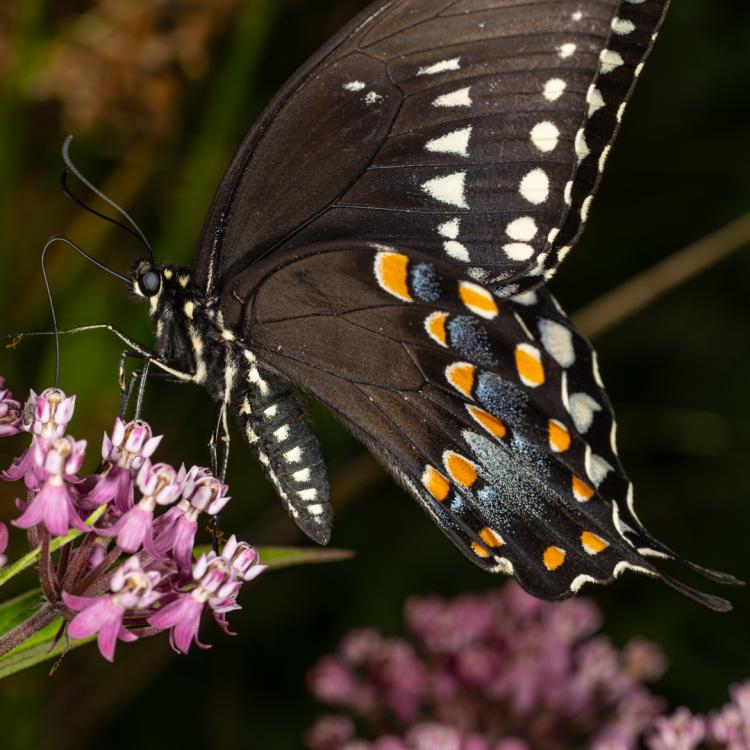
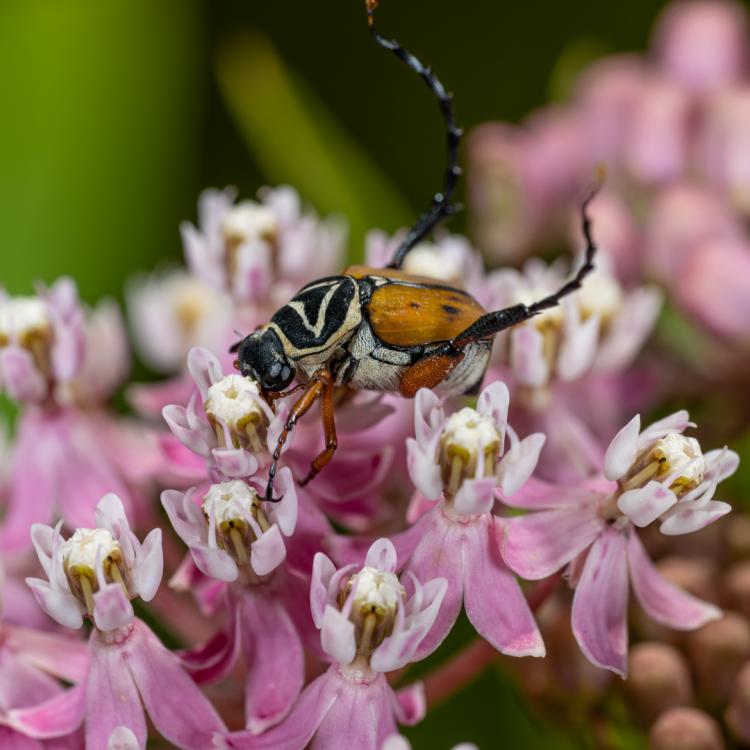
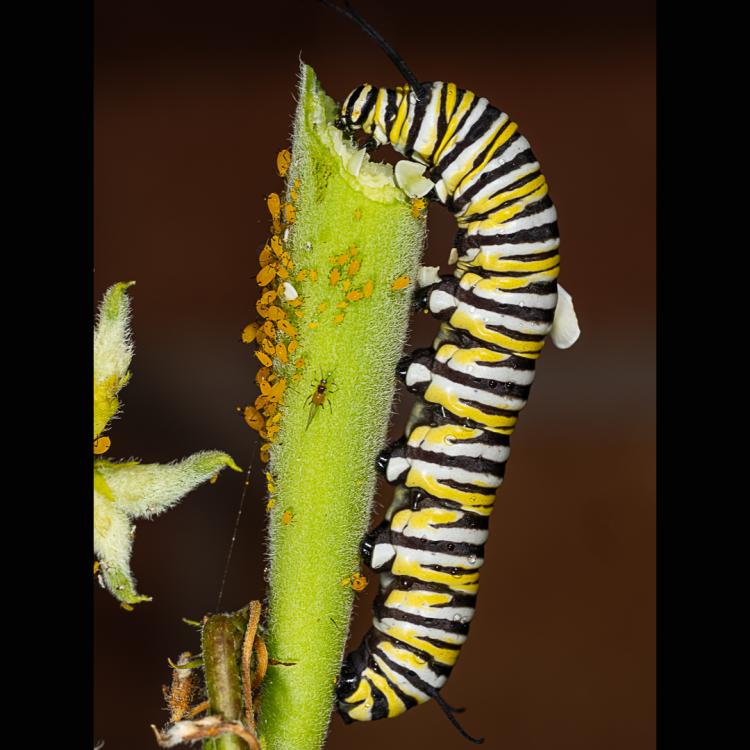
One of the things I enjoy most about writing my monthly Q&A “Ask Chip” online column is interacting with electric cooperative members. My wife and I have been co-op members for 47 years (Consolidated Cooperative), and it’s always interesting to hear what other members statewide are involved with in the out-of-doors. That said, the recent item below is one of the most unusual — and fascinating — email questions I’ve ever received.
Jim Murtha, South Central Power Company
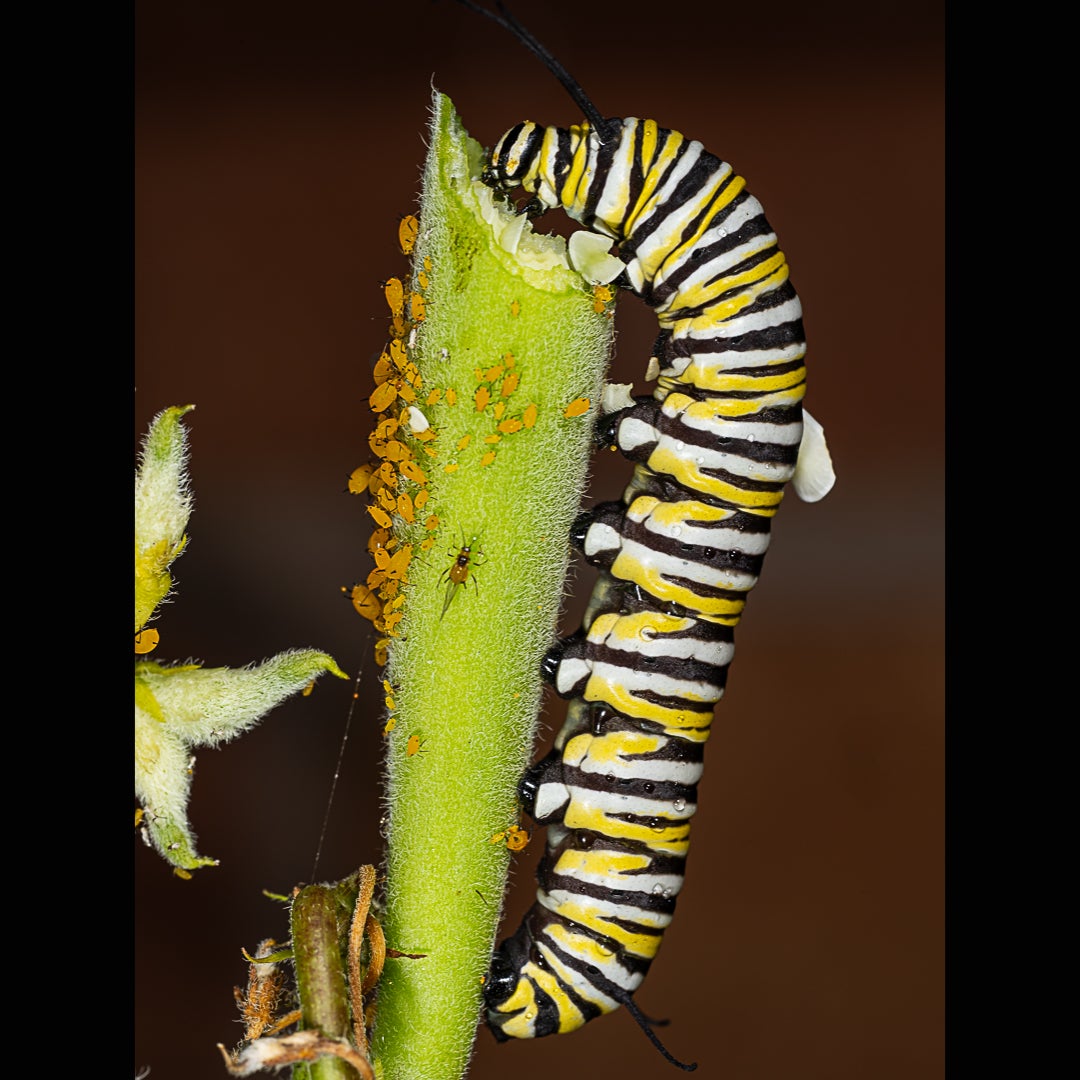
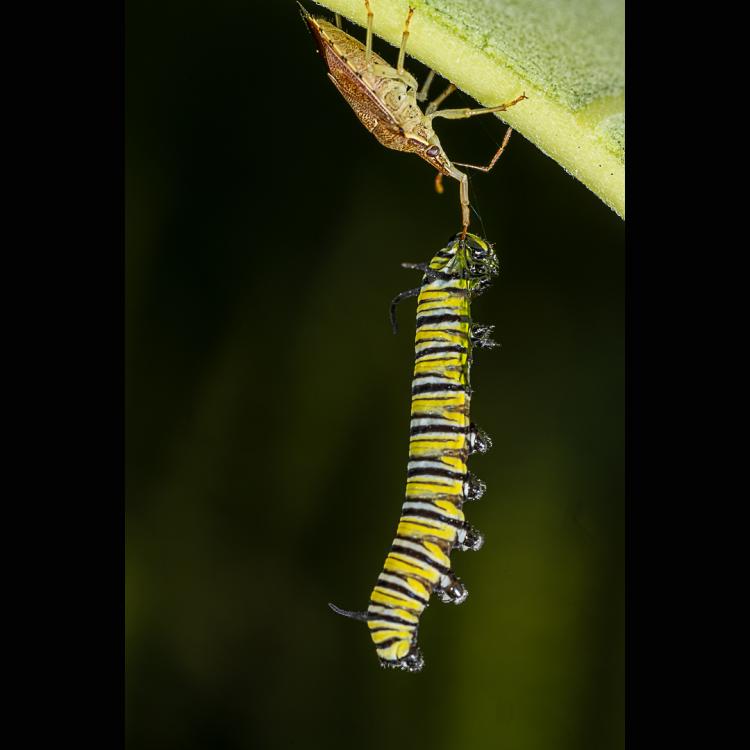
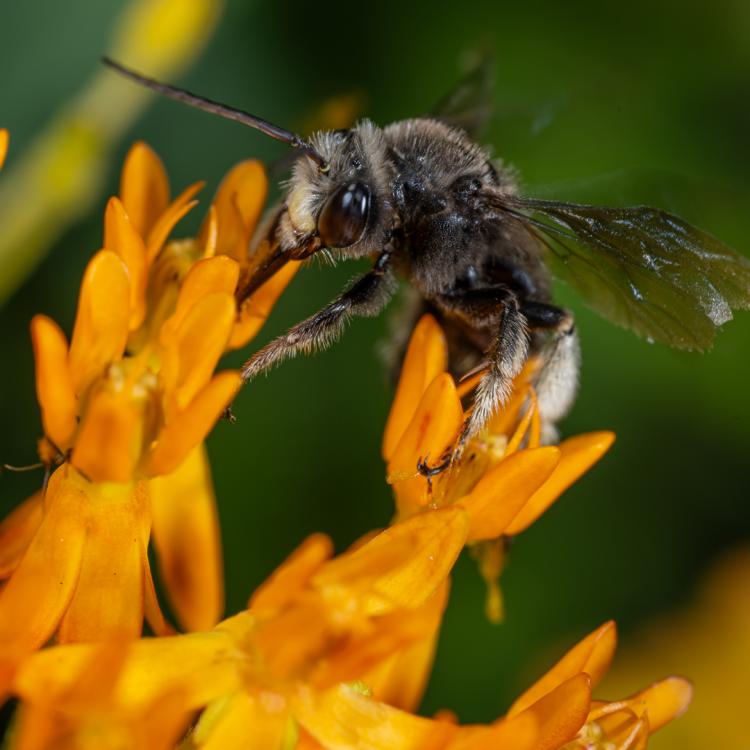
Q. Mr. Gross: I have just finished posting over 80 photographs on my Instagram account (@jmurtha614) that are the results to date of a two-year project to document the complex ecology and interrelationships associated with insects and milkweed plants. I have extensively photographed the interactions associated with three different milkweed species: Common Milkweed, Butterfly Weed, and Swamp Milkweed. Each photo has a detailed caption to explain the subject matter. The original source photos are 45MP images recorded in RAW format. I have sent six sample photos, two from each of the three milkweed species I studied. Captions are included.
While these photographs are probably not the type of subject matter that would work for your Woods, Waters & Wildlife print magazine articles in Ohio Cooperative Living, would you know of someone to whom they could be useful? Possibly scientists or naturalists that may benefit from utilizing these macro images? Depending on their use, I can make these full-resolution images available free of charge, provided proper credit is given. Generally, I do not charge for use in scientific books and papers; again, provided credit is given. My e-mail address is jmurtha614@gmail.com.
Milkweeds are a unique genus of plants, which is what piqued my interest in them. The flowers are nearly as complex as orchids, and many insects feed on milkweed nectar. However, the leaves, flowers, and seeds are laced with cardenolides — which are poisonous to most animals and insects — and are bitter in taste. But some insects have developed changes in their metabolism that make them resistant to the adverse effects of cardenolides, allowing the insects to safely consume milkweed. These insects can also sequester the poisons in their bodies, which in turn protects them from being eaten by predators, especially birds.
Lastly, I am not a professional botanist; rather, a retired 72-year-old IT manager with a bachelor’s degree in entomology. I used to photograph semi-professionally, and have been published in the Sierra Club and Nature Conservancy calendars, Outdoor Photography magazine, and Ohio Magazine calendars. I’m also a class 4-5 whitewater kayaker and woodworker.
A. Hi, Jim: Wow! Your photos are absolutely gorgeous, very professional! What I can do for you, through my “Ask Chip” monthly online column, is to make other members of our co-op family aware of your generous offer to share your photos. Hopefully, word will spread as a result, and your photos will draw the attention they deserve from scientists, naturalists, and other such professionals. Please let me know when that happens! Chip