Annette Franke, Consolidated Cooperative
Q. Hi, Chip: Red-winged blackbirds entered my yard a week ago in a huge flock. Now I am having difficulty managing my backyard bird-feeding station. The blackbirds take over so other birds cannot feed. Also, they break my feeders. How do I get rid of the redwings?
A. Annette: Late February and March begins the spring migration for most migratory birds in North America. What you are experiencing is the usual migration of red-winged blackbirds headed north. Some will remain here in Ohio to nest, but the others will soon continue on, so give it time. You also might consider not filling your feeders for a few days, which will give the redwings added incentive to leave your area.
Kim Richard, The Frontier Power Company
Q. Hi Chip: Excellent article about swans in the February 2026 issue of Ohio Cooperative Living print magazine; thank you! On a different subject, I’ve often wondered why Ohio doesn't have loons. I experienced their beautiful call in New York state, which seems to have comparable weather. Would love to hear that sound in the mornings on our Ohio lakes.
A. Hi, Kim: Glad to hear you enjoyed my swan ID story in OCL; their large size and graceful flight make swans some of my favorite wild waterfowl!
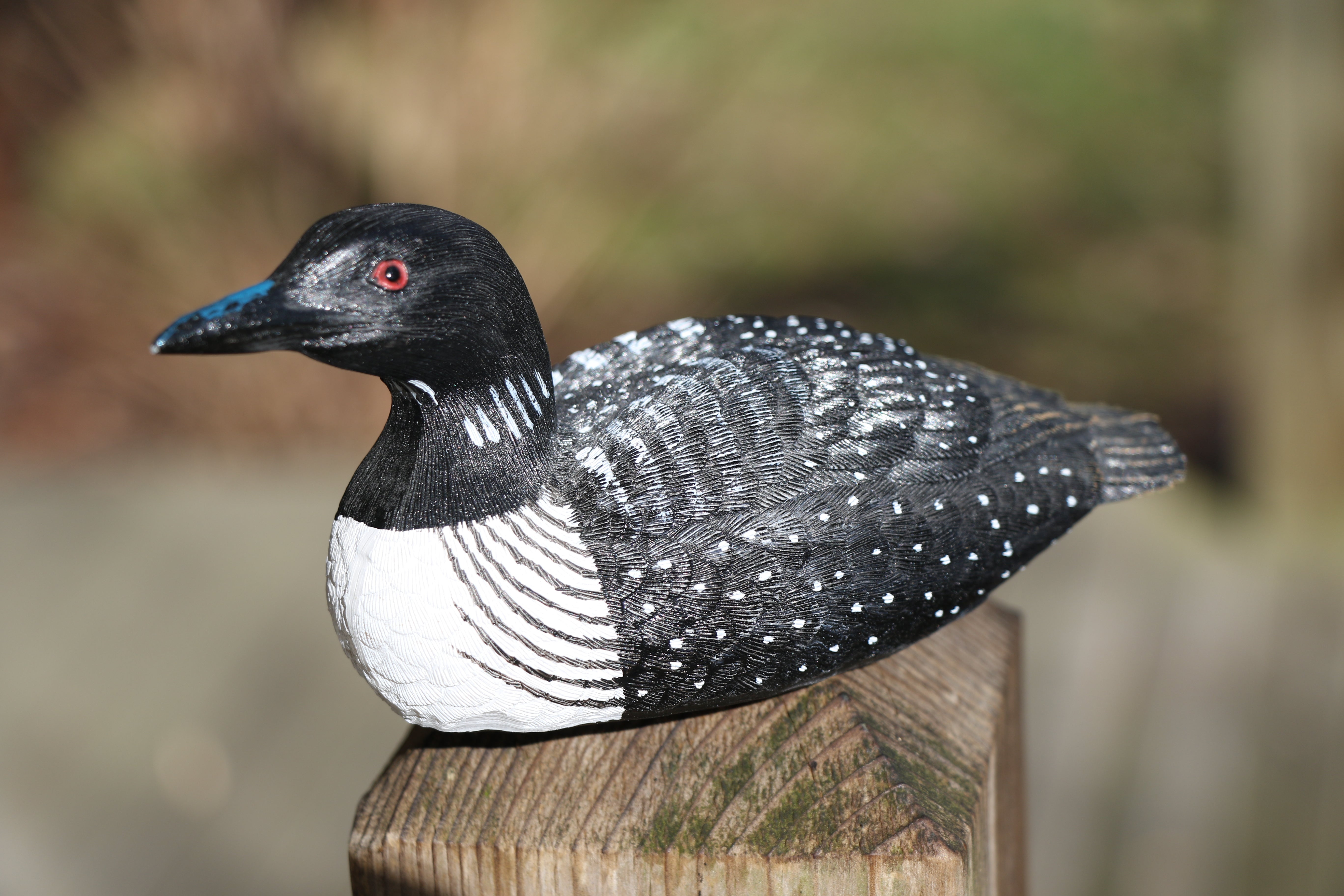
As for common loons, yes, Ohio has them, but not many and not for long. In other words, common loons migrate through Ohio twice per year, spring and fall, but do not nest in the Buckeye State. The spring migration is shorter in length, as the birds seem in a hurry to get to their breeding grounds, lay eggs, and raise the kids. They nest in the more northern states and Canada.
The fall migration back south is a bit more leisurely, with peak loon numbers accumulating in November. On Lake Erie, one-day counts along the Ohio shoreline have been as high as 900 loons. Larger lakes and reservoirs downstate can sometimes see as many as 400 in a flock. Loons winter along the Atlantic, Pacific, and Gulf coasts, as well as on large lakes and rivers in the southern U.S.
They are big-water birds, preferring open lakes and reservoirs as opposed to small ponds and streams. So keep that in mind when you go searching for them. And in addition to binoculars, take along a spotting scope if you have access to one, to more easily spot loons that may be lurking well offshore.
Kurt Garver, Holmes-Wayne Electric Cooperative
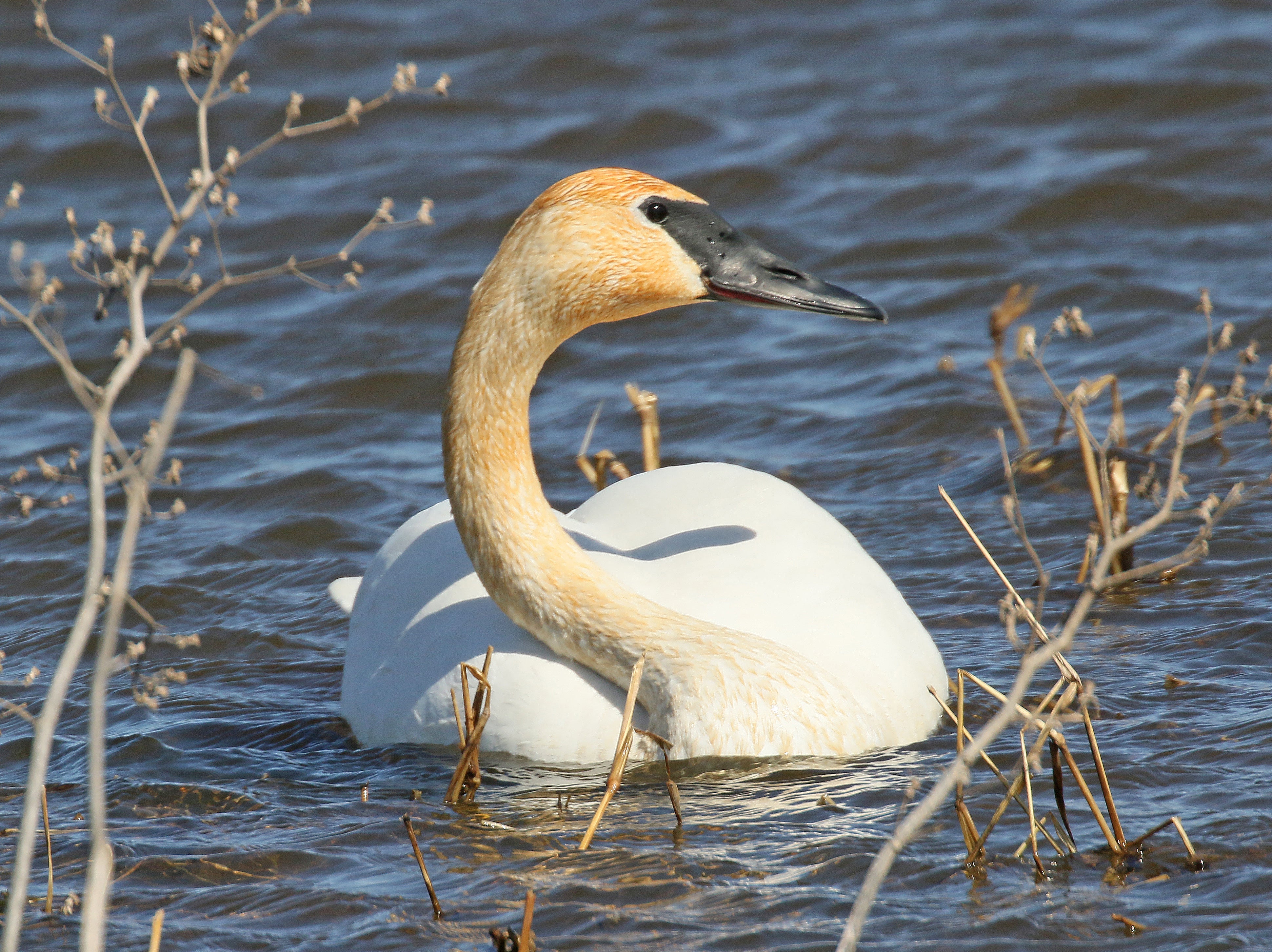
Q. I like birding, and in your article about swans in the February 2026 issue of Ohio Cooperative Living you said that tundra swans are the only swan species native to Ohio. If so, why was the Trumpeter Swan introduced to the state?
A. That’s a good question, Kurt, and part of the answer is in the story itself. Under the section titled Trumpeter Swan (The Ugly Duckling), I made the following statement in the second paragraph:
“Trumpeter Swans were nearly hunted to extinction more than a century ago in North America. Thankfully, the unregulated slaughter was stopped just in time, with less than 100 known trumpeter swans remaining. During the ensuing years, a national conservation plan to recover the birds was developed and Ohio became part of that effort.”
To explain further, Ohio became part of the national restoration plan to ensure that the species survived. For instance, if the trumpeters could not be restored to their native habitats for some reason(s), there would be a backup plan. Federal and state wildlife agencies often work together in such cases whenever and wherever possible.