farming

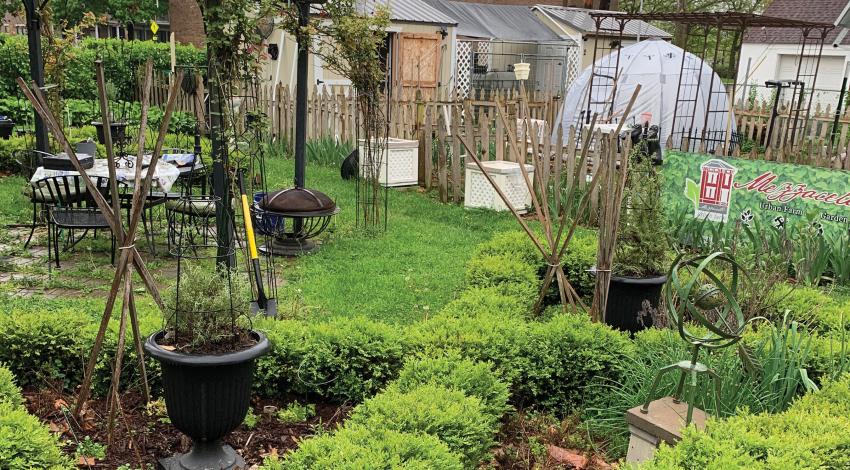
Hamid Ahmed's biodome project occupies a small space at Mezzacello (photo courtesy of Mezzacello).

A stroll through this Ohio farm leads you past a lovely formal garden, a koi pond, and two fountains before you reach the medicinal, culinary, and potager gardens.

Ten years ago, the property was an abandoned 1868 Italianate house and two adjacent overgrown lots. After much planning, digging, and planting, Mezzacello now produces high-quality, nutritious food and serves as a learning lab where Bruner and local students test ideas. The name Mezzacello (“little Monticello”) pays homage to another lifelong innovator: Thomas Jefferson, and his agricultural experiments at his iconic Virginia estate.
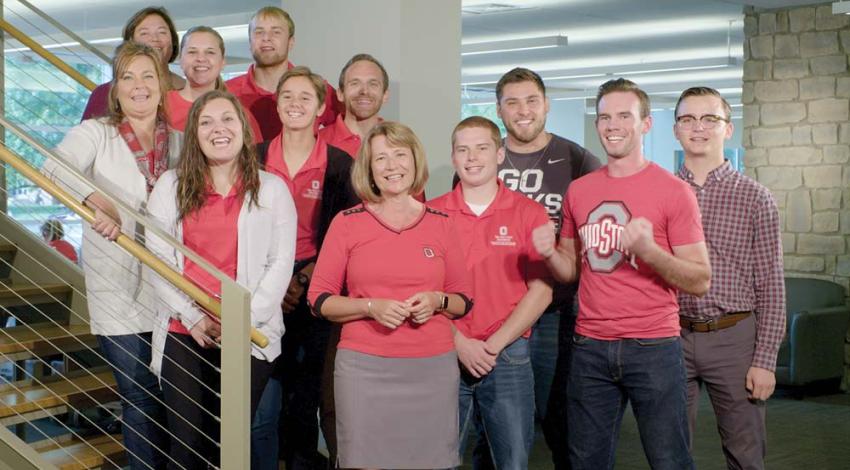
Cathann Kress with members of OSU CFAES.

Cathann Kress’ introduction to American life and American agriculture didn’t happen until she was well into her teenage years. Before then, her family lived wherever her parents’ Air Force careers took them — mainly the Middle East and Brazil.

Kress took to farm life right away after she moved to Iowa. She enjoyed baling hay and all the chores required for raising hogs, sheep, corn, and soybeans. Like many farm kids, she belonged to 4-H, where she showed sheep and did public speaking. 

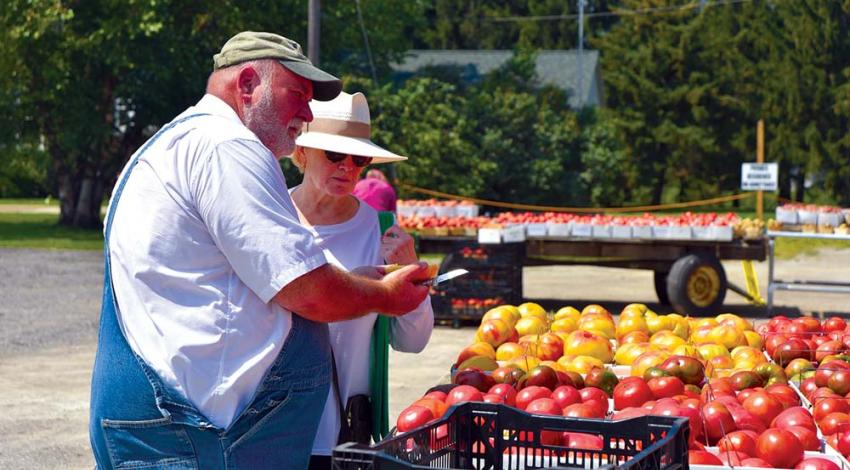
In his signature bib overalls and white shirt, Lee Jones slices open an heirloom tomato for customer Mara Ghafari.

The specialty crops on Lee Jones’ 350-acre farm are myriad: beets, peppers, tomatoes, carrots, tomatillos, honey, potatoes, corn, beans, squash, edible flower blossoms — the list numbers into the hundreds. 

The pandemic, however, completely changed his business model. “We made a lot of lemonade last year trying to swing for base hits,” Jones says. “We had to, because we were desperate to keep the farm going and, most importantly, keep our team safe, fed, and employed.”

Jones says he’s proud to have kept 136 families gainfully employed through the pandemic. His family already lost one farm in the 1980s after a devastating hailstorm finished off what the 1980s American farm crisis had already begun, and so he was determined to make it work. 

He did it in ingenious fashion.

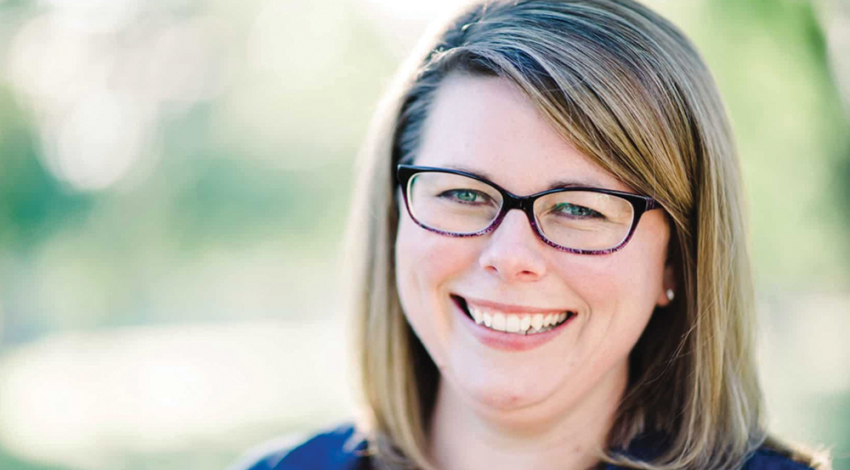
Jennifer Osterholdt

From an early age, Jennifer Osterholdt recognized the importance of farming and agriculture. She lived on a livestock and crop farm and participated in 4-H, where she learned to cook. 

Along the way, Osterholdt realized that there was a lack of both understanding and positive information available about farming and agriculture. So she decided to start a blog dedicated to her life on the farm. 

Eventually, she began sharing recipes, which she says afforded her the opportunity not only to share her love of cooking with the world, but also to offer that positive information about farming and agriculture. 

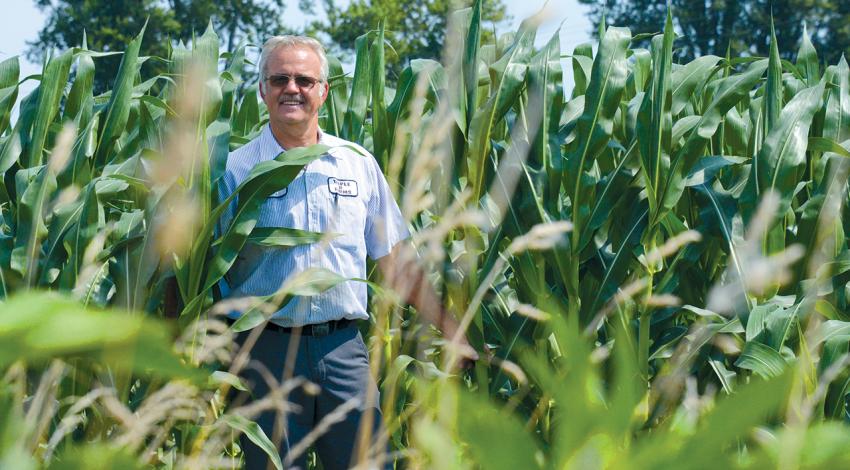
Roger Rank standing in a cornfield

Roger Rank has grown popcorn on his fields near Van Wert for almost 40 years. For much of that time, the early part of each harvest has had to go to waste in order to comply with some of the regulations and demands of the distributors who bought the crop.

But lately, he’s found a use for those first kernels of the season. Instead of disposing of them, he donates a portion of that crop to various organizations.

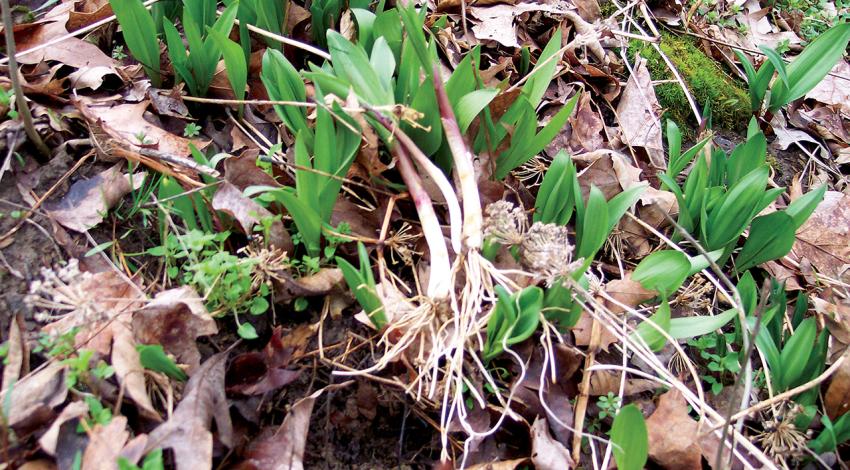
Small plants emerge from leaves

The pursuit of fortune often leads people far from home. Sometimes, however, Lady Luck shows up unannounced literally right in your own backyard.

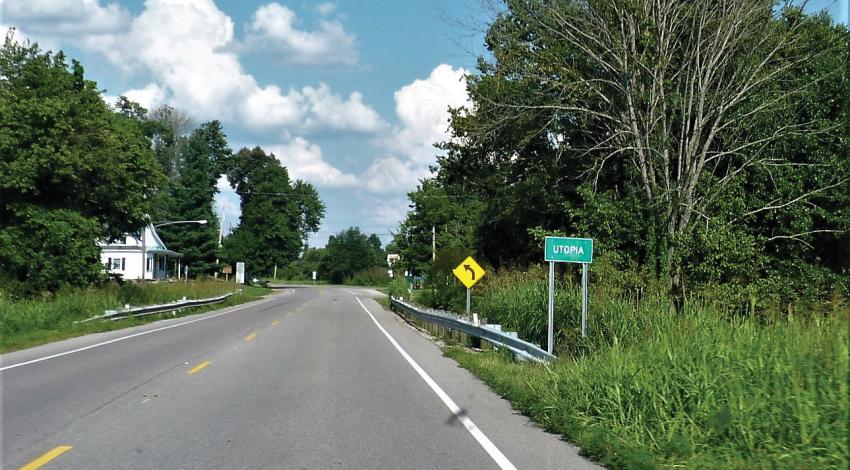
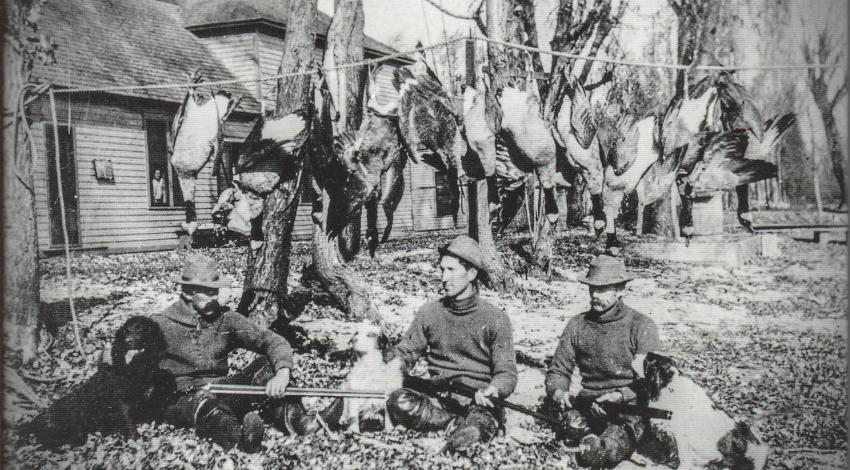
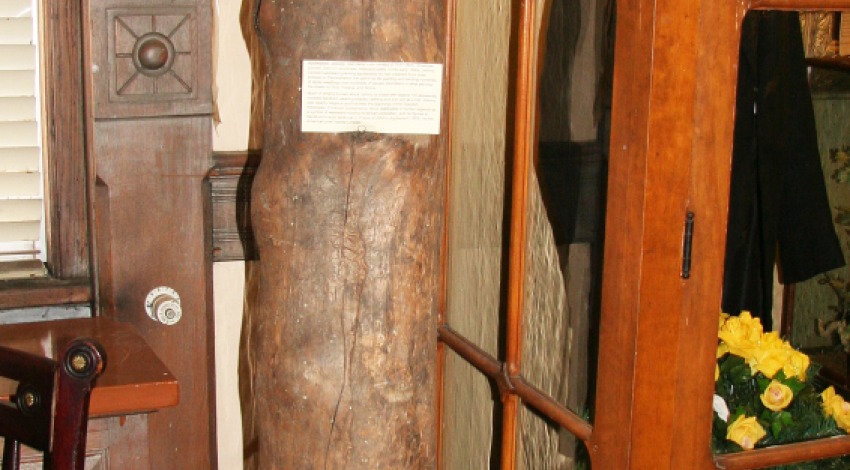
In 1976, David and Jane Kunkler purchased 40 rural acres in Perry County at a sheriff’s sale, built a home, and moved in. “The land had been uninhabited since 1888,” David Kunkler says. “A family by the name of Elder last lived on it. The husband and wife raised 13 children here.”

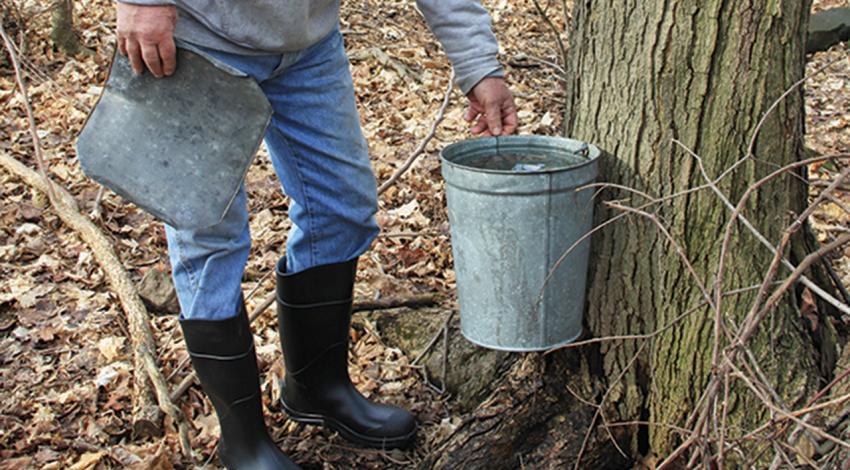
Gordon McDonald checks a sap bucket on his brother Gary’s farm near Chardon.

When billowing clouds of steam begin rising from family sugar bush operations that dot the landscape this time of year, you know two things: Winter’s grip is finally beginning to ease a bit, and underneath all that steam is one of the tastiest treats there is.

Poured over pancakes or drizzled over ice cream, there is no better seasonal treat than pure Ohio maple syrup, and Geauga County produces more of the stuff than any other county in the state. The two main reasons: many mature sugar maple trees and many Amish farms — most of which operate a sugar bush.

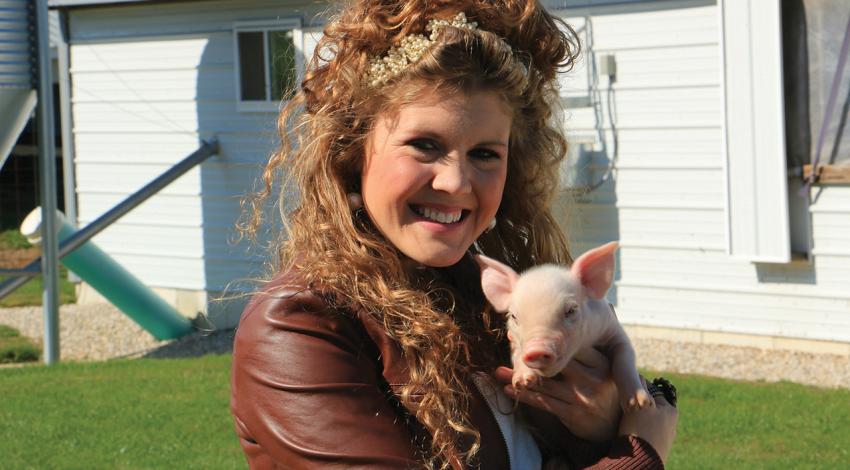
Lauren Schwab Eyre holds a baby pig and smiles for a picture.

Lauren Schwab Eyre has carefully and intentionally cultivated her image as a “farm girl with curls.” She not only works on her family’s pig farm near Somerville, but she’s also a well-known agricultural ambassador who uses every opportunity she can to get the message out about her career of choice.

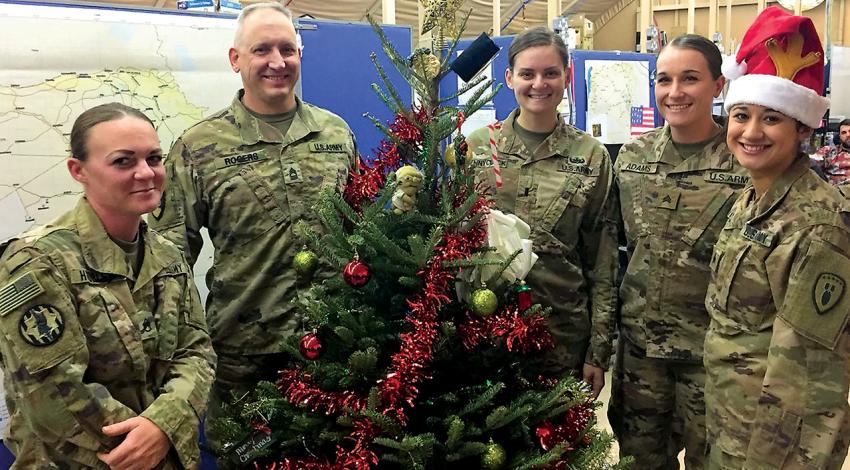
American Troops smile around a Christmas tree.

Valerie Graham, executive director of the Ohio Christmas Tree Association (OCTA), counts among her managerial responsibilities assisting tree farmers across the state with Operation Evergreen, an annual service project that gives fresh-cut Christmas trees and decorations to overseas military units. The project helps to bring a bit of home to soldiers who can’t be with their families at the holidays, and Graham says it’s one of the most rewarding aspects of her position.