farming

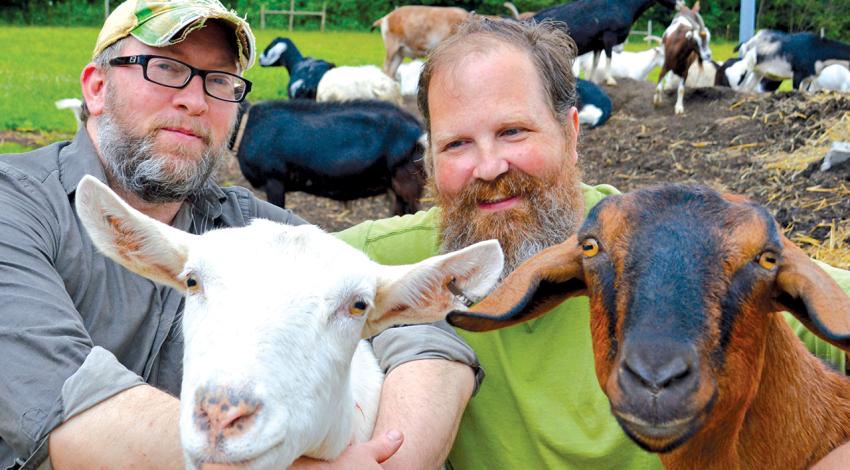
Chad Snelling and Jeff Wince smile for a picture with two goats.

Greeted by four rescue dogs as I walk toward the 19th-century farmhouse in rural Licking County, I know their barks are more of an announcement than a warning. Once in the yard, the welcoming committee swells to include several turkeys, ducks, chickens, geese, and guineas before farm owners Jeff Wince and Chad Snelling open the door of their 1823 home and invite me in.
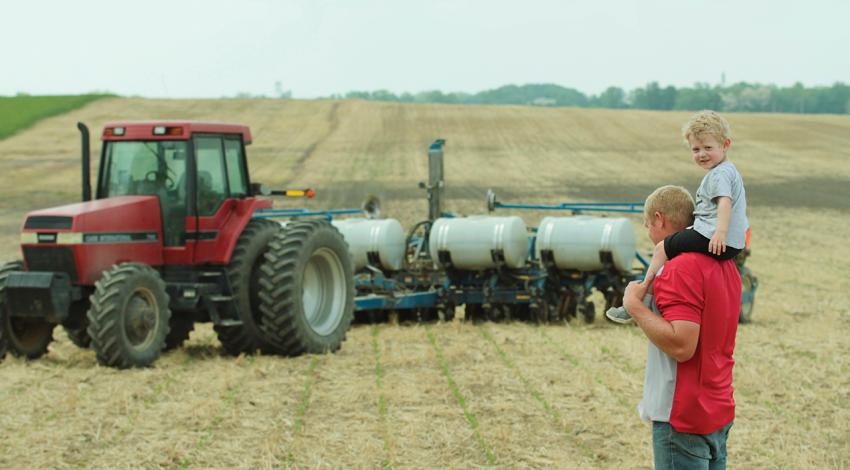
Casey Longshore and his son, Landen, stand in a field beside a tractor.

Casey Longshore and his family are on a mission to improve soil quality at their Delaware County farm. Protecting drinking water by preventing runoff and nutrient losses at the farm are a high priority. In 2015, the Delaware Soil and Water Conservation District named the Longshores the Conservation Cooperators of the Year.

“We’d like not to be the bad guy,” Longshore says, referring to evidence that certain farming practices have led to water quality problems in Ohio waterways.

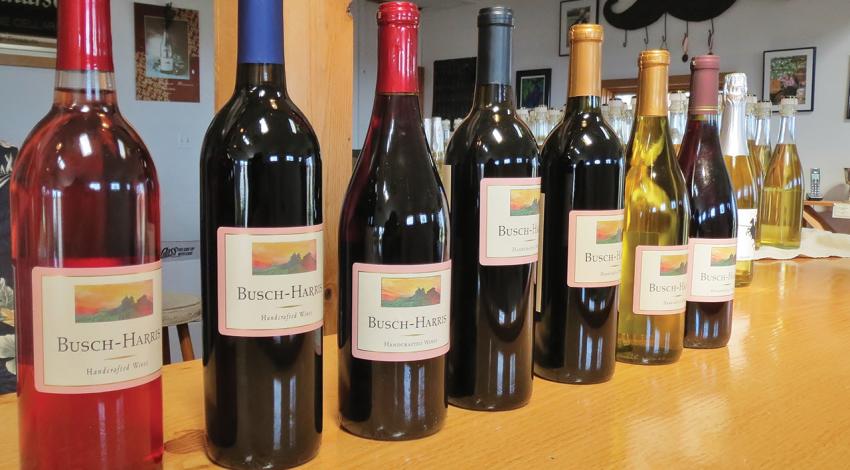
7 bottles of Ravenhurst products sit side-by-side.

When the Directors Guild of America recently presented a Lifetime Achievement Award to Ridley Scott, the Hollywood banquet featured wines from Ohio’s Ravenhurst Champagne Cellars.

Shipping Ohio wines to California may seem counterintuitive, but for Ravenhurst vintner Chuck Harris, the Guild’s order acknowledged that he and his wife, Nina Busch, produce premium estate wines amid Union and Hardin counties’ farm fields near Mt. Victory. “It shows that great wine is great wine regardless of where it comes from,” he says.

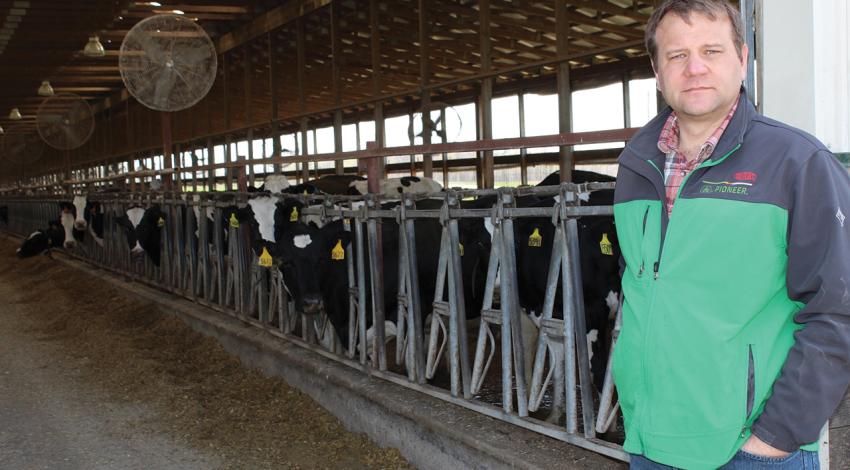
Chris Weaver, chief operating officer at Bridgewater Dairy in Montpelier, stands next to his cows.

Bridgewater Dairy, a family farm in Montpelier, Ohio, has 3,000 dairy cows that produce 30,000 gallons of milk daily. They also produce an estimated 15 million gallons of manure each year.

A decade ago, Chris Weaver, Bridgewater Dairy’s chief operating officer, started turning his farm’s animal waste into something valuable — electricity — by installing an anaerobic digester.

“I wanted to manage the animals’ manure with an eye to helping the environment,” Weaver says. “I also wanted to improve the comfort of my cows. An anaerobic digester lets me do both.”

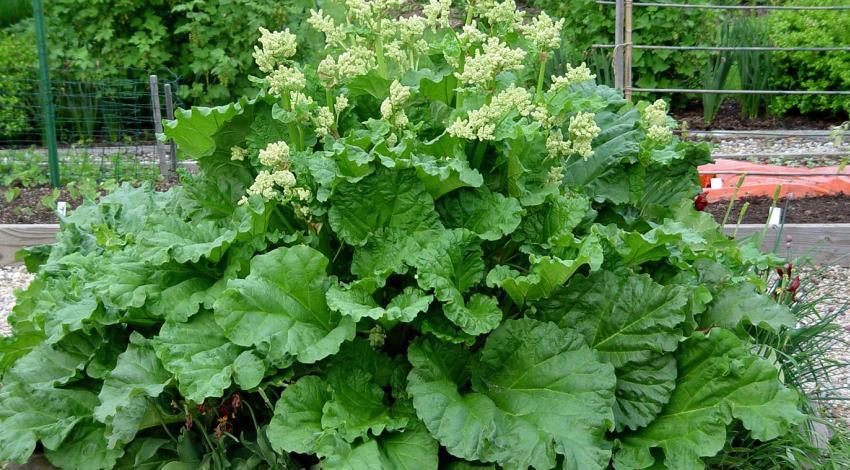
A rhubarb plant in flower.

If you’re going to take a shot at growing your own dinner this year, a good place to start is by picking the crops that offer the best return on your investment.

Experienced gardeners quickly learn that some types of home-grown vegetables work out better than others.

Choices such as onions and peppers, for example, perform reliably well with few setbacks throughout most of the country, while crops such as broccoli and spinach often run into bug threats and have fairly narrow planting-time windows.