power generation

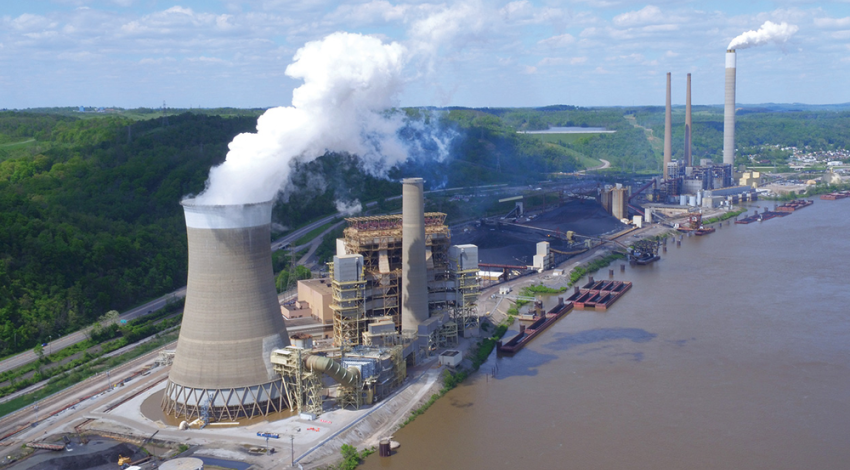
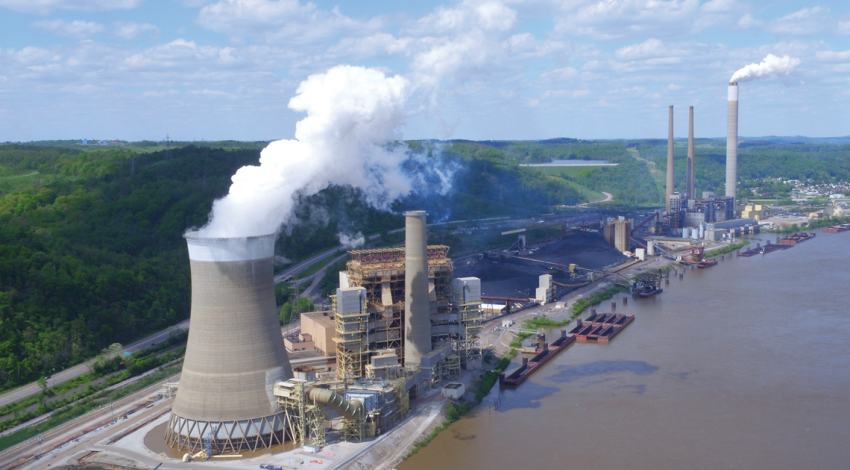
Cardinal Power Plant

Producing electricity for the benefit of the communities we serve requires a continual balancing act among cost, reliability, and environmental impact. We take those often-competing objectives into account as we make decisions and take action.

Electric cooperatives’ decisions regarding the best way to meet your needs for electricity supply are tempered by thoughtful consideration of our responsibility to the nearly 1 million Ohioans whose lives and livelihoods depend upon both a healthy environment and the provision of affordable, reliable electricity. It’s a charge that we don’t take lightly. 

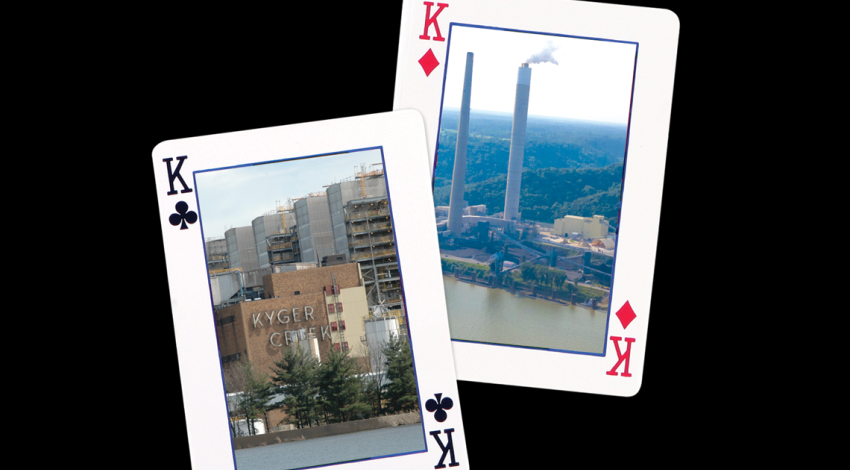
Pair of kings

In a game of cards, assembling the strongest hand means having the right card to play at the right time. Depending on the situation, the value of each card changes. It might be best to play a jack, to hold a queen for later, or to pull out that ace in the hole.

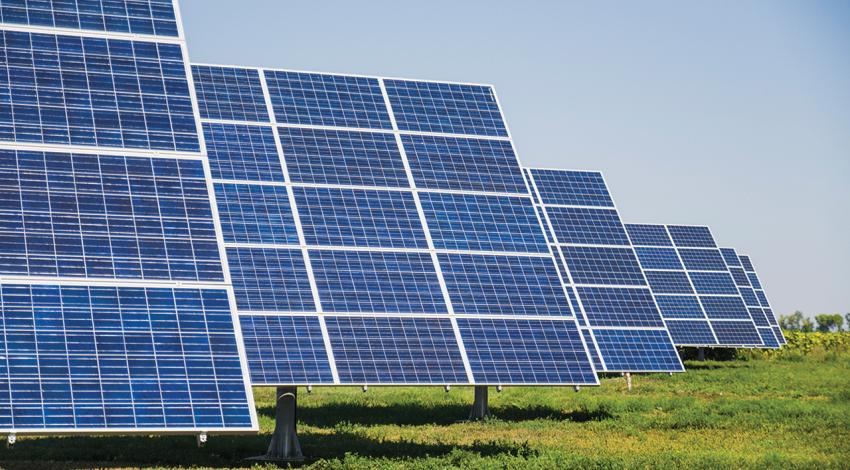
Buckeye Power pursues an all-of-the-above generation strategy, taking into consideration cost, reliability, environmental impact, and more when deciding which cards to pick up and which ones to discard. From coal to natural gas to renewable sources, each one is an important part of keeping power flowing to our members. This month, we take a look at the cards in Buckeye Power’s hand. 

Cardinal Power Plant

It’s clear that coal is no longer “king.” It’s also clear, though, as our associate editor, Rebecca Seum, explains succinctly in her story, that it’s still an essential element of a reliable power generation s

The use of coal as a fuel source for electricity production has been on the decline because of increasing environmental requirements and the decreased costs for alternatives like natural gas and renewable generation sources. Concerns about the level of carbon dioxide emissions from coal generation further limit its future use, but the practicality and, yes, the reliability, of coal are undeniable. The truth of the matter is that fossil fuels, including coal, play an essential role in keeping the nation’s lights on.

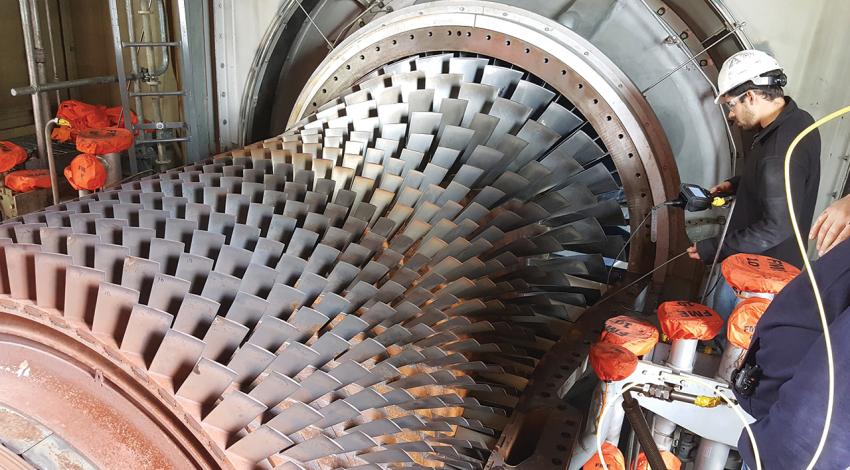
Nick Mascia looks for damage on a turbine.

During the year’s milder periods, a peaking facility like the Greenville Generating Station might go six weeks without spinning up to produce electricity for Ohio electric cooperative consumer-members.

However, when extreme heat or a disaster strikes, the plant answers the call. For example, when tornadoes caused devastation around Celina last Memorial Day, Greenville was online around the clock for the next three days.

The really interesting part? For either extreme, it’s up to a crew of only four to make sure the power stays on.

A woman stands as the "1" in 2019 against a sunset.

Ohio’s electric cooperatives had a busy and successful 2018. As we look ahead to 2019, we’re excited about the opportunities to work safer, to work smarter, and to inspire greater impact on the communities we serve. We’ve forged the foundation for each initiative, and we’ll “check and adjust” our efforts, as warranted.

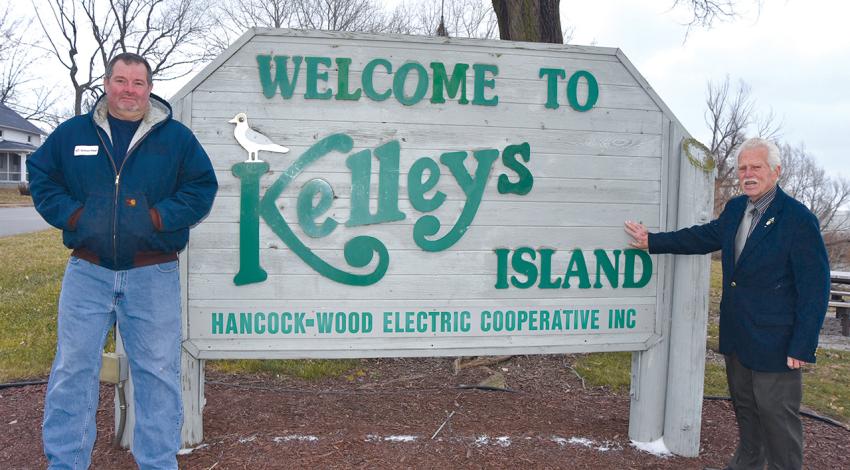
David Ervin and Knute Lahrs pose for a picture beside the sign for Kelleys Island.

Hop on a huge ferry boat, and after a 20-minute ride through the choppy Lake Erie waters, you’ll arrive at the idyllic Kelleys Island, about 4 miles north of Marblehead, Ohio, and the largest American island on the lake. The island is home to about 140 year-round residents, though the population swells to well over 400 residents and 5,000 tourists during the busy summer months.

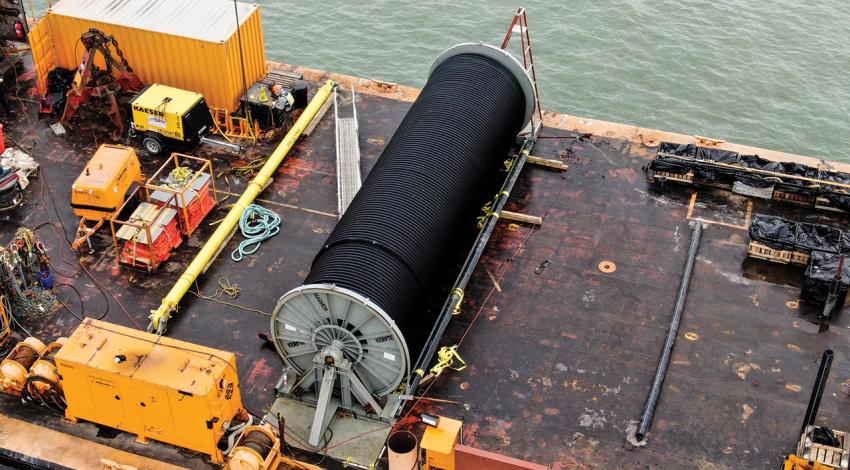
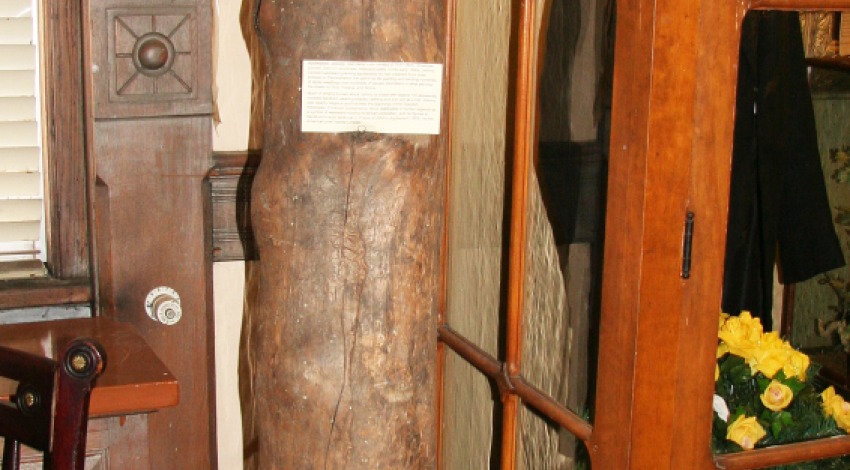
An enormous spile holds long wire used to supply power.

Supplying electricity to an island is no small feat. Supplying reliable electricity to the largest American island on Lake Erie is a monumental task.

Kelleys Island, one of the most popular tourist destinations anywhere in Ohio, is entirely served by Hancock-Wood Electric Cooperative, which has been charged with that job since its 1967 consolidation with the former Lake Erie Electric Cooperative.

Without exception, electric cooperatives throughout the state of Ohio are proud, ingrained resources for the communities they serve. Of course, co-ops provide electricity to area homes, churches, and businesses, but that’s not all that they do for their communities.

Co-op employees live in those small towns; shop at the local supermarket; coach Little League teams; champion civic projects; and lend a hand when their neighbors need one. Ohio co-op staffs have a vested interest in doing what’s right for both the cooperative and their fellow citizens.