lineworkers
Safe, Clean, Reliable, and Affordable: I often use these words to describe the electric power supply that Buckeye Power and all of the electric cooperatives around the state strive to provide to our member-consumers. Each of these words is important to us, and each has a different measure of success.
Reliable may be the easiest for you to observe. Do the lights come on every day? Is the supply adequate for your needs? When something occasionally causes a power outage, is power restored quickly?
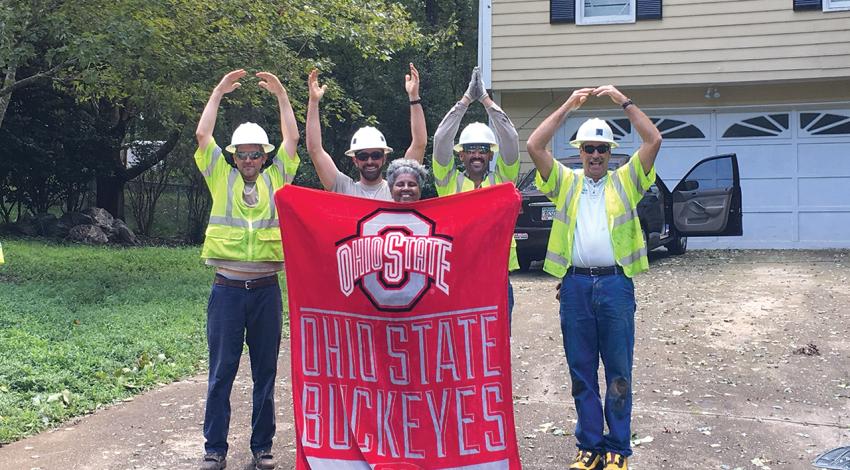
Chuck Chafin has worked on electric lines with the South Central Power Company for 18 years, during which time he’s seen his share of power outages and general destruction both in Ohio, and beyond, caused by extremes in weather.
So while he wasn’t particularly surprised at the damage that he and 72 other lineworkers and supervisors from Ohio’s electric cooperative network found in Georgia in the wake of Hurricane Irma in early September, it still presented a big job.
Shelter, food, clean water, electricity — these are the essentials of life in today’s world. For all the technology and innovation available in our modern society, these essentials can still be stripped away in minutes by the power of nature. Across much of Texas, Florida, and nearby states, recovery efforts are underway as of this writing from hurricanes Harvey and Irma. Hopefully by the time you read this, these essentials will have been restored to everyone impacted by these storms.
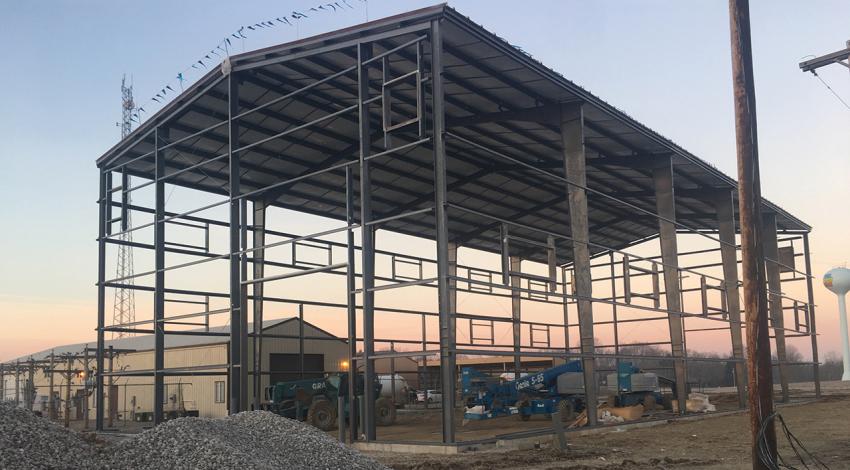
Being a lineworker is not a particularly easy job; besides the strenuous nature of the work that both keeps the lights on and restores power when there’s an outage, the folks on the poles need to have a knowledge base that ranges from basic knot-tying to electrical engineering.
Not surprisingly, there’s a lot of training that goes into becoming (and remaining) a lineworker. Also not surprisingly, Ohio’s electric cooperatives are leaders in the field of lineworker training.

Jeremy Warnimont and his cousin Jake, both linemen at Tricounty Rural Electric Cooperative, based in northwest Ohio, were coming home from a long day of training on transformer rigging near Columbus, when they saw a young girl flip her all-terrain vehicle (ATV) in a nearby field. The vehicle landed on top of her.
“She was trying to jump a dirt hill, but didn’t make it,” Jeremy says. “When I got to her, she was non-responsive. Jake called 911 and we stabilized her until the first responders arrived.”
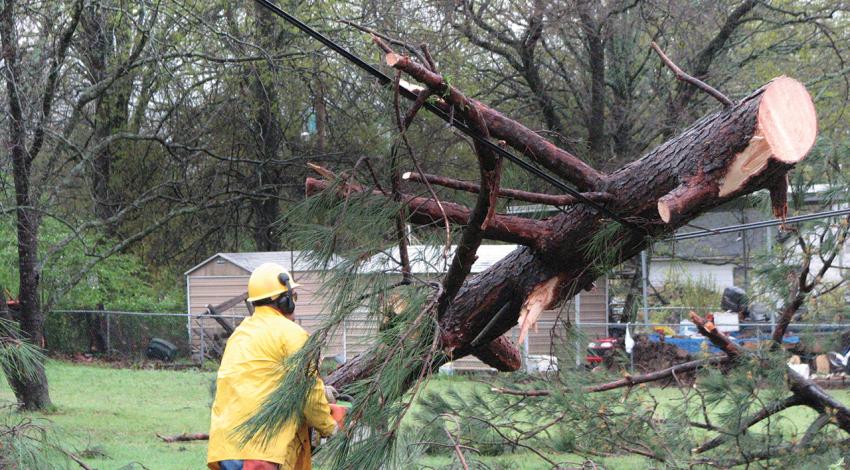
At the beginning of March 2017, after what had been, to that point, an unusually mild winter, a huge storm system came through southern Ohio and northern Kentucky, bringing with it winds that brought down trees and power lines and causing power outages in large swaths of the area.
Electric cooperatives do everything they can — regular maintenance, tree-trimming, etc. — to prevent such outages, but sometimes, Mother Nature has her own ideas. When outages do happen, the co-ops are ready.
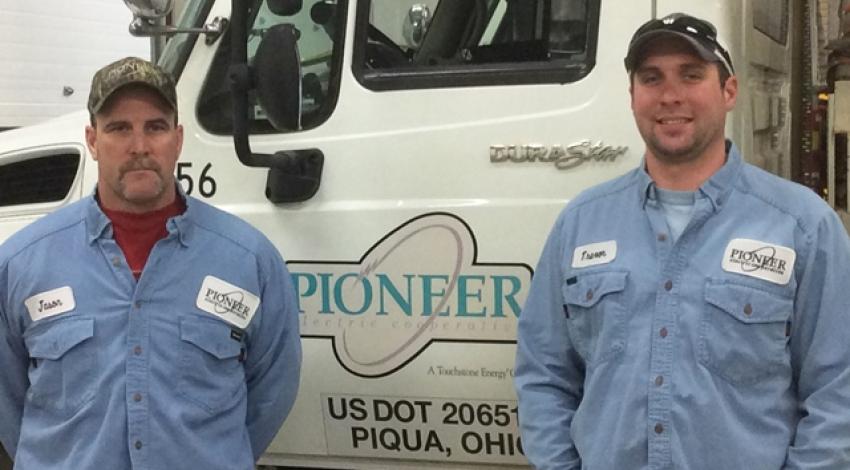
It’s not every day that a family is thankful for being forced to leave home, especially during sub-zero temperatures.
But that was the case when Pioneer Electric Cooperative lineworkers had to disconnect power to the Anna, Ohio, home of James and Tiffahanie Seger and their toddler on a recent frigid evening when they detected an electrical problem that could have resulted in catastrophe.