W.H. Chip Gross
One of the many things I enjoy about writing and photographing my monthly Woods, Waters, & Wildlife column in Ohio Cooperative Living print magazine is the interaction with co-op members. Almost every month after a column appears, I hear from a half dozen or so readers with their questions, comments, or attaboys. Although there is not space enough to run everyone’s question or comment in this “Ask Chip” online column, everyone receives a personal answer from me via email.
Mary Torges, Consolidated Cooperative
Q. Hi, Chip: I have lived on the same 10-acre lot, including woods, for about 51 years now. I am very interested in donating my place to some charitable organization that might be able to use it. Besides my home, there are three other buildings on the property, two that are quite large, which could be used for classes or workshops. If you have any ideas about organizations that might be interested, please let me know.
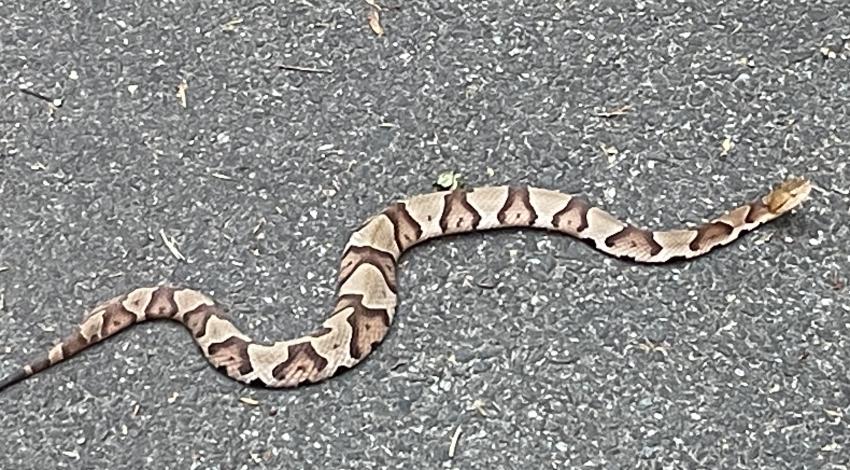
Even though Ohio Cooperative Living print magazine has circulation of 300,000 subscribers, I’m still often surprised at the publication’s “reach.” For instance, recently, after my May 2024 Woods, Waters, & Wildlife monthly outdoors column was published, I heard from Sarah Paul, who lives in Virginia. Her parents, Gordon and Jo McDonald, live in Radnor, Ohio, and receive the co-op magazine. They had read my story titled “Snakes on a Plain,” about the Buckeye State’s three species of venomous snakes, so when they received a photo from Sarah of a copperhead, they suggested she send
Rose Hollingsworth, Washington Electric Cooperative
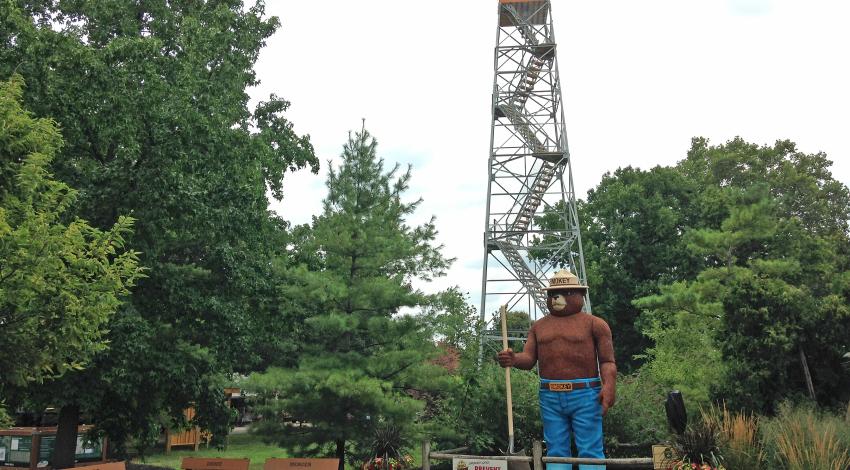
Q. Dear Chip: My husband and I were fascinated by your article titled “Smokey’s House: Ohio’s Historic Fire Towers” in the July 2025 issue of Ohio Cooperative Living magazine, and have a few questions:
1. What was the size of the living quarters at the top of the towers?
2. Were there restroom accommodations? Porta potty? Outhouse below?
3. Were towers manned by volunteers or was it a paid job?
4. How high were the towers?
Ruth Tetirick, Logan County Electric Cooperative
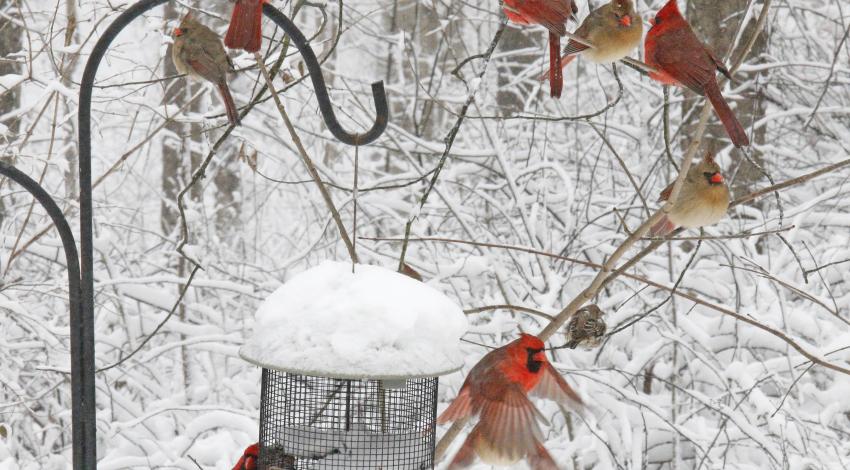
Q. I enjoy and look forward to reading your monthly article in Ohio Cooperative Living magazine every month. I have lived in Logan County (Jefferson Township) for 20 years. I have been a bird watcher all my life and have been submitting daily counts of the birds I observe to the Cornell Lab of Ornithology for the past five years.

Jennifer Wilkes, The Frontier Power Company
Q. Hello, Chip: I read, with interest, your article (“A Glimpse of the Past”) in the October 2024 issue of Ohio Cooperative Living magazine, and thought you’d be interested to learn that we now have our own Native American Center in Ohio. It is called NAICCO, which stands for Native American Indian Center of Central Ohio, and here is their website: https://www.naicco.com/.
Annette Franke, Consolidated Cooperative
Q. Hi, Chip: Red-winged blackbirds entered my yard a week ago in a huge flock. Now I am having difficulty managing my backyard bird-feeding station. The blackbirds take over so other birds cannot feed. Also, they break my feeders. How do I get rid of the redwings?
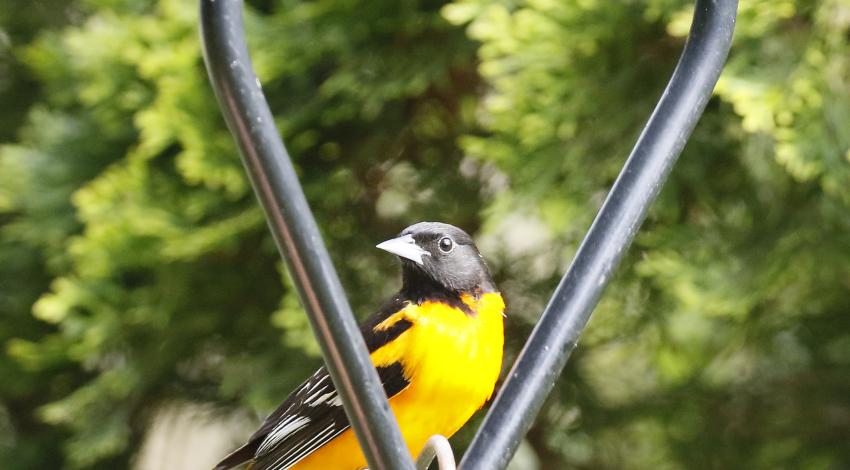
Ohio Cooperative Living magazine readers are fascinated with wild birds. I know that because each time I write an “Ask Chip” column about birds or birding, questions/comments from readers abound. Last month — May 2023 — was no exception. My monthly Woods, Waters & Wildlife column featured orioles and how to attract them to backyard birdfeeders in a story titled “Looking Good in Orange.”
Nancy Drake