Jeff McCallister

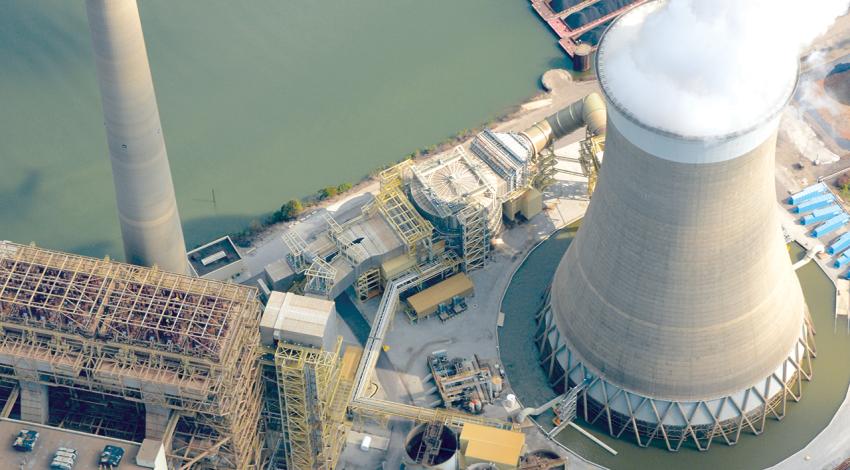
A shot of Cardinal Power Plant from above

Driving on Ohio Route 7 south of Steubenville near Brilliant, the first thing most people notice about the Cardinal Station power-generating facility is the snow-white plume emanating from the tall, thin dual stacks on the northern end of the station and from the shorter, stubbier tower to the south. The color of those plumes is significant. Long gone are the days when the stacks would send black smoke into the atmosphere. Thanks to more than $1 billion in investments in environmental equipment, that cloud is nearly all water vapor.
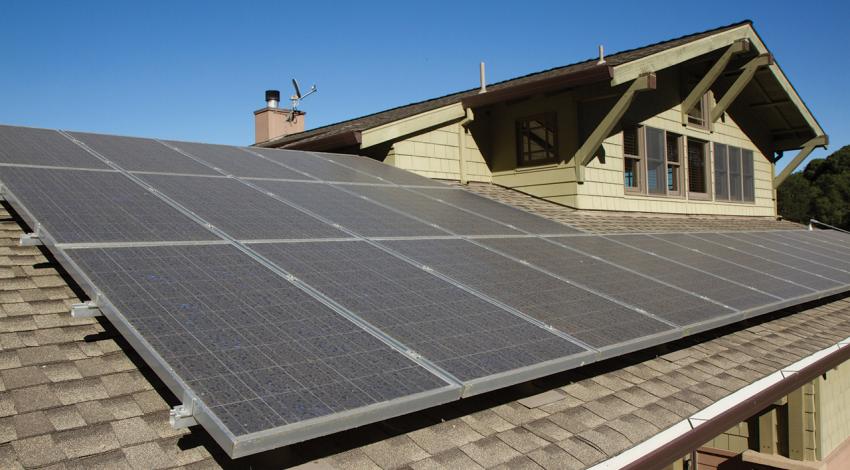

Solar panels on a roof.

There are lots of reasons that electric consumers may check into the possibility of generating some of their own power — after all, sunshine and wind are seemingly free, and modern technology has made it possible to use those resources at the household or building level in a way that’s never been possible.

But there’s much to consider before making that decision: economics — the real monetary potential of the system; safety — for both consumers and lineworkers trying to restore power during an outage; and reliability — ensuring a steady flow of electricity.

A photo of Sen. John Glenn

No matter how big a hero he became, through his pioneering work as a test pilot and astronaut or his service to the state and country as a United States senator, John H. Glenn Jr. never forgot his rural roots — and that made him a friend to electric co-op members everywhere, says Darrel “Cubby” Cubbison, the retired longtime member services manager at Guernsey-Muskingum Electric Cooperative.