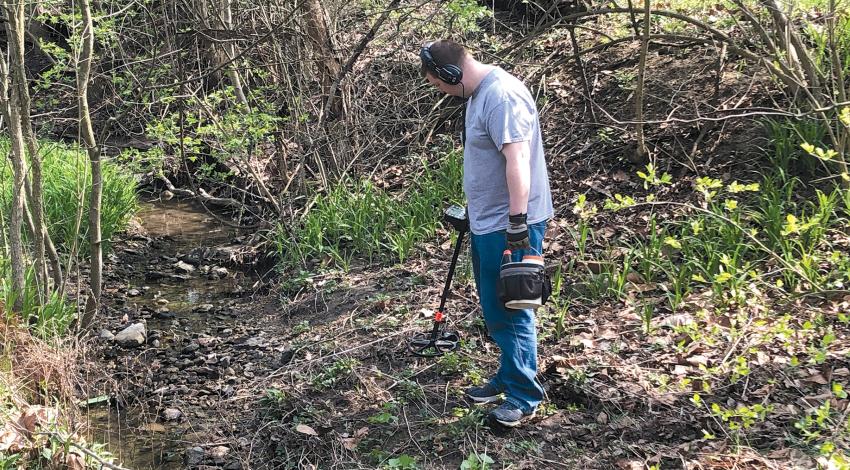
Kevin Williams

Jared Shank

We all know that Ohio is full of treasures. From Cincinnati chili to Cedar Point to the hollows of Hocking Hills, the gems gleam. Legends abound, however, of treasure in the more traditional sense — buried or stashed around the Ohio countryside. 

Stark treasure

It was 1755, and the French had been trying desperately to repel attacks by the British on Fort Duquesne, France’s outpost in Pittsburgh. Fearing the fort’s imminent fall (it actually held out until 1758), some French soldiers started to evacuate valuables from Fort Duquesne — including a hoard of gold and silver used for military payroll.
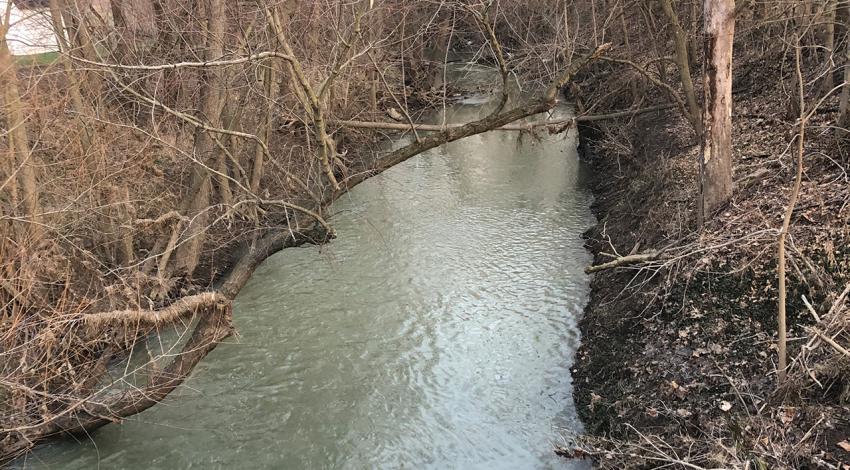

Stillwater River

Our state’s very name, translated from the language of its original inhabitants, means “Good River.” While Ohio is named specifically for the mighty waterway that forms its eastern and southern borders, that name serves as an apt description of the entire place.

Rivers, to me, are analogies of our humanity: They begin as spindly streams, unglamorous trickles, and, like people, they find their way — carving their character as they go, widening and deepening with distance. If a river can have such an ignominious beginning yet end with a glorious, glowing connection to something larger, then couldn’t that be a template for a life well-lived?

A lizard sits perched on a rock

In 1951, a young boy was vacationing with his family near Milan, Italy. The boy, George Rau, was a scion of the well-known Lazarus family, which, for generations, ran one of the largest department store chains in Ohio.

Rau became enchanted with the docile lizards that sunned themselves on the rocky walls around Milan, and so he tucked 10 of them into a sock and brought them back to Cincinnati, where he released them in his family’s Torrence Court backyard.