Jill Moorhead

Roger Bender, member of Pioneer Electric Cooperative

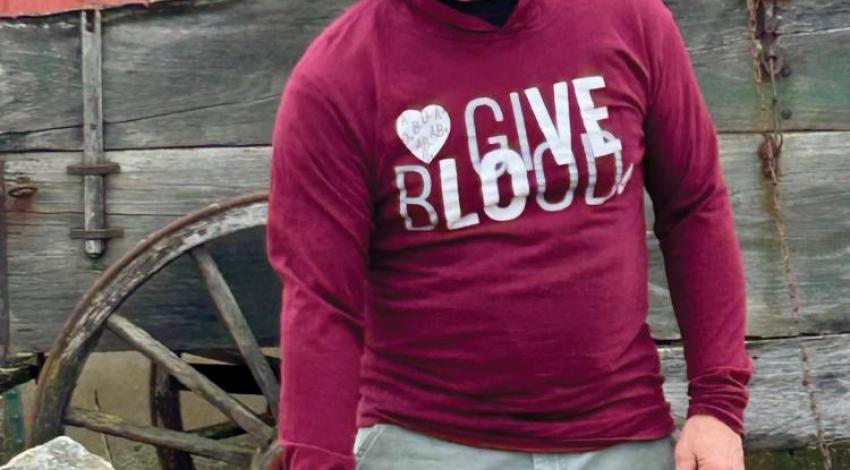
Roger Bender doesn’t think much about the number. From his farm outside Fort Loramie, where he’s a member of Piqua-based Pioneer Electric Cooperative, he’s been showing up to blood drives for more than 50 years. A pint here.

Bender keeps his favorites; they’re a regular part of his wardrobe. But he also gives them away: to neighbors who can’t donate anymore, to friends, to anyone who might wear one out into the world and make someone else think twice about passing by the next blood drive. 

He doesn’t give blood for the shirts. He does it for what happens inside St. Michael Hall, the recurring home to Fort Loramie’s drives.

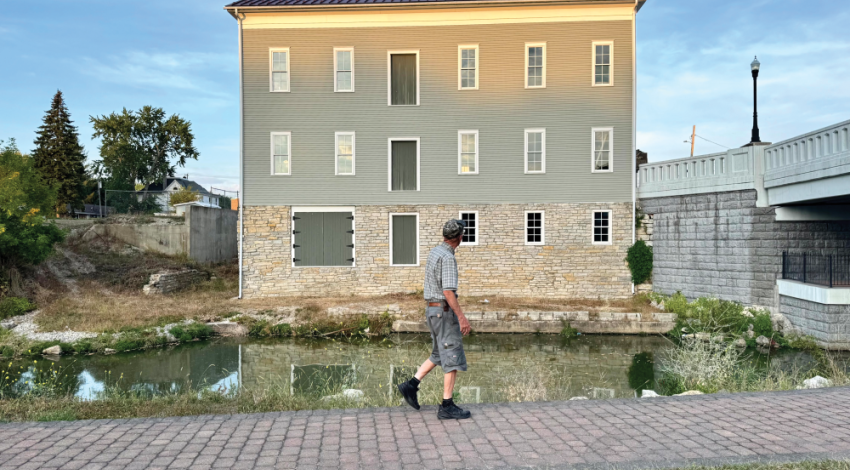
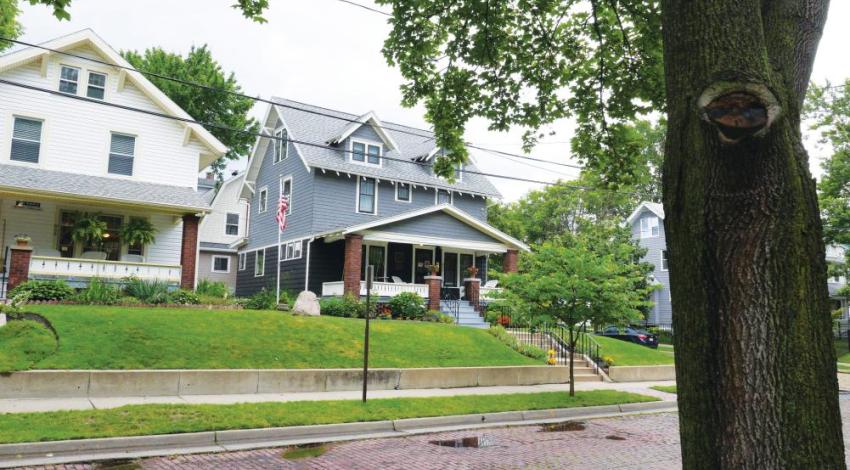
The outside of a building

When hikers on a specific path in Ohio — whether tackling miles on a through-hike or heading out for a shorter day trip — enter town, there’s a chance they’ll spot a simple sign: Buckeye Trail Town. 

The Trail Town program, launched by the Buckeye Trail Association in 2012, has grown steadily to include communities across the state that can be accessed from the trail. The program is designed to support hikers, but the benefits run both ways. As interest in the Buckeye Trail continues to grow, with thousands of followers tracking and sharing their journeys, these towns are becoming destinations in their own right, drawing visitors who might not have otherwise found their way there.

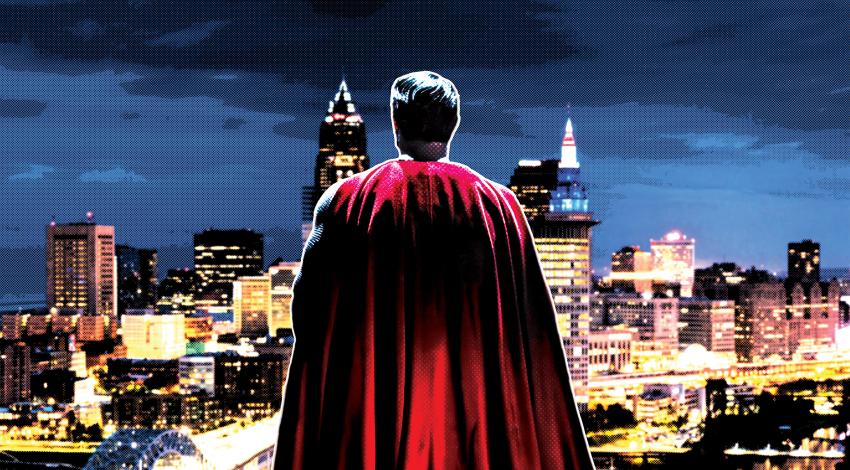
A comic drawing of Superman overlooking a city.

“Up, up, and away!” Before Superman became a global icon, he was a glimmer of hope imagined in a Glenville bedroom.

“Superman is one of Cleveland’s greatest exports,” says Valentino Zullo, assistant professor of English at Ursuline College and co-director of the Rustbelt Humanities Lab. “We’re not exporting steel; we’re exporting culture. The superhero genre was created here.”

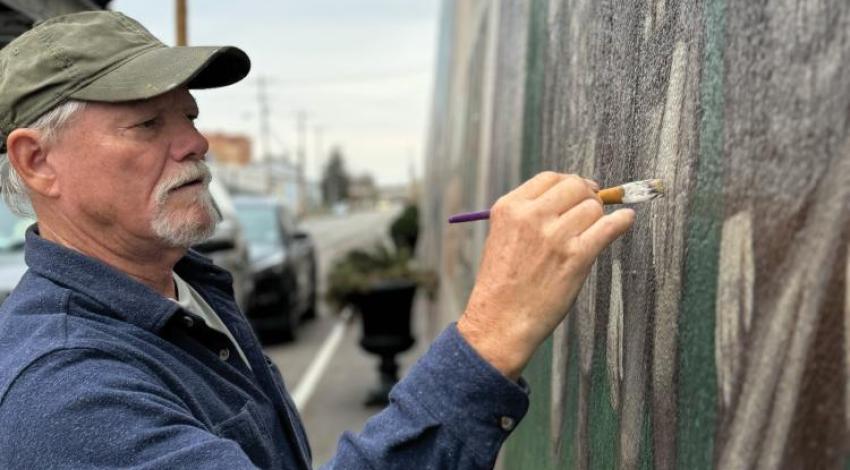
Robert Dafford working on a mural on Portsmouth, Ohio's, iconic floodwalls.

Along the banks at the confluence of the Ohio and Scioto rivers in southern Ohio, murals seamlessly blend into their surroundings, their muted colors echoing the tones of the buildings and landscape 
around them. 

The murals are more than just public art; they’re a symbol of resilience. Once a bustling center for steel and shoe manufacturing, Portsmouth saw its fortunes plummet with the collapse of those industries. The floodwall, built after a 1937 flood that devastated the city, stood for decades as a bleak reminder of what was lost. 

The Akron home of Alcoholics Anonymous founder Robert Smith, located in Akron, Ohio.

[Editor’s note: Ohio Cooperative Living honors the tradition in Alcoholics Anonymous in which members are 
granted a level of anonymity in the press.]

Launched in Akron in 1935, AA is a fellowship dedicated to overcoming alcohol addiction, extensively documented in its publications such as Alcoholics Anonymous (known as “The Big Book”), Dr. Bob and the Good Oldtimers, and AA Grapevine.

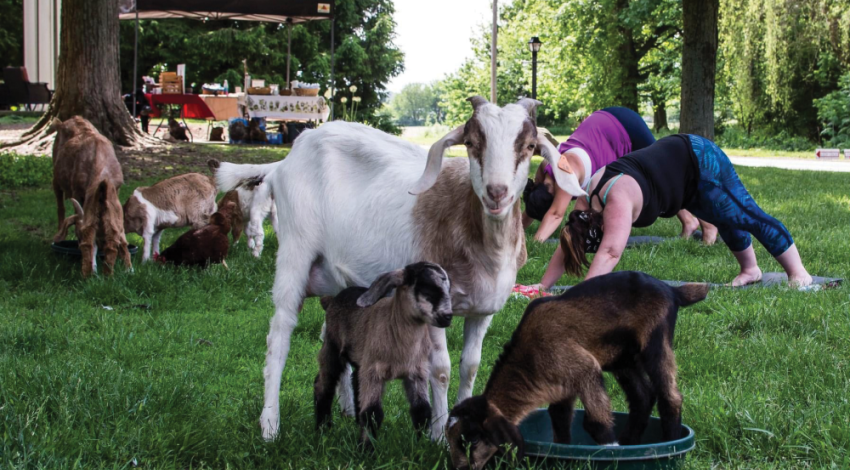
About 30 of the 150 goats that live at Harrison Farm in Groveport are “Yoga Goats” that are free to roam among the students taking yoga classes there (photograph courtesy of Dana Bernstein).

On Katherine Harrison’s farm in Groveport, every animal has a job. The chickens offer eggs. The cats provide comfort. And the goats help teach yoga.

The idea for the program arose organically, says Harrison, owner and operator of Harrison Farm. (Her secondary title, she says, is “chief minion” to the goats.) She met yoga instructor Dana Bernstein in 2016 while she was planning Bernstein’s wedding, and the two hit it off. 

The reconstructed Central Mound at the Seip Earthworks southwest of Chillicothe (photograph by Mary Salen/Getty Images).

Jennifer Aultman speaks with reverence when she talks about Ohio’s earthworks — eight of which, linked together as the Hopewell Ceremonial Earthworks, have been inscribed as a World Heritage Site by the United Nations Educational, Scienti

About 1,100 landmarks around the globe have been added to the list since the program began in 1972, with 25 of them in the U.S. This is the first in Ohio.

Why are they special?

There are 10 criteria, any one of which qualifies a site for the World Heritage list. The OHC/NPS team cited two of those as they made the case for the Hopewell Ceremonial Earthworks

Brett Fletcher has been selling Maine lobsters out of a 96-square-foot shack in Knox County for 14 years.

Along the road connecting Fredericktown and Amity in Knox County is a red wooden sign with a lobster on it, marking a driveway leading to 22 acres of wooded property featuring a creek, walking trails, two cabins and a 1961 Shasta Airflyte camper trailer for rent, a house, a

The road to Amity

After graduating from Ohio State University, Fletcher talked his dad into co-signing a loan for a lobster boat and moved to an off-the-grid family cabin in Georgetown, Maine. He spent the next 20 years as a professional lobsterer, hauling water to his makeshift shower and 200 traps’ worth of lobsters per day from the waters surrounding the island town.