Features

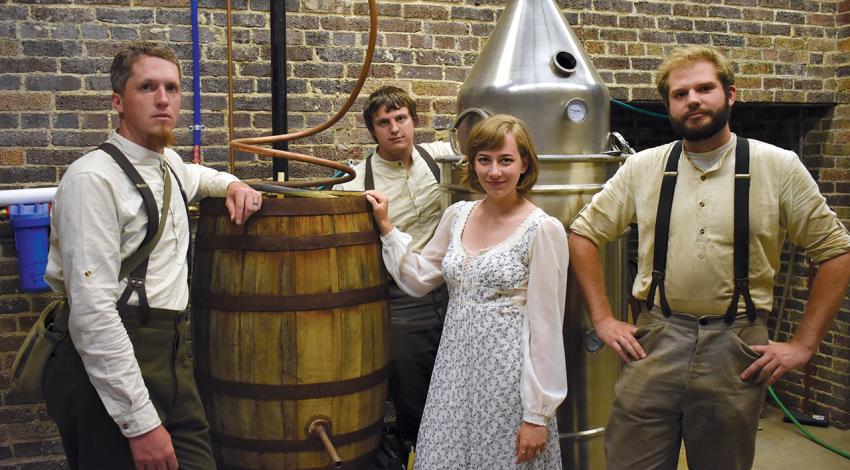
For centuries, moonshine has loomed large in the American imagination — the illegally produced liquor was a key part of the underground economy of many states in the South and in Appalachia. During Prohibition, backwoods moonshiners helped supply speakeasies across the country. NASCAR has its roots in the souped-up cars used by moonshine runners to transport booze. Moonshiners have been the subject of dozens of movies, hundreds of songs, and numerous TV shows, from The Dukes of Hazzard to Moonshiners, a reality show on the Discovery Channel.

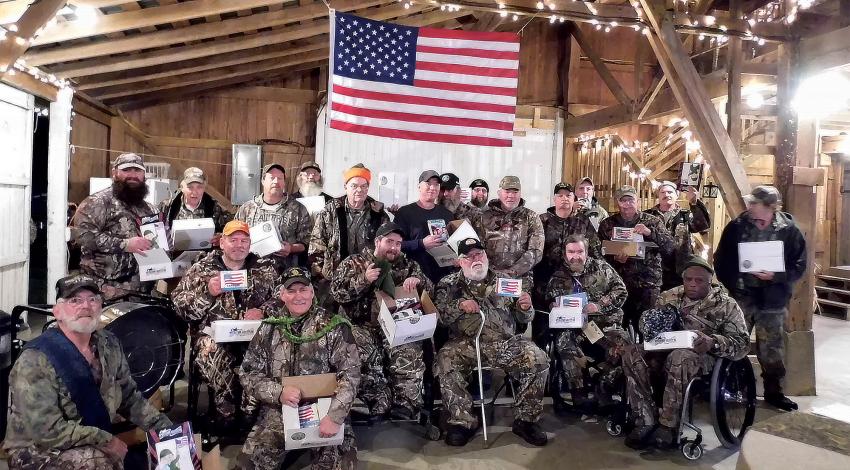
A Vietnam veteran was exploring the then newly opened National Veterans Memorial and Museum (NVMM) when he saw another man, a veteran of World War II, and stopped him in his tracks with a “Thank you for your service.”
“It was a very moving moment,” says Shelley Hoffman, associate director of external affairs, who witnessed the scene. The poignant episode epitomizes NVMM’s unique mission: saluting every veteran from every branch of the U.S. military in every period of war and peace.
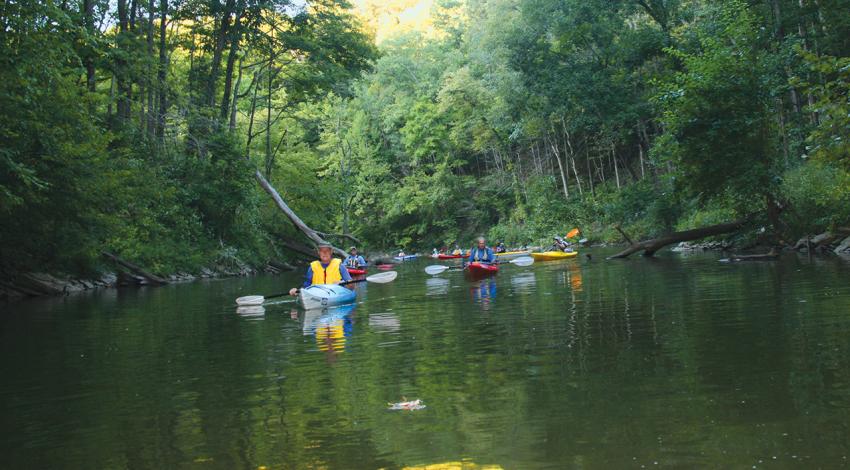
Ohio has a delightful abundance of lakes and rivers to explore, and a kayak is the perfect way to do it. A happy thing about lakes: There are no worries about paddling upstream or needing an extra car and a pickup place downstream. Just relax and enjoy the view, or make it aerobic and paddle hard.
If fishing is your fancy, wet a line and see what’s biting. Like birding or nature watching? Take binoculars and a camera. From your kayak, you can spot that elusive bird flitting in the treetops, get close to the turtles sunning on rocks, and watch the fish swimming beneath you.

It’s no secret that Lake Erie’s recent algae blooms have a small army of scientists and conservationists working nonstop to remedy its troubles. But a little-known faction has been feeding valuable data to those problem-solvers: charter captains.
“We first started with the Ohio EPA,” says Dave Spangler, longtime captain and vice president of the Lake Erie Charter Boat Association (LECBA). The EPA, he says, sent lab technicians wading near shore to collect samples. “The better part of the Western Basin just wasn’t getting covered,” he says.
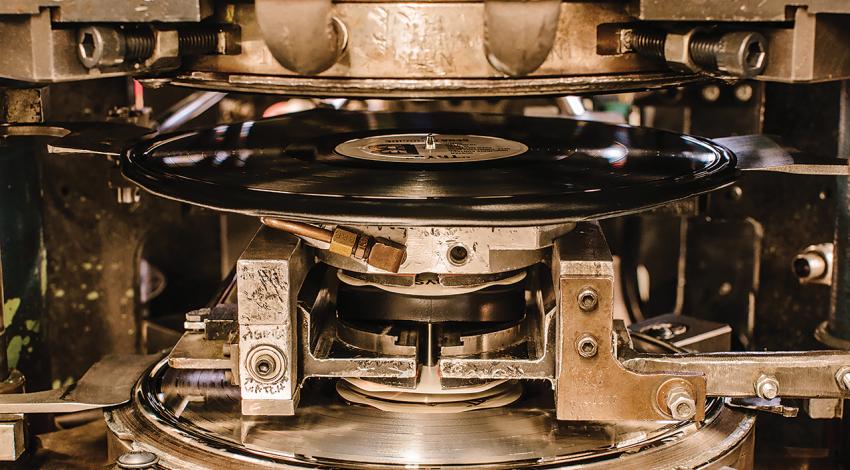
When Vince Slusarz and Matt Earley teamed up to open Gotta Groove Records in Cleveland, a casual music fan might have wondered if they were out of their minds. In 2009, the facility was one of the first new record-pressing plants to open in decades — long after sales of vinyl LPs had been eclipsed by CDs, downloads, and music-streaming services.
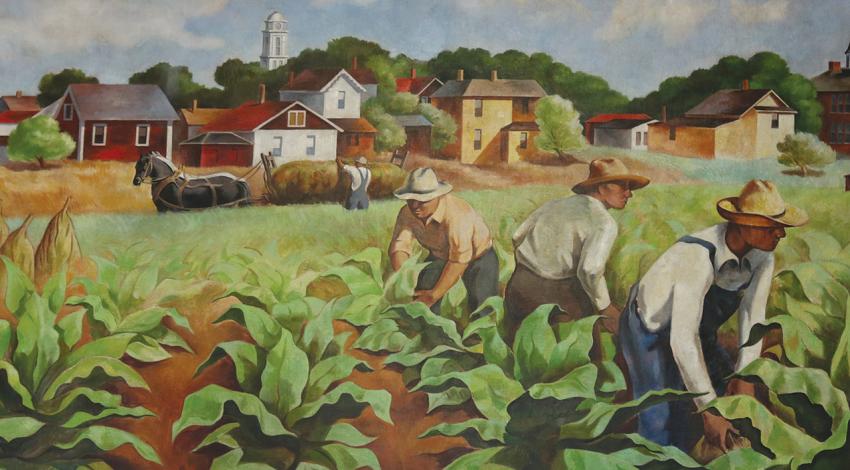
During the Great Depression, two federal programs — the Public Works of Art Project (PWAP) and the Federal Art Project (FAP), which was a part of the Works Progress Administration (WPA) — put thousands of artists to work. Murals were painted across the U.S., including more than 60 in Ohio, with post offices reaping the bounty.


We’re accustomed to sharing our outdoors with gray squirrels and fox squirrels, but the most common type of squirrel in Ohio is one you’ve probably never seen — the southern flying squirrel. While other squirrels will boldly venture among humans, southern flying squirrels are both shy and nocturnal, making them difficult to spot.
Smaller than gray squirrels, with big, black eyes and a tail that’s flat and furry rather than bushy, the southern flying squirrel has a wide flap of skin from its wrist down to its ankle on each side.
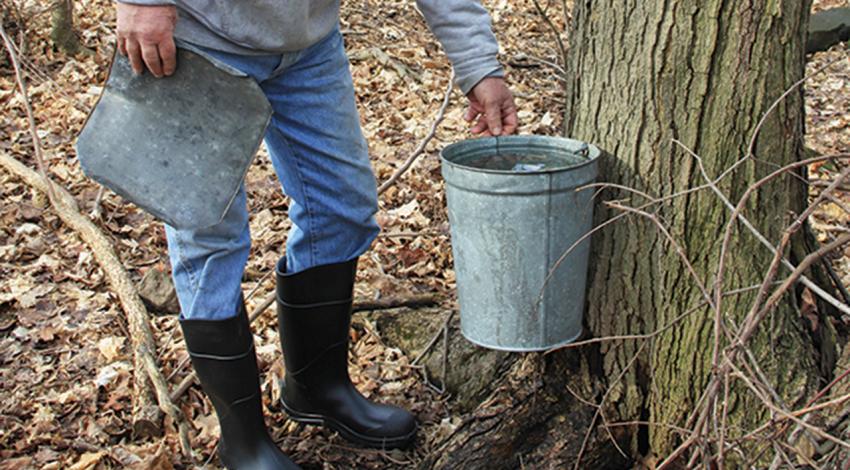
When billowing clouds of steam begin rising from family sugar bush operations that dot the landscape this time of year, you know two things: Winter’s grip is finally beginning to ease a bit, and underneath all that steam is one of the tastiest treats there is.
Poured over pancakes or drizzled over ice cream, there is no better seasonal treat than pure Ohio maple syrup, and Geauga County produces more of the stuff than any other county in the state. The two main reasons: many mature sugar maple trees and many Amish farms — most of which operate a sugar bush.