data centers

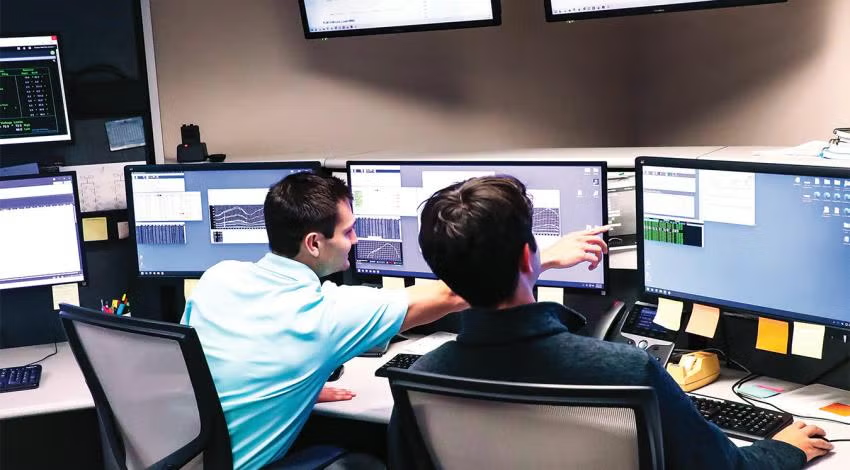
Two employees working in a control room

The story is well known to anyone familiar with electric cooperatives: People living in rural areas in the 1930s and ’40s couldn’t enjoy the benefits of electricity in their homes and on their farms because bringing power out into the countryside was a complicated and expen

Co-ops were early adopters of AMR (automated meter reading) and AMI (advanced metering infrastructure), which automate tasks as mundane as reading a meter or finding the location of an outage. In a big city, that might take a few minutes for a utility crew, but co-op crews might have to drive for a couple of hours to do the same thing. If technology can eliminate that two-hour trip, it’s safer for employees, minimizes outage times, and saves members money.


Two people pulling on a rope

We all live by rules. Rules help keep society orderly. They protect individual rights, and they give families and businesses a fair basis for planning. We make better decisions when we understand the rules and can trust they’re not going to change without warning. The same is true at your local electric cooperative.

A data center tower in the clouds

If the internet had a physical body, data centers would be its brain. If you’ve ever streamed a show, backed up your photos, or asked a smart speaker for the weather, all of that information came through a data center. 

When big changes come very quickly, often with little or no information that’s easily accessible, neighbors tend to react with suspicion and sometimes even anger. Residents of towns like Trenton, in Butler County, and South Bloomfield, in Pickaway County, have crowded local zoning boards, signed petitions, and generally begun pushing back against data centers planned in those communities. In fact, at least 30 Ohio municipalities have enacted or are considering enacting moratoriums on new data centers.

And that raises a question: What’s the big deal?