Jamie Rhein

Russ Jurg

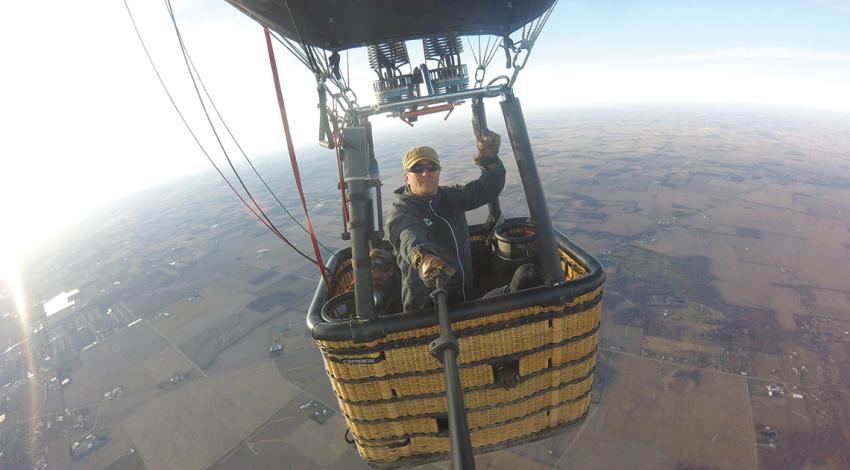
During balloon season (mid-April to November), hot air balloonists take to the skies. Soaring across the patterns and shapes of the landscape, riders get a bird’s-eye view of Ohio.

Suttle upped her balloon game when she bought a balloon, became a commercial pilot, and competed in the U.S. Nationals. Out of 100 pilots, she placed 17th in the nation. Suttle, president of the Northeast Ohio Balloon Pilots Association, lives in Tuscarawas County with her husband, Paul, also a pilot. Through their company, Dreams Come True, they take people on an experience of a lifetime. “They get so excited. Our whole idea is to put smiles on people’s faces.”

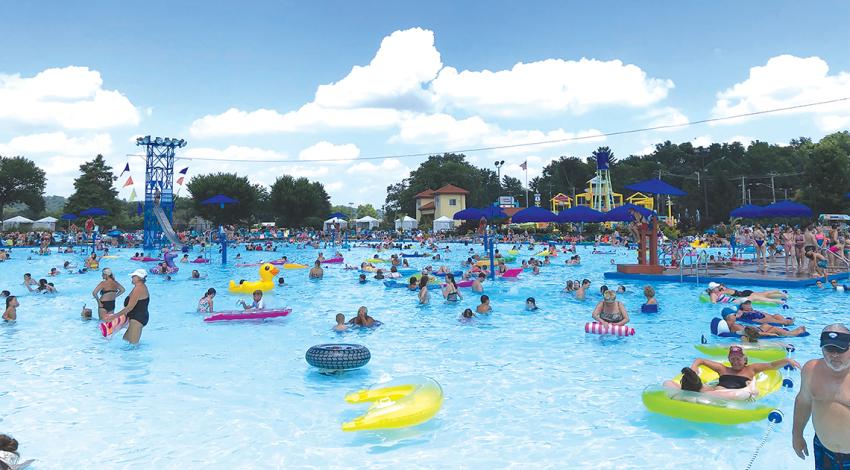
Coney Island pool

Coney Island, the iconic Cincinnati park, has a history of envisioning possibilities and changing with the times — times that have included two world wars, the Great Depression, floods, integration, and now two pandemics.

Coney Island has seen its share of transition during its long history. When James Parker bought a 20-acre apple orchard on the banks of the Ohio River east of Cincinnati in 1867, he planted the seeds of a summer-fun treasure. As the story goes, a few Cincinnati businessmen on horseback asked Parker to rent the orchard for a picnic and, smelling success, Parker added a dance hall, a bowling alley, and a carousel. 

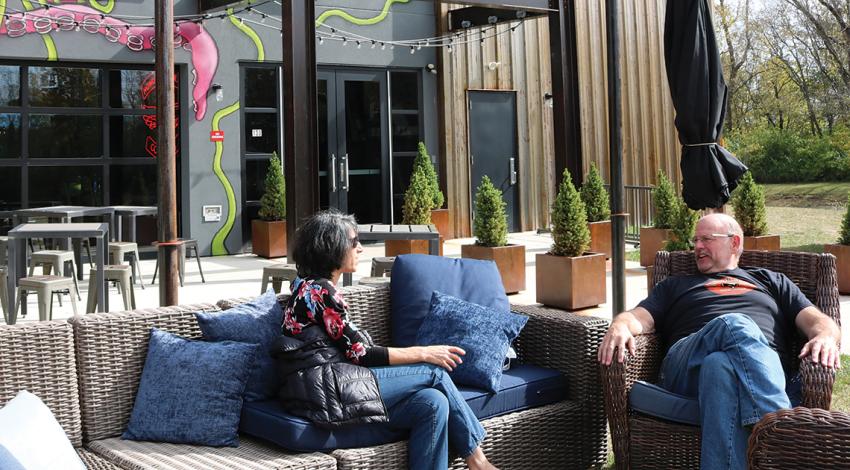
Couple sitting outside BrewDog's Doghouse

It wasn’t too long ago that the area along Gender Road, south of Route 33 near the Franklin-Fairfield county line, was farmland as far as the eye could see. There was the bucolic village of Canal Winchester nearby and Columbus just a bit farther up the road.

Soon came a taproom-style restaurant and then, in 2018, a 32-room hotel called the DogHouse that has been named one of Time magazine’s “100 Greatest Places to Stay.”

It’s clear from the very start that an overnight stay at the BrewDog complex is not your everyday experience. Here, dogs are welcome (in some of the guest rooms), beer is a celebration, and ingenuity is everywhere.

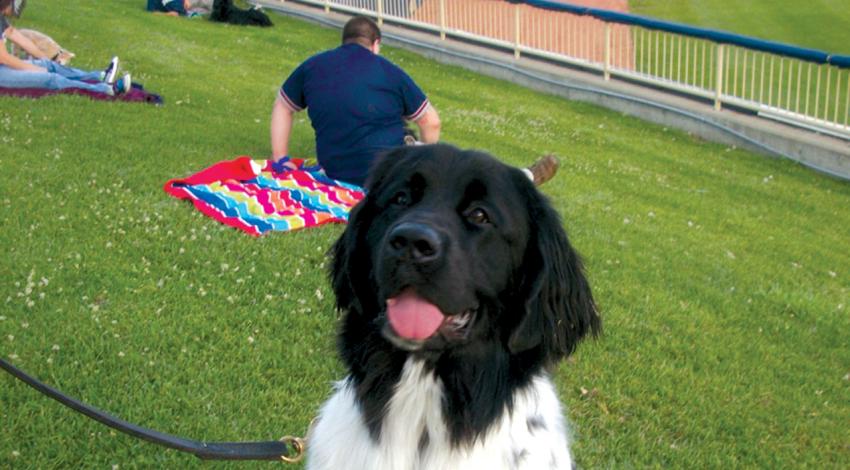
A black and white dog at a dog park stares into the camera.

Ohio is generally a dog-friendly state — more than a third (36.6 percent) of the state’s households include a canine resident — and research tells us that nearly two-thirds of dog owners consider their pup to be a member of the family. So when summer travel beckons, it’s nice to know where your tail-wagging pal can come along for the ride.

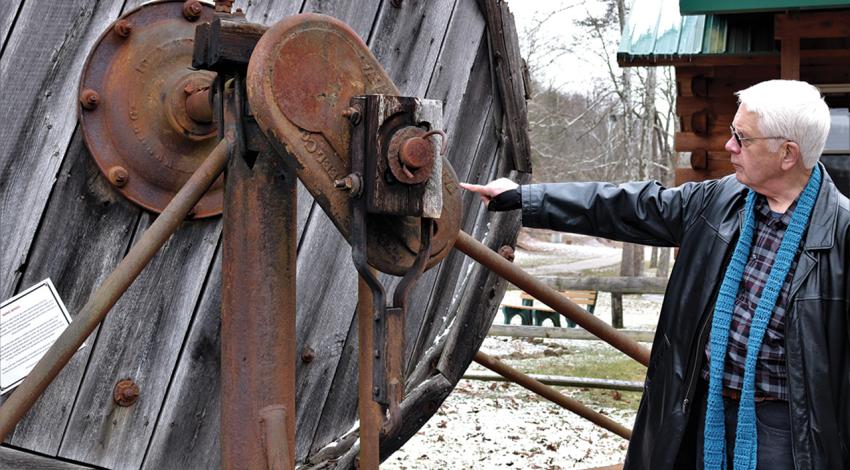
A man points to a part of the museum.

On August 4, 1879, before the sun rose over the craggy mountains in western West Virginia, the oil boomtown of Volcano turned into a “lake of fire.” By the time the blaze died, Volcano was almost gone. The post office, opera hall, bowling alley, saloons, and all but a few buildings had been reduced to ash.

The fire didn’t end Volcano’s existence right away, as a few remained to continue oil production, but what had been a bustling burg was on an irreversible path to becoming the ghost town that it is today.

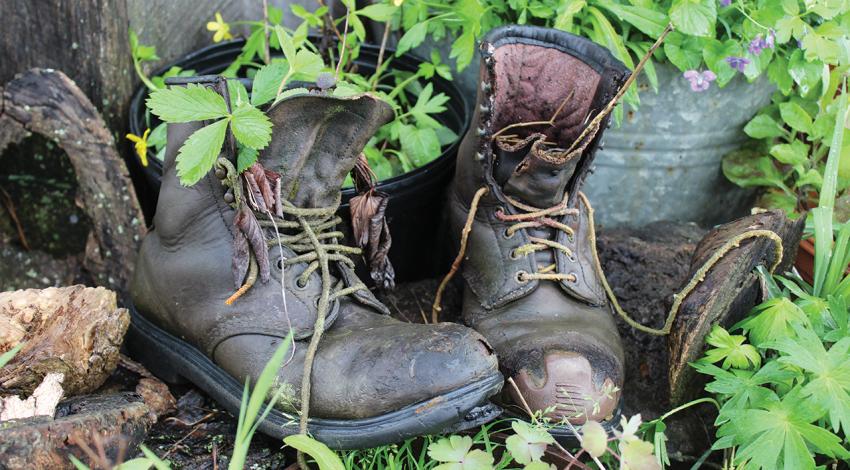
Two old boots contain plants.

The first containers Kathleen Killilea remembers planting were terra cotta window boxes with cherub embellishments. “My father lifted me over the wall of a client’s garden and handed them to me,” she recalls. Killilea’s job was to place those flower boxes she had helped to plant. She and her brothers played assistant to their dad, who started working at deMonye’s Greenhouse in Columbus when he was 13 years old and grew up to own it.