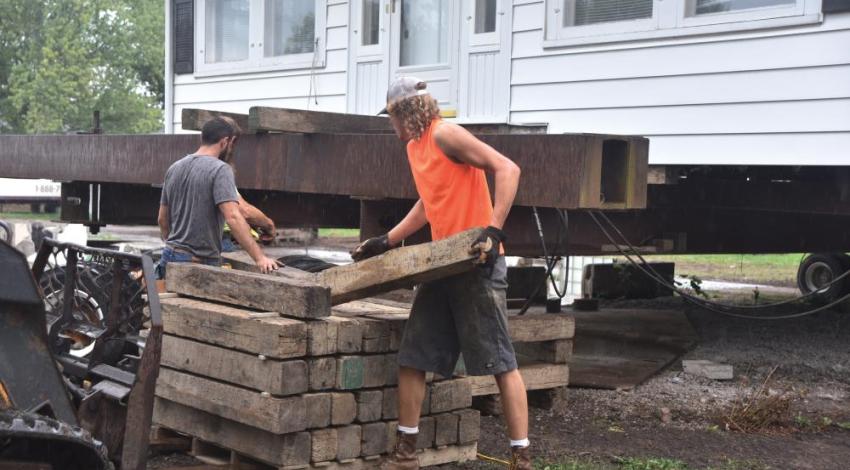
Jim Klier has been a mover for 39 years.
Klier has moved plenty of homes for lots of different reasons — some legal, like for zoning issues; others more sentimental. Klier’s moved a lot of older homes. Much older. Like an 1813 timber frame home on Lake Erie.
“Oh, heavens yes,” he says. “A home that’s been in the family for generations, for example. You really have to love the house to do something like that, to go through that process.”
It’s a situation nearly everyone can relate to: Your phone rings, you glance at the unfamiliar number, and you make the quick decision not to answer the call.
“When I first started at NRECA Market Research Services, nearly 18 years ago, 100% of our surveys were being done by phone,” Sanstead says. “In the past five years or so, I feel that members are still more willing to spend time on a survey for their local electric cooperative than they would be for a political survey, but people’s behavior with phones has changed. Many people will not answer their phone if they don’t recognize the number calling them.”
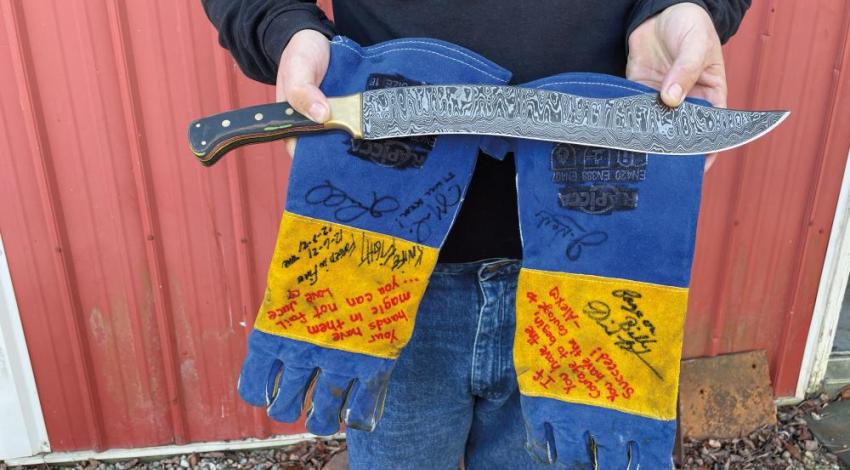
Butler Rural Electric Cooperative member Bill Pyles gave himself a valuable piece of advice after a once-in-a-lifetime opportunity: “Never say never.”
“After three days of (watching them make blades), I thought, ‘I bet I can do that,’” says Bill, a self-proclaimed tech geek who works for a company in California.
As it turned out, he was right.
Bill has a wife, Judy (who now refers to herself as a forge widow), four kids, four dogs, and two cats. He’s been a volunteer firefighter for Milford Township for 23 years and is also a part-time beekeeper. He seems to excel at anything he sets his mind to.
After he talked to his wife, he purchased his first small forge for $150. He already had everything else he needed.
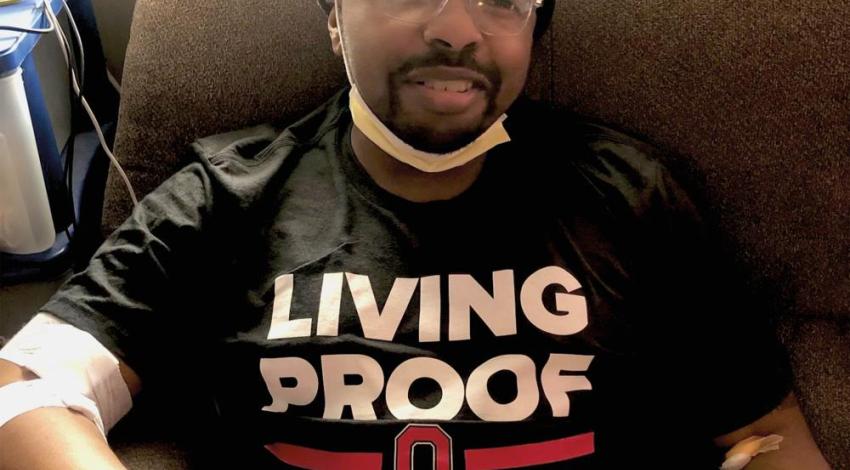
Shawana Mitchell and her fiancé, Joe Hedges, were regulars at Circleville’s VFW lodge poker nights, and, as they often did, joined the card-playing crowd one Friday evening in March 2021 with their friend Troy Fletcher.
The emergency squad arrived, and Joe was taken to Circleville’s Berger Hospital, then flown to Riverside Methodist in Columbus for emergency surgery.
Joe, 52, had suffered an aortic dissection, a tear in the inner layer of the body’s main artery. When Shawana saw him after surgery, his color had improved and she dared to hope. But brain swelling ensued, and Sunday morning, Joe’s family was called to the hospital.
Ohio Cooperative Living has been named the winner of the 2022 George W. Haggard Memorial Journalism Award by the National Rural Electric Cooperative Association.
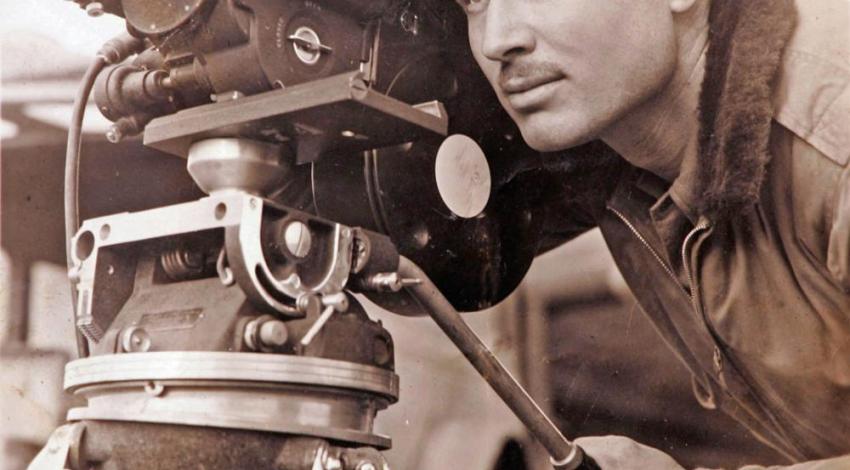
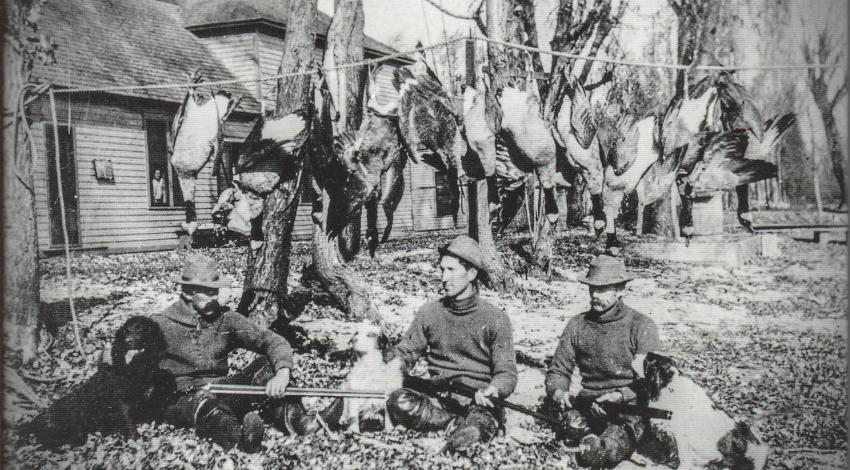
Like most wildlife photographers of the early 20th century — though there were only a handful — Karl Maslowski was a hunter before he became a photographer.
The answer to his problem, he believed, was acquiring one of those newfangled 16mm movie cameras he had been hearing so much about. “But they were just too expensive, and our family was dirt poor,” Maslowski remembered. Fate, however, sometimes has a way of intervening in such situations.
An Ohio map reads like an autobiography.
Four Mile Creek, for example, rises in the uplands along the Indiana-Ohio state line, picking up the waters of small rills and runs and seeps. It bumps into glacial moraines and purls through pastoral farmsteads on its downhill destiny with the Great Miami River — by which time it has become a substantial stream. Its placid form and lyrical name belie the fact it was born from warfare.