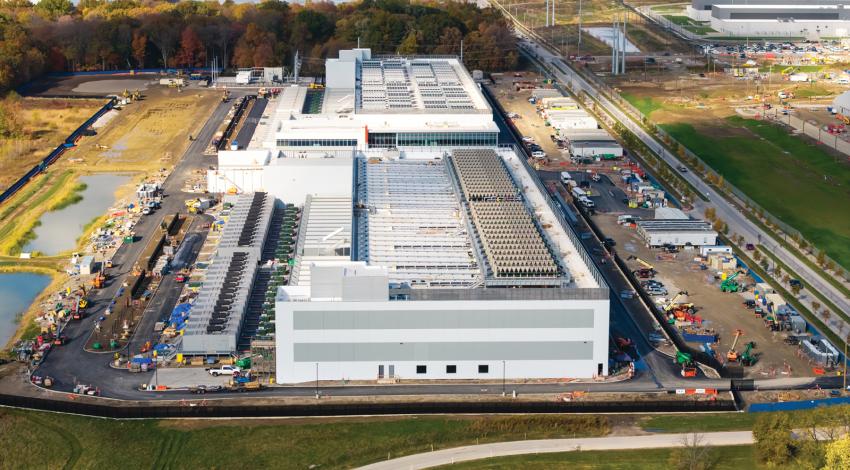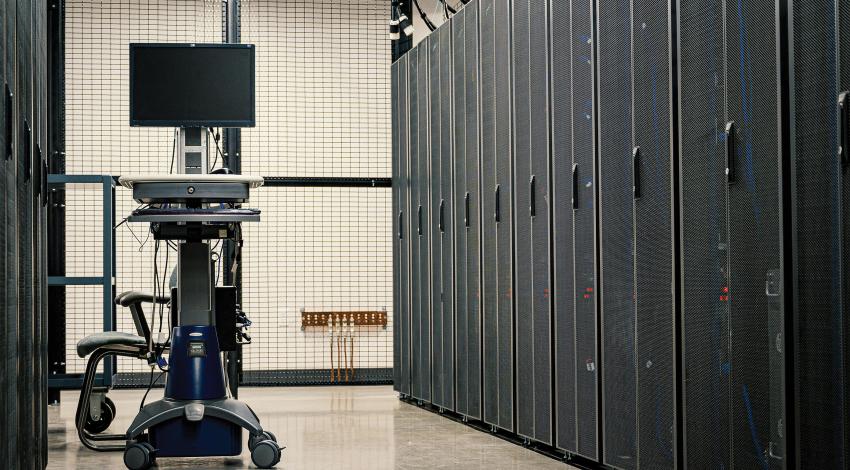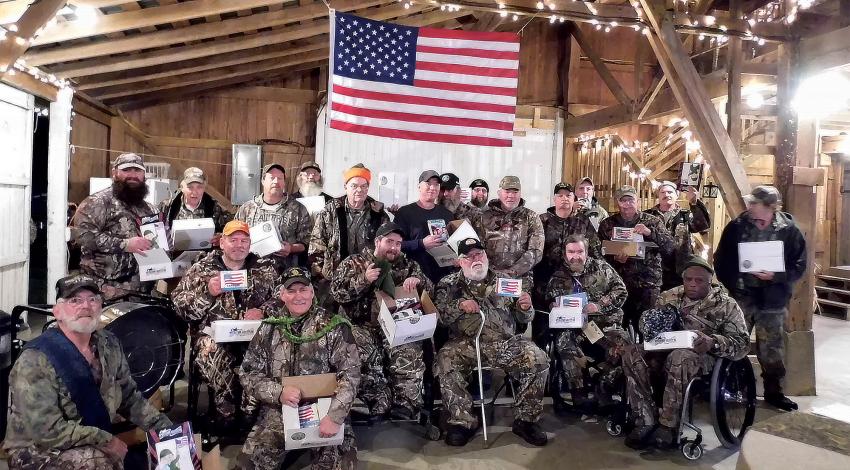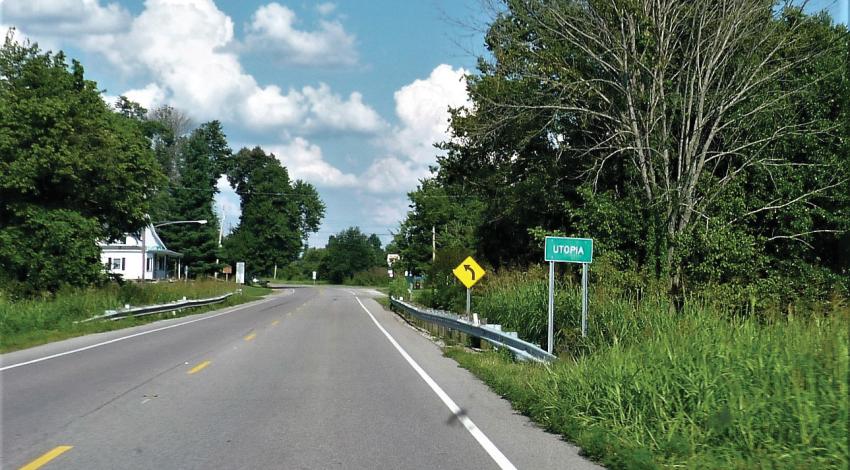
The story is well known to anyone familiar with electric cooperatives: People living in rural areas in the 1930s and ’40s couldn’t enjoy the benefits of electricity in their homes and on their farms because bringing power out into the countryside was a complicated and expen
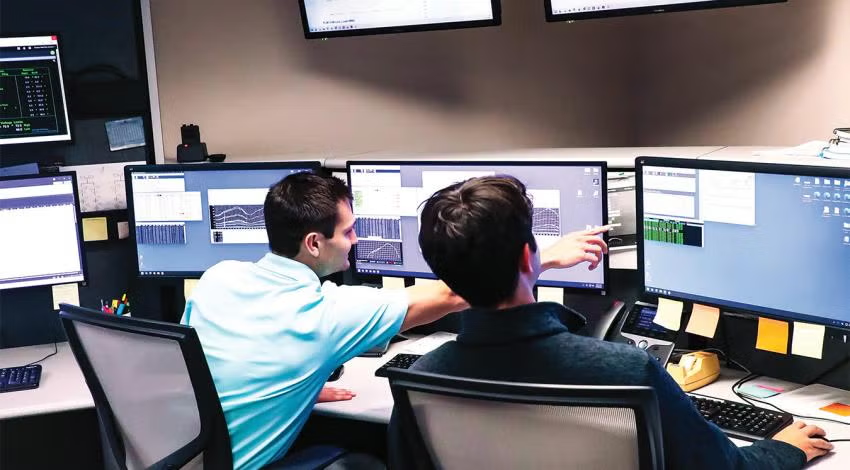
Co-ops were early adopters of AMR (automated meter reading) and AMI (advanced metering infrastructure), which automate tasks as mundane as reading a meter or finding the location of an outage. In a big city, that might take a few minutes for a utility crew, but co-op crews might have to drive for a couple of hours to do the same thing. If technology can eliminate that two-hour trip, it’s safer for employees, minimizes outage times, and saves members money.