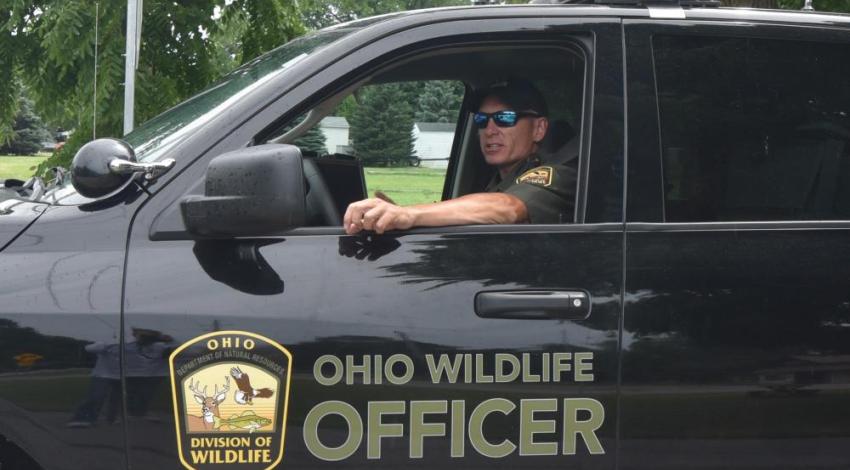
Mostly in life, possums, skunks, groundhogs, and racoons don’t get much respect. That’s especially so for the ones who spend their last earthly moments on Ohio roadways, just before they get hit.
Katie Dennison is a research biologist for the Ohio Department of Natural Resources’ Division of Wildlife. At the Olentangy Research Station in Columbus, she oversees the annual Furbearer Roadkill Survey. And yes, that’s the official name.
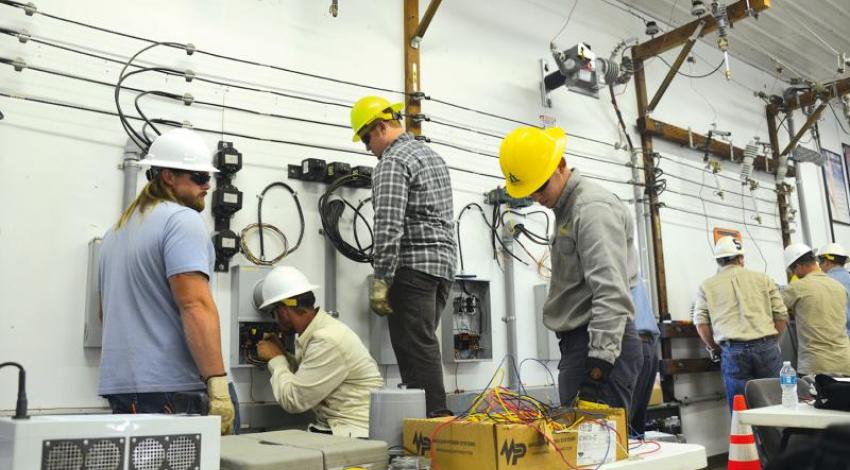
Mike Taylor was a few days away from a scheduled pre-hire lineworker assessment at Paulding Putnam Electric Cooperative when his little brother, Tim, attended an Ohio Farm Bureau ExploreAg one-day program at the
ExploreAg is Ohio Farm Bureau’s signature agricultural literacy and workforce development program. The majority of its offerings, which are free, are week- and weekend-long immersion camps for high school students. Teens get a broad-spectrum look at agriculture and related STEM fields, develop their leadership and collaboration skills, and prepare for college and/or a career.
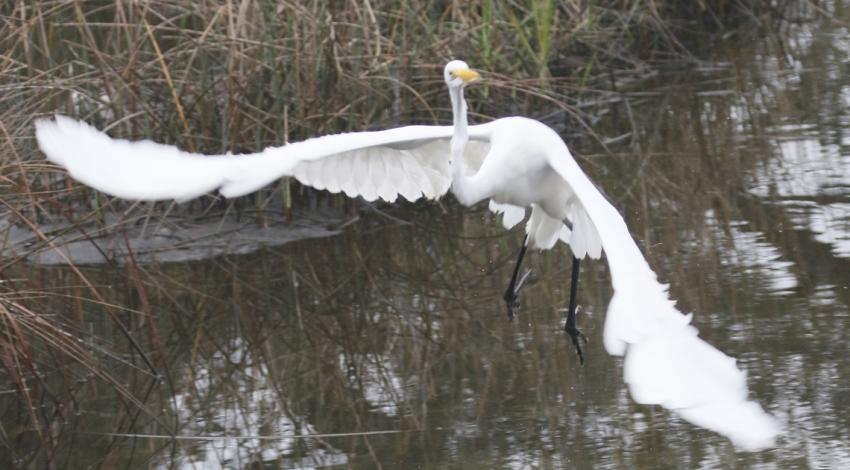
Sometimes, it’s good to remember just how far we’ve come in wildlife conservation.
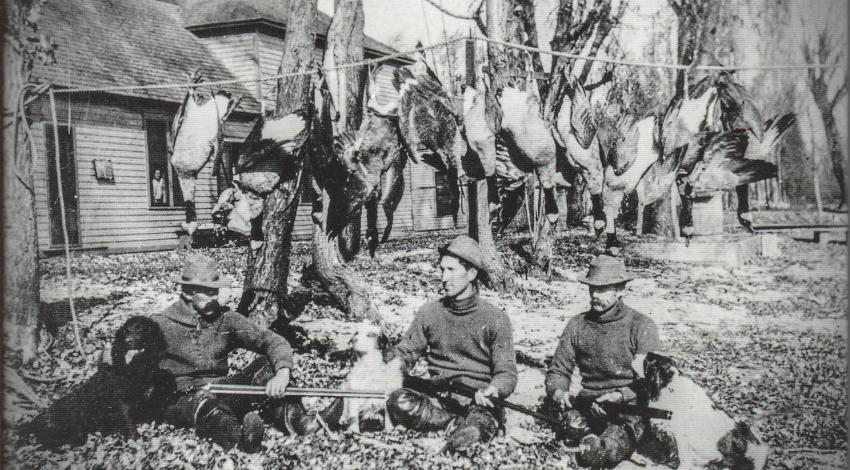
During the late 1800s and early 1900s, bird feathers were the fashion fad in the millinery — hatmaking — trade. Some feathers, especially plumes from great egrets and snowy egrets, were in such demand that they were literally worth twice their weight in gold. During the 1890s alone, it’s estimated that 5 million birds were killed annually for their feathers. To make matters worse, those birds were taken almost exclusively during the breeding season, their eggs left to rot or their hatchlings to starve and die.
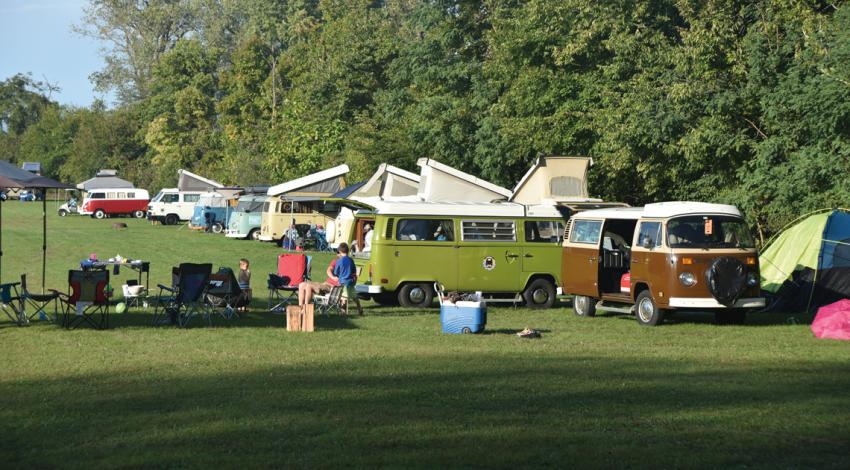
Love of kombi is an affliction that runs deep and can span decades — ask anyone who suffers. Specifically, ask those who assemble at the Kelleys Island 4-H campground each autumn for LEAKOIL’s annual weekend camping event, Kombis on Kelleys.
Esquivel said there are disadvantages to owning an old bus, including the “old rust-bucket” itself (as she describes her 1972 camper) and the constant attention it requires.
“People are always saying, ‘I love your car!’ and ‘Can I look inside?’” she says. “Of course, I always let them. And people offer to buy it all the time, too, but I would never sell it.”
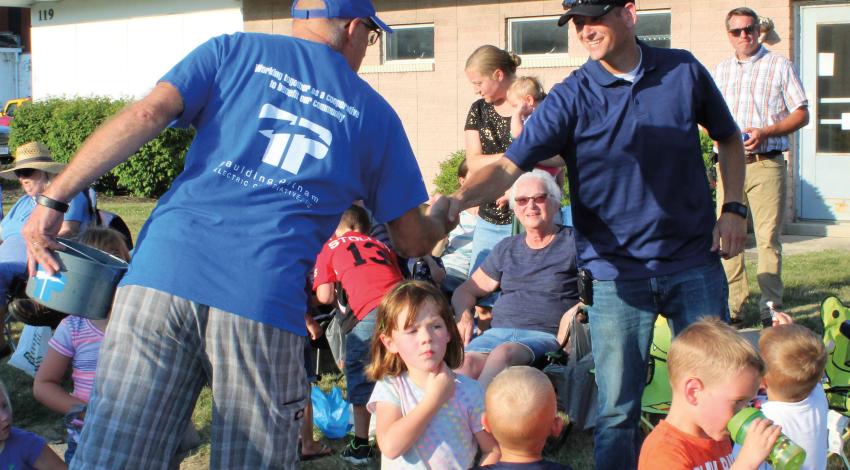
George Carter spent 17 years working in the electric cooperative industry before he became president and CEO of Paulding Putnam Electric Cooperative in Paulding in 2005.
The 24 electric cooperatives that power rural Ohio are focused on improving quality of life for co-op members and ensuring the long-term prosperity of the communities they serve. That focus, employees say, is what makes cooperatives different from other workplaces. When a team is focused on a common goal, especially one that makes a positive impact on communities they love, it often results in fulfilled employees.
It’s not unheard of, in fact, for someone to spend their entire career with the same co-op.
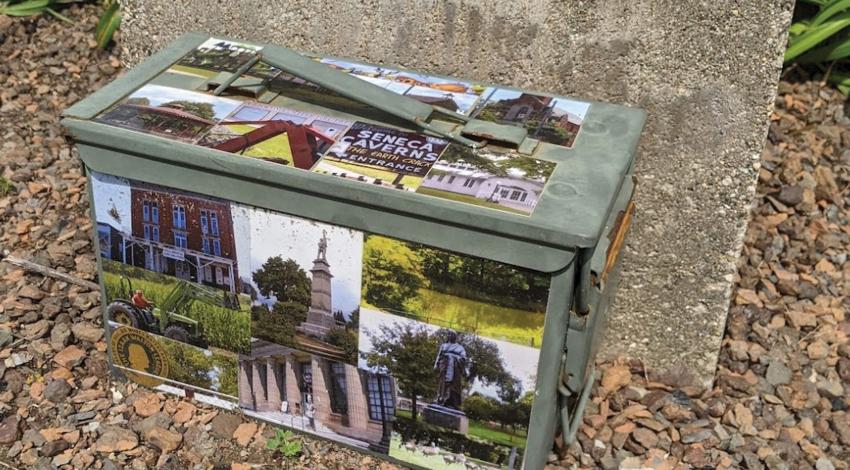
Geocaching — a smartphone version of hide-and-seek — turns GPS technology into a family-friendly game for getting outside.
When it was created 22 years ago, it was described as a “high-tech treasure hunt,” and though geocaching has evolved over the years, the basic premise remains the same. GPS coordinates are used to track down caches, or “treasure” hidden in containers. From the first cache hidden near Portland, Oregon, the number of caches has grown in two decades to well over 2 million worldwide, according to www.geocaching.com, the hobby’s worldwide coordinator. There’s sure to be a few near you right now.
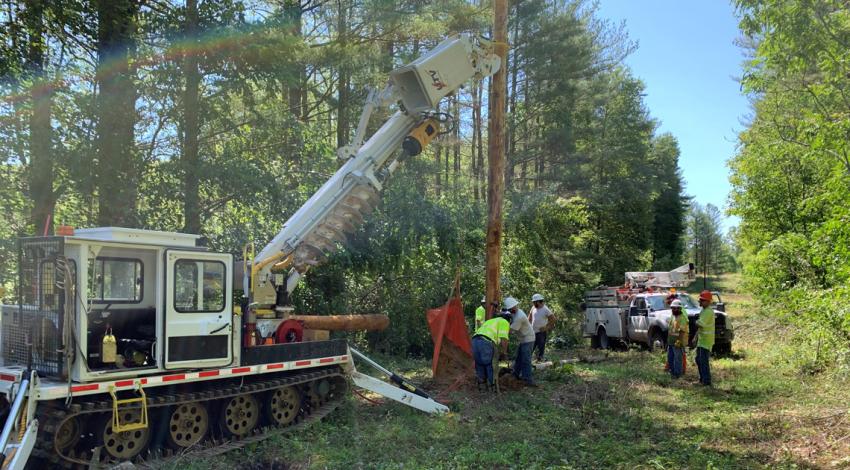
Cooperation among cooperatives is a principle ingrained in the cooperative business model and lived out by cooperative employees when we face challenges. This summer, we have already seen powerful storms tearing through much of Ohio — uprooting trees, breaking utility poles, disrupting electric service, blocking roads, and generally making a mess of things.
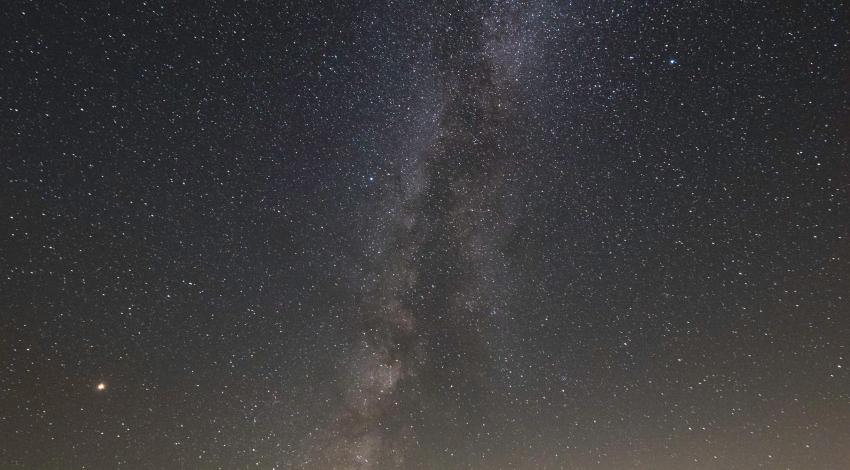
Getting Brad Hoehne to stand still for a photo isn’t easy.
Served by South Central Power Company, the park sits on an open patch of land within Hocking Hills State Park. It’s named for the Ohio-born-and-bred astronaut who was the first American to orbit the Earth. JGAP opened in 2018, but Hoehne had been thinking for years about creating a venue where the public could connect with the cosmos. “I got the idea in 2003,” he says.
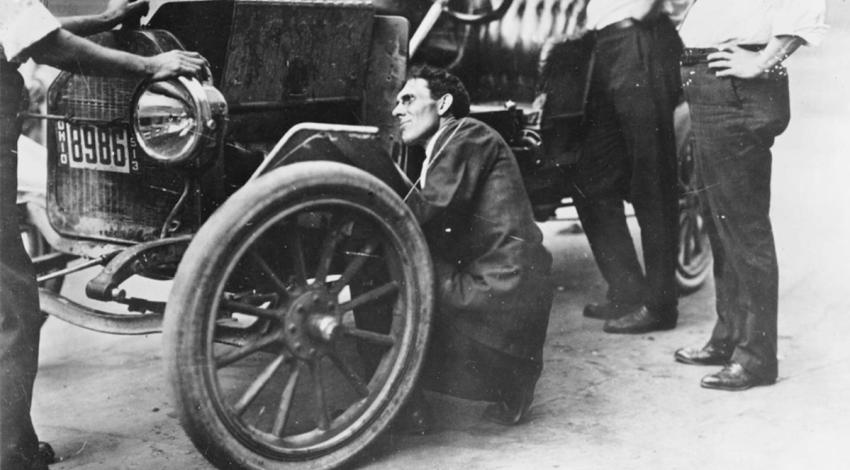
When automobiles were first being developed more than a century ago, they were as dangerous to start as they were to drive. You didn’t just turn a key in the ignition or press a button on the dashboard as we do today.
Born in Loudonville, Ohio, in 1876, Charles Kettering was the fourth of five children in his family. Poor eyesight caused him headaches in grade school, but he persevered to attend the College of Wooster before transferring to Ohio State University in Columbus. However, continuing eye problems eventually forced him to withdraw, and he took a job at the Star Telephone Company in Loudonville as foreman of a line crew.