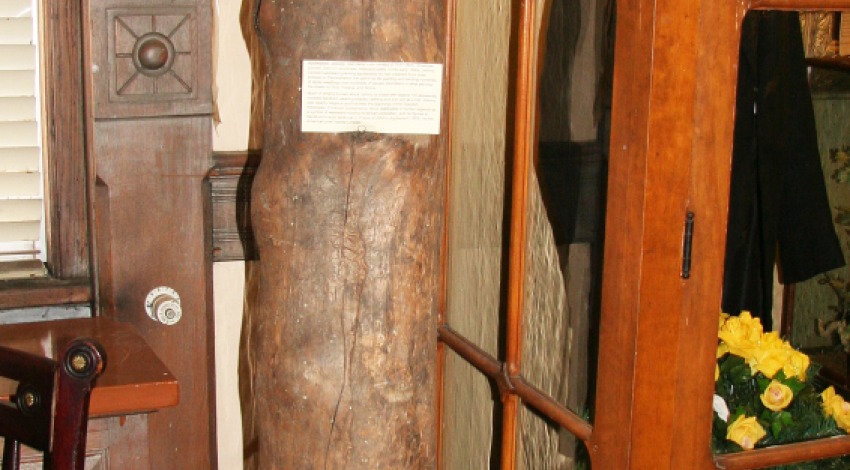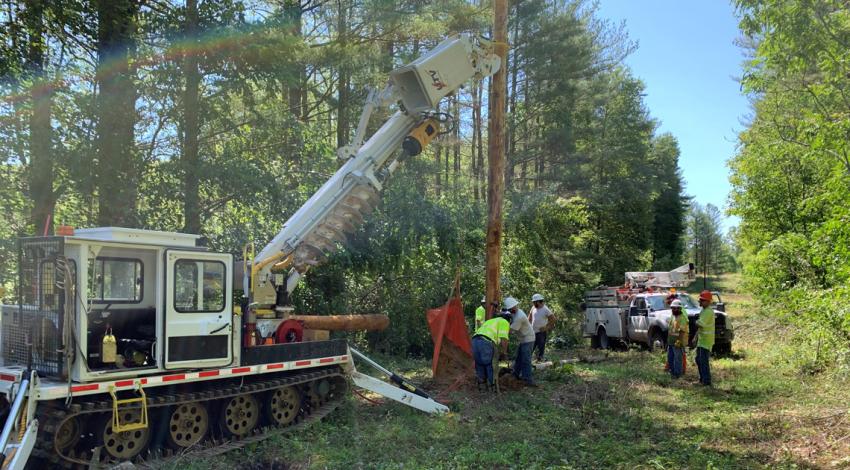
Cooperation among cooperatives is a principle ingrained in the cooperative business model and lived out by cooperative employees when we face challenges. This summer, we have already seen powerful storms tearing through much of Ohio — uprooting trees, breaking utility poles, disrupting electric service, blocking roads, and generally making a mess of things.
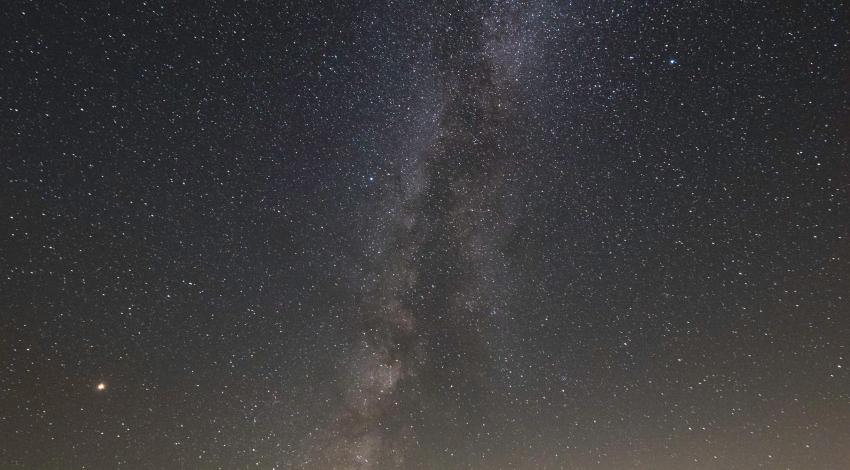
Getting Brad Hoehne to stand still for a photo isn’t easy.
Served by South Central Power Company, the park sits on an open patch of land within Hocking Hills State Park. It’s named for the Ohio-born-and-bred astronaut who was the first American to orbit the Earth. JGAP opened in 2018, but Hoehne had been thinking for years about creating a venue where the public could connect with the cosmos. “I got the idea in 2003,” he says.
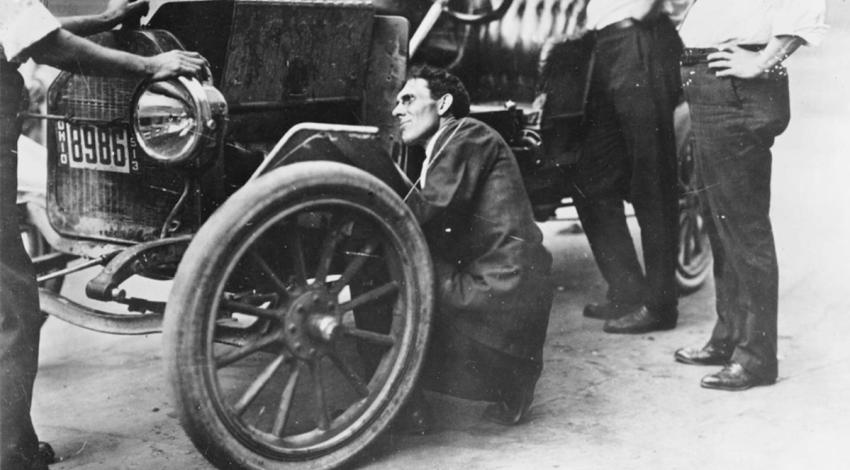
When automobiles were first being developed more than a century ago, they were as dangerous to start as they were to drive. You didn’t just turn a key in the ignition or press a button on the dashboard as we do today.
Born in Loudonville, Ohio, in 1876, Charles Kettering was the fourth of five children in his family. Poor eyesight caused him headaches in grade school, but he persevered to attend the College of Wooster before transferring to Ohio State University in Columbus. However, continuing eye problems eventually forced him to withdraw, and he took a job at the Star Telephone Company in Loudonville as foreman of a line crew.

The hours of bright sunshine that come with scorching Ohio summers often spur people to consider harnessing energy from the sky’s brightest star with rooftop solar panels.
Bright side
Demarco Deshaies of Rockridge in Hocking County decided to investigate solar as a backup after losing electric service for several days following a devastating February 2022 winter storm.
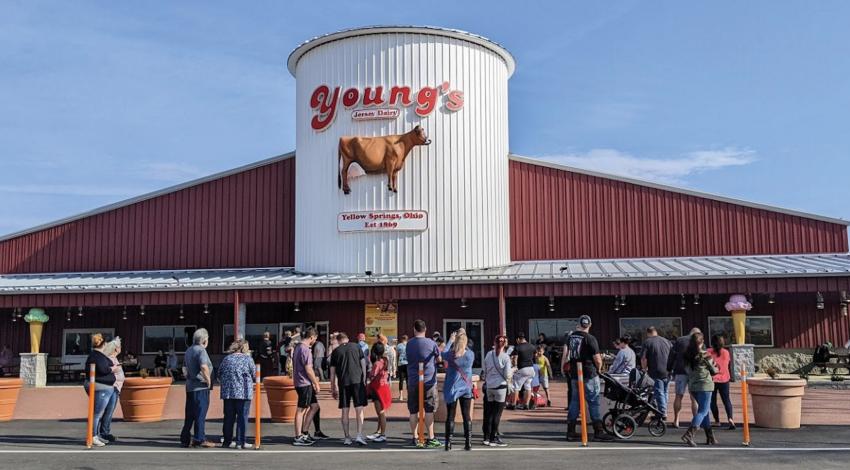
It's no surprise that Ohio ranks in the top 10 of ice cream-producing states. Its rural heritage provides a steady supply of the main ingredient — and several families through history began traditions that remain in place today.
Velvet Ice Cream
Utica, 1914
Immigrant Joseph Dager arrived in Ohio in 1903 and began making ice cream in Utica in 1914. Within two years, he was producing 200 gallons of ice cream every month, and the creamy, velvety texture inspired the name Velvet Ice Cream.
In 1960, an old grist mill became the company’s permanent home. Ye Olde Mill houses a turn-of-the-century ice cream parlor that opened in 1970 and welcomes 150,000 guests each year.
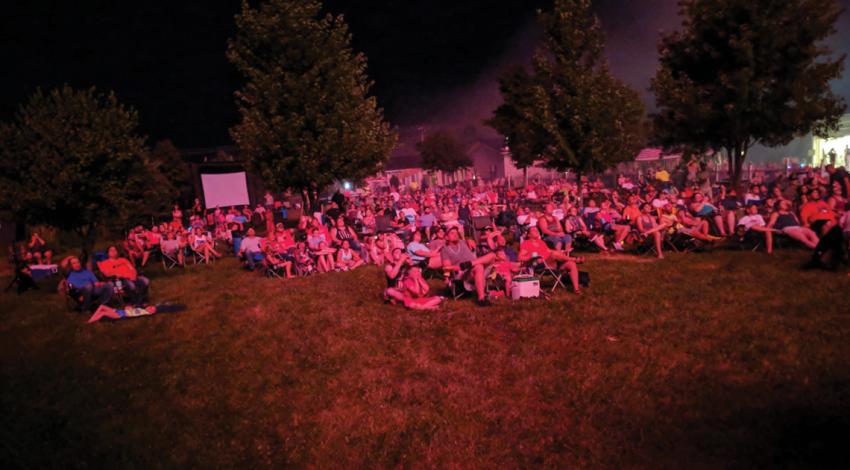
What started out as a little backyard celebration just outside the village of Fletcher in Miami County nearly 20 years ago has evolved into an event that everyone can enjoy.
Even their “humble” beginning wasn’t all that insignificant; the event drew between 100 and 150 agricultural business contacts, family, friends, and neighbors. But now, the event has grown to several thousand in attendance — and that doesn’t even include those who watch the show from neighboring private parties or from safe parking spots nearby.
“Ultimately, we do this to make people happy, especially those in our community,” Mike says. “You don’t do this for the money — you do this because you want to make those people happy. That, to me, is the challenge.”
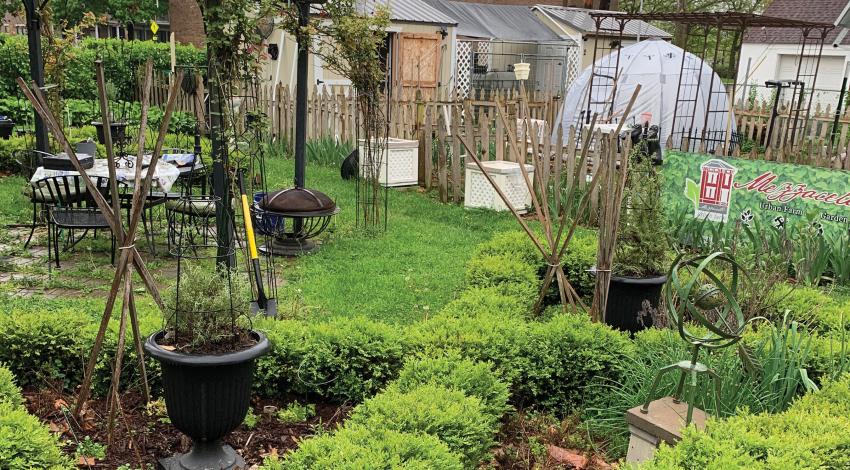
A stroll through this Ohio farm leads you past a lovely formal garden, a koi pond, and two fountains before you reach the medicinal, culinary, and potager gardens.
Ten years ago, the property was an abandoned 1868 Italianate house and two adjacent overgrown lots. After much planning, digging, and planting, Mezzacello now produces high-quality, nutritious food and serves as a learning lab where Bruner and local students test ideas. The name Mezzacello (“little Monticello”) pays homage to another lifelong innovator: Thomas Jefferson, and his agricultural experiments at his iconic Virginia estate.
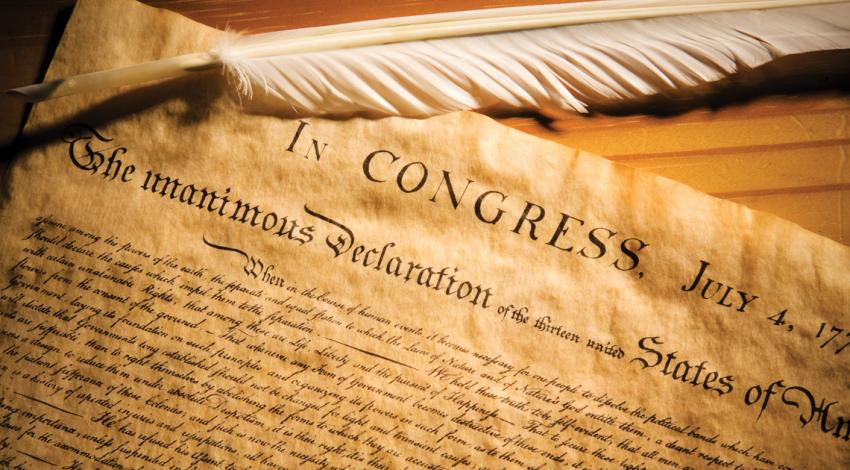
The Fourth of July provides us an opportunity to celebrate our independence as the United States of America. Our national holiday also provides an opportunity to reflect on the courage and strength of will demonstrated by the colonial leaders who drafted and signed our famous Declaration of Independence.
While the first few lines are more famous, the closing sentence provides a clear view of their understanding of what it takes to be truly independent.
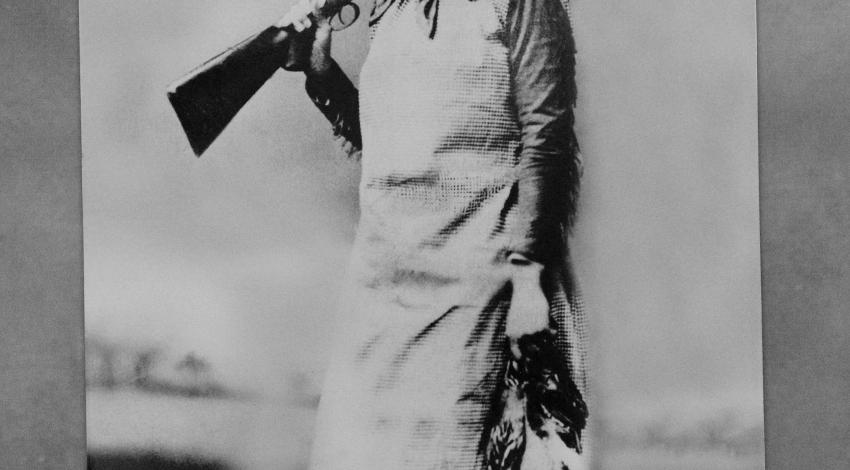
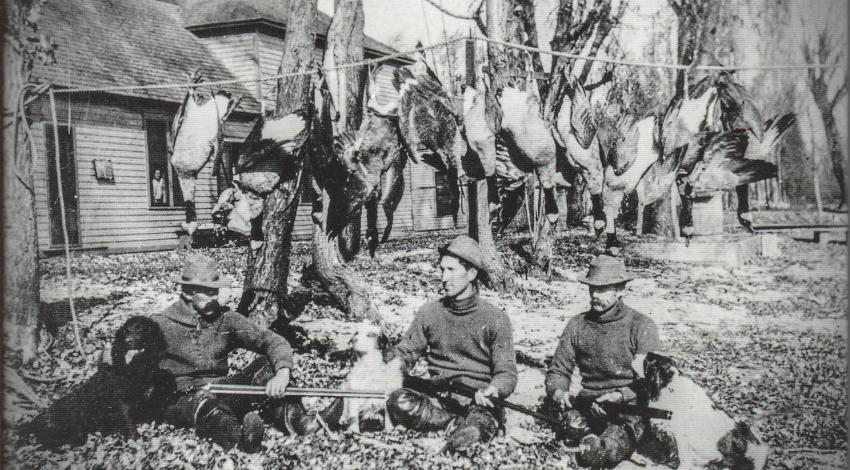
The greatest exhibition shooter of all time — male or female — was a young woman from Darke County, Ohio: Annie Oakley (1860–1926).
“The museum has the largest display of Annie Oakley photographs, firearms, and memorabilia anywhere in the world,” says Katie Gabbard, marketing director at the Garst. “An entire wing is dedicated to her, chronicling Annie’s many shooting accomplishments as well as her lesser-known philanthropic endeavors.”
In fact, very few of Annie’s medals and awards survive today, as she had most of them melted down near the end of her life so she could raise money for charity.