This past year was one of transition. COVID-19 began to have less effect on our lives through the year as vaccines became available, and many businesses returned to more normal operations. The federal government underwent a shift in power between the parties and adjusted its focus to different priorities. The recovery in economic activity was hampered by shortages of materials and labor as businesses tried to recover production capacity and supply chains struggled to supply needed goods.

When Dan and Tawni Batdorf hit the road to their latest catering job, they bring a spacious kitchen with all the conveniences of home right along with them.
The Batdorfs started Red Barn Catering in 1998, working from the back of a pickup truck stacked with coolers, grills, and cooking utensils. One of their early engagements had them preparing 77 customer appreciation lunches for Ebberts Field Seeds, down the road from their Miami County farm. They still work that lunch, but today, the number of lunches they produce for the annual event has grown to about 630.
“We definitely needed something more than a pickup truck bed,” Tawni Batdorf says with a chuckle. “We needed a place out of the rain and the sun and a place to wash dishes.”
Over the last few months, Ohio Cooperative Living has taken a look at why we still need coal — an analysis of cost and reliability factors of different generation resources; a review of the sources of electricity used to power Ohio’s co-op member homes and businesses; an ex
ADDING TRANSMISSION
Hundreds of billions of dollars will be needed to build and upgrade the transmission system to carry more electricity from wind and solar. An MIT study found transmission capacity will need to be doubled, and recent transmission projects have taken as long as 17 to 20 years to complete.
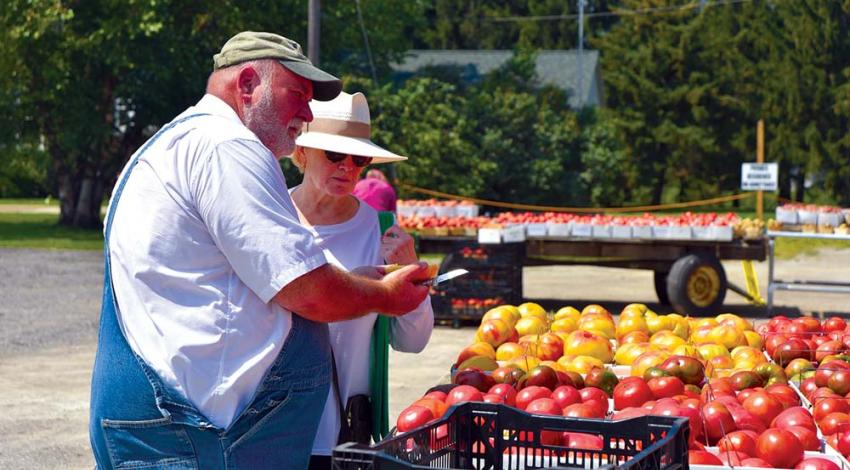
The specialty crops on Lee Jones’ 350-acre farm are myriad: beets, peppers, tomatoes, carrots, tomatillos, honey, potatoes, corn, beans, squash, edible flower blossoms — the list numbers into the hundreds.
The pandemic, however, completely changed his business model. “We made a lot of lemonade last year trying to swing for base hits,” Jones says. “We had to, because we were desperate to keep the farm going and, most importantly, keep our team safe, fed, and employed.”
Jones says he’s proud to have kept 136 families gainfully employed through the pandemic. His family already lost one farm in the 1980s after a devastating hailstorm finished off what the 1980s American farm crisis had already begun, and so he was determined to make it work.
He did it in ingenious fashion.
One of Jane Ann Queen’s earliest holiday memories is the snowy white pies at her grandparents’ house in Marion.
After her grandmother died several years ago, Queen picked up the torch and began making Nanny’s White Christmas Pie herself. “It keeps me connected to my grandparents and keeps those family ties going strong,” she says. “That means a great deal to me and to my family when we eat it.”
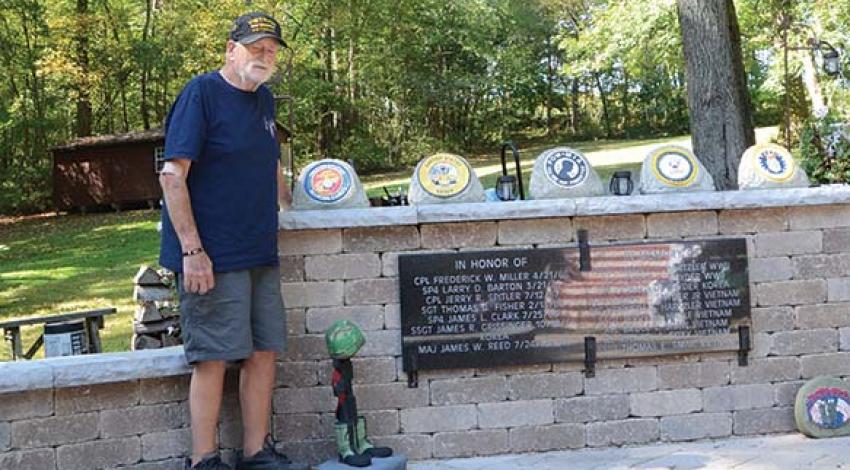
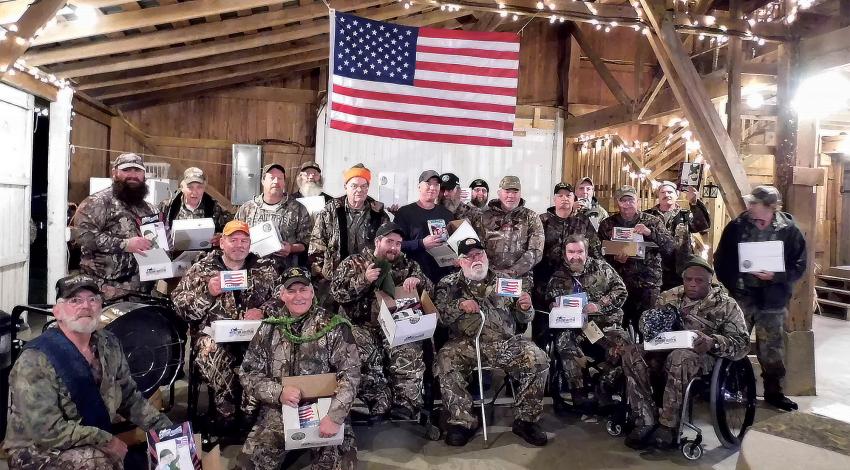
It was the pandemic that moved him to action. “I was just sitting around, getting outside, kind of bored,” he says. “We have a lot of space out here, and I started thinking I ought to put in a memorial for my buddies who didn’t make it back.”
And so, he did. With the help of landscapers, stonemasons, contractors, and monument-makers, Snyder funded and built an impressive military memorial right in his backyard.
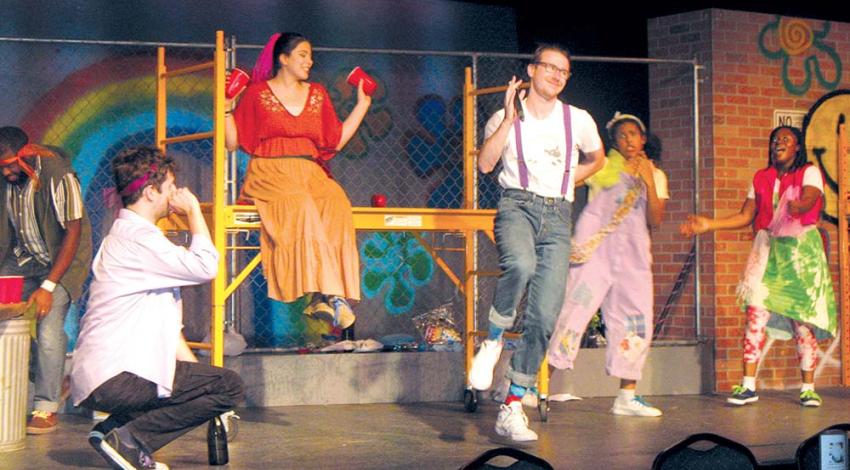
Thanksgiving takes place nearly every day of the year at Cornwell’s Turkeyville, located approximately 45 miles north of the Ohio border near Marshall, Michigan.
The sprawling complex is home to a restaurant offering all-turkey entrées, as well as made-from-scratch sides and desserts. It also boasts a 5,000-square-foot Country Junction gift shop, an ice cream parlor, a professional dinner theater featuring talented actors and actresses from throughout the country, a 175-site campground complete with swimming pool, and an outdoor gazebo where musicians tune up their instruments on warm summer days.

There is a lot of discussion taking place on what to do about carbon emissions. In fact, Congress is actively considering proposals that would require dramatic reductions from the electric power sector over the next 10 years.
Since 2005, carbon emissions from U.S. electricity production have been reduced by more than 30%, while other sources of emissions in the U.S. have remained relatively unchanged — and global emissions have continued to increase. That dramatic reduction has been the result of increased use of high-efficiency natural gas power plants and increasing contributions from renewable sources like wind and solar. Electricity production will continue to get cleaner and greener over the next several years.
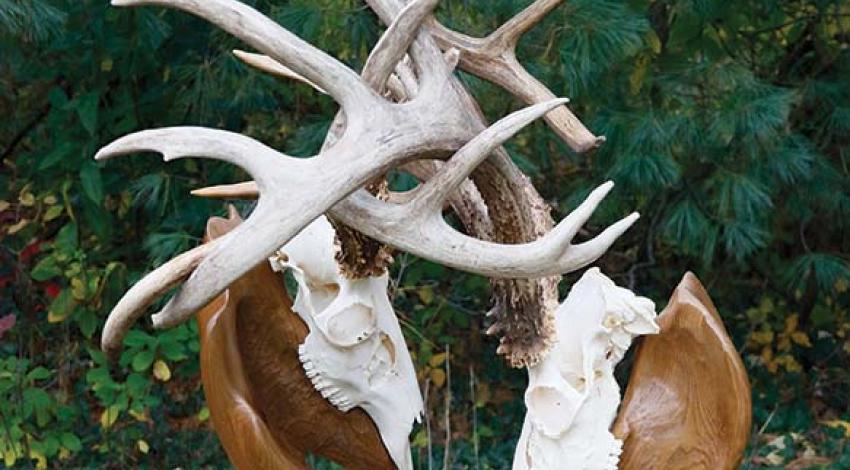
Each autumn, testosterone-fueled whitetail bucks, their necks swollen to twice normal size in preparation for battle, clash in combat to determine who will win the right to breed the area’s does.
Clint Walker, a member of Consolidated Cooperative, discovered just such a pair of dead bucks on his farm in Morrow County in north-central Ohio during the autumn of 2017. Interestingly, this is not the first unusual find on the Walker farm. In 2013, a mastodon skeleton was discovered and subsequently excavated by biology professors and students from Ashland University. According to carbon-14 dating techniques, the giant bones were estimated at 13,000 years old.