"Home for the holidays” takes on a whole new meaning when you choose gifts created by Ohio artisans, crafters, and makers. You’re supporting small businesses throughout the state, and you’ll impress everyone on your list with items that are unique, innovative, and homegrown.
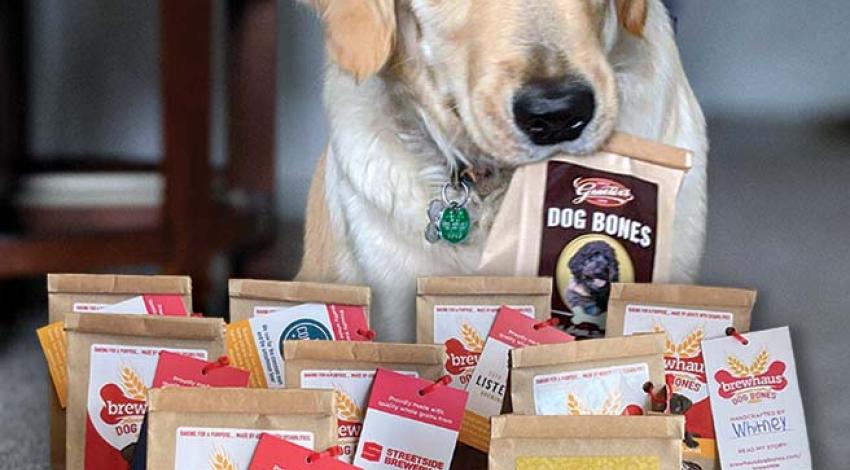
Brewhaus Dog Bones, Cincinnati
A nonprofit organization founded by Lisa Graham, Brewhaus Bakery provides vocational training and employment for young adults with disabilities. Its handcrafted, small-batch dog bones are a healthy treat with ingredients including protein-rich spent grains sourced from local microbreweries and fresh eggs delivered by a Brown County farm. 513-551-7144. http://brewhausdogbones.com
Country Manor Mixes, Leesburg

As summer has ended and autumn is upon us, your electric cooperatives are making plans for next year.
In 2017, Ohio’s electric cooperative network launched the OurSolar statewide initiative that developed 23 community solar projects across the state. In total, the arrays can provide up to 2 megawatts of renewable energy, under ideal conditions. Consumer-member response to the new community-based solar farms and solar power subscription opportunities was clearly supportive. Panels available for subscription at many participating co-ops sold out almost immediately.
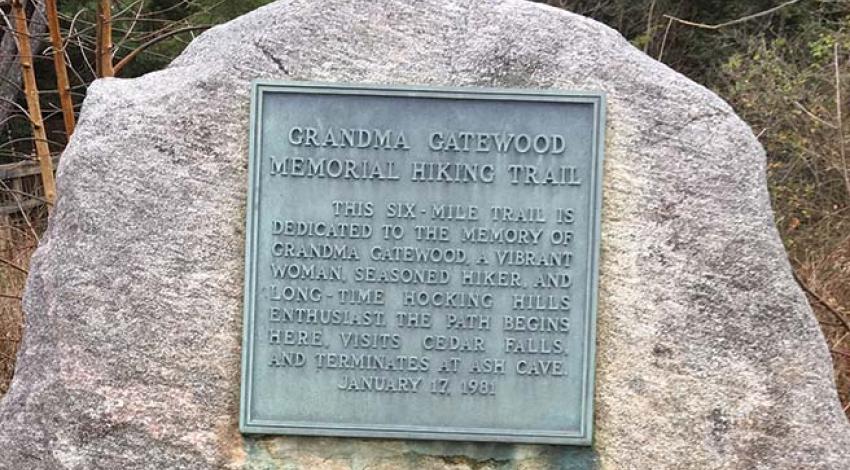
Do you like to hike? Emma Rowena Gatewood sure did.
Known for her minimalist, no-nonsense approach to hiking, Gatewood used a homemade sassafras walking stick to help steady her on the trail and carried a cloth sack slung over her shoulder, filled with only 18 pounds of food and equipment. Today’s hikers often carry twice that much weight if not more, and they do it with high-tech backpacks. Instead, she had the following advice for would-be AT hikers:
Cleveland native and Hollywood actress Patricia Heaton of Everybody Loves Raymond and The Middle once told a joke about pro football coach Paul Brown: “A football player died and went to heaven.
The joke slyly illustrates the enormous impact and legacy Paul Brown had on the game of football. Pre-Brown, it was characterized mostly by brute force, with little intellectual finesse. Brown’s genius for innovation transformed it into the mental and analytical game that it is today.
Buckeye Power, the generation and transmission cooperative that provides electricity to Ohio’s 24 electric cooperatives, produces safe, affordable, and reliable power using an all-of-the-above generation strategy.
Each potential generating resource — coal plants, solar panels, hydropower facilities, etc. — produces power at a different level of reliability, environmental impact, and cost, so the trick is to balance each factor in the generation mix to produce electricity in the safest, cleanest, most economical, and most reliable way possible.
That’s already a complicated task, because some of those factors tend to be at odds with one another. In recent times, another factor has added another twist to those generation decisions: consumer attitudes.

Did you hear that?” my daughter, Rosie, asks as we climb a wooden staircase in the Anchorage, a former mansion on the outskirts of Marietta, in southeastern Ohio. “It sounded like a low grumble.”
History and hauntings
A healthy respect for the “other side” is well advised during a visit to Marietta, which dates to 1788 as the first permanent settlement in the Northwest Territory. History and hauntings go hand in hand here, as the city’s storied, well-preserved past provides ghosthunters a spooky year-round playground.
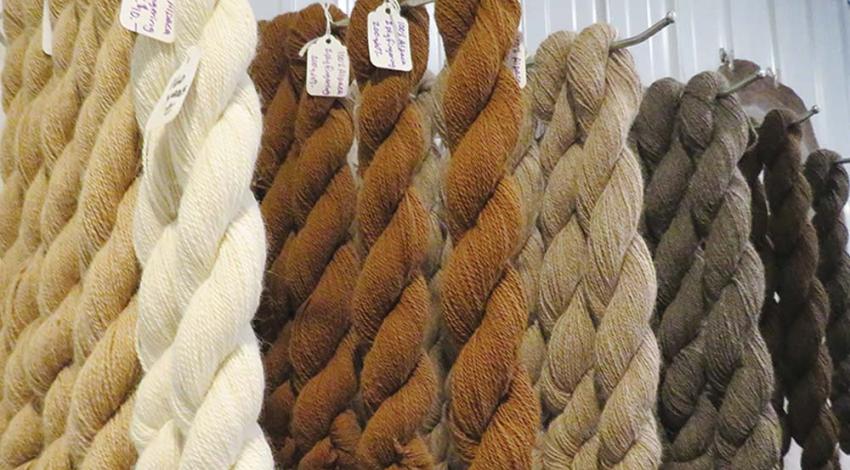
When a young woman approached Robbie and Carrie Davis about making the yarn for her wedding shawl, they readily obliged. The bride-to-be wanted the yarn to contain fleece from a specific alpaca, so they created an alpaca-silk blend especially for her.
A cria is a baby alpaca, and the farm’s name was inspired by the couple’s years of alpaca industry experience. They acquired their first alpacas in 2006 and soon began breeding and showing the animals at fairs with help from their son, Jessie, who is now 20 and an aviation technology student at Sinclair Community College. Alpacas don’t shed, so Robbie and Carrie became adept at shearing.