The smallest of Ohio’s electric cooperatives with just over 4,400 members, Tricounty Rural Electric Cooperative is a nimble, lean machine.
Away from the hubbub, but not too far away
The area has a rich agricultural history and enjoys a rural setting while benefiting from close proximity to Toledo and to Lake Erie, making for easy day trips. The Toledo Zoo, the Toledo Museum of Art, and the National Museum of the Great Lakes are popular destinations in this area of the state.
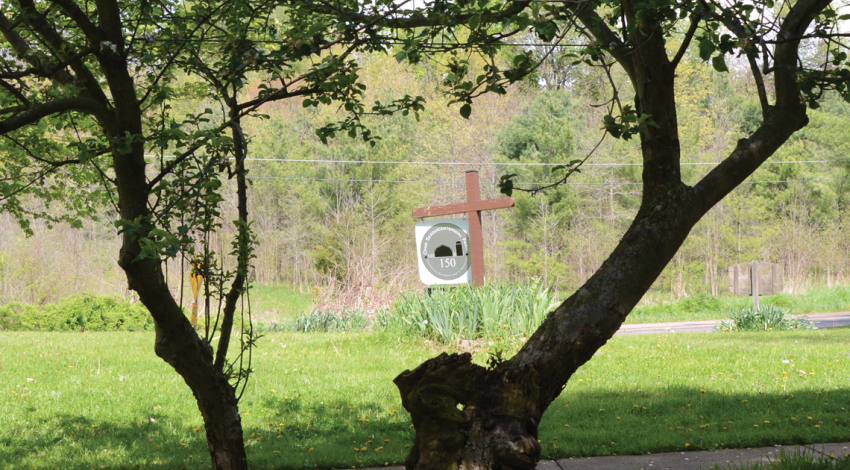
Tucked off County Road 658 in Ashland County, not far from the northward-flowing Vermillion River, a squat, knobby tree stump sits near a modest white farmhouse.
Folklore paints Johnny Appleseed as an eccentric nature lover, scattering apple seeds while wandering barefoot and wearing a tin pot as a hat. While he was a devout conservationist, he was also a calculating and successful orchardist whose passion sprang from a blend of religious devotion, humanitarianism, and strategic economic thought.

It’s clear that coal is no longer “king.” It’s also clear, though, as our associate editor, Rebecca Seum, explains succinctly in her story, that it’s still an essential element of a reliable power generation syste
The use of coal as a fuel source for electricity production has been on the decline because of increasing environmental requirements and the decreased costs for alternatives like natural gas and renewable generation sources. Concerns about the level of carbon dioxide emissions from coal generation further limit its future use, but the practicality and, yes, the reliability, of coal are undeniable. The truth of the matter is that fossil fuels, including coal, play an essential role in keeping the nation’s lights on.
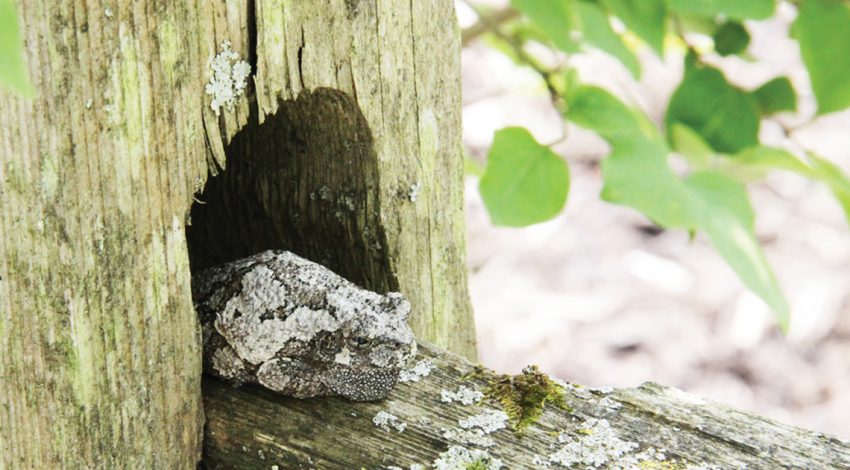
Even if you didn’t quite recognize it, you’ve likely heard the sound. Just before or after a summer rain shower, a loud, short trill — just 1 to 3 seconds long — emanates from a nearby tree. Was it a bird?
Some gray treefrogs also call outside of the breeding season — generally April through June in Ohio — but why they do so is a mystery. “It isn’t uncommon to hear a male calling from high in the trees in late summer or early fall,” Lipps says.
Measuring no more than 2 inches long, the gray treefrog is the largest treefrog in the northern United States; it’s found throughout Ohio. Mainly arboreal, the frogs come down out of the trees during breeding season, congregating in vernal pools.
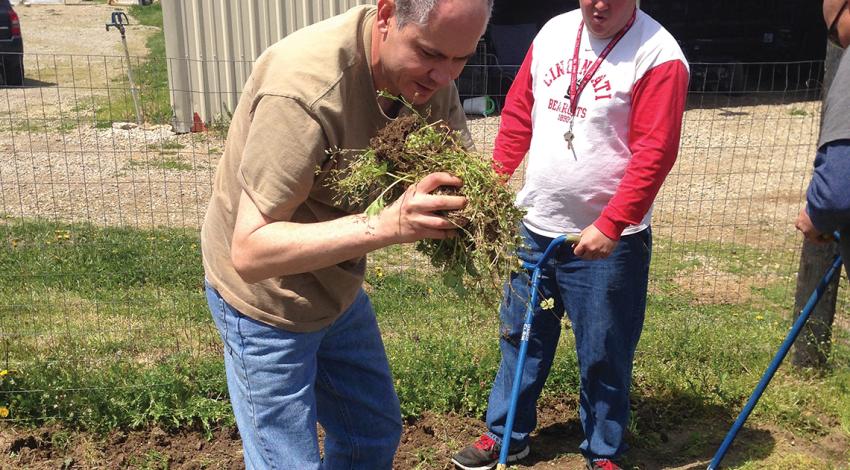
Tucked away in the western part of the state is an idyllic 60-acre farm, complete with chickens, horses, alpacas, and a miniature horse named Jack. The human residents here — like all farmers — tend to a wide variety of daily and seasonal tasks.
ASD is a lifelong condition that affects one in 54 people. Symptoms vary but can include trouble communicating, repeated rocking, and strong reactions to sounds, scents, or tastes. It’s common for an autism diagnosis to include other disorders, such as epilepsy, obsessive-compulsive disorder, ADHD, and bipolar disorder. Depending on the severity of someone’s symptoms, it can be difficult to hold a conversation, maintain a friendship, or keep a job.

Show of hands: After months of COVID confinement, who wants to lie on a beach towel beside a long stretch of sun-kissed water? Build sandcastles? Paddle around? Go for a long swim? Simply laze away a summer afternoon?
Cedar Point Beach, Sandusky
Cedar Point began with its beach in 1870, and today, the amusement park delivers dual fun-in-the-sun experiences: world-class rides plus a mile of smooth, white sand — all enhanced by splendid lake views and refreshing breezes. Open only to Cedar Point guests, the beach offers amenities and activities that range from lounging in an umbrella chair and snapping photos on its grand boardwalk to renting WaveRunners and parasailing high above the sand.
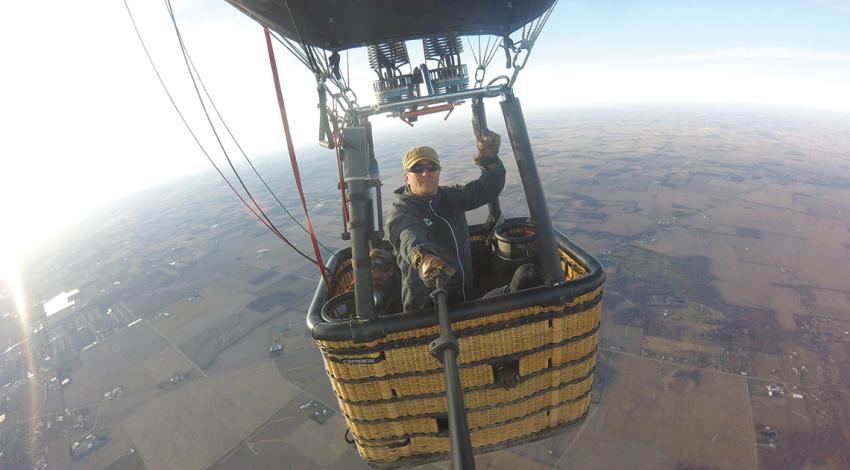
During balloon season (mid-April to November), hot air balloonists take to the skies. Soaring across the patterns and shapes of the landscape, riders get a bird’s-eye view of Ohio.
Suttle upped her balloon game when she bought a balloon, became a commercial pilot, and competed in the U.S. Nationals. Out of 100 pilots, she placed 17th in the nation. Suttle, president of the Northeast Ohio Balloon Pilots Association, lives in Tuscarawas County with her husband, Paul, also a pilot. Through their company, Dreams Come True, they take people on an experience of a lifetime. “They get so excited. Our whole idea is to put smiles on people’s faces.”
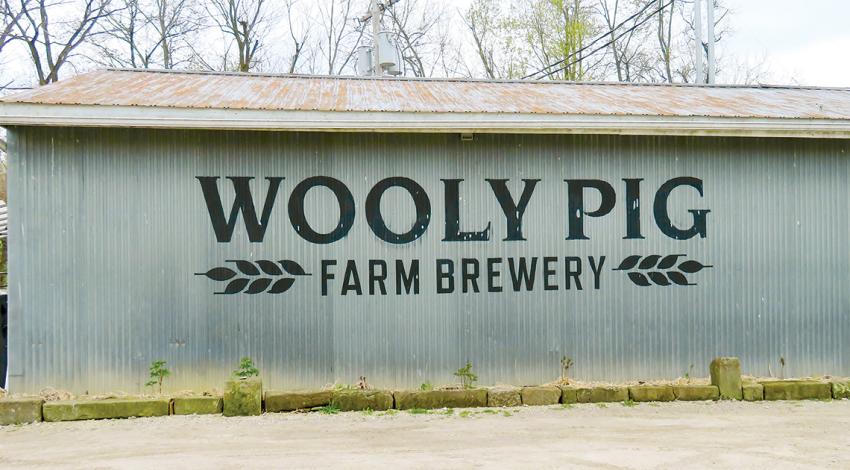
On Fridays, Wooly Pig Farm Brewery officially opens at 3 p.m., but by 2:30, friends and neighbors are already sitting down at the natural-edge wooden tables that brewmaster Kevin Ely and his family made from a prodigious el
When the farm was for sale in 2014, Jael was finishing her Ph.D. in biology at the University of Utah, and Kevin was the brewmaster and production manager at Salt Lake City’s Uinta Brewing Company. Kevin, who has a brewing science degree from the University of California–Davis, often traveled to Bavaria to obtain equipment for Uinta. While there, he also explored historic farm and village breweries in northern Bavaria’s Franconia region. Photos of Franconia that Kevin sent to Jael reminded her of Coshocton County, but the wooly pigs in the photos really caught her eye.