For years, Janet Bowers would make truffles as gifts for friends and colleagues, but, she says, “Never in my wildest dreams did I think I could do it professionally.” After all, she already had a full-time job as a practicing psychologist.
Bowers, a member of South Central Power Company, grew up in Chillicothe and went on to work for the National Park Service and as a schoolteacher before deciding to earn her doctorate in clinical and forensic psychology.
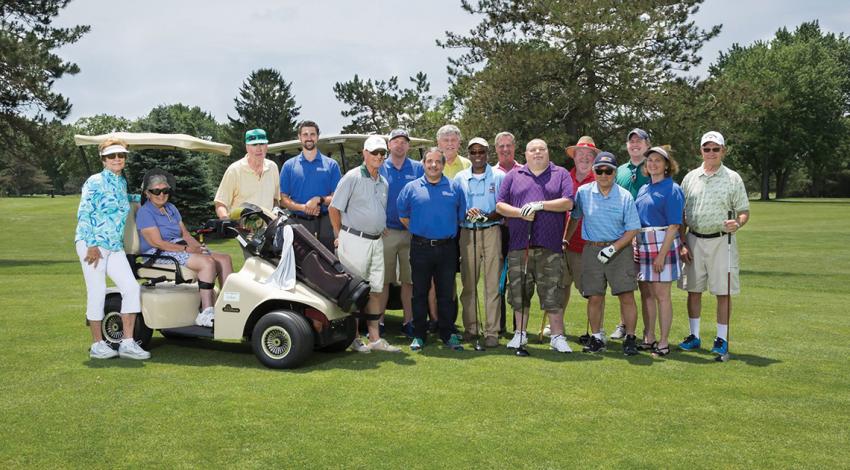
Volunteering is not only good for the community — it’s good for you, too. In fact, studies show the act of volunteering boosts physical and mental health and may even help you live longer.
Get golfers back onto the links
Golfers living with the effects of a stroke, Parkinson’s disease, or other neurological conditions can get back into the game, thanks to OhioHealth Fore Hope. The golf therapy program provides physical, cognitive, and social benefits, but it requires a helping hand, since balance is often an issue. Volunteers tee up golf balls, position putters, and perform other simple tasks that make a big difference.

A full-figured pig named Baby lounges, unruffled, in a puddle of mud at Sunrise Sanctuary in Marysville. A lone duck waddles past, oblivious to the prodigious porker to its left.
“Our babies are all unique and special souls that are loving, thoughtful, and funny individuals,” says Sandy Horvath, the animals’ primary caretaker. “They’re not just numbers. They are special beings deserving of our love and respect.”
All around Ohio, animal sanctuaries provide respite and relief for misfit animals, whether they’ve been abused or neglected or simply moved on to greener pastures after their working days ended.
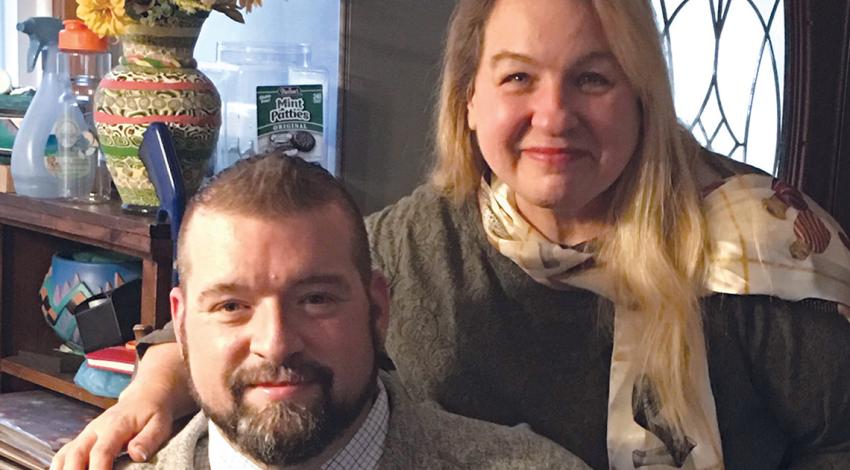
A week after Paula Schleis retired from the Akron Beacon Journal, she received a text message from her nephew:
"I know what you’re going to do in retirement — do a podcast with me."
Schleis texted back: "What’s a podcast?"
After several brainstorming sessions, Schleis and her nephew, Stephen Yoder, created Ohio Mysteries, a podcast that explores unsolved crimes, local legends, and interesting stories with an Ohio connection. They use Facebook and Instagram to interact with a growing community of armchair detectives — some of whom occasionally provide additional details or a family connection to that week’s episode.
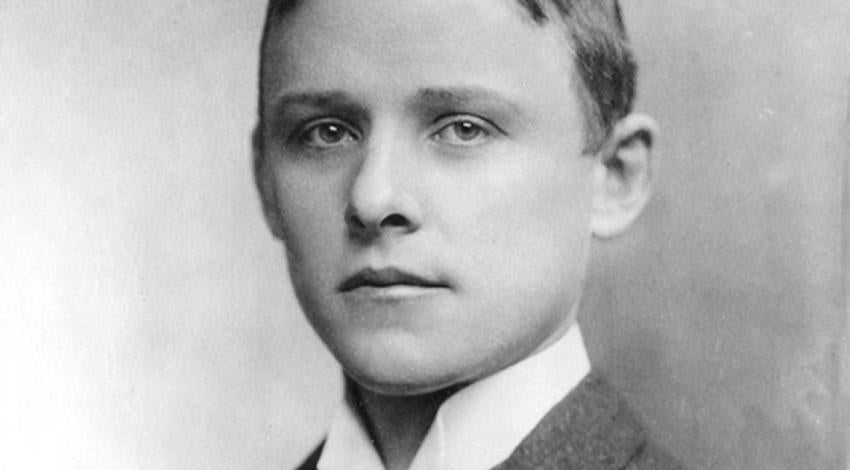
Thompson, Ohio, native Charles Hall discovered by experimentation the process that reduces aluminum from its ore to the malleable metal that swaddles your candy or can be put to use in any of thousands of ways. It all started in Ohio in February 135 years ago.
In fact, a 6-pound, 9-inch pyramid of aluminum was set atop the Washington Monument in 1884 just for that purpose. The cost of that pyramid is unknown, but had it been constructed two years later, its cost would have been far less: Reducing aluminum’s ore to a metal was labor-intensive and expensive before a 23-year-old Hall — working in a shed in his parents’ Oberlin backyard — happened upon what is now called the Hall method for reducing globs of ore to metal by applying electric current.

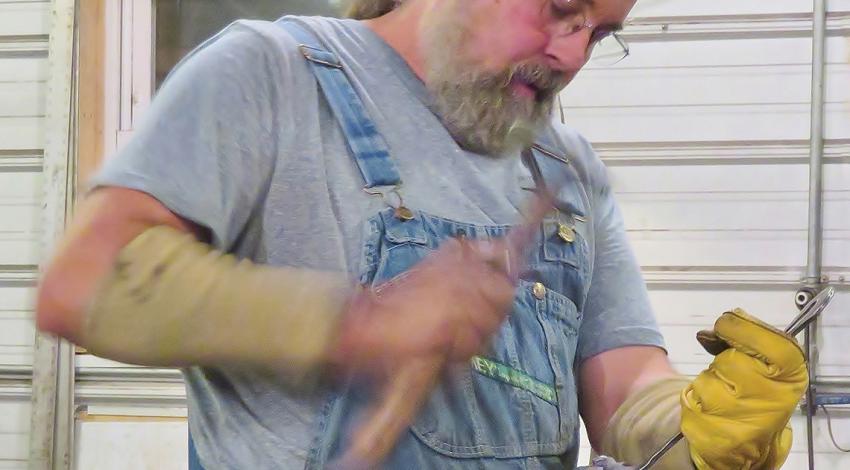
A woman who had purchased a skillet from Lockhart Ironworks recently asked Doug Lockhart if he could add a helper handle to her cookware. The veteran blacksmith, a South Central Power Company member, gladly obliged.
Lockhart’s shop sits amid 83 acres of woods and fields on his farmstead, 10 miles northeast of Logan. He and his wife, Berta, live in an 1824 log farmhouse; keep ducks and goats for eggs, meat, and milk; raise some hay; and harvest their trees for lumber that they cut in the farm’s sawmill.
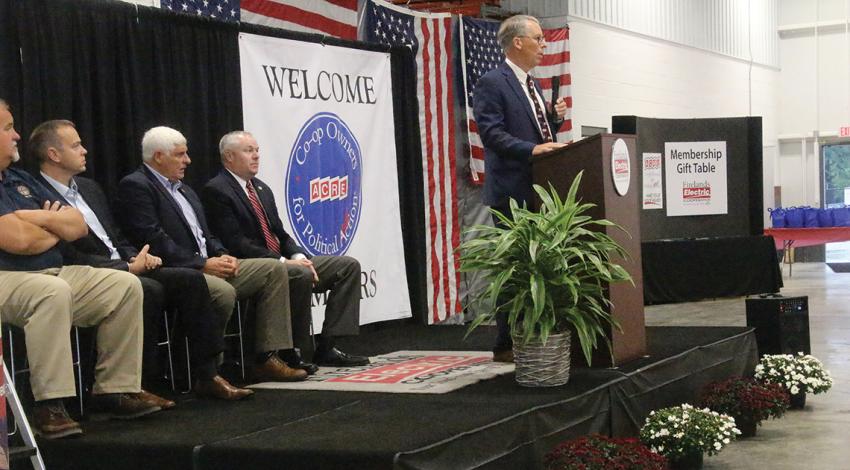
Allen Heindel of Celina says he’s not particularly active politically, beyond voting for issues and candidates that represent his views.
“I feel that Midwest does a nice job keeping us informed about what’s happening legislatively and how those things might affect the cost of electricity,” says Heindel, an engineer with Crown Equipment Corporation in New Bremen. “It just makes sense for electric cooperative members to have a voice in the legislative arena, because these are things that affect us every day.”
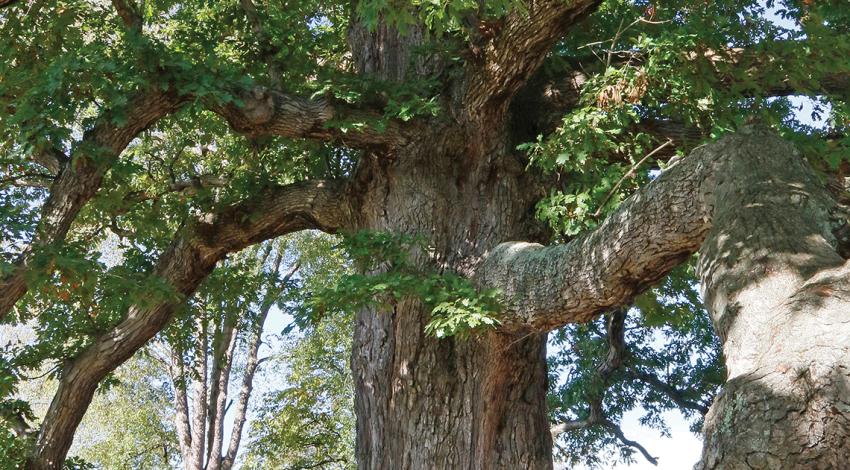
Logan’s Lament is well known in Ohio history. Chief Logan of the Mingo tribe of Native Americans uttered the short speech in October 1774 from beneath a huge, spreading elm tree in his camp, located a few miles south of what is today Circleville, Ohio.
In April 1774, Logan was away hunting when members of his family and some friends ran afoul of a settler named Daniel Greathouse and his band of border thugs, all of whom hated Indians. The Greathouse party first feigned friendship, then once they had gained the Indians’ confidence, murdered them in cold blood. Among those killed were Logan’s wife, brother, sister, brother-in-law, and nephew, as well as a fetus — a future nephew — that was slashed from his sister’s pregnant womb.