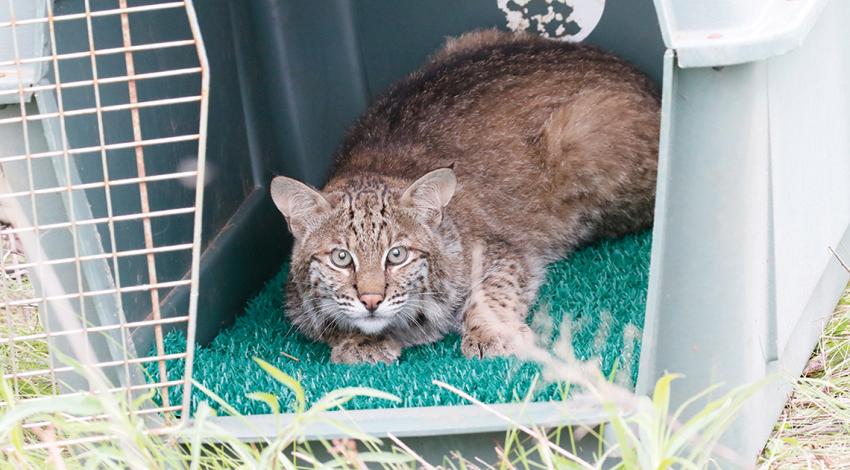
Bobcats were supposedly extirpated from Ohio by 1850, but that may not actually have been the case — especially in the extreme eastern part of the state, particularly Belmont County.
Bobcats were taken off the state-endangered list in 2014. At the time of delisting, the population in Ohio was about 1,000 individuals, and since that time, the bobcat population has continued to increase in both size and distribution.
Firelands Electric Cooperative serves over 9,100 homes and businesses on more than 900 miles of power lines in rural areas of Ashland, Huron, Lorain, and Richland counties.
History behind the co-op name
In 1792, the Connecticut legislature set aside 500,000 acres in northern Ohio for Connecticut residents whose homes were burned by British forces during the Revolutionary War. Known as the Fire Lands, or Sufferers’ Lands, the tract was located at the western end of the Connecticut Western Reserve in what is now the state of Ohio. The land was intended as financial restitution for residents of the Connecticut towns of Danbury, Fairfield, Greenwich, Groton, New Haven, New London, Norwalk, and Ridgefield.
Why is Ohio called the “Mother of Presidents”? Consider this: Since 1776, there have been upward of 500 million Americans; some 12,000 served in Congress, but only 44 have been sworn in as President of the United States.
Since 2020 is a presidential election year and the 100th anniversary of the last time an Ohioan — Warren G. Harding in 1920 — won the White House, it’s an especially good time to take stock of the state’s eminent eight. We hereby present a compendium of Ohio presidents that includes destinations where you can learn more about their rare and remarkable lives.
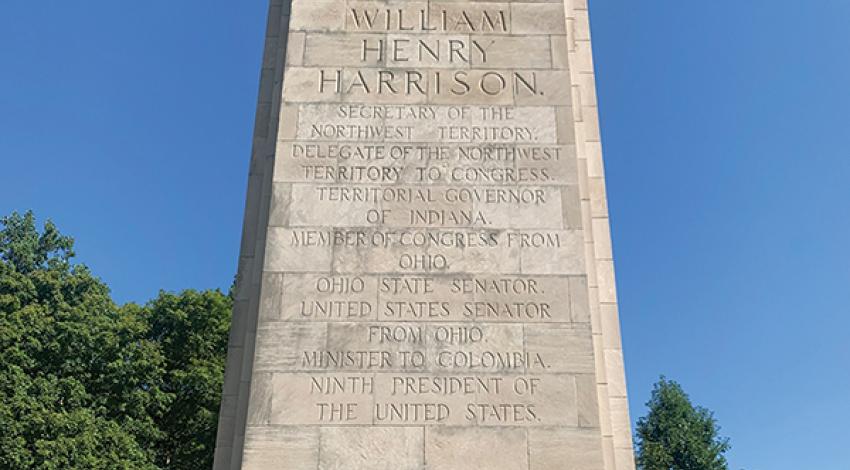
William Henry Harrison
9th President (1841)
Born: 1773, Virginia
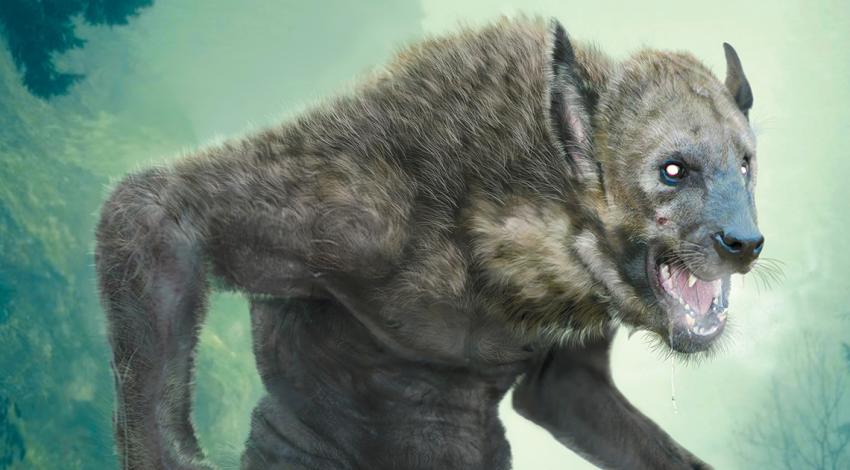
CRYPTIDS [crip – tidz]: Animals or other creatures whose existence is only assumed or believed in based upon anecdotal or other non-compelling evidence.
Since President Rutherford B. Hayes owned a Lake Erie island where his family vacationed, he quite possibly heard tales about South Bass Bessie. Maybe he even saw the creature (though he never reported it if he did). The Ohio native and his wife, Lucy, left the White House in 1881 and retired to a country estate that is now the Rutherford B. Hayes Presidential Library and Museums in Fremont.
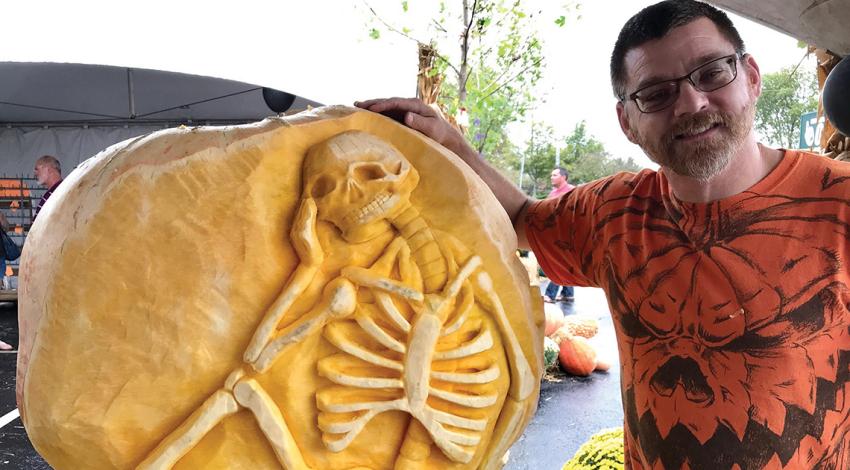
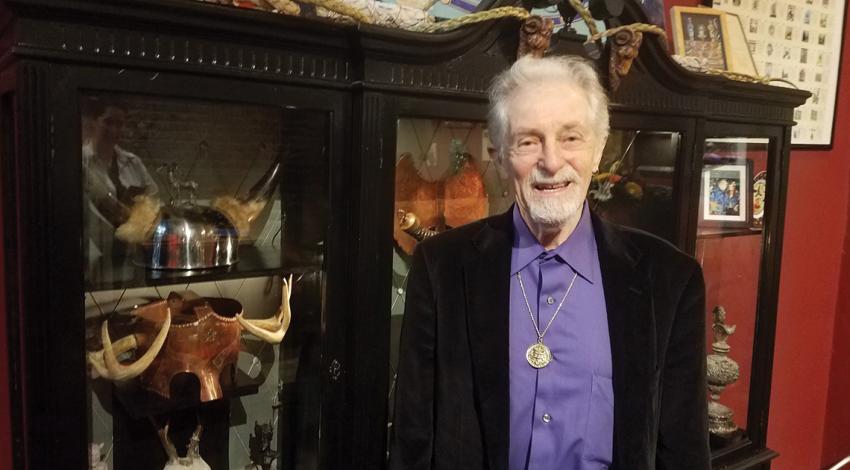
Witchcraft imagery has long been a part of popular culture — cackling hags in black hats riding broomsticks are everywhere this time of year.
The museum opened on West 14th Street in Cleveland’s Tremont district in 2017 and relocated to the current location in 2019. The 1,800-square-foot facility is jam-packed with artifacts from floor to ceiling with some 300 pieces on display at any given time. Every inch of wall space is covered, and the museum draws tourists from around the state and across the country.
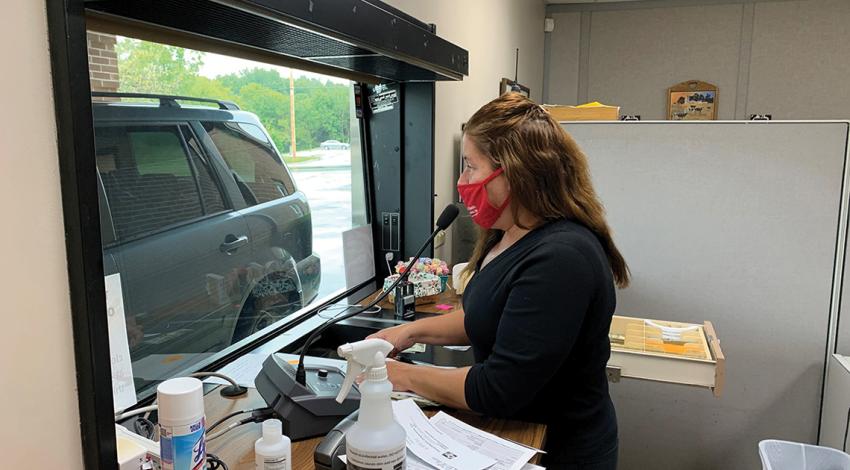
AJ Atkinson arrives to work at Carroll Electric Cooperative in Carrollton the same as he has every day since he was hired as the co-op’s manager of marketing and member services — but it’s different lately.
At Carroll Electric, that meant a new office schedule that included a rotation of staff members working remotely so that those in the office would be able to maintain plenty of distance. While the full staff has now returned to a normal five-day on-site week, all are expected to wear masks when on the grounds, and office hours have been reduced to try to further limit close contact through the day.
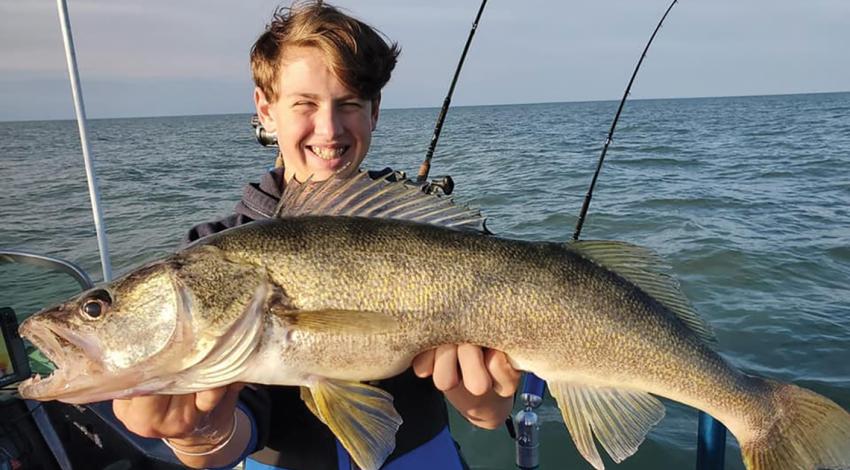
If you’re an angler, how would you like to catch one walleye worth over $100,000? James Atkinson Jr. of Streetsboro did exactly that last fall, his whopper walleye weighing 12.395 pounds and measuring 31.5 inches.
The Fall Brawl is coordinated by Frank Murphy of North Royalton, who volunteers his time — lots of it. A fisherman all his life, Murphy says, “I just want to give something back to the fishing community for what fishing has done for me through the years. That’s why there is 100% payback of all the entry fees to the top five derby winners.”
Nearly 8,000 anglers participated last year, and Murphy anticipates as many as 10,000 will this year, each plunking down $30 for the privilege. Do the math, and that’s $300,000 in prize money that gets split five ways.
Located in Coshocton, in the Appalachian foothills, The Frontier Power Company employs 39 people and has a service territory reaching into seven counties.
Businesses and attractions
The small businesses in Frontier Power’s service territory are as diverse and varied as the people themselves: Tool fabricating shops, glassmakers, teardrop camper manufacturers, hickory rocker makers, a coyote trap manufacturer, a reclaimed wood sign maker, a quilt finisher, a wildlife management business, and a fish hatchery all call Frontier Power’s territory their home.