
Ghosts in McConnelsville. Windmills in Bellefontaine. A Venetian courtyard in Tiffin. Fleur-de-lis flourishes in Marietta.
The theaters’ ornate interiors mimicked Italian piazzas and art deco architecture, Grecian ruins, and Spanish courtyards. They often created the sense of being outdoors, with painted clouds and twinkling electric “stars.”
Many of the extravagant theaters eventually fell into disrepair as downtown venues were abandoned in favor of shopping mall-based cinemas, while others met their demise in the form of a wrecking ball.
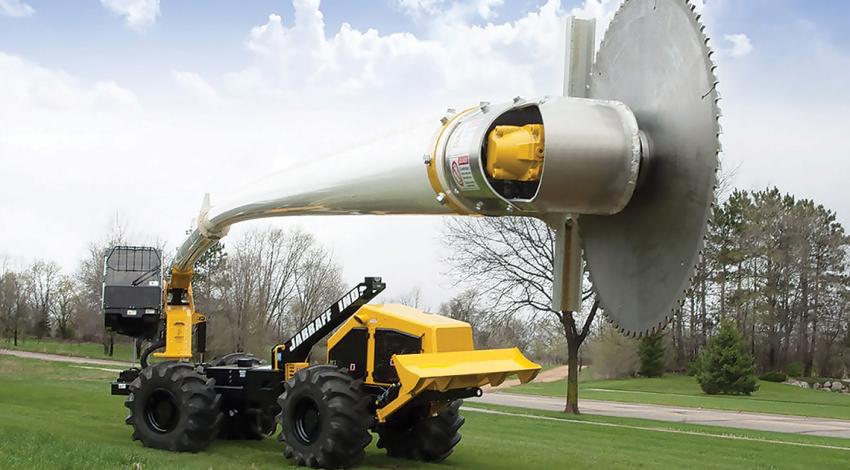
It’s a common sight, especially during the spring and summer growing season — crews cutting away tree limbs and foliage that have gotten too close to nearby power lines.
Generally, anything within a set distance on either side of the lines, as well as above and below the lines, must come down to prevent contact — especially when storms roll through. Without ROW maintenance, obtrusive branches and limbs often can be blown into the lines, creating dangerous and costly power outages.

Cooperative youth are the leaders of tomorrow, and Ohio’s electric cooperatives are proud to help outstanding students further their education.
1st place, $3,800
Parker Hamilton, representing South Central Power Company
Parker has embraced numerous opportunities to be a leader and a servant in his community, volunteering with his church’s mission team, his local United Way, and Autism Speaks, among other organizations.
2nd place, $2,800
Kirsten Etzinger, representing North Central Electric Cooperative
Kirsten has been a longtime active member and competitor within 4-H and her school’s DECA chapter and plans to pursue an education in marketing and management.
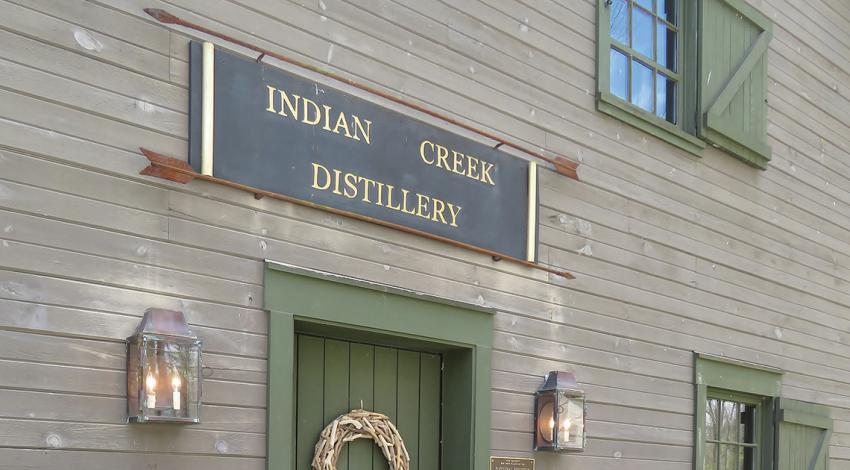
On a splendid day in May when bright sunshine bathes Ohio and seems to portend progress against the coronavirus, Missy Duer arranges bottles of whiskey in the antique-laden tasting room at Indian Creek Distillery.
“This farm has always been the hub of my family’s life,” says Missy. “I grew up two minutes away and loved coming here as a girl. Now my grandchildren represent the farm’s eighth generation of Staleys, and they love it, too.”
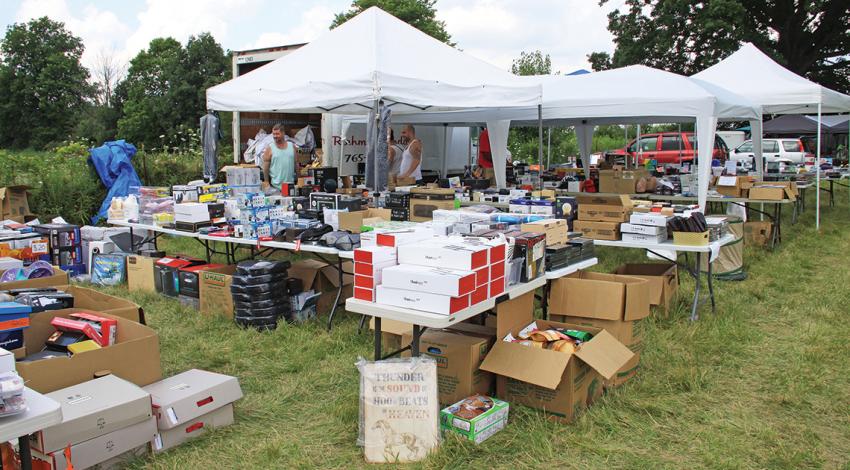
One person’s trash is another person’s treasure, and there will be plenty of both at the 127 Yard Sale, scheduled this summer for Aug. 6 through 9.
The “world’s longest yard sale” is held annually during the first weekend of August, with some 2,200 vendors and hundreds of thousands of people attending. My wife and I dropped by for an afternoon last summer near Eaton, Ohio, and found making stop after stop not only fun but addictive.
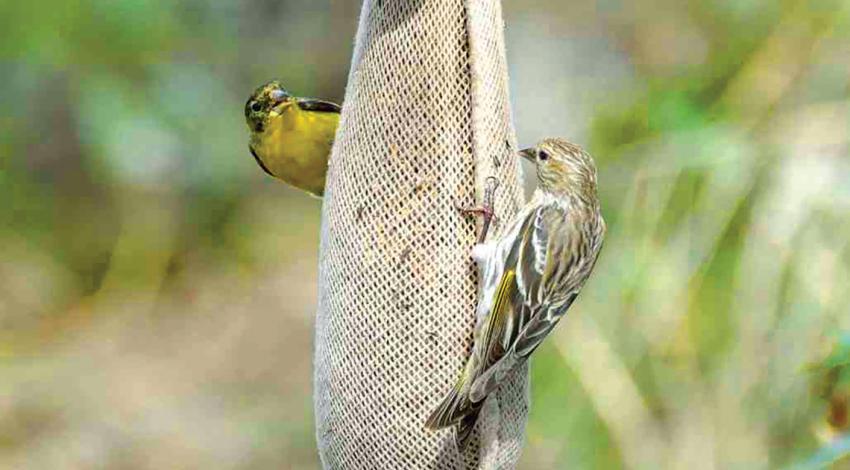
One of the favorite pleasures of summertime for many backyard and garden enthusiasts is watching the songbirds that arrive for the season.
Feed birds quality food
When looking for birdseed, avoid any containing debris such as empty shells, sticks, or stones. Seed should be as dust-free as possible.
Pass on any birdseed mixes that contain milo, wheat, sorghum, or red millet. White proso millet is the exception — birds that feed on the ground enjoy it — but don’t choose a blend with white millet as the main ingredient.

No one wrings more fun out of life than a river otter. Unless, of course, it’s a family of river otters.
Over a period of seven years, 123 otters were live-trapped in Louisiana and Arkansas, then released in the Grand River, Killbuck Creek, Little Muskingum River, and Stillwater Creek watersheds. From those four modest stockings, the population expanded rapidly, and today, river otters have been confirmed in 75 watersheds in 83 of Ohio’s 88 counties.