Most of us are returning to nearly normal following months of lockdown. I’m thankful that Ohio has seen less severe health impacts than many parts of the country, but we’ve all seen tragic loss of life, a painful economic shutdown, and strained relations in urban communities across the country. This has been a difficult year for many.
I’m pleased to acknowledge with gratitude the many essential workers, who, through all of the chaos of the past few months, have continued to work every day to assure that we have the essentials of modern life.
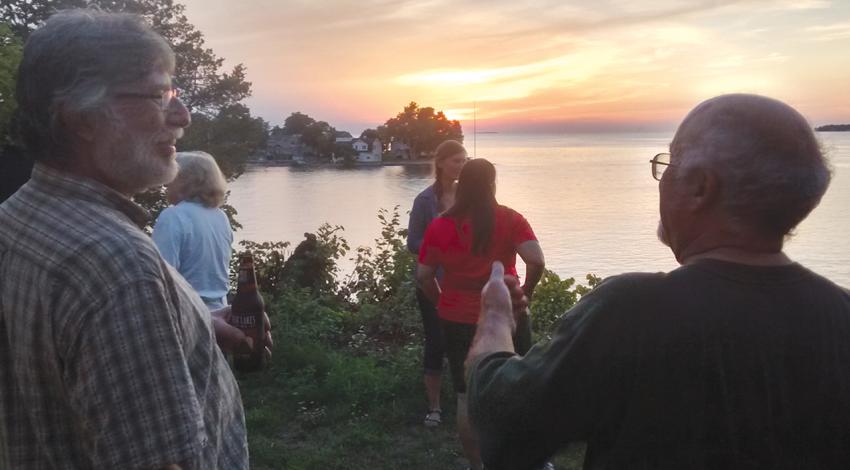
Gibraltar Island is just 6.5 acres, yet sports a castle, a fleet of boats, and a small-but-mighty lab. Though tiny, it has a huge footprint in Lake Erie conservation — and in the hearts of thousands of yearly visitors.
“I first attended as a high school student with my ichthyology class on a field trip in the 1970s,” says John Hageman. “After college, a job opened up, and they were willing to hire me up at the lake.” Hageman eventually spent 25 years there as lab manager.
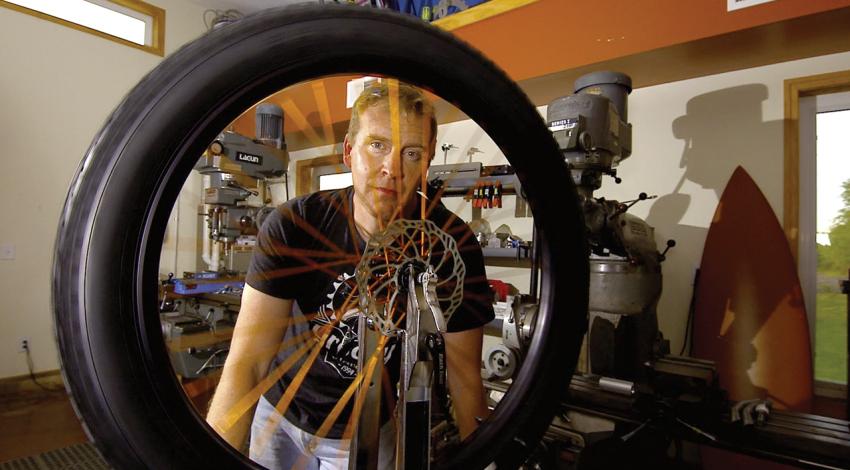
To the casual cyclist who buys a ride off the rack, so to speak, the choices available in the creation of a custom bicycle might seem overwhelming. Clipless or flat pedals? A performance saddle, or something easier on the backside? How many gears? Flat or curved handlebars? But first, the geometry of the frame, from the angle of the head tube to the shape of the fork. What about construction materials? Do you want titanium? Stainless steel? Wood? Yes, wood. We’ll come back to wood later.
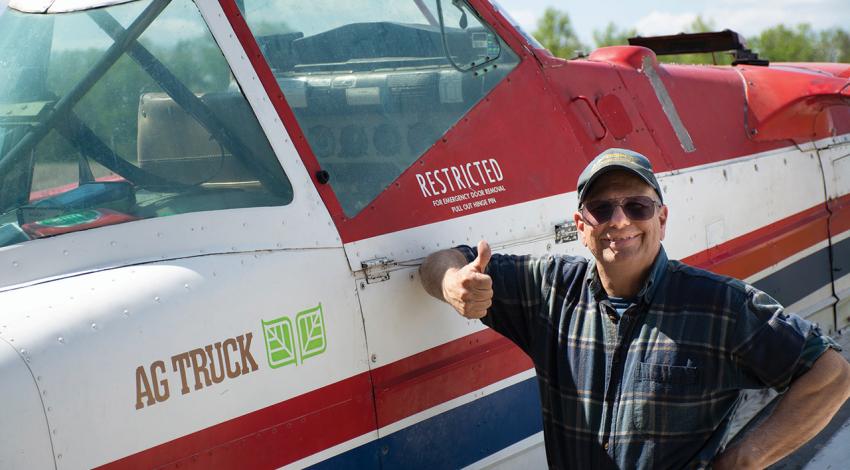
Roger Trump, owner of Trump Aviation Inc. in rural Darke County, expects to be busy this year doing his part to support agriculture from high above farm fields.
“Some people mistakenly think flying across the sky and then swooping down over fields to deliver the payload is romantic or glamorous,” he says. “It’s grueling work, and the most important part is bringing the plane home in one piece. There is never an end to routine maintenance.”
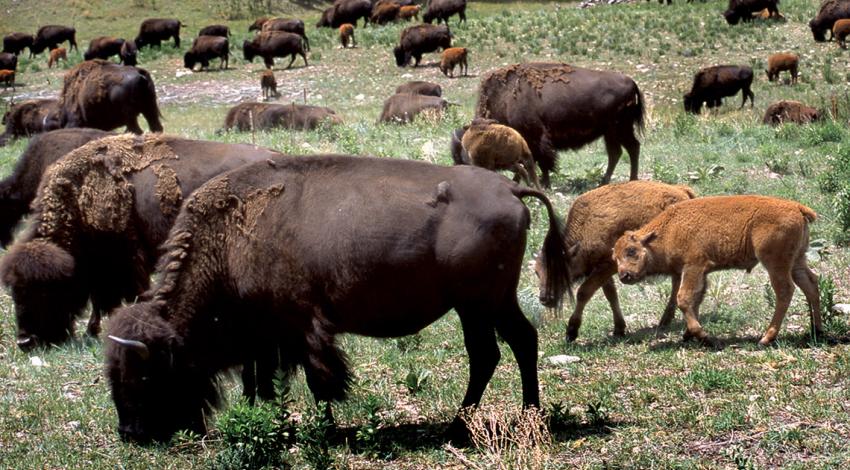
The year 1803 was pivotal in Ohio history. It was a year when what had always been — the frontier — was rapidly passing away, and what would be was now arriving.
Other large wild animals living in the state, what present-day wildlife biologists refer to as “charismatic megafauna,” were soon to follow the bison into extirpation. Elk were gone by 1838, wolves by 1848. Some reports claim that mountain lions may have survived until as late as 1850.

The COVID-19 pandemic has dominated the global conversation over the past several months. Moreover, it’s dictated our personal and professional lives. In an effort to keep us as safe as possible from an invisible invader and a relentless enemy, government directives have been ever-evolving. The crisis has taken an unthinkable emotional and financial toll. Worst of all, it’s stolen lives and livelihoods. We’ll be unraveling the repercussions for years.
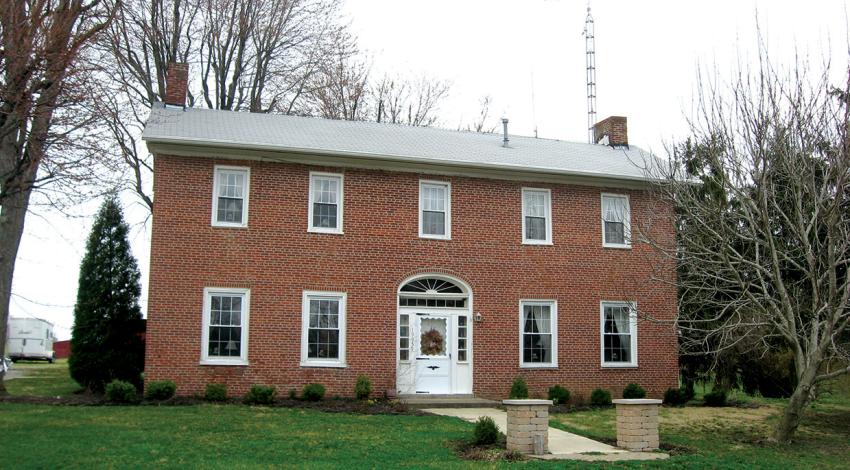
Mid-Ohio Energy Cooperative is located in the west-central part of Ohio, between Columbus and Toledo. The territory features historical landmarks, fun attractions, and a service-oriented community.
Attractions
The Ohio Historical Markers program has placed 1,800 markers throughout the state, identifying unique stories about people, places, and events in Ohio history. The 10 counties that Mid-Ohio Energy serves are home to 127 markers, and six of those fall within Mid-Ohio’s territory: Scioto Marsh, Fort McArthur Cemetery, Old Sandusky Trail and Shawnee Ford, Wheeler Tavern, the Sandusky Plains, and Killdeer Plains Wildlife Area. Scioto Marsh was formed by retreating glaciers over 10,000 years ago.
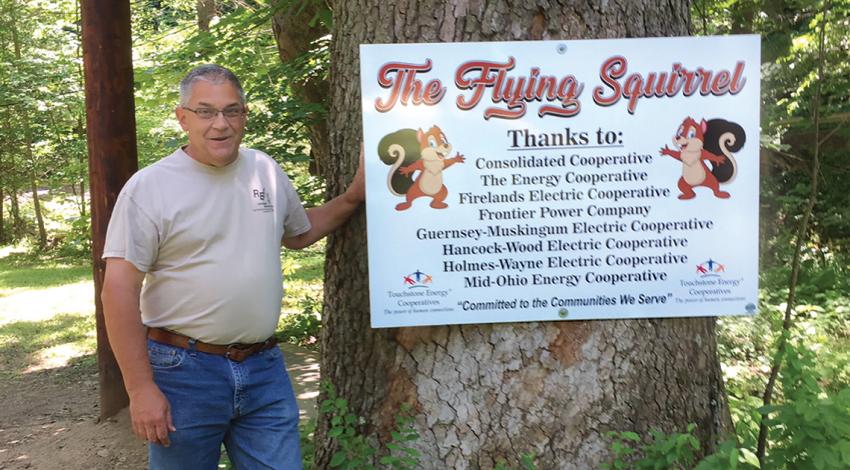
Summer camp means a week of adventure, and Camp Ohio does not disappoint. Every year, hundreds of 4-H’ers travel to Licking County to test their courage on a high ropes course, make wood-burning crafts and tie-dye T-shirts, and form lifelong friendships.
It seemed like a perfect activity for Camp Ohio, but the $10,000 price tag was far too steep for the nonprofit’s budget. Since the utility poles were the most expensive component, McConnell wondered if an electric cooperative would consider donating them to make the Flying Squirrel a reality for 4-H’ers.
McConnell ran the idea by Ray Crock, energy advisor at New Concord-based Guernsey-Muskingum Electric Cooperative, who was happy to help. An active 4-H’er growing up, Crock and his wife, Lisa, are longtime advisors for their children’s 4-H club, Flocks of Fun.
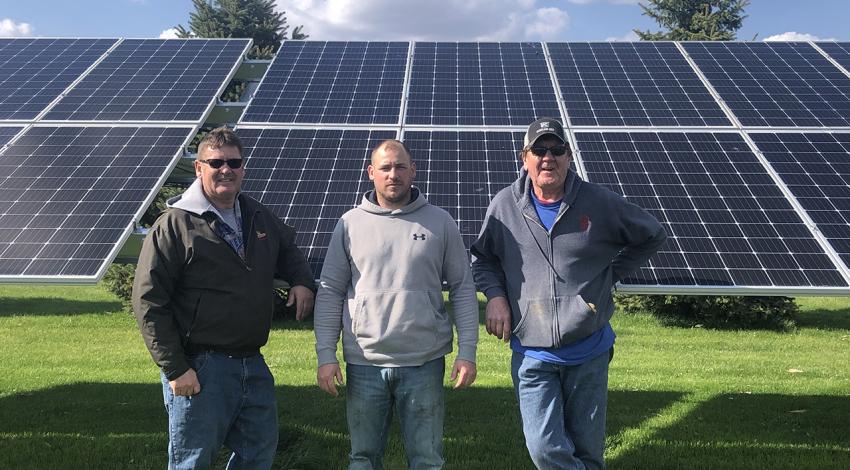
Nick and Amanda Kelly knew they were making a long-term investment, one they hoped would benefit not only their wallets, but the entire planet.
“It’s like most things that sound too good to be true,” says Andrew Finton, energy advisor for North Central Electric Cooperative, of which the Kellys are members. “The solar company either didn’t have or didn’t give them any information that is specific to connecting to the (co-op) system, and it would have made a big difference — things like our on- and off-peak rates and our demand charge that are designed to make our billing fair to all of our members. The numbers they were using to estimate the savings on their bill weren’t even close to real life.”