Around Sunbury, when Lanie Montgomery shows up at a potluck, folks inevitably find something a bit familiar about the dish she brings.
“We rarely had them at home, but we always had it in the school cafeteria,” she says. “When my grandma retired, I asked her for the recipe, and from then on, I carried it out more into the public. Every potluck I take it to — it’s gone. And everybody wants the recipe.”
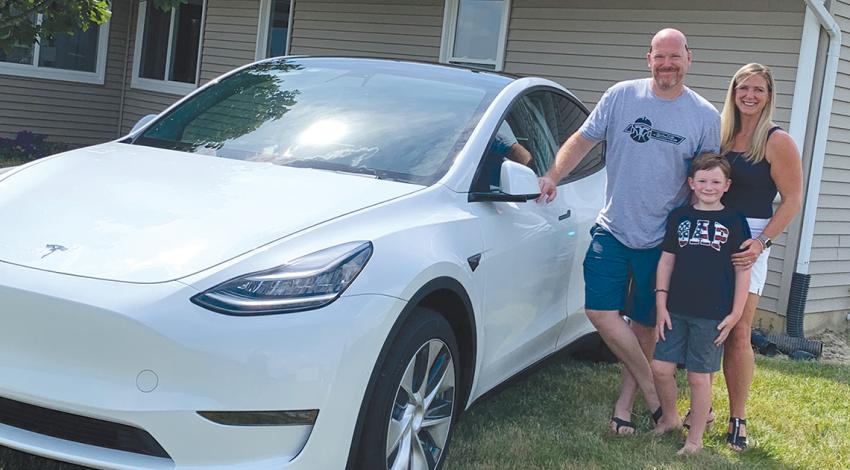
Joey and Kristin Huber have been considering — consciously and subconsciously — the benefits of electricity for some time.
The Hubers are part of a growing number of people taking advantage of the benefits of using more electricity as part of a strategic plan to save money and reduce environmental impact. That, in turn, improves their quality of life and helps the stability of the entire electric grid.
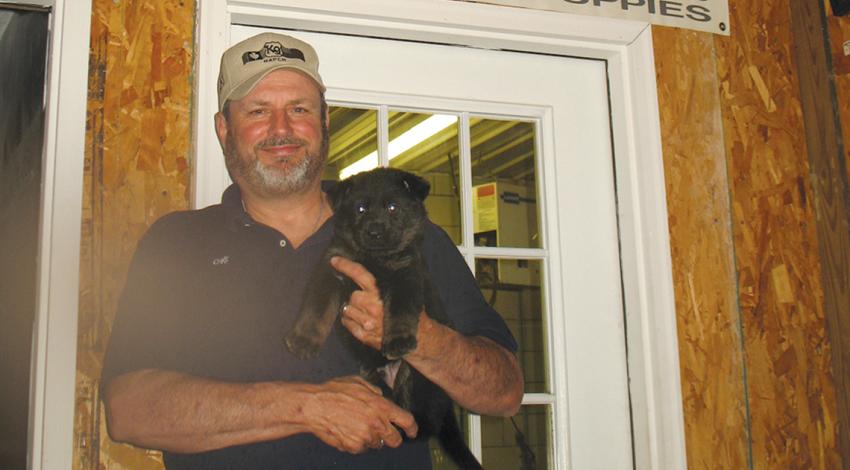
Al Gill believes well-trained German shepherds can mean the difference between life and death in many law enforcement situations.
The property is now home to a world-class training facility as well as housing units for male and female officers who come from across the country to participate in academy classes. There is also a kennel that can accommodate 60 adult dogs as part of the business’ breeding operation.
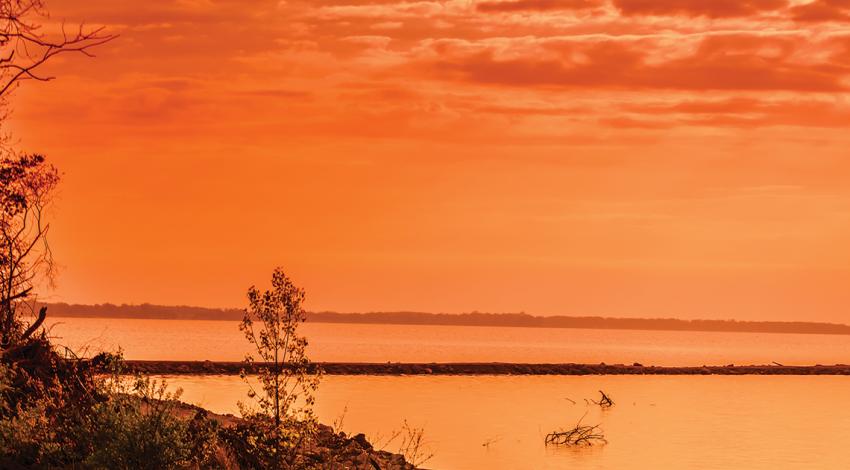
Midwest Electric, Inc., is situated in west-central Ohio, based in St. Marys. The cooperative serves 11,000 homes, farms, and businesses in Allen, Auglaize, Mercer, Van Wert, Shelby, Putnam, and Darke counties. One of the area’s most notable landmarks is Grand Lake in Celina and St. Marys, a man-made lake that attracts thousands of visitors every year with fishing tournaments, marinas, and lakefront restaurants. Grand Lake was originally built to supply water to the Miami and Erie Canal.
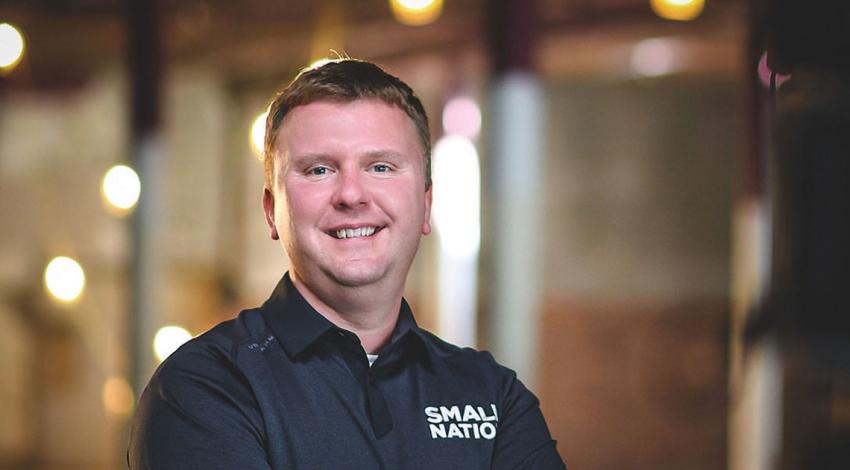
Jason Duff stood in the middle of the crumbling, mostly abandoned downtown area of his hometown, Bellefontaine, and saw what everyone else saw.
Unlike many others, though, he was able to look past the despair and see potential. Instead of heading to the brighter lights of bigger, more prosperous Midwestern cities, Duff decided to make a difference. He enlisted friends who shared his vision and his can-do attitude — along with plenty of talents and skills — and built a team to rebuild and revive their hometown.

Every election is determined by the people who show up.” It’s a platitude that Americans dust off every four years as we prepare to go to the ballot box either to cast a vote for change or to stay the course. Pundits traditionally delight in telling us that this is the most important election in the history of the democratic process. In reality, every election is an essential exercise of democracy that allows our voices to be heard through the ballot we cast.
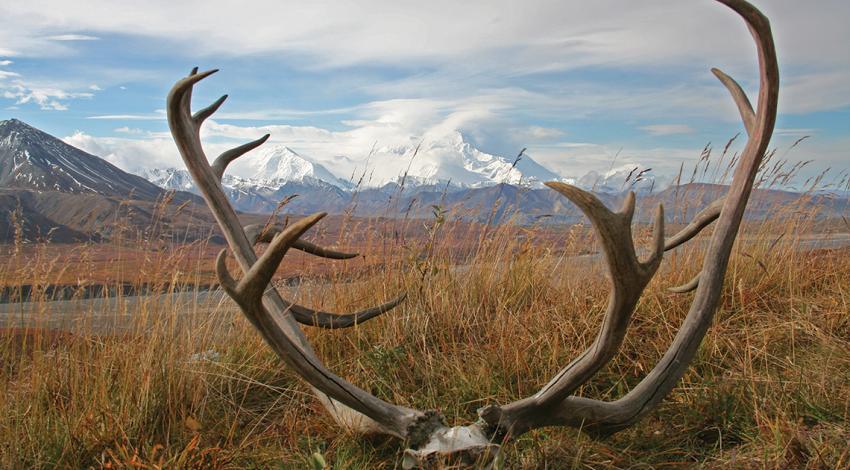
One of America’s leading naturalists of the 19th century was the prolific Louis Agassiz (1807–1873), who, while teaching at Harvard, taught his students the skill of in-depth observation of natural objects. He did it by what his students termed “the incident of the fish.”
The same approach can be used to learn outdoor photography. Not that you have to stare at the same photo subject for hours on end, but developing the ability to “see” the details of photos before you attempt to take them is a crucial skill — yet one that anyone can learn.
One of Ohio’s best outdoor photographers is Art Weber, founding director of the Nature Photography Center for Metroparks Toledo. He says there’s a difference between looking at the natural world as an artist and as a photographer.
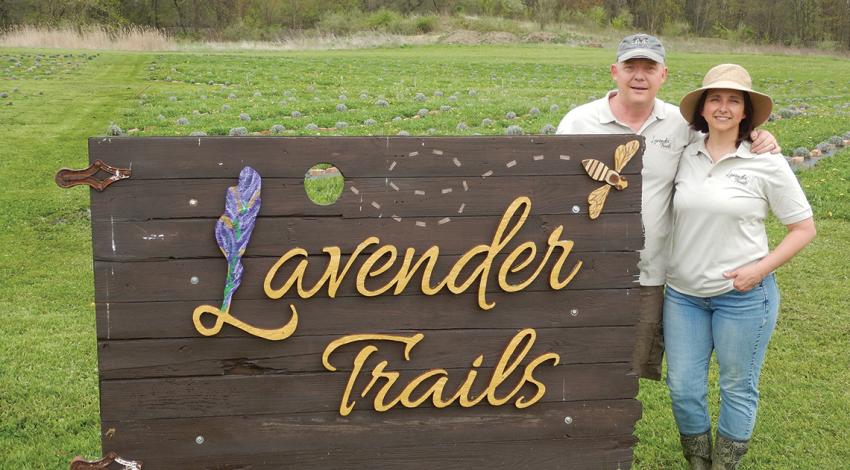
Lavender has been treasured for thousands of years. In ancient Egypt, it was used in mummification; in medieval France, to perfume the air and ward off infection; and in 16th-century England, it was cherished by monarchs and mentioned by Shakespeare.
Lavender Trails
The idea for a lavender farm had been rattling around in the minds of Jim and Amy Duxbury — both Orrville high school teachers, of science and English, respectively — for years. In 2018, they leased a 4-acre “brownfield” (a former industrial site) that had been a concrete dumping ground, surrounded by facilities that produced pet food, packaging, and metal fabrication.
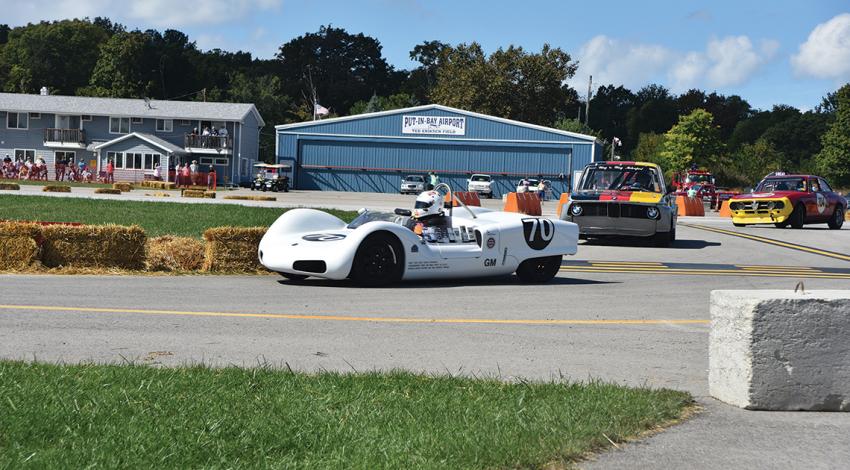
Years ago, Lake Erie’s South Bass Island was abuzz with fast, exotic imports once a year for a decade.
“I certainly hope it goes forward, because we’re planning for it,” says organizer Manley Ford (who drives a 1952 MG TD). “There’s always a lot of excitement, and we’ve already got quite a few registered.”