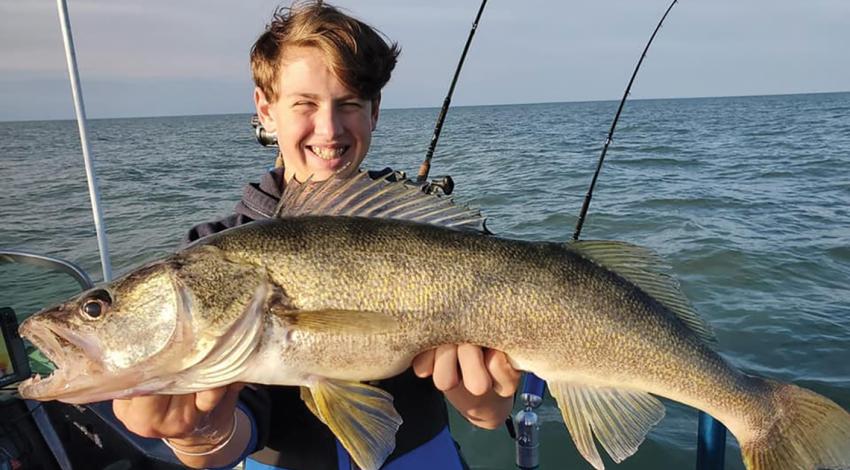
If you’re an angler, how would you like to catch one walleye worth over $100,000? James Atkinson Jr. of Streetsboro did exactly that last fall, his whopper walleye weighing 12.395 pounds and measuring 31.5 inches.
The Fall Brawl is coordinated by Frank Murphy of North Royalton, who volunteers his time — lots of it. A fisherman all his life, Murphy says, “I just want to give something back to the fishing community for what fishing has done for me through the years. That’s why there is 100% payback of all the entry fees to the top five derby winners.”
Nearly 8,000 anglers participated last year, and Murphy anticipates as many as 10,000 will this year, each plunking down $30 for the privilege. Do the math, and that’s $300,000 in prize money that gets split five ways.
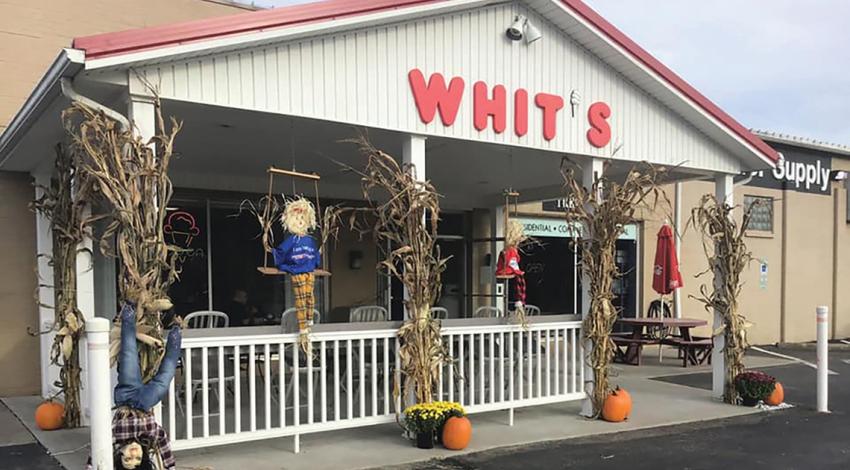
Located in Coshocton, in the Appalachian foothills, The Frontier Power Company employs 39 people and has a service territory reaching into seven counties.
Businesses and attractions
The small businesses in Frontier Power’s service territory are as diverse and varied as the people themselves: Tool fabricating shops, glassmakers, teardrop camper manufacturers, hickory rocker makers, a coyote trap manufacturer, a reclaimed wood sign maker, a quilt finisher, a wildlife management business, and a fish hatchery all call Frontier Power’s territory their home.
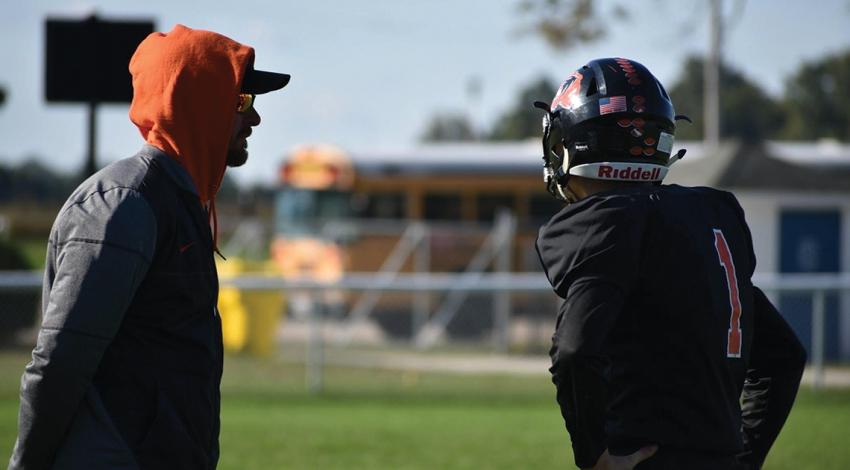
After a long, demanding day at work as part of a line crew, some of our electric co-op team members tackle a different sort of assignment. Swapping their hard hat for a coach’s cap, they’re in for a whole new ballgame.
Andrew Ruffing, apprentice lineman at North Central Electric Cooperative based in Attica, sees many similarities between his day job and coaching football. “You’re part of something bigger than yourself. That resonates in both sports and linework,” he says. “You learn to work as a team, to work toward a common goal.”
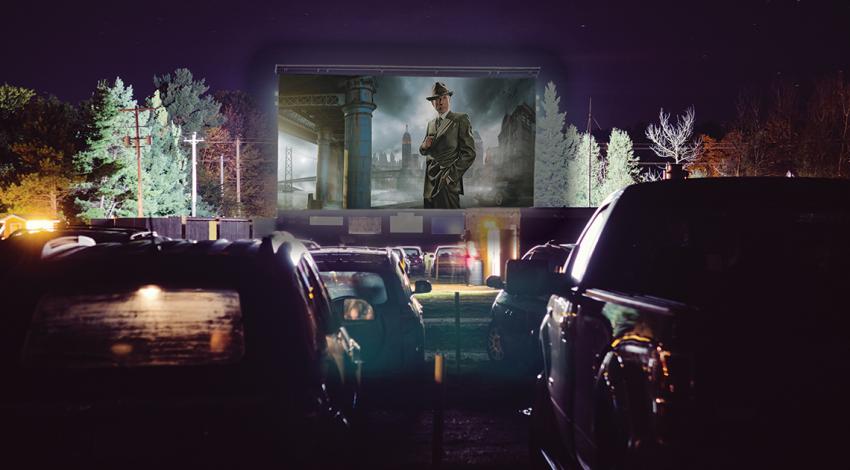
Back in their heyday, drive-in movie theaters meant parents could pile the kids in the back of the station wagon and head out to see a flick on a nice summer night, hooking the scratchy metal speaker on the car window, collecting popcorn and Cokes from the concession stand, and maybe playing a few holes of mini-golf to boot … all without making much of a dent in the pocketbook.
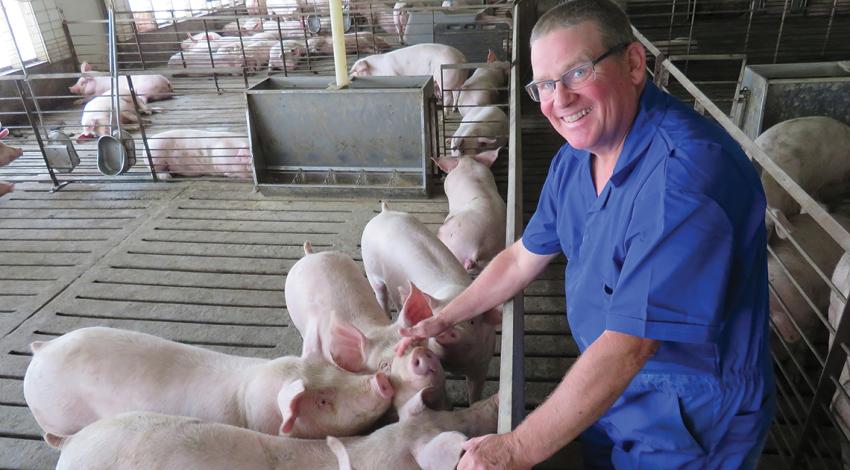
The sign posted outside the biosecure barn where Tom Graham raises some 2,400 pigs at a time says “NO ENTRY.” Nonetheless, Graham has given tours of his wean-to-finish operation at Oaklawn Farm to hundreds of children in grades K–12. How does he do it?
“We used to bring in busloads of kids, but after we got a biosecure barn, there wasn’t much they could see,” says Graham. He built the facility in 2004 in order to raise gilts and barrows on a contractual basis for Johnstown-based Heimerl Farms. The arrangement not only frees Graham from worries about market fluctuations but also furnishes income that has helped his close-knit family remain on their farm. “I always tell people my wife teaches at Zanesville High School so I can keep farming,” he says with a grin.
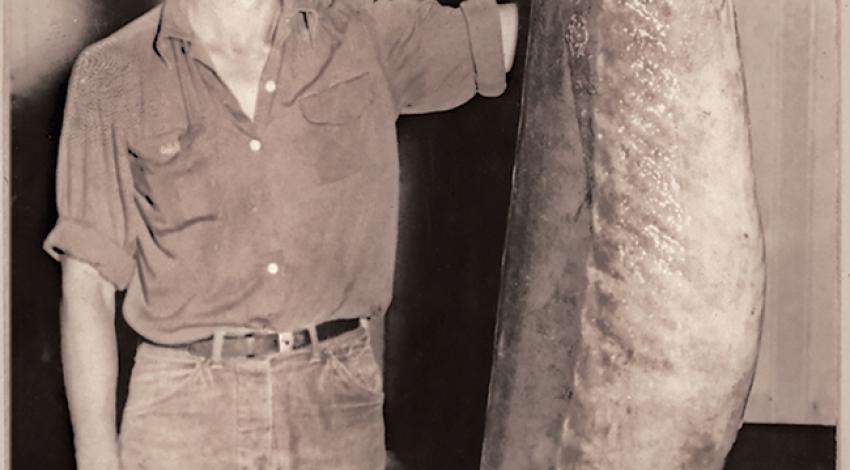
Is there really a Lake Erie monster, as some claim? Well, yes, at least potentially. In fact, thousands of small ones are swimming in the big lake right now. Let me explain.
By mid-century, however, market conditions were rapidly changing, and from 1850 to 1870, products derived from sturgeon transformed this once-worthless fish into a valuable commodity. Caviar, fish oil, and a substance known as isinglass — a gelatin used in adhesives made from the air bladder of various fish, especially sturgeon — became extremely valuable. The fish became so sought after, in fact, that one of the largest sturgeon fisheries in America developed on Lake Erie. In 1885 alone, commercial fishermen on Erie netted more than half a million pounds of lake sturgeon.
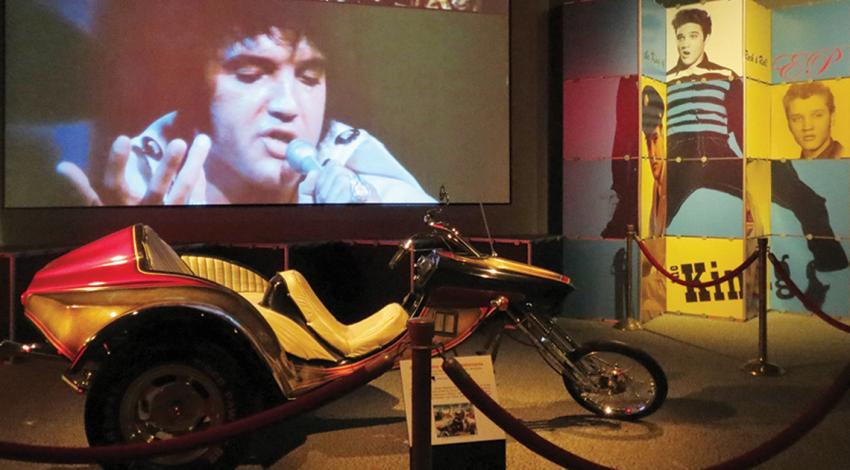
As vice president of education and visitor engagement at the Rock & Roll Hall of Fame in Cleveland, Jason Hanley often observes the museum’s visitors.
The Rock Hall was the first museum dedicated to rock ’n’ roll, and its opening on Sept. 2, 1995, in a glistening I.M. Pei-designed building along Lake Erie, was a landmark event for popular culture. “It was truly significant,” says Hanley, “because rock music was being recognized, preserved, taught, and honored in a way traditionally reserved for high art forms.” Rock ’n’ roll’s royalty — think James Brown, Bob Dylan, and Aretha Franklin — showed up and celebrated with epic performances in Cleveland’s old Municipal Stadium. “We occasionally show that concert in the Rock Hall’s theater.

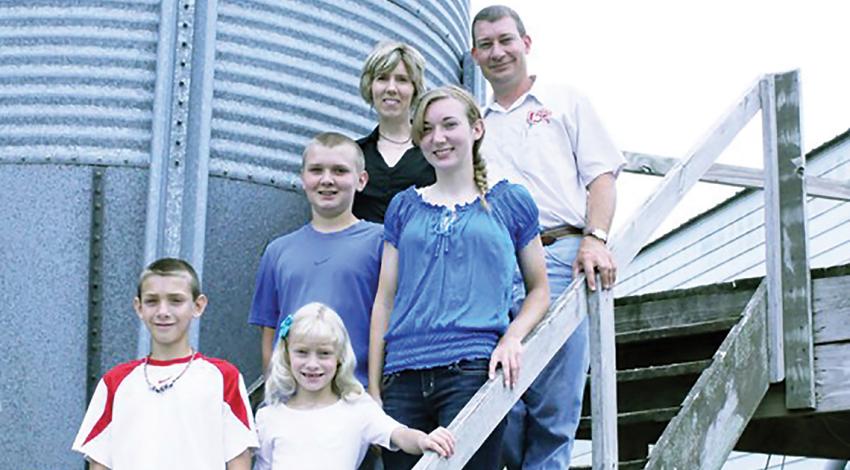
On any given day, 360,000 chicks roam the high-tech henhouse at Meiring Poultry Farm in Fort Recovery.
The four-story henhouse uses an elaborate lighting system that Knapke can control from his smartphone to simulate dawn and dusk. The system controls individual lights within the building, creating total blackness to bright-as-daylight and back again so the chicks become adjusted to the “natural” dawn and rising of the sun to a sunset that draws them into the roosting module where they nest for the night.