If you were to imagine a garden in A.D. 800, you might picture unusual and long-extinct plants, but in fact, gardens of the medieval period (or Middle Ages) were filled with plants that have thrived for centuries and still grow in our gardens today.
Absinthe, or wormwood, is from the Artemesia family and is a lovely accent to a modern garden. Absinthe was called Mary’s tree and was used as a spice herb as well as for medicinal purposes, such as stomach disorders or nausea, and to repel insects from the vegetable garden, but is known mainly for the alcoholic beverage that is made from it. Absinthe can be grown from seeds sown directly in the ground or planted from potted plants in light, well-drained soil in full sun.
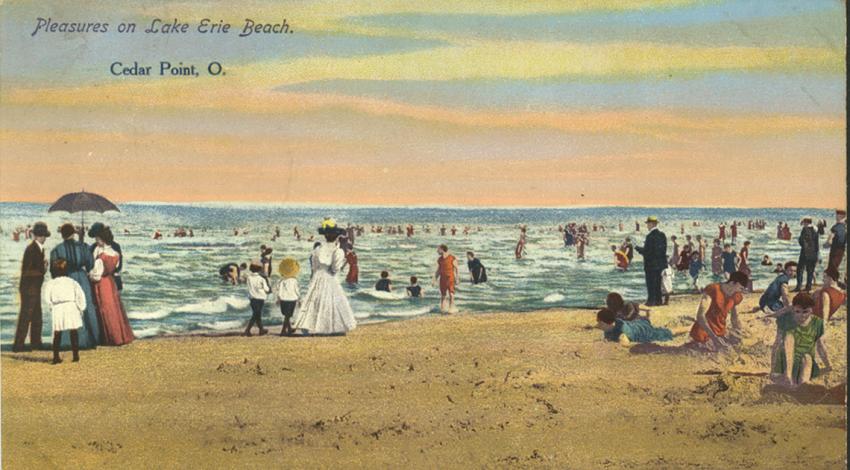
Editor’s note: The onset of the COVID-19 pandemic has delayed the beginning of Cedar Point’s 2020 season. As of mid-April, the park was tentatively scheduled to open for the season in mid-May. Please double-check before traveling.
Now, 150 years later, Cedar Point is Ohio’s largest tourist destination. It hosts some 3 million guests annually and boasts a record-setting 71 rides that meld tradition (a 1912 carousel, a gigantic Ferris wheel) with technology (the 93-mph Millennium Force, the 400-foot-tall Top Thrill Dragster).

Chris Hart dons a frock coat and sports a fancy walking stick as he prepares to portray John George Nicolay for the residents of StoryPoint Grove City, a senior living complex in suburban Columbus.
Today’s performance is “Mr. Lincoln’s White House,” a vignette set in 1900 that Hart scripted, featuring himself as Nicolay, Abraham Lincoln’s personal secretary. Nicolay pays a visit to President McKinley and relates what 1600 Pennsylvania Avenue was like years before, during Lincoln’s tenure. As Hart enters the room where he’ll perform, StoryPoint residents greet him like groupies with smiles, handshakes, and fond words about his monthly presentations.
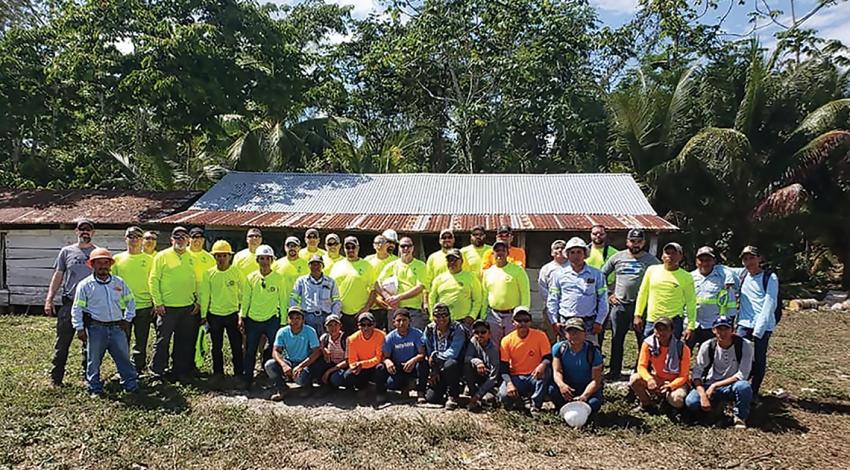
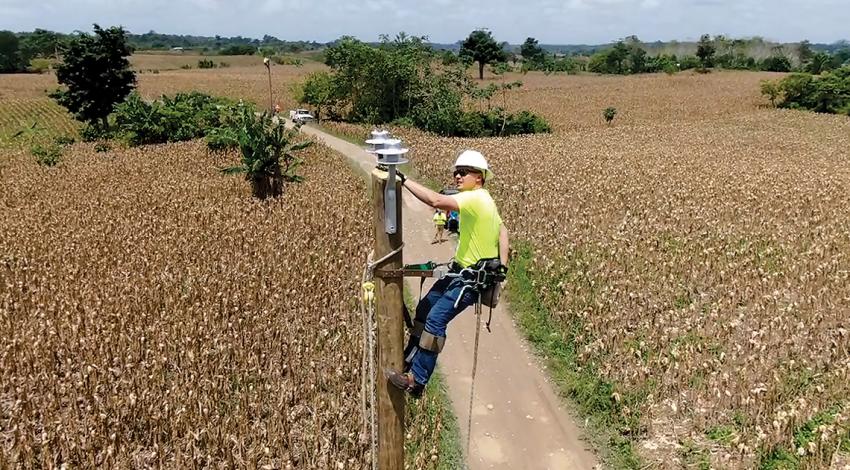
Gathering a group of 16 linemen from across Ohio, leaving the security of home and family, and going to a remote part of Central America could never be considered a routine endeavor.
The day after they arrived in Guatemala, the team decided to make an impromptu stop in the village to check out the landscape of the job — to see the 67 homes and the school and get a look at the conditions they’d encounter.
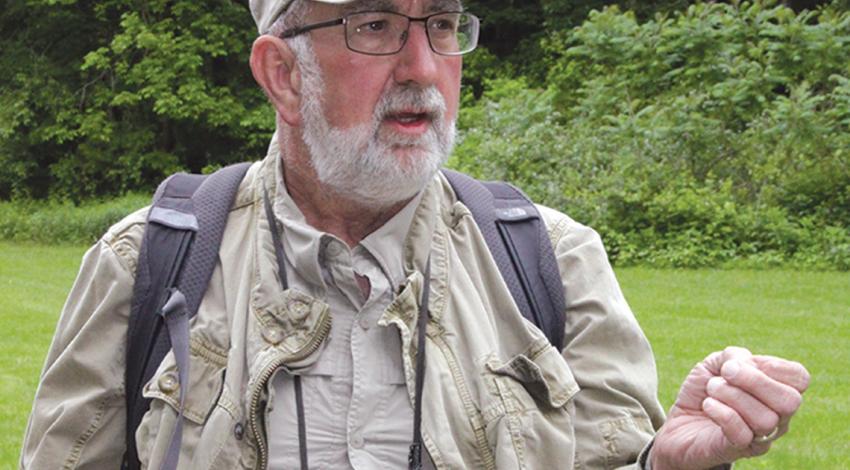
Unlike many people, Doug Wynn likes snakes. He likes them so much that he began studying them decades ago, and has since become Ohio’s leading expert on the state-endangered timber rattlesnake.
Wynn has never been bitten, yet is still extremely cautious around the snakes, always handling them with a metal catch-stick. “A rattlesnake can strike the entire length of its body,” he says. “Meaning that a 3-foot snake — which is about the typical length in Ohio — can strike a distance of at least 3 feet. So, if you ever happen across one in the woods, give it a wide berth.”
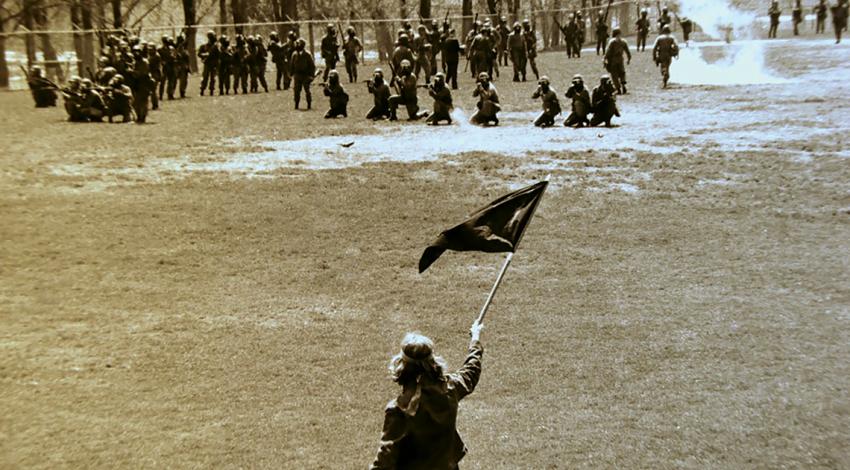
Every May 4, students, faculty, and others on the campus of Kent State University honor the memory of four students killed and nine others injured when the National Guard opened fire during a protest against the Vietnam War on that day in 1970.
This year marks 50 years since the tragedy, and plans had been in place to commemorate the occasion with dozens of speakers, symposia, and artistic tributes, until the onset of the COVID-19 pandemic canceled the events. Still, the events they had planned are an indication of how much has changed about the way the Kent State community perceives this part of their past.
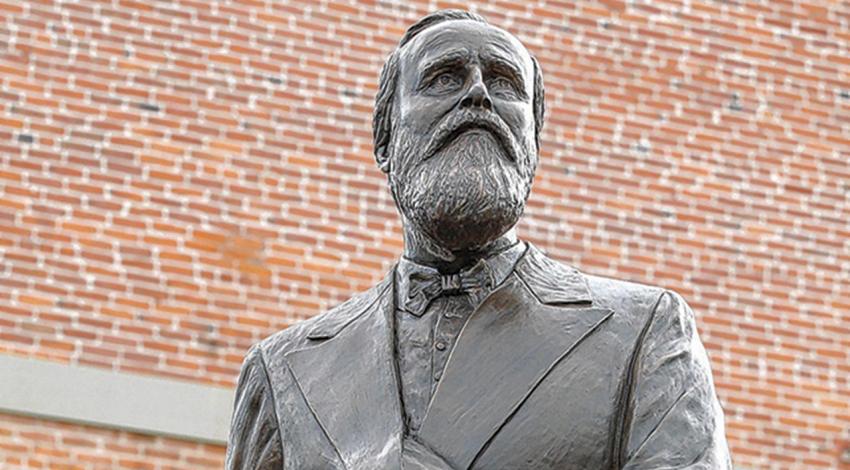
Consolidated Cooperative serves almost 18,000 members in eight counties in north-central Ohio, concentrated in Delaware and Morrow counties. The cooperative not only provides electricity but also offers propane and fiber internet in some areas.
Morrow County
Consolidated Cooperative’s main office is located on State Route 95 in Mount Gilead, the Morrow County seat. The county is home to an impressive and awe-inspiring park system, which co-op employees and many others often enjoy during lunchtime walks. Visitors from around the state are drawn to Mount Gilead State Park for its outdoor amenities, but Morrow County’s Parks District is also well-known for its recreational opportunities.
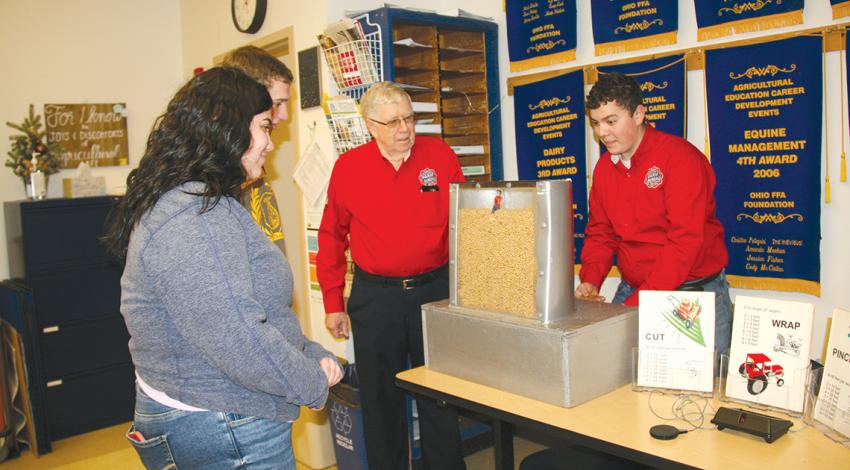
While watching RFD-TV one night, Russ Beckner saw a segment that showed a California mom driving a tractor around with her two young kids in the tractor bucket.
When he retired from P&G, that safety mindset carried over as he started helping his son, Jason, on Jason’s farm. People tend to associate farms with peaceful fields, fresh air, and contented cows, but as all farmers know, agriculture can be a dangerous way to make a living — and a farm is a dangerous place to live.
Between eight and 12 people, on average, are killed on farms every year in Ohio. Thousands more sustain injuries. “I became aware of farm injuries locally, statewide, and nationally, and I thought we could make a difference,” Russ says.